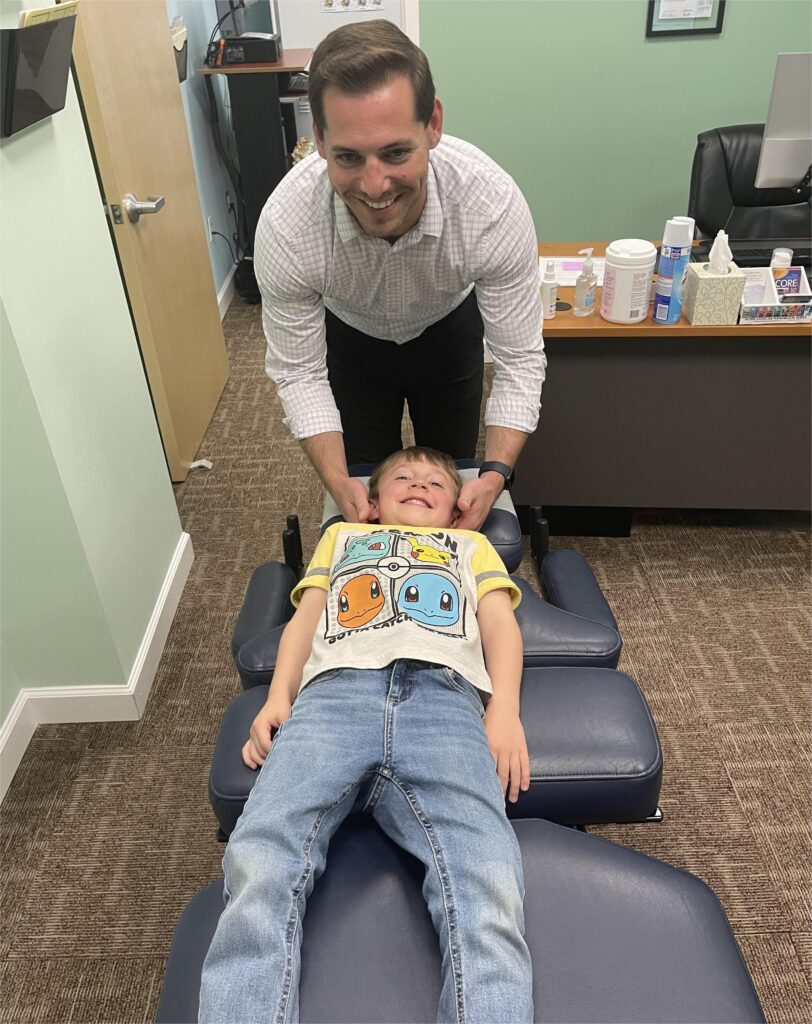
As a local chiropractor, I want to emphasize the vital role that stretching plays in maintaining a healthy back. Many people underestimate its benefits, but incorporating regular stretching into your routine can be a game changer for your spinal health. By enhancing your flexibility, you not only support your spine but also relieve tension in the surrounding muscles.
Moreover, stretching promotes improved blood circulation, which nourishes your muscles and helps to alleviate soreness. This is crucial for preventing back pain and ensuring your body functions optimally. If you’re wondering how to effectively integrate stretching into your daily life, I’m here to guide you. Let’s explore some techniques and strategies that will not only help you prevent back pain but also enhance your overall well-being. Embracing these practices can lead to a healthier, more active lifestyle.
The Importance of Flexibility for Spinal Health
As a local chiropractor, I want to emphasize the vital role that flexibility plays in maintaining a healthy spine. When you focus on improving your flexibility, you’re not just enhancing your overall ability to move; you’re also taking significant steps to support your spinal health. A flexible spine can move freely, which helps to relieve tension in the muscles surrounding it.
When these muscles are flexible, they can provide better support for your spine, reducing the risk of strains and injuries. You might be surprised to learn how improved flexibility can make everyday activities much easier—whether it’s bending down to tie your shoes or lifting groceries.
It’s essential to incorporate stretching into your daily routine, as it creates a balance between strength and flexibility, both of which are crucial for a healthy spine. This balance helps alleviate tightness that can lead to discomfort or pain, making your day-to-day life more comfortable.
Additionally, flexible muscles support improved circulation, which is vital for delivering nutrients to your spine and the surrounding tissues. By committing to a regular stretching routine, you’re not just seeking immediate relief; you’re also investing in your long-term spinal wellness.
Your back will truly appreciate this proactive approach to flexibility, and as your chiropractor, I’m here to guide you on this journey toward better health.
How Stretching Improves Posture
As a local chiropractor, I want to share with you the vital role stretching plays in improving your posture and overall spinal health. Many people may not realize that regular stretching can significantly contribute to better alignment of your spine and reduce muscle tension.
Here are four key ways that incorporating stretching into your routine can enhance your posture:
- Releases tension: Stretching helps to alleviate tightness in muscles, particularly in the chest and shoulders. These areas often become tense and can pull your body forward, leading to poor posture. By stretching, you can release this tension and help your body return to a more upright position.
- Strengthens core muscles: Focusing on targeted stretches for your core can enhance your stability. A strong core is essential for supporting the natural alignment of your spine, which in turn promotes better posture.
- Increases flexibility: Improved flexibility allows for greater freedom of movement. When your muscles and joints are flexible, you’re less likely to engage in compensatory movements that can contribute to poor posture. Stretching regularly can help maintain this flexibility.
- Promotes body awareness: Engaging in regular stretching encourages you to become more mindful of your body position. This increased awareness makes it easier for you to recognize and correct slouching or misalignments throughout your day.
Incorporating stretching into your daily routine can be a simple yet effective way to support your posture and overall spinal health.
If you have any questions about stretching or how chiropractic care can assist you, please feel free to reach out. Your journey towards better posture starts with understanding the importance of these practices!
The Role of Stretching in Muscle Recovery
As a local chiropractor, I want to share some insights about the crucial role of stretching in muscle recovery and overall well-being. Many people underestimate how stretching can significantly improve not just posture, but also spinal health and muscle healing.
When you incorporate regular stretching into your routine, you enhance blood circulation to your muscles. This increased blood flow delivers essential nutrients and oxygen, which are vital for speeding up the healing process. It also helps in flushing out toxins that can accumulate in the muscles, reducing soreness after workouts or even after long periods of sitting.
Moreover, maintaining flexibility through stretching is key to preventing injuries. By keeping your muscles elongated and supple, you reduce the risk of strains and other injuries that can occur during physical activities. Stretching also alleviates muscle tension, promoting relaxation and aiding in recovery, especially after more intense physical exertion.
I encourage you to make stretching a regular part of your post-exercise routine. It’s a powerful tool for enhancing your recovery process and can contribute to a pain-free, agile lifestyle.
Stretching Techniques to Alleviate Back Tension
As a local chiropractor, I want to share some effective stretching techniques that can help alleviate back tension and support your overall spine health.
Integrating these stretches into your daily routine can greatly improve your comfort and mobility. Here are four techniques I recommend:
- Child’s Pose: Begin by kneeling on the floor, sitting back on your heels. Extend your arms forward and lower your chest towards the ground. This gentle pose not only elongates your spine but also helps to relax your back muscles, promoting a sense of calm.
- Cat-Cow Stretch: Start on your hands and knees in a tabletop position. Arch your back upward like a cat (Cat), then lower your belly while lifting your head and tailbone (Cow). This dynamic movement increases spinal flexibility and effectively relieves tension in the back.
- Seated Forward Bend: Sit down with your legs straight in front of you. Take a deep inhale to lengthen your spine, then exhale as you reach toward your toes. This stretch specifically targets the lower back and the hamstrings, providing a soothing release for tight areas.
- Torso Twist: While sitting cross-legged, place one hand behind you and gently twist your torso toward that hand. This stretch helps release tightness in the back and enhances overall mobility, allowing for greater range of motion.
I encourage you to incorporate these stretches regularly into your routine to keep your back feeling great and to support your journey toward natural healing.
Incorporating Stretching Into Your Daily Routine
As a local chiropractor, I understand that many of you lead busy lives, making it seem difficult to incorporate stretching into your daily routine. However, I want to emphasize how vital stretching is for your back health and overall well-being.
Starting with just a few minutes each morning or evening can make a significant difference. I suggest setting a reminder on your phone to help you remember to take this important step.
You can begin with simple stretches like the cat-cow or the seated forward bend, which specifically target your back and promote flexibility. Additionally, I encourage you to take short stretching breaks during your workday. Standing up and stretching every hour can alleviate tension and even enhance your productivity.
You can also make the most of your time while watching TV by incorporating some gentle stretches.
The key to reaping the benefits of stretching is consistency. Aim to establish a routine that fits seamlessly into your life. Over time, you’ll likely notice improved flexibility and reduced tension in your back, which can contribute to a healthier, pain-free future.
Conclusion
As your local chiropractor, I want to emphasize the importance of incorporating stretching into your daily routine for optimal spinal health. Stretching enhances flexibility, improves posture, and aids in muscle recovery, all of which are crucial in reducing the risk of back pain. It’s essential to focus on targeted stretches that specifically alleviate tension and promote relaxation in the back and surrounding muscles.
Just dedicating a few minutes each day to stretch can significantly benefit your physical well-being and lay the groundwork for a pain-free, active lifestyle. Many people underestimate the power of a good stretch, but it can be a simple yet effective way to support your body and prevent discomfort. Remember, taking care of your spine is key to overall health, and I’m here to guide you every step of the way.