If you’ve ever felt a sharp, burning pain shoot down one leg — sometimes all the way to your foot — you already know how disruptive sciatica can be. It can make sitting at your desk unbearable, turn a short walk into a painful ordeal, and keep you up at night. Here in Brick Township, NJ, many patients come into ShoreLife Chiropractic & Wellness describing exactly this kind of pain, often unsure what’s causing it or whether anything can really help. The good news is that sciatica is a well-understood condition, and there are effective, drug-free approaches that can make a real difference in how you feel.
What Is Sciatica, Exactly?
Sciatica is not a diagnosis on its own — it’s a set of symptoms caused by irritation or compression of the sciatic nerve. The sciatic nerve is the longest nerve in your body, running from your lower back through your hips and buttocks, then down each leg. When this nerve is pressed upon or inflamed, it produces pain, tingling, numbness, or weakness that typically travels along its path — usually on one side of the body.
What Causes Sciatica?
Sciatica develops when something irritates or compresses the sciatic nerve at its roots in the lumbar spine — typically in the lower back between the L4 and S1 vertebrae. Understanding the underlying cause is important because it shapes how the condition is best treated. There are several common culprits that Dr. Brett Tave at ShoreLife Chiropractic & Wellness sees in patients throughout Brick Township and the surrounding Ocean County area.
A herniated disc is one of the most frequent causes. The discs between your spinal vertebrae act as cushions. When the inner gel-like material of a disc pushes outward through a crack in its outer layer, it can press directly against a nearby nerve root. This type of pressure is a classic trigger for the radiating pain that defines sciatica.
Lumbar spinal stenosis is another common cause, particularly in older adults. This is a narrowing of the spinal canal that can squeeze the nerve roots as they exit the spine. It often develops gradually due to age-related changes like bone spurs or thickened ligaments. Piriformis syndrome is a related but distinct condition — the piriformis muscle in the buttock sits very close to the sciatic nerve, and when it becomes tight or spasms, it can irritate the nerve and mimic classic sciatica symptoms.
Poor posture, prolonged sitting, heavy lifting, and even pregnancy can also place increased stress on the lower spine and trigger sciatic nerve irritation. In many cases, a combination of factors is at play, which is why a thorough evaluation matters so much.
Signs and Symptoms to Watch For
Sciatica has a fairly recognizable pattern, though it can show up differently from person to person. The hallmark symptom is pain that travels from the lower back or buttock down one leg — sometimes reaching the calf or foot. This radiating quality is what sets sciatica apart from ordinary back pain.
People often describe the sensation in different ways: sharp and stabbing, electric or shooting, burning, aching, or even like a deep muscle cramp. Some patients experience tingling or a “pins and needles” feeling along the leg. Others notice numbness or weakness in the affected leg or foot, which can affect balance and gait.
Symptoms may be constant or come and go. Certain positions or movements tend to aggravate them — sitting for long periods, standing up from a chair, sneezing, or coughing are common triggers. Many patients find that lying down or walking gently brings some relief. If you’re experiencing any of these symptoms here in Brick Township, NJ, it’s worth having a professional evaluation rather than waiting to see if it resolves on its own.
It’s important to note that in rare cases, sciatica can accompany more serious issues. Loss of bladder or bowel control, severe weakness in both legs, or numbness in the groin area are red flags that require immediate medical attention — not chiropractic care first.
How Chiropractic Care Fits In
Chiropractic care is widely regarded as one of the first-line, conservative approaches for managing sciatica. Organizations like the American College of Physicians (ACP) and the National Institutes of Health’s National Center for Complementary and Integrative Health (NCCIH) have supported spinal manipulation and other conservative care methods as reasonable options for low back and radiating leg pain before resorting to medications or surgery.
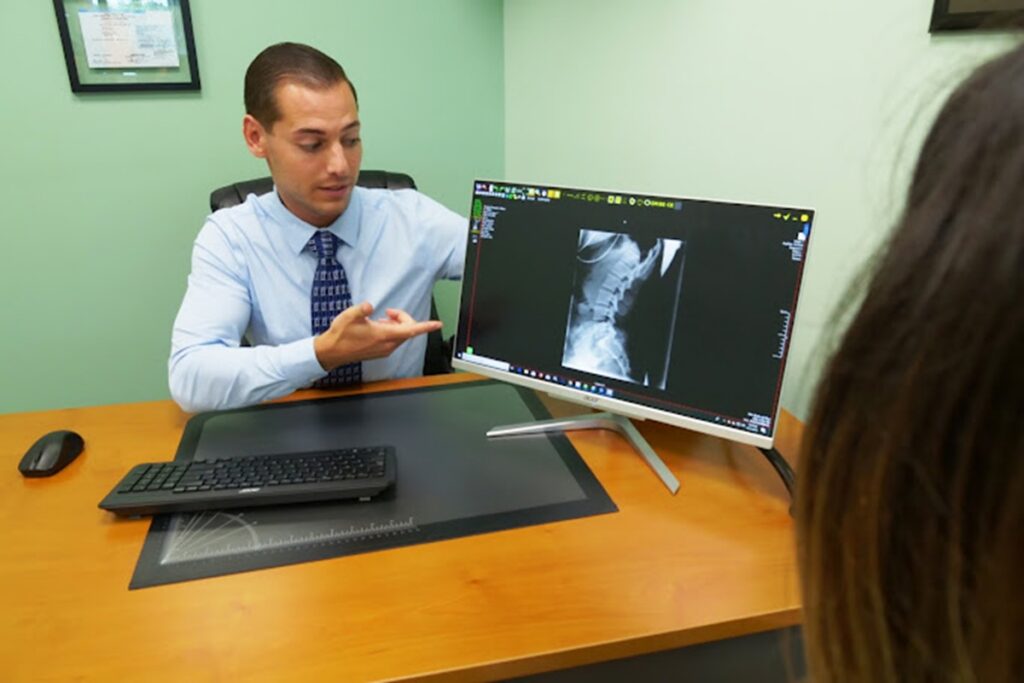
At ShoreLife Chiropractic & Wellness in Brick Township, NJ, Dr. Brett Tave begins every patient relationship with a thorough evaluation. This includes reviewing your health history, discussing your symptoms, and performing a physical and neurological assessment. The goal is to understand not just where you’re hurting, but why — so that care can be tailored specifically to your situation.
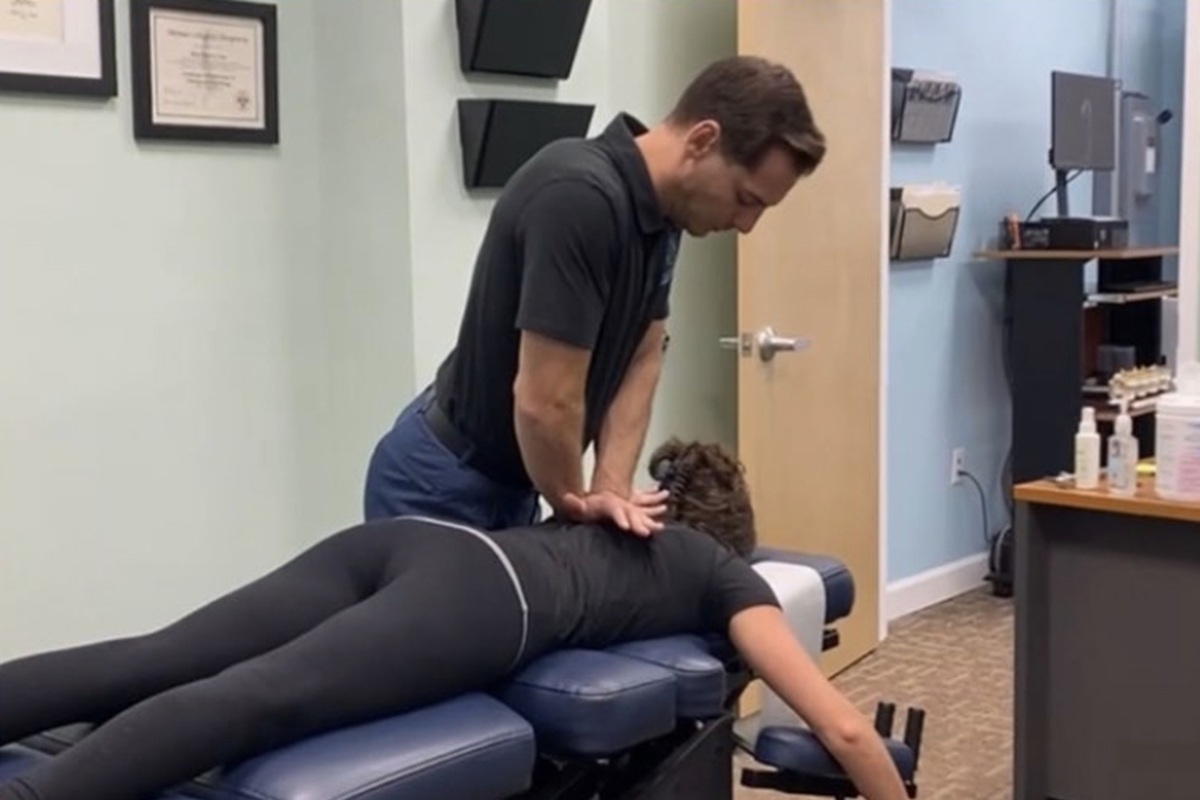
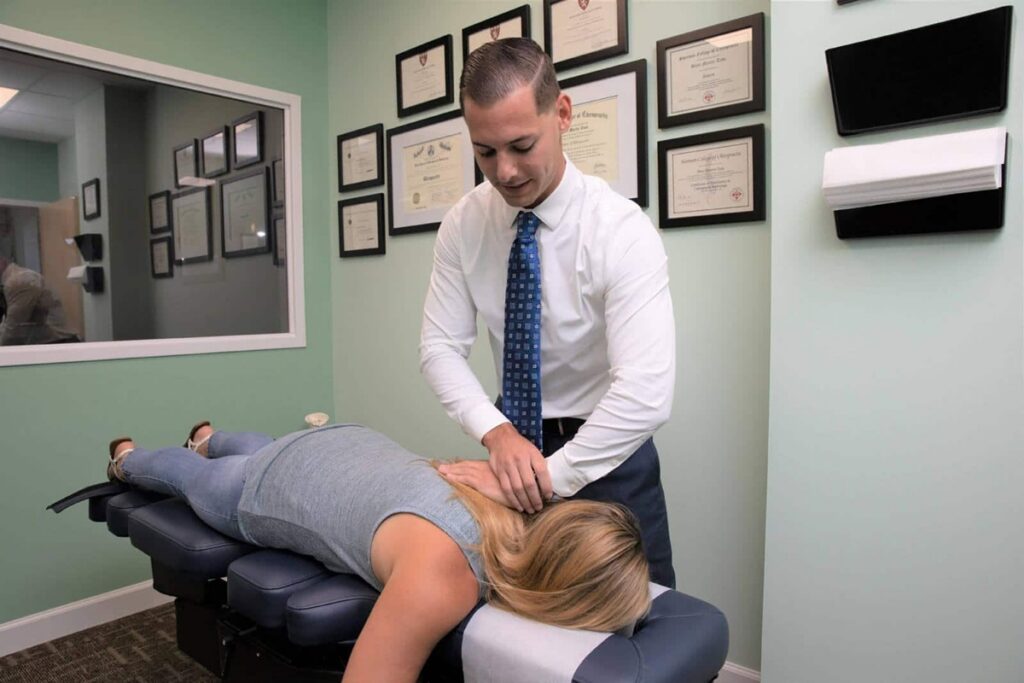
Spinal adjustments are a central part of chiropractic care for sciatica. When vertebrae in the lumbar spine lose their normal alignment or mobility, they can contribute to nerve compression and muscle tension. Gentle, targeted adjustments help restore proper joint movement, which can reduce pressure on the sciatic nerve and ease inflammation in the surrounding tissues. Many patients notice meaningful improvement in their symptoms over a course of care.
Beyond adjustments, Dr. Brett Tave may incorporate other supportive therapies depending on your needs. Soft tissue work to address tight muscles — particularly the piriformis and hip muscles — can be very helpful. Recommendations for specific stretches, movement modifications, and ergonomic improvements are also part of a well-rounded care plan. The focus at ShoreLife Chiropractic & Wellness is always on helping your body heal naturally, without relying on medication or invasive procedures.
Practical Tips to Help Manage Sciatica at Home
While professional care is important, what you do between appointments matters a great deal. There are several things you can do day-to-day to support your recovery and reduce flare-ups.
Movement is generally better than rest for sciatica. Staying too still for too long often makes symptoms worse. Gentle walking, even just around your neighborhood here in Brick Township, keeps blood flowing and helps prevent the muscles around the spine from stiffening further. Avoid high-impact activities or heavy lifting until your symptoms are under better control.
Pay attention to how you sit. Prolonged sitting — especially with poor posture — is one of the most common aggravating factors for sciatica. If your job keeps you at a desk, try to stand up and move around for a few minutes every 30 to 45 minutes. Make sure your chair supports the natural curve of your lower back. If you’re driving frequently, consider a small lumbar support cushion.
Heat and ice can both provide temporary relief, though they work differently. Ice is helpful for reducing acute inflammation in the early stages, while heat can soothe muscle tightness and promote circulation in more chronic situations. Apply either for 15 to 20 minutes at a time, with a cloth barrier to protect the skin.
Sleep position also plays a role. Sleeping on your side with a pillow between your knees can reduce stress on the lower spine and sciatic nerve. If you prefer sleeping on your back, placing a pillow under your knees may help. Stomach sleeping generally increases lower back strain and is worth avoiding during a flare-up.
When to See a Chiropractor
Many people try to push through sciatica symptoms hoping they’ll go away on their own. While mild cases sometimes resolve, waiting too long can allow compensatory patterns to develop — meaning your body starts moving in unhealthy ways to avoid pain, which can create new problems elsewhere.
If your leg pain has lasted more than a few days, is getting progressively worse, or is affecting your ability to work, sleep, or complete daily activities, it’s time to seek professional evaluation. Sciatica that is caught and addressed early tends to respond better to conservative care. The chiropractors at ShoreLife Chiropractic & Wellness are experienced in identifying the source of sciatic nerve irritation and building an appropriate care plan.
As mentioned earlier, there are specific warning signs that go beyond typical sciatica and require urgent medical attention. These include sudden loss of bladder or bowel control, severe or rapidly progressing leg weakness, or any history of cancer, significant trauma, or unexplained weight loss alongside your back or leg pain. In these situations, please seek emergency or primary care right away rather than starting with chiropractic treatment.
Sciatica Triggers vs. Aggravating Factors
Common Causes / Triggers |
Common Aggravating Factors |
|---|---|
|
Herniated or bulging lumbar disc |
Prolonged sitting or driving |
|
Lumbar spinal stenosis |
Bending forward or lifting heavy objects |
|
Piriformis muscle tightness or spasm |
Sneezing, coughing, or straining |
|
Degenerative disc changes |
Poor posture at work or home |
|
Pregnancy-related pressure on the spine |
Sleeping in unsupported positions |
|
Spinal joint restriction or misalignment |
Inactivity and prolonged bed rest |
Myths vs. Facts About Sciatica
Myth: Sciatica always means you need surgery.
Fact: The large majority of sciatica cases respond well to conservative, non-surgical approaches. Chiropractic care, physical therapy, and appropriate lifestyle modifications help many people find meaningful relief without ever needing an operation. Surgery is typically considered only when conservative options have been exhausted over a prolonged period and there is clear structural compromise.
Myth: You should rest in bed until sciatica goes away.
Fact: Extended bed rest is generally not recommended for sciatica. Prolonged inactivity can actually cause muscles to weaken and stiffen, which may worsen symptoms over time. Gentle, controlled movement — like walking — is typically more beneficial and is what most conservative care guidelines recommend.
Myth: Sciatica is just back pain.
Fact: Sciatica is a nerve pain condition, not simply a form of back pain. The defining characteristic is pain that travels along the path of the sciatic nerve — down the buttock, thigh, and leg. Some people with sciatica have minimal back pain but significant leg symptoms. Understanding this distinction helps ensure the right care is applied.
Myth: Once you have sciatica, it will always come back.
Fact: While some people do experience recurring episodes, many find that with proper care and lifestyle changes, they can manage and significantly reduce the frequency of flare-ups. Addressing the underlying causes — posture, movement habits, spinal health — plays a major role in long-term outcomes.
Myth: Chiropractic adjustments are dangerous for sciatica.
Fact: Chiropractic care, when performed by a licensed and trained chiropractor following a proper evaluation, is considered a safe and effective conservative option for sciatica. Dr. Brett Tave at ShoreLife Chiropractic & Wellness carefully assesses each patient before recommending any form of treatment to ensure that care is both appropriate and safe for that individual.
Final Thoughts from ShoreLife Chiropractic & Wellness
Sciatica can feel overwhelming, especially when it disrupts your daily life and you’re not sure where to turn. But the truth is that most people with sciatica get better — and getting the right help early makes a real difference. At ShoreLife Chiropractic & Wellness in Brick Township, NJ, Dr. Brett Tave is committed to helping patients throughout the Ocean County area understand what’s happening in their bodies and move toward feeling better with personalized, compassionate care.
Whether you’ve been dealing with sciatic pain for a few days or a few months, you don’t have to just push through it. A thorough evaluation can identify the root cause of your symptoms and give you a clear picture of your options. Our goal is never to make you dependent on ongoing care — it’s to help you get better, stay better, and feel confident in your body again.
If you’re in the Brick Township area and you’ve been living with leg pain, lower back discomfort, or that nagging numbness and tingling that just won’t quit, reach out to ShoreLife Chiropractic & Wellness. You deserve to feel like yourself again.
Frequently Asked Questions
How long does sciatica typically last?
The duration of sciatica varies depending on the underlying cause and how it’s managed. Some mild cases resolve within a few weeks, while others may persist for several months without appropriate care. Early evaluation and consistent conservative treatment generally lead to faster recovery.
Can a chiropractor actually help with sciatica?
Yes — chiropractic care is a well-established conservative approach for sciatic nerve pain. Research suggests that spinal manipulation and related therapies can help reduce pain and improve function in patients with sciatica. A proper evaluation is always the first step to determine whether chiropractic care is appropriate for your specific situation.
Is sciatica the same as a pinched nerve?
Sciatica is a type of pinched nerve condition — specifically, it involves compression or irritation of the sciatic nerve or its roots. The term “pinched nerve” is a general description, while “sciatica” refers specifically to symptoms that follow the path of the sciatic nerve down the leg.
Can sciatica go away on its own?
In some mild cases, sciatica does resolve with time and basic self-care. However, if symptoms are severe, worsening, or have lasted more than a few weeks, professional evaluation is recommended. Waiting too long can allow compensatory movement patterns to develop, which may complicate recovery.
What makes sciatica worse?
Common aggravating factors include prolonged sitting, bending forward, lifting heavy objects, coughing or sneezing forcefully, and sleeping in positions that increase lower back strain. Inactivity and poor posture are also significant contributors that can prolong symptoms.
How is sciatica diagnosed?
Sciatica is typically diagnosed through a combination of health history, symptom description, and physical and neurological examination. A chiropractor like Dr. Brett Tave will assess reflexes, muscle strength, and specific movement patterns to identify the likely cause. Imaging such as MRI may be ordered if warranted to rule out serious structural issues.
TL;DR Summary
-
Sciatica is pain, tingling, or numbness that travels along the sciatic nerve — typically from the lower back down one leg — caused by nerve compression or irritation.
-
Common causes include herniated discs, spinal stenosis, piriformis tightness, and poor posture; a proper evaluation is key to identifying the specific cause.
-
Chiropractic care, including spinal adjustments and soft tissue therapy, is a safe, non-surgical option that has been shown to help many people with sciatica.
-
Home strategies like gentle movement, mindful sitting habits, and supportive sleep positions can reduce flare-ups and support recovery between appointments.
-
Dr. Brett Tave at ShoreLife Chiropractic & Wellness in Brick Township, NJ provides individualized, thorough care to help patients find relief and get back to living fully.