
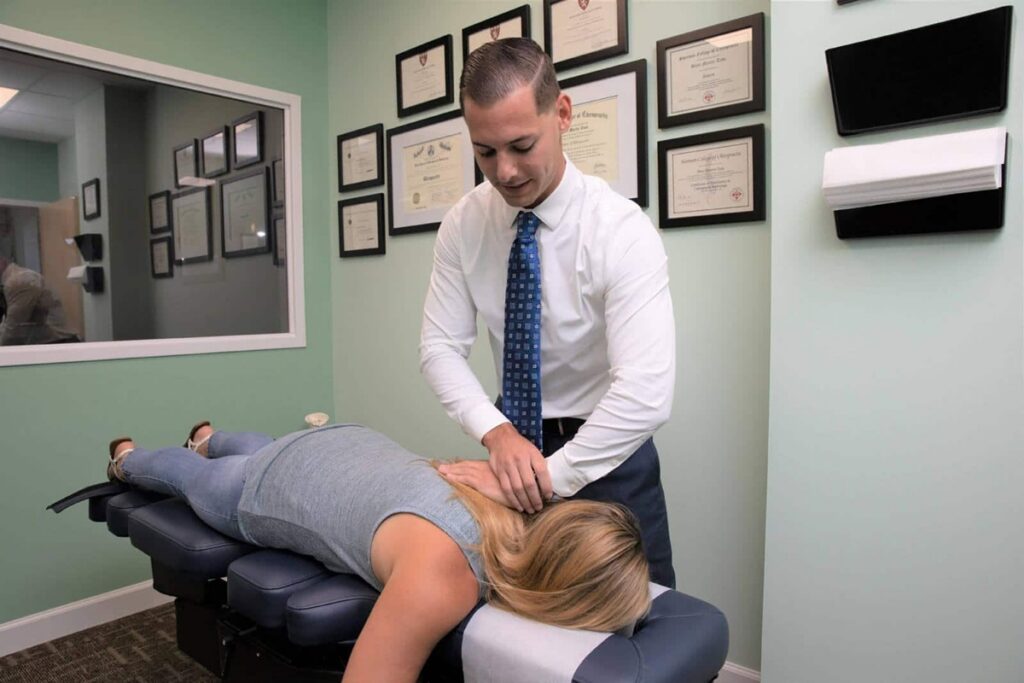
Neck pain is one of the most common complaints we hear about at ShoreLife Chiropractic & Wellness in Brick Township, NJ. Whether it crept up after a long day at a desk, started after sleeping in an awkward position, or has been nagging you for weeks, that tension and stiffness in your neck can make even simple daily tasks feel exhausting. The good news? There are gentle, safe at-home exercises that can make a real difference, and when combined with professional care, they can help you get back to feeling like yourself again.
This article will walk you through some of the most effective at-home exercises to help with neck pain, explain why they work, and help you understand when it might be time to reach out to a professional for additional support. Dr. Brett Tave and the team at ShoreLife Chiropractic & Wellness are here to help the Brick Township community move better, feel better, and live well.
What Is Neck Pain, and Why Does It Happen?
Neck pain refers to discomfort, stiffness, soreness, or tension anywhere in the cervical spine — the seven vertebrae that make up the neck region. It can range from a mild, nagging ache to sharp, limiting pain that affects your ability to turn your head. In many cases, neck pain is caused by muscle tension, poor posture, joint restrictions, or repetitive strain — all of which respond well to conservative care, including targeted exercises.
Why At-Home Exercises Help With Neck Pain
When your neck hurts, the instinct is often to rest it completely and avoid movement. While that might feel safer in the moment, research suggests that gentle, controlled movement is actually one of the best things you can do for most types of neck pain. Prolonged inactivity can cause muscles to tighten further, joints to stiffen, and the surrounding supportive tissues to weaken over time.
At-home exercises help by improving circulation to the affected area, gently restoring range of motion, and strengthening the muscles that support the cervical spine. Evidence from organizations like the National Institutes of Health indicates that therapeutic exercise — especially when combined with manual care — is among the most effective approaches for managing neck pain. The key is choosing the right exercises and performing them consistently and correctly.
At ShoreLife Chiropractic & Wellness, Dr. Brett Tave often encourages patients to think of at-home exercises as the “homework” that supports the work done in the office. They reinforce progress, prevent regression, and empower you to take an active role in your own recovery.
Common Causes of Neck Pain
Before jumping into exercises, it helps to understand why your neck hurts in the first place. Neck pain is rarely caused by just one thing. It’s usually the result of several contributing factors working together.
One of the most prevalent causes here in Brick Township, NJ, is postural strain. Many of our patients spend hours each day working at computers, scrolling on smartphones, or sitting in positions that place excess stress on the cervical spine. Over time, this forward-head posture can cause the muscles at the back of the neck to become overloaded and fatigued, while the muscles at the front become shortened and tight.
Other common causes include sleeping in an unsupportive position, carrying heavy bags on one shoulder, repetitive work-related movements, and stress-related muscle tension. In some cases, neck pain may be linked to joint restrictions or disc-related issues within the cervical spine — all of which Dr. Brett Tave evaluates thoroughly during a comprehensive assessment at ShoreLife Chiropractic & Wellness.
Understanding your specific cause matters because it determines which exercises will be most beneficial and which ones to avoid. When in doubt, always check with a qualified professional before starting a new exercise routine.
The Best At-Home Exercises for Neck Pain Relief
The following exercises are gentle, widely recommended within conservative care, and appropriate for most people experiencing general neck stiffness and discomfort. If any movement causes sharp pain, numbness, or tingling down your arm, stop immediately and consult a provider.
Chin Tucks
The chin tuck is one of the most foundational exercises for addressing forward-head posture and the neck tension that comes with it. To perform it, sit or stand tall with your shoulders relaxed. Gently draw your chin straight back — as if you’re trying to make a “double chin” — without tilting your head up or down. You should feel a mild stretch at the base of your skull and a gentle activation along the back of your neck. Hold for five seconds, then relax. Repeat this 10 times, and try to do 2-3 sets throughout the day.
This exercise helps realign the head over the shoulders, reducing the forward pull that strains the cervical muscles. Dr. Brett Tave frequently recommends this as a starting point because it’s safe, effective, and easy to do anywhere.
Cervical Side Bends
This stretch targets the lateral neck muscles, which are the ones that often feel tight when you try to look over your shoulder. Sit or stand tall and slowly tilt your right ear toward your right shoulder, going only as far as is comfortable. Do not force the movement or raise your shoulder to meet your ear. Hold for 20-30 seconds, then slowly return to center and repeat on the left side. Aim for 2-3 repetitions per side.
If you want a gentle assist, you can lightly place your hand on the side of your head and apply very minimal downward pressure. This should feel like a mild stretch, never a sharp pull.
Cervical Rotation Stretch
Restricted rotation is a hallmark of many neck complaints. To address it, sit tall and slowly rotate your head to the right, keeping your chin level. Turn only to the point where you feel a gentle stretch, not pain. Hold for 5-10 seconds, return to center, and then rotate to the left. Perform this 5-10 times per direction. Over time, consistent practice of this movement can help restore comfortable range of motion.
Upper Trapezius Stretch
The upper trapezius muscle runs from the base of your skull down to your mid-back and is one of the most commonly tense muscles in people with neck pain. To stretch it, sit tall and reach your right arm behind your back or simply rest it at your side. Then gently tilt your left ear toward your left shoulder while adding a slight forward diagonal as if smelling your left armpit. You should feel the stretch along the right side of your neck and into the shoulder. Hold for 20-30 seconds per side.
Scapular Retractions
Neck pain is often connected to poor shoulder and upper back posture. Scapular retractions help by strengthening the muscles between the shoulder blades, which in turn reduces forward-rounded shoulders, a key driver of cervical strain. Sit or stand tall and gently squeeze your shoulder blades together as if you’re trying to hold a pencil between them. Hold for 5 seconds, release, and repeat 10-15 times. This is a simple but powerful exercise that pays off over time.
How Chiropractic Care Fits Into Your Neck Pain Recovery
At-home exercises are a valuable tool, but they work best when paired with professional care — especially when your neck pain has been persistent, severe, or accompanied by other symptoms. Chiropractic care takes a whole-body, non-invasive approach to identifying and addressing the underlying causes of neck pain rather than simply masking the symptoms.
At ShoreLife Chiropractic & Wellness in Brick Township, NJ, Dr. Brett Tave performs thorough evaluations to understand your posture, spinal alignment, joint mobility, and muscle function. Based on those findings, he develops individualized care plans that may include cervical adjustments, soft tissue work, and rehabilitative exercise guidance.
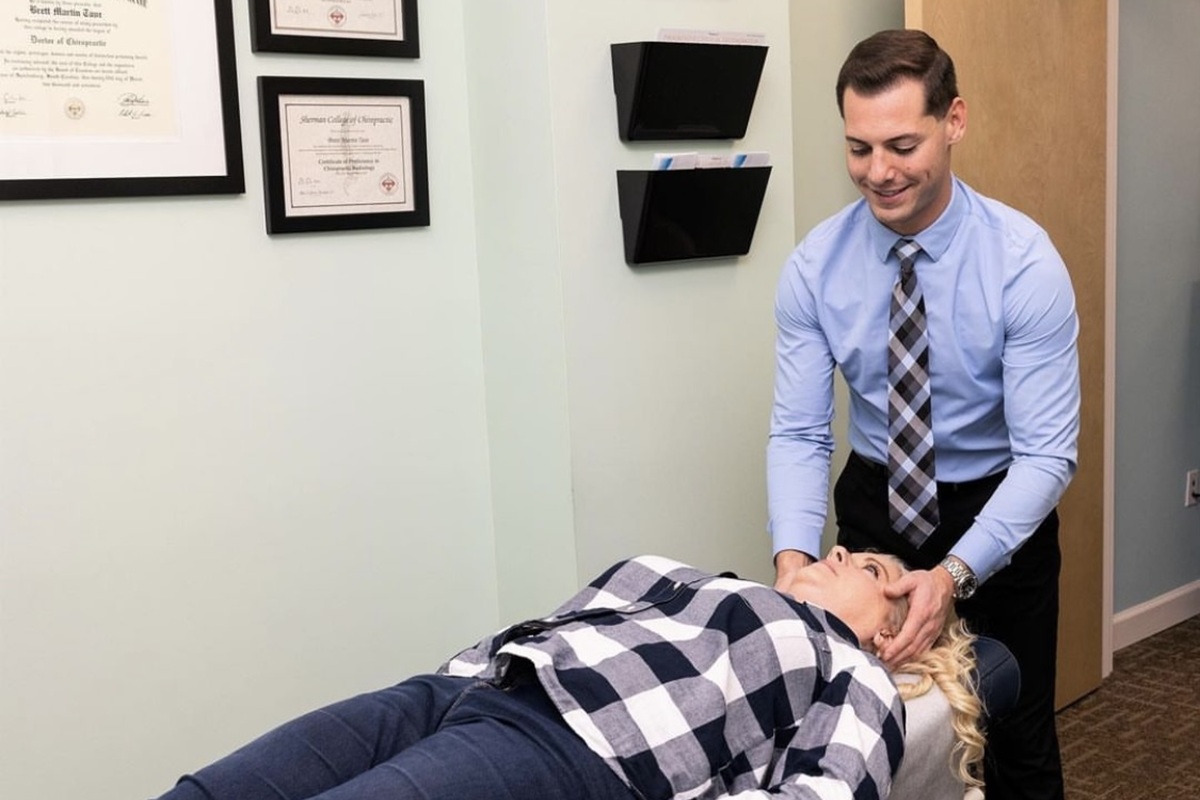
Cervical adjustments — also called spinal manipulation — involve gentle, specific movements applied to the joints of the neck to restore proper motion and reduce nerve irritation. Research published in guidelines from organizations like the American College of Physicians supports spinal manipulation as a first-line, non-drug option for acute and chronic neck pain. Combined with the at-home exercises described above, chiropractic care can help accelerate your recovery and reduce the likelihood of the pain returning.
Practical Tips to Protect Your Neck Every Day
Exercise matters, but so do the habits you practice all day long. If you spend 10 minutes doing neck stretches but then sit hunched over a screen for eight hours, you’ll be fighting an uphill battle. Here are some everyday adjustments that can make a meaningful difference.
Position your computer monitor at eye level so your head isn’t tilting down or up for extended periods. Your ears should be roughly over your shoulders, not jutting forward. If you use a phone frequently, try holding it at eye level rather than bowing your head down to look at it. This one habit change alone can dramatically reduce cervical strain over time.
Sleep position also matters more than many people realize. Sleeping on your back or side with a supportive pillow that keeps your head in a neutral position is generally recommended. Sleeping on your stomach puts the cervical spine in a rotated, compressed position for hours at a time, which is a common contributor to morning neck stiffness.
Finally, don’t underestimate the role of stress. Mental and emotional tension has a direct physical impact on the neck and shoulder muscles. Simple stress-reduction practices like deep breathing, regular movement breaks, and adequate sleep can all support a healthier cervical spine.
When to See a Chiropractor for Neck Pain
Most neck pain responds well to at-home exercises and conservative care. However, there are situations where professional evaluation is important. If your neck pain has lasted more than a few weeks without improvement, or if it began after a trauma such as a car accident or a fall, it’s important to get a proper assessment.
You should also seek care promptly if your neck pain is accompanied by numbness, tingling, or weakness in your arms or hands, as this may suggest nerve involvement. Severe headaches at the base of the skull, dizziness related to neck movement, or pain that is progressively worsening are all signals that it’s time to consult a professional. These symptoms may require imaging or coordination with other healthcare providers.
If you’re in the Brick Township area and you’re unsure whether your symptoms warrant a visit, the team at ShoreLife Chiropractic & Wellness is happy to help you determine the right next step. Dr. Brett Tave takes time to listen, evaluate carefully, and explain your options clearly without pressure.
Neck Pain Exercises: What They Target
Exercise |
Primary Target |
Main Benefit |
Frequency |
|---|---|---|---|
|
Chin Tucks |
Deep cervical flexors, posture alignment |
Reduces forward-head posture |
2-3 sets of 10 reps daily |
|
Cervical Side Bends |
Lateral neck muscles (scalenes, SCM) |
Improves lateral flexibility and reduces tightness |
2-3 reps per side, daily |
|
Cervical Rotation Stretch |
Cervical rotators, joint mobility |
Restores comfortable rotation range of motion |
5-10 reps per side, daily |
|
Upper Trapezius Stretch |
Upper trapezius, levator scapulae |
Releases common tension patterns in neck and shoulder |
20-30 sec holds, 2x per side daily |
|
Scapular Retractions |
Mid-back and rhomboid muscles |
Improves posture and reduces cervical strain |
10-15 reps, 1-2 sets daily |
Myths vs. Facts About Neck Pain
Myth: Rest is the best cure for neck pain.
Fact: While brief rest can be helpful during an acute flare-up, prolonged inactivity tends to worsen neck pain over time. Gentle, consistent movement helps maintain mobility, improve blood flow, and prevent muscular deconditioning. Evidence from major healthcare organizations supports active care over extended bed rest for most musculoskeletal pain conditions.
Myth: Neck pain always means something is seriously wrong with your spine.
Fact: The vast majority of neck pain cases are musculoskeletal in nature — meaning they involve muscles, joints, and connective tissues rather than serious structural damage. Most episodes of neck pain resolve with conservative care, including exercise and chiropractic treatment, without the need for surgery or advanced imaging.
Myth: Cracking your own neck is the same as a chiropractic adjustment.
Fact: Self-manipulation and professional chiropractic adjustments are not the same thing. When Dr. Brett Tave performs a cervical adjustment at ShoreLife Chiropractic & Wellness, it is a specific, controlled, and intentional movement applied to a targeted joint based on a thorough clinical assessment. Self-cracking is non-specific, can become habitual, and does not address the underlying dysfunction the way a proper adjustment does.
Myth: If your neck pain goes away on its own, you don’t need to do anything about it.
Fact: Pain is just one signal. Even when pain resolves, underlying joint restrictions, muscle imbalances, or postural habits may remain and can contribute to future recurrences. Addressing the root cause with exercises, posture correction, and professional care when appropriate helps reduce the likelihood of the pain returning.
Myth: Chiropractic adjustments for the neck are dangerous.
Fact: When performed by a licensed, trained chiropractor, cervical adjustments are considered a safe and effective treatment for many types of neck pain. As with any intervention, risks exist, and a qualified chiropractor conducts proper screening to determine which patients are appropriate candidates for spinal manipulation.
Final Thoughts From ShoreLife Chiropractic & Wellness
Living with neck pain doesn’t have to be your normal. Here in Brick Township, NJ, the community works hard, sits long hours, and deserves to feel comfortable in their own bodies. The exercises outlined in this article are a great place to start. They’re gentle, practical, and supported by the broader conservative care approach that Dr. Brett Tave practices every day at ShoreLife Chiropractic & Wellness.
Remember, at-home exercises are most powerful when they’re part of a bigger picture that includes good posture habits, proper sleep support, stress management, and professional care when needed. You don’t have to figure it all out alone. Whether you’ve been dealing with neck pain for a few days or several months, reaching out for guidance is always the right move.
If you’re in the Brick Township area and you’re ready to take the next step, ShoreLife Chiropractic & Wellness is here to help. Dr. Brett Tave and the team look forward to being a trusted part of your journey back to feeling great.
Frequently Asked Questions
How often should I do neck exercises at home?
For most people, gentle neck exercises performed once or twice daily provide the best results. Consistency matters more than intensity. If any exercise causes pain or discomfort beyond mild stretching, reduce frequency and consult a professional.
Can at-home exercises completely replace chiropractic care for neck pain?
At-home exercises are a valuable part of managing neck pain, but they work best alongside professional evaluation and care, especially for persistent or severe symptoms. Chiropractic care addresses structural and joint-level issues that exercises alone may not resolve.
How long will it take to feel better with these exercises?
Many people notice improvement in comfort and mobility within one to two weeks of consistent exercise. However, results vary depending on the severity and cause of the neck pain. Longer-standing issues may take more time and benefit from additional support.
Is it normal for my neck to feel sore after doing these exercises?
Mild muscle soreness after starting a new exercise routine is normal and typically resolves within a day or two. Sharp pain, worsening symptoms, or pain that radiates into the arm should not be ignored. Stop the exercise and consult a provider like Dr. Brett Tave.
What is the most common cause of neck pain in people who work at desks?
Forward-head posture is the most common culprit for desk workers. When the head drifts forward from the shoulders — often due to screen position or prolonged sitting — it increases the load on the cervical spine significantly, leading to muscle fatigue and pain over time.
Does ShoreLife Chiropractic & Wellness treat neck pain caused by car accidents?
Yes. Whiplash and post-accident neck pain are among the conditions that chiropractic care is well-suited to address. Dr. Brett Tave performs thorough evaluations for trauma-related injuries and can help guide appropriate care — including coordination with other providers when necessary.
TL;DR Summary
-
Neck pain is extremely common and often caused by posture, muscle tension, joint restrictions, or repetitive strain — all of which respond well to conservative care.
-
Gentle at-home exercises like chin tucks, cervical stretches, and scapular retractions can help relieve tension, restore range of motion, and support cervical health.
-
Everyday habits, like monitor height, sleep position, and stress management, play a big role in preventing recurring neck pain.
-
Chiropractic care from Dr. Brett Tave at ShoreLife Chiropractic & Wellness in Brick Township, NJ complements at-home exercises by addressing underlying joint and structural issues.
-
If your neck pain is severe, persistent, or accompanied by arm symptoms, seek professional evaluation rather than relying on exercises alone.