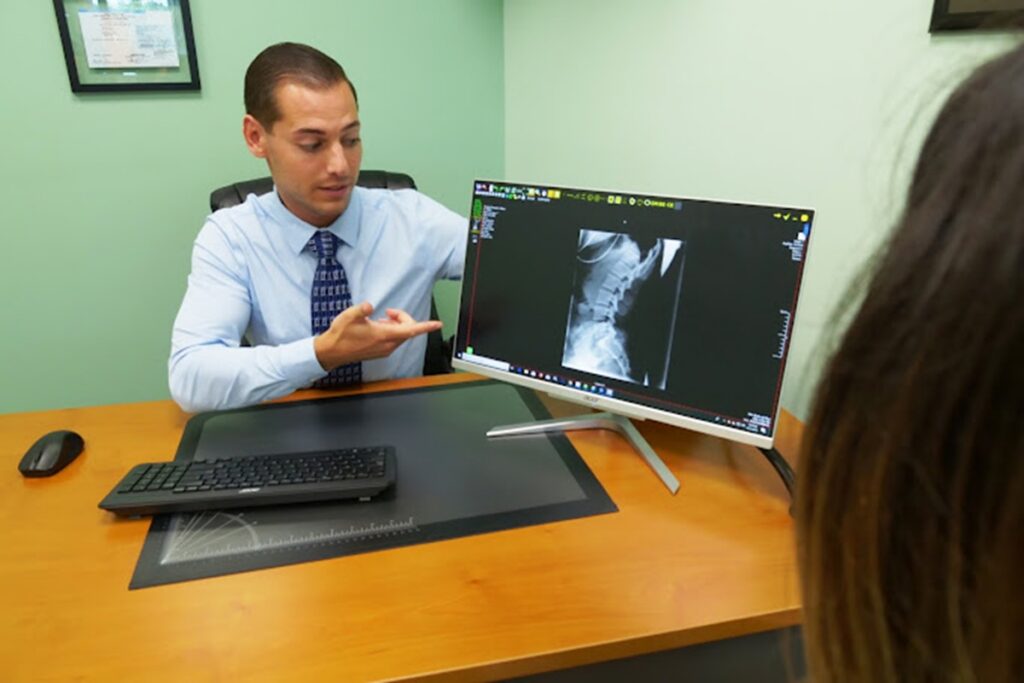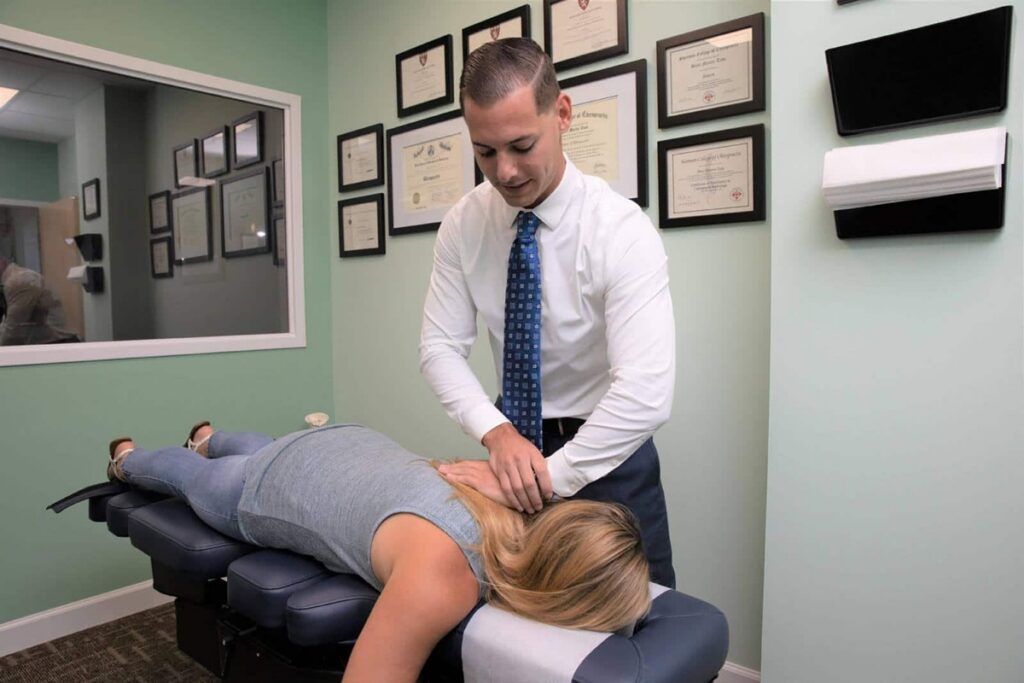
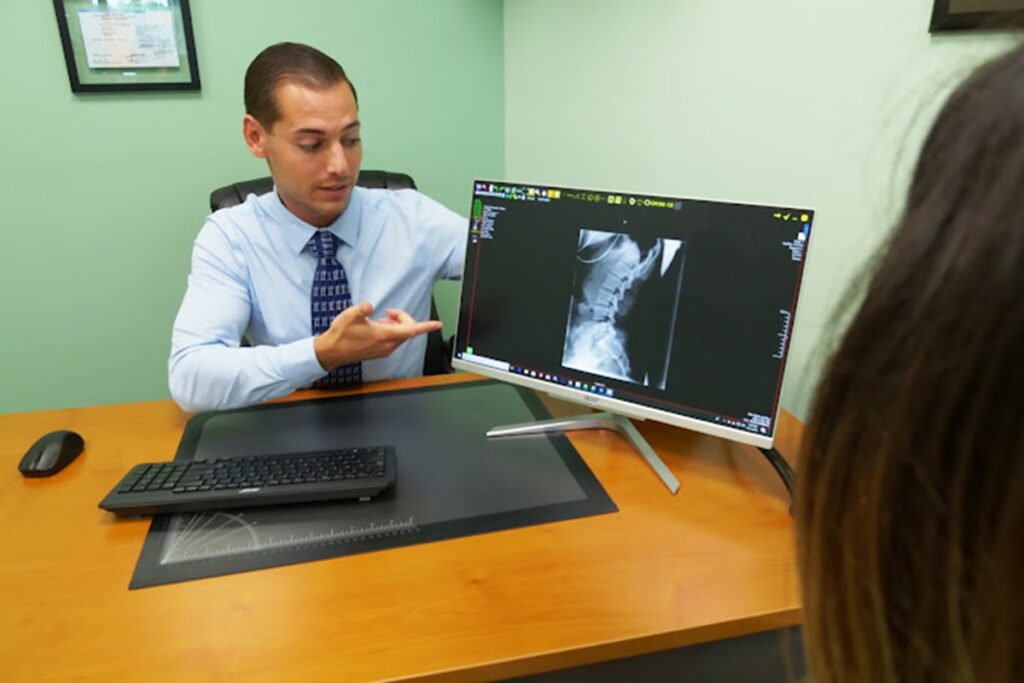
Neck pain is one of those problems that has a way of taking over your entire day. It starts as a little stiffness in the morning, and before you know it, you’re struggling to turn your head while driving, wincing every time you look down at your phone, or lying awake at night unable to find a comfortable position. If this sounds familiar, you’re not alone. Here in Brick Township, NJ, neck pain is one of the most common complaints Dr. Brett Tave and the team at ShoreLife Chiropractic & Wellness see on a daily basis. The good news? There are real, drug-free solutions that can help — and chiropractic care is one of the most well-supported options available.
What does it mean to see a chiropractor for neck pain? Chiropractic care for neck pain involves a hands-on, non-invasive approach to identifying and addressing the underlying mechanical causes of your discomfort. Rather than masking the pain with medication, a chiropractor works to restore proper movement, alignment, and function to the cervical spine — the portion of your spine that runs through your neck.
What Causes Neck Pain?
The neck — or cervical spine — is a remarkably complex structure. It supports the weight of your head (which averages around ten to twelve pounds), houses a portion of your spinal cord, and allows for an enormous range of motion in multiple directions. Because of how much it does, it’s also vulnerable to a wide variety of stressors.
One of the most common culprits today is what’s often called “tech neck” or forward head posture. When you spend hours looking down at a phone, tablet, or laptop, the muscles and joints of your neck are placed under significant strain. Research suggests that for every inch your head shifts forward from its neutral position, the effective load on your cervical spine increases dramatically. Over time, this repeated stress can lead to muscle imbalances, joint stiffness, and chronic pain.
Other common causes of neck pain include poor sleeping posture, prolonged sitting at a desk without proper ergonomic support, auto accidents and whiplash injuries, sports-related impacts, and the gradual wear and tear that comes with age. Stress is also a surprisingly significant factor — when we’re tense or anxious, we tend to hold tension in our shoulders and neck, which can compound existing discomfort.
In some cases, the issue originates not just in the muscles but in the joints and discs of the cervical spine itself. Conditions like cervical joint restriction (reduced movement in one or more joints of the neck), disc irritation, or nerve compression can all contribute to neck pain, and sometimes to symptoms that radiate down into the shoulder, arm, or hand.
Signs Your Neck Pain Needs Attention
It can be tempting to write off neck pain as something that will “work itself out.” And sometimes, after a rough night of sleep, it does. But there are signals that suggest your neck pain deserves professional evaluation rather than a wait-and-see approach.
If your neck pain has lasted more than a week or two without improvement, that’s a sign worth paying attention to. The same is true if the pain is disrupting your sleep, limiting your ability to work or exercise, or causing headaches that seem to originate at the base of your skull. These headaches — known as cervicogenic headaches — are closely tied to cervical spine dysfunction and often respond well to chiropractic care.
You should also pay attention if your neck pain is accompanied by numbness, tingling, or weakness that travels into your shoulders, arms, or fingers. This type of symptom pattern can indicate that a nerve is being irritated or compressed, which warrants a more thorough evaluation. At ShoreLife Chiropractic & Wellness, Dr. Brett Tave performs a thorough assessment to identify the root cause of these symptoms and determine the most appropriate care.
How Chiropractic Care Helps Neck Pain
Chiropractic care approaches neck pain from a structural and functional standpoint. The core idea is that when the joints of the spine aren’t moving the way they should — whether due to injury, poor posture, or accumulated stress — it can lead to pain, muscle tension, and reduced mobility. By restoring proper joint movement and alignment, chiropractic care aims to address the source of the problem rather than simply suppress the symptoms.
One of the primary techniques used for neck pain is cervical spinal manipulation, sometimes called a chiropractic adjustment. This involves applying a carefully controlled, gentle force to specific joints in the neck to restore normal motion and reduce stiffness. Evidence from organizations like the American College of Physicians (ACP) and research published in the Spine Journal suggests that spinal manipulation can be an effective option for acute and chronic neck pain as part of a conservative care approach.
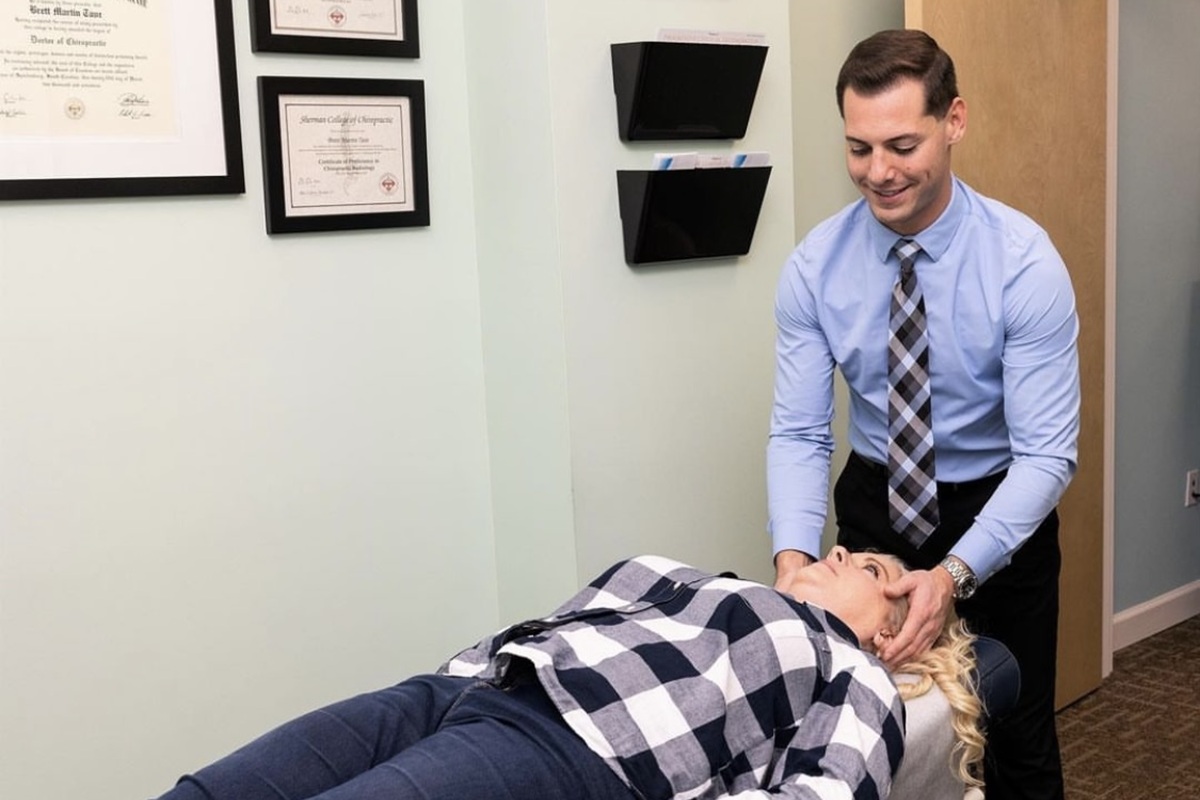
Beyond adjustments, chiropractic care often includes soft tissue techniques to address tight or overworked muscles, mobilization (gentler, sustained movements of the joints), postural retraining, and specific rehabilitative exercises designed to strengthen the muscles that support the cervical spine. At ShoreLife Chiropractic & Wellness, Dr. Brett Tave tailors care to each individual patient — because no two necks (or lifestyles) are exactly alike.
Chiropractic care also integrates naturally with other conservative approaches. Many patients find that combining chiropractic adjustments with guidance on ergonomics, movement habits, and stress management leads to more lasting relief than any single strategy on its own. This is the philosophy that drives care at ShoreLife Chiropractic & Wellness in Brick Township, NJ — treating the whole person, not just the symptom.
Practical Tips for Neck Pain Relief at Home
While professional care is important for persistent or severe neck pain, there are several things you can do at home to support your recovery and reduce the likelihood of future episodes.
Start with your sleep setup. Your pillow plays a bigger role in neck health than most people realize. A pillow that is too high or too flat can keep your neck in a strained position for hours while you sleep. Generally, a pillow that keeps your head in a neutral alignment with your spine — neither tilted up nor down — is ideal. Sleeping on your back or side is typically preferable to sleeping on your stomach, which forces the neck into prolonged rotation.
Next, take an honest look at your workspace. If you’re working from a desk or computer for long hours, your monitor should be at roughly eye level so you’re not constantly looking up or down. Your chair should support your lower back, and your feet should be flat on the floor. These adjustments can make a meaningful difference in reducing the daily strain on your neck.
Throughout your day, take regular movement breaks. Getting up and gently moving your neck through its natural range of motion every hour or so can help prevent the stiffness that builds up during prolonged sitting. Gentle neck stretches — slow, controlled movements without forcing or straining — can help maintain flexibility. If you’re unsure which stretches are right for you, Dr. Brett Tave can walk you through specific exercises during your visit to ShoreLife Chiropractic & Wellness.
Finally, be mindful of how you hold your phone. Looking down at a screen for extended periods is one of the leading contributors to modern-day neck pain. Raising your phone to eye level, using voice-to-text features, and taking breaks from screens are all small habits that add up to meaningful change over time.
When to See a Chiropractor for Neck Pain
Many people wait far longer than necessary before seeking help for neck pain. A good general guideline is this: if your neck pain hasn’t improved significantly after one to two weeks, or if it’s affecting your daily function or sleep, it’s time to have it evaluated.
Chiropractic care is often most effective when started early, before compensatory patterns — like altered posture or muscle guarding — have had time to become deeply ingrained. That said, it’s never too late to seek care. Many patients who have dealt with chronic neck pain for months or even years find meaningful improvement through chiropractic treatment.
There are certain situations where you should seek medical care right away rather than waiting. If your neck pain follows a significant trauma (such as a car accident or a fall), if you experience sudden, severe headache, difficulty swallowing, or neurological symptoms like sudden weakness in the arms or legs, please seek emergency care immediately. These can be signs of more serious conditions that require prompt medical attention.
For the vast majority of neck pain presentations, however, chiropractic care is a safe, appropriate, and evidence-supported first step. If during your evaluation Dr. Brett Tave determines that your condition requires co-management with another healthcare provider or further imaging, he will communicate that clearly and help coordinate that care.
Neck Pain Treatment Approaches Compared
|
Approach |
Method |
Addresses Root Cause? |
Drug-Free? |
Non-Surgical? |
|---|---|---|---|---|
|
Chiropractic Care |
Spinal adjustments, soft tissue therapy, rehab exercises, postural guidance |
Yes — targets joint function and alignment |
Yes |
Yes |
|
Over-the-Counter Pain Medication |
NSAIDs or acetaminophen to reduce pain/inflammation |
No — manages symptoms only |
No |
Yes |
|
Physical Therapy |
Therapeutic exercise, manual therapy, modalities |
Partially — focuses on strength and mobility |
Yes |
Yes |
|
Surgery |
Spinal decompression, fusion, disc replacement |
Yes — for structural pathology |
No (anesthesia used) |
No |
|
Massage Therapy |
Soft tissue manipulation to relax muscles |
Partially — addresses muscle tension |
Yes |
Yes |
Myths vs. Facts About Chiropractic Care for Neck Pain
Myth: Chiropractic neck adjustments are dangerous.
Fact: When performed by a licensed chiropractor, cervical adjustments are considered a safe and well-established treatment for neck pain. As with any healthcare intervention, there are potential risks, which Dr. Brett Tave will discuss with you during your evaluation. The vast majority of patients tolerate cervical adjustments very well and experience meaningful relief. A thorough health history and examination are always performed before any treatment.
Myth: You’ll be dependent on chiropractic care forever.
Fact: Chiropractic care is not designed to create dependency. The goal is to restore your body’s function, reduce pain, and equip you with tools — like exercises and postural habits — that support long-term health. How often you choose to visit a chiropractor after your initial care is complete is entirely up to you.
Myth: Neck pain always goes away on its own, so there’s no need to treat it.
Fact: While mild, short-term neck pain sometimes resolves without treatment, persistent or recurring neck pain is a sign that an underlying mechanical issue may be present. Leaving that unaddressed can lead to worsening symptoms over time. Seeking care early is generally more effective than waiting until the pain becomes severe.
Myth: Chiropractic care is only for back pain.
Fact: While chiropractic is strongly associated with back pain care, the cervical spine is equally within the chiropractor’s scope of practice. Evidence indicates that chiropractic care is effective for neck pain, cervicogenic headaches, and related upper extremity symptoms. Many patients at ShoreLife Chiropractic & Wellness seek care specifically for neck and head-related concerns.
Myth: If I need an adjustment, it means something is “out of place.”
Fact: The idea that vertebrae are literally “out of place” is an oversimplification. What chiropractors are actually addressing is restricted joint movement — areas where the joints aren’t moving with the full range and ease they should. This restriction can cause pain, muscle tightness, and nerve irritation. The adjustment restores motion to those joints, which is why patients often notice immediate improvements in mobility and comfort.
Final Thoughts from ShoreLife Chiropractic & Wellness
Neck pain is common, but it doesn’t have to be your new normal. Whether you’re dealing with a recent flare-up after a long week at your desk, lingering stiffness from an old injury, or chronic tension that just won’t quit, there are real options available to help you feel better — without relying on medication or surgery.
At ShoreLife Chiropractic & Wellness in Brick Township, NJ, Dr. Brett Tave is committed to providing personalized, evidence-informed chiropractic care to the local community. Every patient who walks through the door is treated as an individual, with a thorough evaluation and a care plan designed around their specific needs and goals.
If you’ve been putting off getting your neck checked out, consider this your nudge. The sooner you understand what’s actually driving your pain, the sooner you can start moving, sleeping, and living more comfortably. The team at ShoreLife Chiropractic & Wellness is here to help guide you through every step of that process — and to make sure you feel confident and informed along the way.
We’re proud to serve the Brick Township community and the surrounding areas of Ocean County, NJ. If neck pain has been holding you back, we’d love the opportunity to help you find your way forward.
Frequently Asked Questions
How many chiropractic visits does it take to feel better from neck pain?
This varies depending on how long the pain has been present, its underlying cause, and individual factors like age and overall health. Some patients notice improvement after just a few visits, while others with more chronic or complex conditions may need a longer course of care. Dr. Brett Tave will give you a realistic picture of what to expect after your initial evaluation.
Is it safe to see a chiropractor if I have a herniated disc in my neck?
In many cases, yes — chiropractic care can be appropriate for cervical disc issues, though the approach will be modified based on the specific nature and severity of your condition. A thorough examination and, in some cases, review of imaging will help determine the safest and most effective approach for your situation.
Can chiropractic care help with headaches caused by neck tension?
Cervicogenic headaches — those originating from dysfunction in the cervical spine — are among the conditions that evidence suggests may respond well to chiropractic care. Many patients at ShoreLife Chiropractic & Wellness report significant reduction in headache frequency and intensity with consistent chiropractic treatment.
What should I expect during my first chiropractic visit for neck pain?
Your first visit will typically include a detailed health history, a physical and orthopedic examination of your neck and related structures, and a discussion of your symptoms and goals. Dr. Brett Tave will explain his findings clearly and discuss recommended next steps before any treatment begins.
Can chiropractic care help with neck pain from whiplash?
Whiplash injuries — most commonly caused by rear-end auto accidents — are a well-recognized area of chiropractic care. Research suggests that chiropractic treatment, including spinal manipulation and soft tissue therapy, can be beneficial for whiplash-associated neck pain and stiffness. Early evaluation and treatment are generally recommended for the best outcomes.
Do I need a referral to see a chiropractor for neck pain in New Jersey?
In New Jersey, you do not need a referral from a medical doctor to see a chiropractor. You can contact ShoreLife Chiropractic & Wellness in Brick Township, NJ directly to schedule an evaluation with Dr. Brett Tave at your convenience.
TL;DR
-
Neck pain is extremely common and often stems from poor posture, tech use, stress, injury, or age-related changes in the cervical spine.
-
Chiropractic care offers a drug-free, non-surgical approach that addresses the underlying mechanical causes of neck pain rather than just masking symptoms.
-
Evidence from leading health organizations supports chiropractic care as an effective option for both acute and chronic neck pain.
-
Simple habits — like improving your sleep setup, adjusting your workstation, and taking regular movement breaks — can support your recovery and reduce future episodes.
-
If your neck pain has lasted more than one to two weeks or is affecting your daily life, it’s worth getting evaluated by a chiropractor like Dr. Brett Tave at ShoreLife Chiropractic & Wellness in Brick Township, NJ.