Why You Should See A Chiropractor for Sciatica
If you’ve ever felt a sharp, burning pain shoot from your lower back down through your leg, you already know how disruptive sciatica can be. It doesn’t just hurt — it can make it hard to sit, stand, sleep, or get through a normal workday. Here in Brick Township, NJ, many patients come through the doors of ShoreLife Chiropractic & Wellness describing exactly that experience. The good news? Sciatica is one of the conditions that chiropractic care is especially well-suited to address. Understanding why — and what your options are — can make a real difference in how quickly you find relief.
What Is Sciatica?
Sciatica refers to pain that travels along the path of the sciatic nerve, which runs from the lower back through the hips and buttocks and down each leg. It typically affects one side of the body and can range from a mild ache to a severe, jolting sensation. Sciatica is not a diagnosis on its own — it’s a symptom of an underlying issue affecting the sciatic nerve.
- What Causes Sciatica?
- Signs and Symptoms to Watch For
- How Chiropractic Care Helps with Sciatica
- What to Expect at ShoreLife Chiropractic & Wellness
- Practical Tips for Managing Sciatica at Home
- When to See a Chiropractor for Sciatica
- Myths vs. Facts About Sciatica and Chiropractic Care
- Final Thoughts from ShoreLife Chiropractic & Wellness
What Causes Sciatica?
Sciatica develops when the sciatic nerve becomes compressed, irritated, or inflamed somewhere along its path. The underlying cause matters enormously, because it shapes how the condition should be addressed. While there are several possible causes, the most common culprit is a herniated or bulging disc in the lumbar spine — the lower portion of the back. When a disc slips out of position, it can press directly on the sciatic nerve root, triggering that all-too-familiar pain pattern.
Another frequent cause is lumbar spinal stenosis, a narrowing of the spinal canal that puts pressure on the nerves inside. This tends to be more common in older adults and often comes with leg pain or cramping that worsens with walking or standing. Piriformis syndrome is another possibility — the piriformis muscle, located deep in the buttock, can tighten or spasm and irritate the sciatic nerve as it passes nearby. Degenerative disc disease, vertebral misalignments, and even prolonged sitting can also contribute to sciatic nerve compression over time.
Here in Brick Township, NJ, Dr. Brett Tave at ShoreLife Chiropractic & Wellness sees sciatica linked to a wide range of contributing factors — from physically demanding jobs to long hours sitting at a desk, to old sports injuries that were never fully rehabilitated. No two cases are exactly alike, which is why getting a thorough evaluation is so important before beginning any care plan.
Signs and Symptoms to Watch For
The hallmark of sciatica is pain that radiates from the lower back or buttock down into one leg. That pain can take many forms — some people describe it as a deep, burning ache, while others feel sharp, electric jolts. Some experience a constant dull throb; others notice intermittent shooting pain that catches them off guard. The pattern of where the pain travels can actually offer clues about which nerve root is involved.
Beyond pain, sciatica can produce a range of other sensations. Numbness or tingling down the leg or into the foot is quite common. Some people notice muscle weakness in the affected leg, making it harder to flex the foot or extend the knee properly. In some cases, sitting or coughing can dramatically worsen the discomfort, while walking may temporarily ease it. These variations in presentation are part of what makes sciatica both frustrating and confusing for many patients.
It’s worth noting that not all leg pain is sciatica. Conditions like femoral nerve impingement, peripheral neuropathy, or hip joint problems can mimic sciatic symptoms. That’s why having a skilled clinician — like Dr. Brett Tave at ShoreLife Chiropractic & Wellness — perform a thorough orthopedic and neurological assessment is essential before assuming you know the source of your pain.
How Chiropractic Care Helps with Sciatica
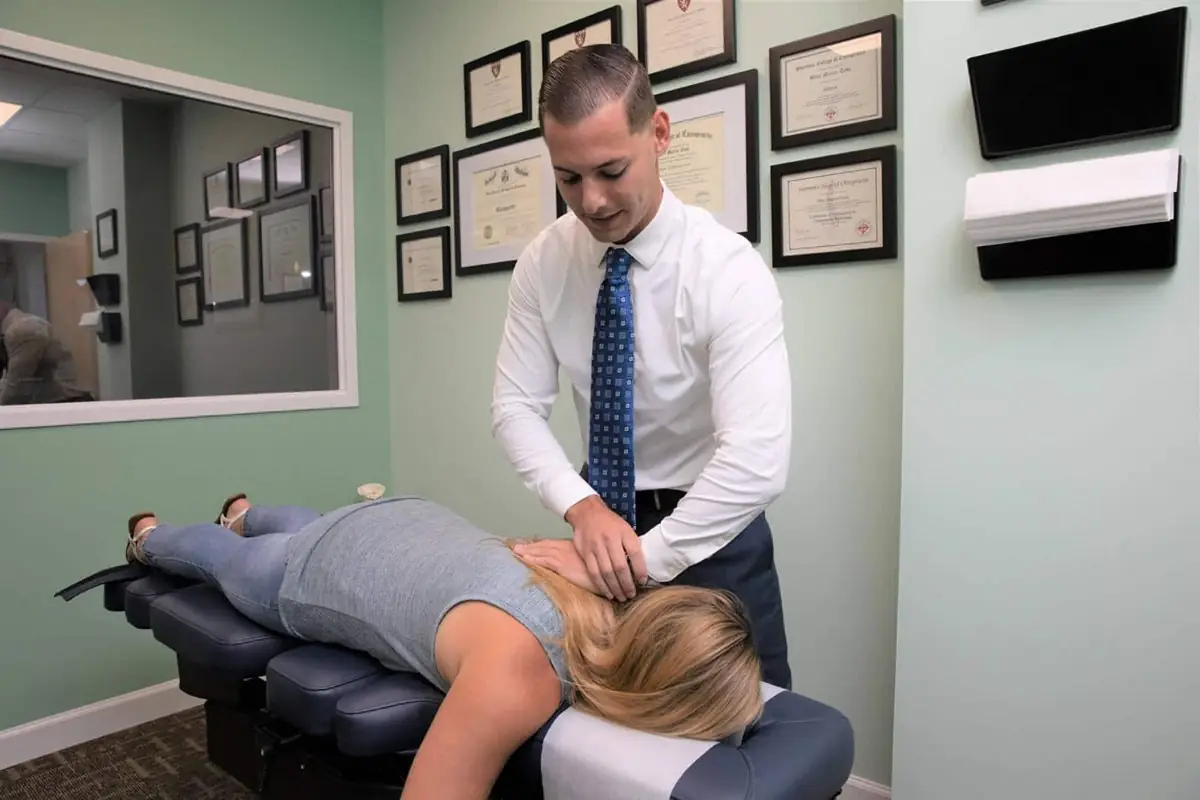
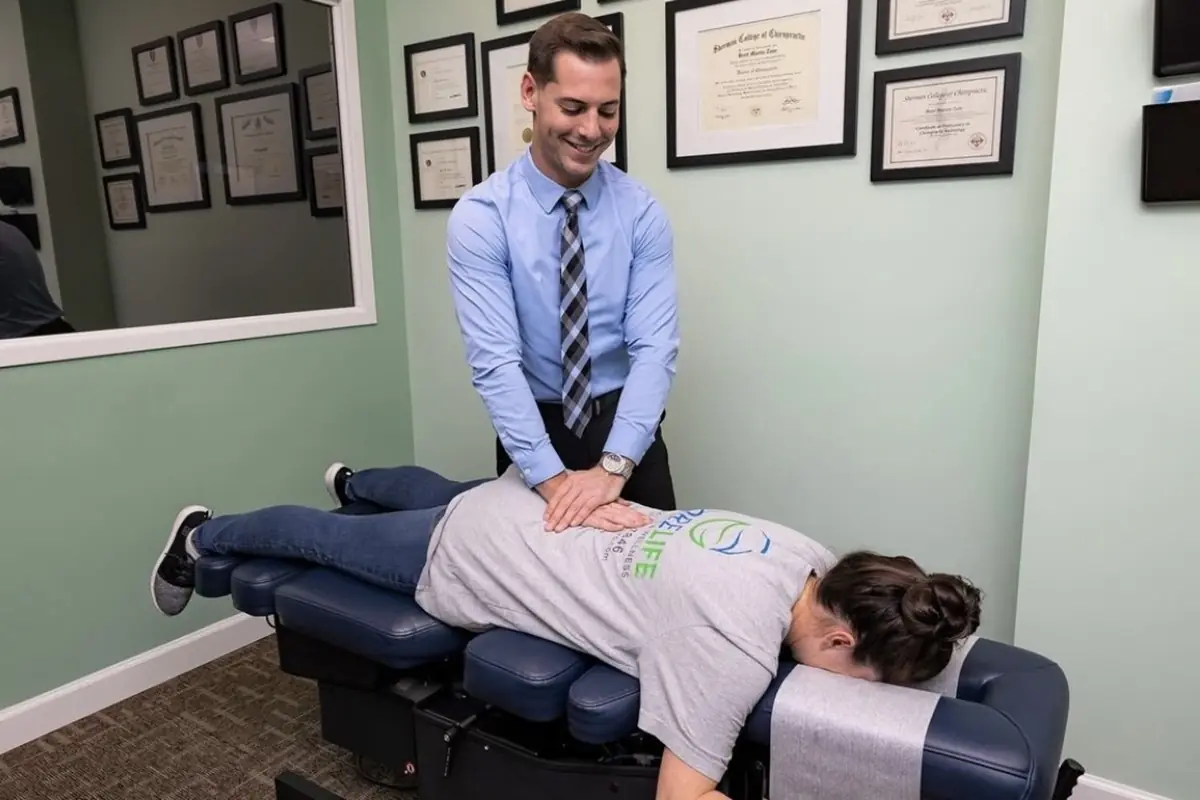
Chiropractic care takes a conservative, non-invasive approach to addressing the root mechanical causes of sciatica. Rather than masking pain with medication, chiropractic focuses on restoring proper alignment, improving spinal mobility, and reducing nerve interference. Research published in peer-reviewed journals and recognized by organizations like the American Chiropractic Association suggests that spinal manipulation can be an effective option for patients dealing with low back pain and related leg symptoms, including those stemming from disc-related sciatica.
When the spine is misaligned — whether due to a herniated disc, joint restriction, or postural imbalance — it can create abnormal pressure on the surrounding nerves. Chiropractic adjustments work to gently restore normal joint movement and reduce that mechanical pressure. Over a series of visits, this can help decrease inflammation, improve nerve function, and allow the body’s natural healing process to do its job more effectively.
Beyond spinal adjustments, chiropractors often incorporate complementary therapies to support sciatic nerve recovery. Soft tissue work targeting the piriformis and surrounding hip muscles, therapeutic stretching protocols, and postural retraining can all play a meaningful role. Evidence from organizations like the National Center for Complementary and Integrative Health (NIH/NCCIH) indicates that multimodal conservative care — combining manual therapy with rehabilitative exercises — tends to produce better outcomes than any single approach on its own.
What chiropractic care does especially well is address the structural and biomechanical factors that created the problem in the first place. This distinguishes it from treatments that only address the symptom of pain, without exploring why the nerve became irritated to begin with.
What to Expect at ShoreLife Chiropractic & Wellness
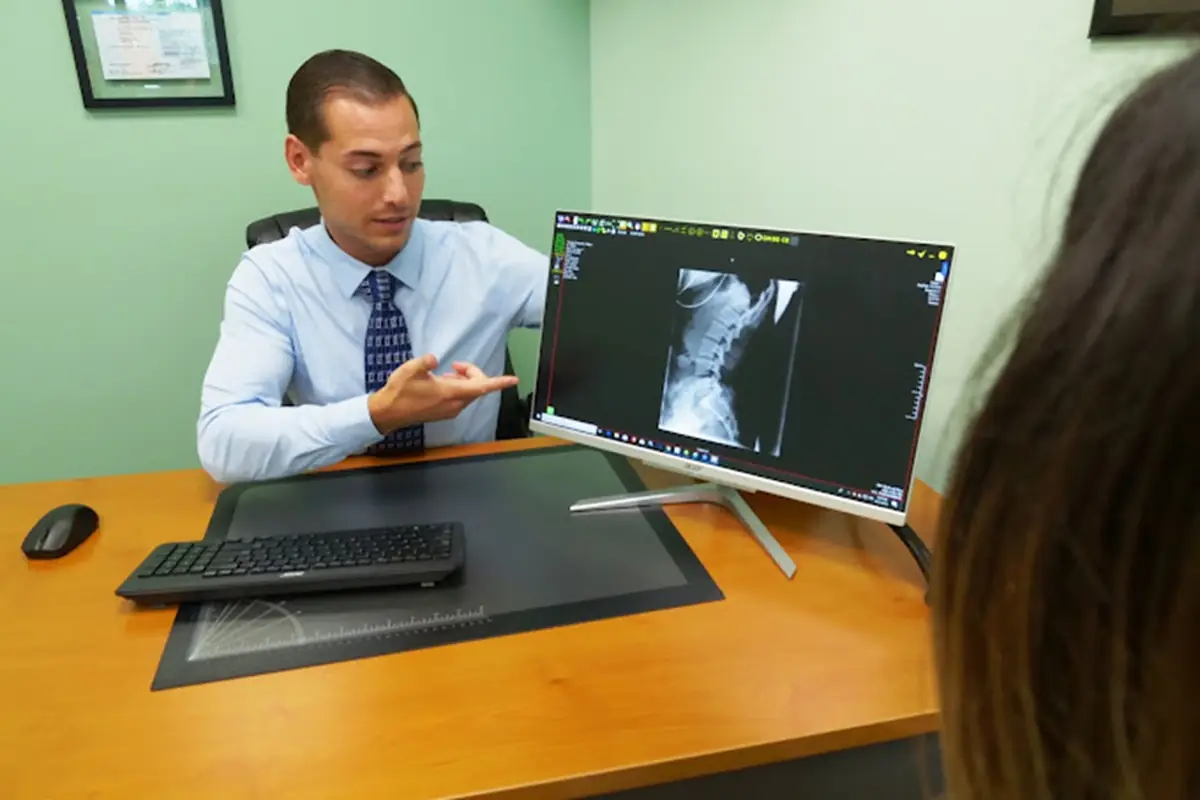
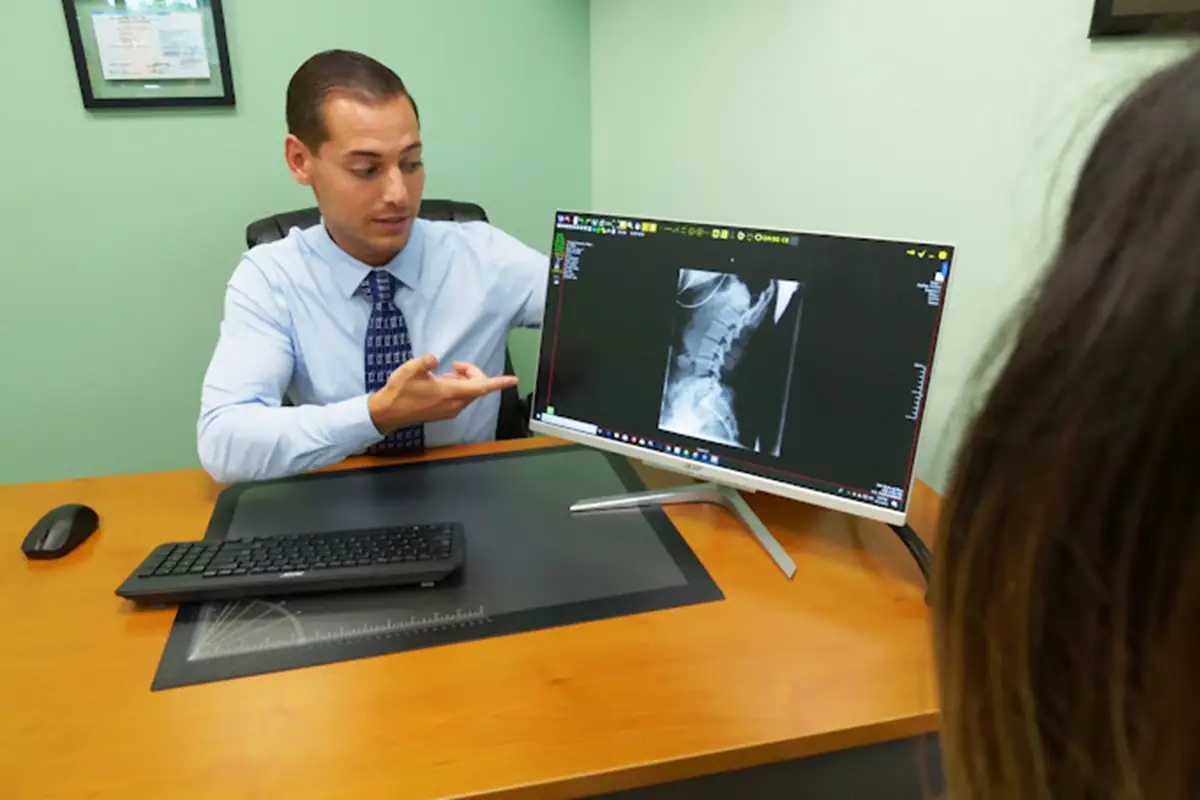
When you come in to see Dr. Brett Tave at ShoreLife Chiropractic & Wellness in Brick Township, NJ, your first visit isn’t just an appointment — it’s a conversation and a thorough assessment. Dr. Tave will take time to understand the full picture of your symptoms: when the pain started, what makes it better or worse, your activity levels, and your health history. This context is essential for identifying what’s actually driving your sciatica.
From there, a hands-on physical examination evaluates spinal range of motion, postural alignment, muscle strength, and neurological function. Orthopedic tests help pinpoint which nerve root may be involved. If imaging is needed to better understand the underlying cause, Dr. Tave will discuss that with you and refer out when appropriate. The goal is always to build a care plan that is tailored to you — not a one-size-fits-all protocol.
Care at ShoreLife Chiropractic & Wellness is designed to be collaborative and educational. You’ll understand what’s happening in your body, why certain adjustments or therapies are being recommended, and what you can do between visits to support your progress. Many patients in the Brick Township community appreciate this approach because it puts them in the driver’s seat of their own recovery.
Practical Tips for Managing Sciatica at Home
While professional care is the cornerstone of effective sciatica management, there are several things you can do at home to support your recovery and avoid making things worse. Movement is generally your friend — prolonged sitting tends to increase pressure on the lumbar discs and sciatic nerve. Try to get up and walk around for a few minutes every hour if your day involves a lot of desk work.
Heat and ice can both offer temporary relief, depending on the phase of your symptoms. Ice tends to be more helpful in the early days when inflammation is high, while heat may provide more comfort once the acute phase passes. Apply either for no more than 15-20 minutes at a time, and always place a cloth between the heat or ice source and your skin to protect it.
Pay attention to your sleeping position as well. Sleeping on your side with a pillow tucked between your knees can help reduce lumbar strain and take pressure off the sciatic nerve. Sleeping flat on your stomach is generally worth avoiding if you have sciatica, as it places the spine in an extended position that can aggravate nerve root irritation.
Ergonomics at work and home matter more than most people realize. Ensuring your chair supports the natural curve of your lower back, that your feet rest flat on the floor, and that your computer screen is at eye level can all reduce the mechanical stress that accumulates in the lower spine over a long day. Dr. Brett Tave often reviews ergonomic habits with patients at ShoreLife Chiropractic & Wellness because small changes in daily environment can make a surprisingly big difference in recovery speed.
When to See a Chiropractor for Sciatica
If you’ve had sciatic pain for more than a few days — especially if it’s interfering with sleep, work, or basic daily activities — it’s a good time to get evaluated. Many people wait too long, hoping the pain will resolve on its own. While mild sciatica sometimes does improve with rest, it often returns without addressing the underlying cause. Getting in early gives you a better chance at a faster, more complete recovery.
Certain signs suggest you should seek care sooner rather than later. If the pain is severe, rapidly worsening, or accompanied by significant leg weakness, it’s important not to delay. And while chiropractic care is appropriate for many causes of sciatica, there are red flags that require immediate medical attention: loss of bladder or bowel control, numbness in the groin or inner thigh, or sudden inability to bear weight on the affected leg. These symptoms can indicate a serious condition called cauda equina syndrome, which requires urgent medical evaluation — not chiropractic care. Dr. Brett Tave is trained to recognize these red flags and will always refer patients to the appropriate level of care when needed.
Sciatica Triggers vs. Chiropractic-Friendly Corrections
| Common Sciatica Trigger | Conservative Correction or Strategy |
|---|---|
| Herniated lumbar disc compressing nerve root | Chiropractic spinal adjustments to reduce disc pressure and restore alignment |
| Tight piriformis muscle irritating sciatic nerve | Soft tissue therapy and targeted hip stretching protocols |
| Prolonged sitting with poor lumbar support | Ergonomic seating adjustments, regular movement breaks every hour |
| Lumbar joint restriction reducing spinal mobility | Chiropractic manipulation to restore proper joint movement |
| Weak core and hip stabilizer muscles | Rehabilitative exercises targeting lumbar support musculature |
| Poor sleep posture compressing lumbar spine | Side-lying position with pillow between knees to maintain spinal alignment |
Myths vs. Facts About Sciatica and Chiropractic Care
Myth: Sciatica always requires surgery to fix.
Fact: The vast majority of sciatica cases resolve with conservative, non-surgical care. Organizations like the American College of Physicians (ACP) recommend non-invasive approaches — including spinal manipulation — as a first-line treatment for low back pain and related nerve symptoms before considering surgical options. Surgery is typically reserved for cases where conservative care has failed over an extended period, or when there is a serious neurological emergency.
Myth: Rest is the best treatment for sciatica.
Fact: While it may feel tempting to stay in bed when sciatic pain flares up, prolonged bed rest can actually make things worse. Gentle movement, walking, and appropriate therapeutic exercises tend to support recovery better than inactivity. The goal is to find a level of movement that doesn’t aggravate symptoms while keeping the body from stiffening up around the irritated nerve.
Myth: Chiropractic adjustments are dangerous for sciatica.
Fact: When performed by a trained chiropractor who has completed a thorough assessment, spinal adjustments for sciatica are considered a safe and well-tolerated approach for the appropriate candidate. Chiropractors are trained to identify contraindications — situations where adjustments are not appropriate — and will modify or refer care accordingly. Dr. Brett Tave always conducts a full evaluation before recommending any spinal care.
Myth: Sciatica only affects older people.
Fact: While the risk of certain underlying causes — like degenerative disc disease or spinal stenosis — does increase with age, sciatica can and does affect people of all ages. Athletes, young professionals who sit for long hours, and even teenagers can develop sciatic nerve irritation. The cause may differ by age group, but the nerve pain itself is not exclusively an older adult problem.
Myth: If the pain goes away, the problem is solved.
Fact: Pain relief is an important milestone, but it doesn’t necessarily mean the underlying structural issue has fully resolved. Spinal misalignments, disc vulnerabilities, and muscle imbalances can persist even after symptoms ease — which is why sciatica has a tendency to return if the root cause isn’t addressed. Ongoing chiropractic care and rehabilitative exercise help reduce the likelihood of recurrence.
Final Thoughts from ShoreLife Chiropractic & Wellness
Living with sciatica doesn’t have to be your new normal. The pain, tingling, and limitation that come with sciatic nerve irritation are real — but so is the possibility of meaningful relief through the right care. Here in Brick Township, NJ, Dr. Brett Tave and the team at ShoreLife Chiropractic & Wellness are committed to helping members of our community move better, feel better, and understand what’s happening in their bodies.
Chiropractic care isn’t a magic fix, and no honest provider will promise you that. What it offers is a thorough, drug-free, non-surgical approach that gets to the mechanical root of your symptoms. Combined with education, home strategies, and a personalized care plan, many patients find that chiropractic makes a profound difference in their quality of life. If sciatica has been holding you back, there’s no better time than now to take that first step toward finding out what’s causing it — and what can be done about it.
The team at ShoreLife Chiropractic & Wellness is here for the Brick Township community and surrounding areas in NJ. We welcome patients who are dealing with new sciatica flare-ups, chronic recurring pain, or anything in between. You deserve care that takes your symptoms seriously and treats you as a whole person — not just a set of symptoms on a chart.
Frequently Asked Questions
How long does it take for chiropractic care to help sciatica?
The timeline varies depending on the underlying cause, severity of the nerve irritation, and how long you’ve had symptoms. Some patients notice improvement within a few visits, while others with more complex or long-standing cases may require several weeks of consistent care. Dr. Brett Tave will give you a realistic sense of what to expect during your initial evaluation at ShoreLife Chiropractic & Wellness.
Can a chiropractor make sciatica worse?
When care is based on a thorough assessment, chiropractic for sciatica is generally safe. Chiropractors are trained to identify when spinal manipulation is not appropriate and will adjust their approach — or refer out — accordingly. It’s always important to communicate openly with your provider about any changes in your symptoms.
Is sciatica the same as a herniated disc?
Not exactly. A herniated disc is one of the most common causes of sciatica, but sciatica simply refers to the symptom pattern — pain radiating along the sciatic nerve path. Other causes, such as piriformis syndrome or spinal stenosis, can produce the same sciatic pain pattern without involving a herniated disc.
Should I see a chiropractor or a physical therapist for sciatica?
Both chiropractors and physical therapists can play a helpful role in managing sciatica, and in many cases a collaborative approach works well. Chiropractors focus on spinal alignment, joint function, and nerve interference, while physical therapists often emphasize strengthening and movement rehabilitation. Dr. Brett Tave at ShoreLife Chiropractic & Wellness integrates rehabilitative approaches into care and will refer to other providers when it benefits the patient.
Can sciatica go away on its own?
Mild sciatica sometimes does improve without treatment, particularly if it was triggered by a temporary irritant like a brief muscle spasm. However, sciatica caused by a herniated disc, spinal stenosis, or persistent structural issues is unlikely to fully resolve without addressing the underlying cause. Getting evaluated helps you understand what you’re dealing with and whether intervention is advisable.
What activities should I avoid if I have sciatica?
Activities that significantly worsen your symptoms — such as heavy lifting with poor form, prolonged sitting without breaks, or high-impact exercise during a flare-up — are generally best minimized until your condition is properly assessed. That said, complete inactivity is not recommended either. Gentle walking and movement-friendly activities are usually encouraged within a comfortable range.
TL;DR — Key Takeaways
- Sciatica is pain that travels along the sciatic nerve from the lower back into the leg, usually caused by nerve compression from a herniated disc, spinal stenosis, or tight muscles like the piriformis.
- Chiropractic care addresses the mechanical root causes of sciatica through spinal adjustments, soft tissue therapy, and rehabilitative guidance — without drugs or surgery.
- Not all leg pain is sciatica, and not all sciatica has the same cause — a thorough evaluation by Dr. Brett Tave at ShoreLife Chiropractic & Wellness in Brick Township, NJ is the essential first step.
- Red flags like loss of bladder or bowel control require immediate medical attention, not chiropractic care — a good chiropractor will always recognize and communicate this.
- Home strategies like movement breaks, ergonomic improvements, and proper sleep posture can support your recovery between chiropractic visits.

Dr. Tave is a New Jersey native born and raised in Monmouth County. He did his undergraduate studies in Long Branch, NJ at Monmouth University. He then went on to obtain his Doctorate in Chiropractic in South Carolina at Sherman College of Chiropractic.