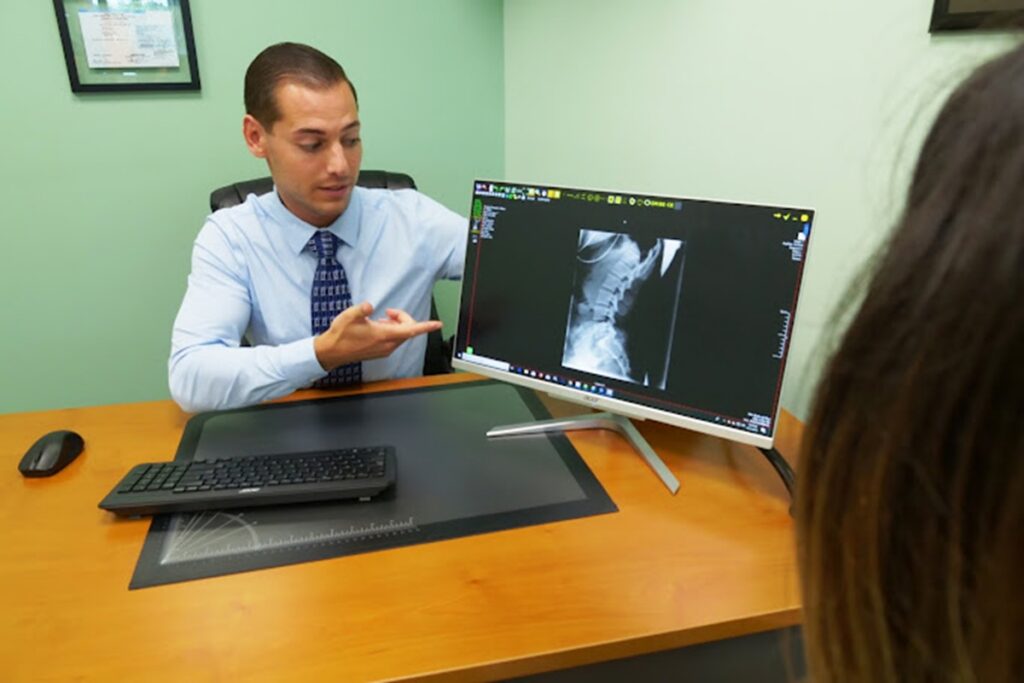
When it comes to managing tension headaches, many people instinctively reach for medication for quick relief. However, this approach often misses the root causes of your pain. Instead of solely relying on pills, consider exploring targeted techniques that can effectively address issues like muscle tension and stress. As a chiropractor, I believe that understanding and implementing these methods not only helps prevent future headaches but also promotes your overall well-being.
Chiropractic care plays a crucial role in this process. By focusing on spinal health, we can alleviate tension in the muscles surrounding the neck and head, which are often significant contributors to headaches. Regular adjustments can help restore proper alignment and function of the spine, reducing stress on your nervous system and easing muscle tension.
In addition to chiropractic adjustments, here are some practical strategies you can implement to break the cycle of tension headaches:
- Posture Awareness: Good posture is vital. Keep your shoulders back and your head aligned with your spine, especially when sitting for long periods.
- Stretching and Movement: Incorporate gentle stretches into your daily routine to relieve muscle tension. Simple neck and shoulder stretches can make a big difference.
- Stress Management: Practice relaxation techniques such as deep breathing, meditation, or yoga to help manage stress levels.
- Hydration and Nutrition: Staying well-hydrated and maintaining a balanced diet can reduce headache triggers. Make sure to drink plenty of water and eat nutrient-rich foods.
- Regular Chiropractic Visits: Frequent chiropractic care can help maintain spinal health and prevent the recurrence of tension headaches.
By focusing on these holistic approaches, you can achieve natural relief and promote a healthier lifestyle. Remember, managing your tension headaches doesn’t have to rely on medications; with the right techniques and chiropractic care, you can find lasting relief and enhance your overall health.
Key Takeaways
Why Choose Techniques for Tension Headache Relief?
- Techniques for tension headache relief focus on the root causes of discomfort, promoting lasting wellness instead of just temporary fixes. By addressing these underlying issues, we can pave the way for a healthier, more fulfilling life.
- Chiropractic care is a natural approach to pain relief. By aligning the spine, we not only reduce muscle tension but also enhance the function of the nervous system, helping your body heal itself more effectively.
- Opting for nonpharmaceutical methods like chiropractic care, physical therapy, mindfulness, and yoga means fewer worries about medication side effects or dependency. These holistic practices empower you to take charge of your health without relying on drugs.
- Creating an ergonomic workspace and practicing good posture can drastically lessen the frequency and intensity of tension headaches. Small adjustments, like positioning your monitor at eye level and using a supportive chair, can make a big difference.
- Incorporating simple lifestyle strategies such as staying hydrated, managing stress through relaxation techniques, and maintaining consistent sleep patterns can significantly improve your overall health and help prevent headaches.
By prioritizing chiropractic care and these practical tips, you can achieve optimal health and a better quality of life, free from the burden of tension headaches. Your journey to wellness starts here!
Understanding Tension Headaches
Tension headaches, often described as feeling like a tight band around your head, are frequently caused by stress, poor posture, or muscle tension. You may notice these headaches creeping in after a long day at work or during stressful moments in your life. Unlike migraines, tension headaches typically don’t involve nausea or sensitivity to light. Instead, you may experience a dull, aching pain that can persist for hours or even days.
Understanding the root causes of these headaches is crucial for finding relief, and this is where chiropractic care can make a significant difference. When your muscles tighten due to stress or improper posture, they can create pressure in your head and neck, leading to discomfort. By addressing these issues through chiropractic adjustments, we can help alleviate the tension in your muscles and improve spinal alignment, which is essential for overall wellness.
Here are some helpful tips to manage and prevent tension headaches:
- Practice Good Posture: Make sure your workstation is ergonomically designed to reduce strain on your neck and shoulders. Keep your computer screen at eye level and take regular breaks to stretch and move around.
- Stay Hydrated: Drinking enough water throughout the day can help prevent headaches. Dehydration can contribute to muscle tension and discomfort.
- Manage Stress: Incorporate relaxation techniques into your daily routine, such as deep breathing exercises, yoga, or meditation. These practices can help reduce stress and muscle tension.
- Regular Chiropractic Care: Regular visits to a chiropractor can help maintain proper spinal alignment and relieve muscle tension, which is key to preventing tension headaches.
- Get Enough Sleep: Aim for a consistent sleep schedule and ensure you’re getting quality rest. Poor sleep can exacerbate tension and lead to headaches.
Common Triggers for Tension Headaches
When it comes to tension headaches, identifying common triggers can be an important step toward achieving effective relief. Recognizing what sets off your tension headaches allows you to make simple lifestyle adjustments that can help prevent them. Here are some common triggers to keep an eye on, along with tips on how chiropractic care can support your journey to wellness:
- Stress: Daily pressures from work, family, or personal matters can lead to muscle tension and headaches. Incorporating regular chiropractic adjustments can help reduce stress by promoting relaxation and improving spinal alignment, which may alleviate tension in the neck and shoulders.
- Poor posture: Slouching or hunching over a computer can strain your neck and shoulder muscles, leading to discomfort. Chiropractic care emphasizes proper spinal alignment and posture correction. By addressing these issues, you can reduce the likelihood of developing tension headaches.
- Dehydration: Not drinking enough water can lead to headaches, as your body relies on proper hydration for optimal function. Staying hydrated is crucial, but combining hydration with chiropractic care can enhance overall wellness and help maintain your body’s natural balance.
The Limitations of Medication
While medication might provide quick relief for tension headaches, it’s essential to understand its limitations and consider a more holistic approach. Many medications can come with unwanted side effects or lead to dependency, which may complicate your overall health. Additionally, they often only offer temporary relief, leaving the root causes of your discomfort unresolved.
As a local chiropractor, I believe that chiropractic care can be a more effective way to manage tension headaches and promote overall wellness. By addressing spinal alignment and ensuring your nervous system functions optimally, we can help alleviate pain naturally and prevent future headaches.
Here are some tips to consider for managing tension headaches without relying on medication:
- Stay Hydrated: Dehydration can trigger headaches, so make sure to drink plenty of water throughout the day.
- Practice Good Posture: Poor posture can contribute to tension in your neck and shoulders. Be mindful of your posture, especially when sitting at a desk or using a computer.
- Incorporate Stretching: Gentle neck and shoulder stretches can relieve tension and help keep your muscles relaxed.
- Manage Stress: Stress is a common trigger for tension headaches. Consider incorporating relaxation techniques such as deep breathing, meditation, or yoga into your routine.
- Regular Chiropractic Adjustments: Regular visits to your chiropractor can help maintain proper spinal alignment and support your body’s natural healing processes.
Side Effects and Risks
While medication can offer quick relief for tension headaches, it’s important to consider the potential side effects and risks that come with relying on them. Many people may not realize that using medication can lead to discomfort and complications that could affect your daily life. Common side effects include:
- Drowsiness or dizziness, which can interfere with your daily activities and overall productivity.
- Stomach upset or nausea, making it difficult to eat or stay focused on tasks at hand.
- Allergic reactions, which could manifest as rashes or even breathing difficulties.
These side effects can vary depending on the type of medication and your individual health. While finding relief from pain is crucial, understanding these risks helps you make informed choices about managing your headaches.
Instead of turning to medication, consider exploring chiropractic care as a natural and effective alternative. Chiropractic adjustments target the root causes of tension headaches, such as spinal misalignments and muscle tension. By restoring proper alignment in the spine, chiropractic care can help alleviate pain and promote overall wellness without the unwanted side effects of medications.
In addition to chiropractic care, here are some general tips to help manage tension headaches naturally:
- Stay Hydrated: Dehydration can trigger headaches, so drink plenty of water throughout the day.
- Practice Good Posture: Maintain proper posture while sitting and working to reduce strain on your neck and back.
- Incorporate Relaxation Techniques: Try deep breathing exercises, meditation, or yoga to help relieve stress and tension.
- Get Regular Exercise: Physical activity can improve circulation and reduce the frequency of headaches.
- Prioritize Sleep: Aim for consistent and restful sleep to help your body recover and reduce headache triggers.
Dependency and Tolerance Issues
As you seek relief from tension headaches, it’s essential to be aware of the potential for dependency and tolerance that can arise from medication use. Many individuals often turn to over-the-counter pain relievers for quick fixes, but relying on these medications too frequently can lead to diminished effectiveness over time. This might mean needing higher doses to achieve the same relief, which increases the risk of unwanted side effects and can create a cycle of dependence that’s hard to break.
Instead of solely leaning on pills, I encourage you to explore chiropractic care as a natural and effective solution for managing headaches. Chiropractic adjustments can help alleviate tension in your spine and improve overall nervous system function, which can significantly reduce the frequency and intensity of headaches. By addressing the root cause rather than masking symptoms, chiropractic care promotes long-term wellness and helps you manage headaches more effectively.
In addition to seeking chiropractic treatment, here are some general tips to help you manage tension headaches naturally:
- Stay Hydrated: Dehydration can contribute to headaches, so make sure you’re drinking enough water throughout the day.
- Practice Good Posture: Poor posture can strain your neck and back, leading to tension headaches. Be mindful of your posture, especially if you spend long hours at a desk.
- Incorporate Relaxation Techniques: Stress is a common trigger for headaches. Techniques such as deep breathing, meditation, or yoga can help you unwind and reduce tension.
- Regular Exercise: Physical activity can help reduce stress and improve overall health. Aim for regular exercise to keep your body and mind in balance.
- Get Adequate Sleep: Lack of sleep can exacerbate headaches. Establish a regular sleep schedule and create a calming bedtime routine to ensure restful nights.
Short-Term Relief Only
Many people experience tension headaches and often turn to medication for quick relief. While these pills may offer temporary comfort, it’s essential to recognize that they do not tackle the underlying issues causing your headaches. This can lead to a cycle where you find yourself reaching for medication more often, without truly solving the problem.
Let’s consider some important points:
- Medications can simply mask the symptoms instead of addressing the root cause of your pain.
- Overuse of these medications can result in rebound headaches, potentially worsening your situation.
- Many medications come with side effects that can negatively impact your overall health.
Instead of relying solely on medication, chiropractic care offers a natural and effective solution for headache relief. By focusing on spinal health, a chiropractor can help identify misalignments that may contribute to tension headaches. Here are some tips and tricks to enhance your wellness journey:
- Regular Chiropractic Adjustments: Routine visits to a chiropractor can help keep your spine aligned, reduce tension, and promote optimal nervous system function.
- Posture Awareness: Pay attention to your posture, especially if you sit for long periods. Proper ergonomics can reduce strain on your neck and shoulders, helping to prevent headaches.
- Hydration: Drink plenty of water throughout the day. Dehydration can trigger headaches, so staying hydrated is crucial.
- Stress Management: Incorporate relaxation techniques such as deep breathing, meditation, or gentle yoga into your routine to help alleviate tension.
- Proper Sleep: Ensure you are getting quality sleep. A comfortable mattress and pillow support can make a significant difference in reducing headache frequency.
Benefits of Non-Pharmaceutical Approaches
Non-pharmaceutical approaches to managing tension headaches can significantly enhance your overall well-being, and as a chiropractor, I believe that chiropractic care is one of the most effective ways to achieve this. By focusing on spinal health, chiropractic adjustments can help relieve tension in the neck and shoulders, which often contributes to headache discomfort.
In addition to chiropractic care, techniques such as mindfulness, yoga, and physical therapy can empower you to take control of your health. These practices not only help alleviate pain but also improve your connection between body and mind. Incorporating regular chiropractic visits into your routine can enhance the effectiveness of these methods, supporting your body’s natural healing processes.
One of the advantages of choosing chiropractic care and other non-pharmaceutical techniques is the reduced risk of side effects often associated with medications. This makes chiropractic a safer choice for long-term health management. As you integrate these strategies, you may also find that your stress management skills improve, leading to a more relaxed lifestyle.
Moreover, adopting healthier habits, such as engaging in regular exercise and establishing better sleep patterns, can complement your chiropractic care and contribute to your overall health. Here are a few tips to help you maintain a balanced and fulfilling life while managing tension headaches:
- Stay Hydrated: Drinking plenty of water can help prevent dehydration, which may trigger headaches.
- Practice Good Posture: Maintaining proper posture while sitting and standing can reduce strain on your neck and spine.
- Take Breaks: If you work at a desk, remember to take short breaks to stretch and move around.
- Incorporate Stretching: Gentle neck and shoulder stretches can relieve tension and improve flexibility.
- Prioritize Sleep: Aim for a consistent sleep schedule to help your body recover and manage stress more effectively.
Relaxation Techniques for Immediate Relief
When tension headaches strike, finding quick relief is essential, and one of the best ways to achieve that is through natural relaxation techniques. As a chiropractor, I often recommend deep breathing exercises and progressive muscle relaxation. These methods not only calm your mind but also help alleviate the tightness in your muscles, promoting a sense of comfort and well-being.
Deep breathing can be done anywhere and takes just a few moments. Try inhaling deeply through your nose, allowing your abdomen to expand, and then exhaling slowly through your mouth. This practice increases oxygen flow and can help reduce tension in your body.
Progressive muscle relaxation involves systematically tensing and then relaxing different muscle groups. Start from your toes and work your way up to your head, focusing on releasing any tightness you may feel. This technique is particularly effective in relieving the physical symptoms associated with tension headaches.
In addition to these relaxation techniques, remember that regular chiropractic care can play a crucial role in maintaining optimal health and preventing headaches. By addressing spinal alignment and improving overall function, chiropractic adjustments can reduce the frequency and intensity of headaches. Embracing a healthier lifestyle through regular movement, proper hydration, and stress management can also contribute to your overall well-being.
Deep Breathing Exercises
Deep breathing exercises can be a fantastic tool for managing tension headaches, promoting both mental and physical relaxation. As a chiropractor, I emphasize the importance of a holistic approach to health, and deep breathing is a simple yet effective method to help alleviate discomfort. Here’s how you can incorporate this practice into your routine:
- Find a comfortable position: Choose a quiet spot where you can either sit or lie down. Closing your eyes may enhance relaxation, allowing you to focus inward.
- Inhale deeply: Take a slow, deep breath in through your nose for a count of four. As you do this, allow your abdomen to expand fully. This deep inhalation helps to provide your body with more oxygen, which is essential for reducing tension.
- Exhale gently: Slowly release your breath through your mouth for a count of six. As you exhale, visualize all the tension leaving your body. This process of mindful breathing can significantly contribute to your overall sense of well-being.
Repeat these steps several times, and you may notice a reduction in headache intensity, along with a greater feeling of relaxation. Integrating deep breathing into your daily routine not only aids in headache relief but also supports your journey toward optimal health.
Progressive Muscle Relaxation
Practicing progressive muscle relaxation (PMR) can be a fantastic way to relieve tension headaches naturally and effectively. By systematically tensing and relaxing each muscle group, you’ll not only release built-up tension throughout your body but also promote a sense of overall well-being. This technique complements chiropractic care beautifully, as it enhances your body’s natural ability to heal itself.
Begin with your toes and work your way up to your head, paying careful attention to each area. Here’s a simple guide to help you through the process:
| Tense Muscle Group | Relaxation Process |
|---|---|
| Toes | Curl them tightly for 5 seconds, then release and feel the tension melt away. |
| Arms | Clench your fists firmly, hold for a moment, and then let go, noticing the relaxation that follows. |
| Shoulders | Raise them up towards your ears, hold briefly, then drop them down, allowing any tightness to dissipate. |
| Face | Scrunch all your facial muscles tightly, then release, feeling your facial tension ease. |
Incorporating PMR into your daily routine not only calms your muscles but also helps clear your mind, providing immediate relief from headache discomfort. Remember, consistent practice of relaxation techniques like PMR can enhance the benefits of chiropractic care, helping you achieve optimal health and wellness.
For a healthier lifestyle, consider making adjustments to your daily habits, such as staying hydrated, maintaining good posture, and engaging in regular physical activity. These practices, combined with chiropractic care, can significantly improve your overall health and well-being.
The Role of Physical Therapy
Chiropractic care offers a natural and effective approach to alleviating tension headaches by addressing the underlying musculoskeletal issues. By visiting a skilled chiropractor, you’ll discover techniques that can help relieve the pain and tension contributing to your headaches.
- Posture Improvement: Your chiropractor will assess your posture and provide tailored adjustments and exercises that help align your spine. This can significantly reduce strain on your neck and shoulders, which are often culprits for tension headaches.
- Strengthening Techniques: Through specific exercises, you can strengthen the muscles that may be weak or imbalanced, promoting better support for your head and neck. This not only helps in reducing headaches but also improves your overall posture and stability.
- Hands-On Adjustments: Chiropractic adjustments involve gentle manipulation of the spine and surrounding areas. These techniques can relieve tightness in muscles and fascia, which often contribute to headache symptoms.
Beyond these techniques, here are some general tips you can incorporate into your daily routine to help manage and prevent tension headaches:
- Stay Hydrated: Make sure you’re drinking enough water throughout the day to prevent dehydration, which can lead to headaches.
- Practice Relaxation Techniques: Incorporate stress-reducing activities like deep breathing, yoga, or meditation into your routine to help manage tension levels.
- Take Breaks from Screens: If you spend a lot of time in front of a computer or phone, take regular breaks to rest your eyes and stretch your neck and shoulders.
- Maintain a Healthy Lifestyle: Eating a balanced diet, getting regular exercise, and ensuring you get enough sleep can all contribute to reducing the frequency and intensity of tension headaches.
Mindfulness and Meditation Practices
While tension headaches can be quite uncomfortable, there are natural ways to find relief that align beautifully with chiropractic care. One highly effective method is incorporating mindfulness and meditation practices into your daily routine. These techniques allow you to focus on the present moment, which can significantly reduce the stress and tension that often trigger headaches.
To get started, dedicate just a few minutes each day to simple breathing exercises. Find a quiet space, close your eyes, and take deep, calming breaths. As you inhale, fill your lungs completely, and as you exhale, consciously relax your body. Pay close attention to areas where you may be holding tension, such as your neck or shoulders, and let that tension go with each breath out.
Guided meditation can also be beneficial. It provides a structured way to navigate your thoughts and emotions, helping you to let go of what might be contributing to your discomfort. By incorporating these practices regularly, you’ll likely find it easier to manage the stressors that lead to tension headaches.
Chiropractic care can also play an essential role in your overall wellness. Regular adjustments can help align your spine, reduce muscle tension, and promote better posture, all of which can contribute to fewer headaches.
Consistency is vital, so aim to make mindfulness and chiropractic care a regular part of your health routine. Over time, you’ll not only improve how you respond to headaches but also enhance your overall well-being. Remember, natural healing is always within reach, and chiropractic care is a fantastic choice for achieving optimal health.
Lifestyle Changes to Prevent Tension Headaches
Integrating mindfulness and meditation into your daily routine can pave the way for lifestyle changes that help prevent tension headaches, while also supporting your overall spinal health. By making conscious choices in your everyday life, you can create a more nurturing environment for your well-being. Here are three essential changes to consider, all of which can be complemented by chiropractic care for optimal results:
- Improve your posture: Pay attention to how you sit and stand throughout the day. Proper alignment is crucial not only for your spine but also for reducing strain on your neck and shoulders, which are common culprits in tension headaches. Regular chiropractic adjustments can help maintain this alignment and alleviate discomfort.
- Stay hydrated: Drinking enough water is vital for your overall health. Dehydration can lead to headaches, so aim for at least eight glasses of water a day. Staying well-hydrated supports your body’s functions, including those related to spinal health, and can enhance the effectiveness of chiropractic care.
- Prioritize sleep: Establishing a consistent sleep schedule is key for recovery and stress management. Lack of sleep can increase tension and make you more susceptible to headaches. Chiropractic care can help improve your sleep quality by addressing any underlying spinal issues that may be disrupting your rest.
Incorporating these strategies into your lifestyle not only helps prevent tension headaches but also complements the benefits of chiropractic care, promoting a healthier, more balanced life. Remember, maintaining a healthy spine is essential for achieving optimal health and well-being.
Incorporating Stretching and Exercise
Incorporating stretching and exercise into your daily routine can significantly alleviate tension headaches. As a chiropractor, I often emphasize the importance of maintaining a healthy spine and overall well-being through natural methods. Gentle stretches and regular physical activity not only relieve muscle tension but also promote better posture and spinal health, which are crucial for preventing headaches.
Here are some effective exercises and stretches you can easily integrate into your day to help find relief:
- Neck Stretches: Gently tilt your head to one side, bringing your ear toward your shoulder. Hold for 15-30 seconds and switch sides. This stretch helps relax the muscles around your neck and can reduce headache tension.
- Shoulder Rolls: Sit or stand comfortably and roll your shoulders forward in a circular motion for 10 repetitions, then roll them backward. This simple movement can relieve tightness in your upper back and shoulders.
- Chin Tucks: While sitting or standing, gently tuck your chin toward your chest. Hold for a few seconds and release. This exercise helps improve posture and can alleviate strain on your neck.
- Gentle Walking: Engaging in regular walking not only boosts circulation but also helps clear your mind and reduce stress, which are key contributors to tension headaches.
- Spinal Stretch: While seated, twist your torso to one side, using the armrest for support. Hold for a few seconds and switch sides. This stretch can help maintain spinal flexibility and relieve tension.
In addition to these stretches and exercises, remember to stay hydrated and take regular breaks from screens to avoid strain. Chiropractic care can also play a significant role in managing headache pain by ensuring your spine is properly aligned and free from tension. Regular adjustments can help maintain your overall spinal health, leading to fewer headaches and improved well-being.
Benefits of Stretching
As a local chiropractor, I want to share with you the incredible benefits of stretching, especially when it comes to relieving tension headaches and enhancing your overall well-being. Incorporating regular stretching into your daily routine can be a natural and effective way to combat discomfort, and I believe it’s an essential part of a healthy lifestyle. Here are some key advantages to consider:
- Increased Flexibility: Stretching is an excellent way to maintain and improve your flexibility, which is crucial for keeping your spine healthy. By reducing stiffness in the neck and shoulders, you can enhance your range of motion and prevent discomfort.
- Improved Circulation: When you stretch, you promote blood flow throughout your body. This increased circulation helps deliver essential nutrients and oxygen to your muscles, which can alleviate tension and support your overall spinal health.
- Stress Relief: Regular stretching can be a wonderful way to lower stress levels and promote relaxation. Stress is a common trigger for headaches, so by incorporating stretching exercises into your routine, you can help keep those headaches at bay.
Exercise Recommendations for Relief
Finding relief from tension headaches often starts with understanding how our spine and overall posture can impact our well-being. As a chiropractor, I can tell you that incorporating targeted exercises and stretches can significantly improve your comfort and help alleviate headaches naturally.
Begin with gentle neck and shoulder stretches. Try tilting your head from side to side or rolling your shoulders forward and backward. These simple movements can release built-up tension and promote better spinal alignment.
In addition to stretching, engaging in regular aerobic exercises like walking or cycling for at least 30 minutes a few times a week can be beneficial. These activities not only increase blood flow but also help to reduce overall tension in your body, making them great for headache relief.
Yoga and Pilates are excellent options as well. They focus on relaxation and improving your posture, which is essential for preventing headache triggers. Plus, they encourage mindfulness, which can help you manage stress more effectively.
Always pay attention to your body. If any movement makes your headache worse, stop immediately. By regularly practicing these exercises and stretches, you can work towards long-term relief from tension headaches.
Seeking Professional Guidance
While you might explore various self-help techniques to alleviate tension headaches, consulting a chiropractor can offer deeper insights and more effective natural treatments. A chiropractor specializes in understanding the relationship between the spine, nervous system, and overall health, and can help you identify the specific causes of your headaches.
Here are some compelling reasons to consider chiropractic care for managing tension headaches:
- Spinal Alignment: Many tension headaches stem from misalignments in the spine. A chiropractor can perform adjustments to realign your spine, potentially relieving pressure on nerves and reducing headache frequency and intensity.
- Holistic Approach: Chiropractors focus on your overall well-being, not just the symptoms. They can provide lifestyle advice, ergonomic tips, and exercises to strengthen your body and prevent future headaches.
- Natural Pain Relief: Chiropractic care emphasizes natural healing without the use of medications or invasive procedures. Through gentle adjustments and personalized care plans, you can find relief without side effects.
- Ongoing Care: Regular chiropractic visits can help maintain spinal health and prevent headaches from recurring. Your chiropractor will monitor your progress and adjust your treatment plan as needed to ensure you stay on the path to wellness.
Incorporating chiropractic care into your routine can lead to more effective management of tension headaches, helping you regain control over your life. Remember, maintaining good posture, staying hydrated, and managing stress through relaxation techniques can also support your journey to better health.
Conclusion
Incorporating targeted techniques for tension headache relief can significantly enhance your journey toward better health and wellness. As a chiropractor, I understand that many headaches stem from issues like muscle tension, poor posture, and stress—factors we can address naturally without resorting to medication.
Chiropractic care is a powerful tool in managing tension headaches. By focusing on spinal alignment and muscle relaxation, we can help alleviate the underlying causes of your discomfort. Regular chiropractic adjustments can improve your posture, reduce muscle tension, and promote better overall spinal health, which is essential for preventing headaches before they start.
In addition to chiropractic care, embracing relaxation practices such as deep breathing exercises and mindfulness can further bolster your resilience against headache triggers. Simple lifestyle changes, like incorporating regular physical activity, staying hydrated, and ensuring you get enough sleep, can make a world of difference in your overall well-being.
Don’t hesitate to seek professional guidance from a chiropractor who can tailor these strategies to fit your individual needs. By prioritizing natural healing and healthy living, you’re paving the way for long-lasting relief from tension headaches and fostering a healthier, happier life. Remember, with the right approach, you can take control of your health and minimize headache occurrences effectively!