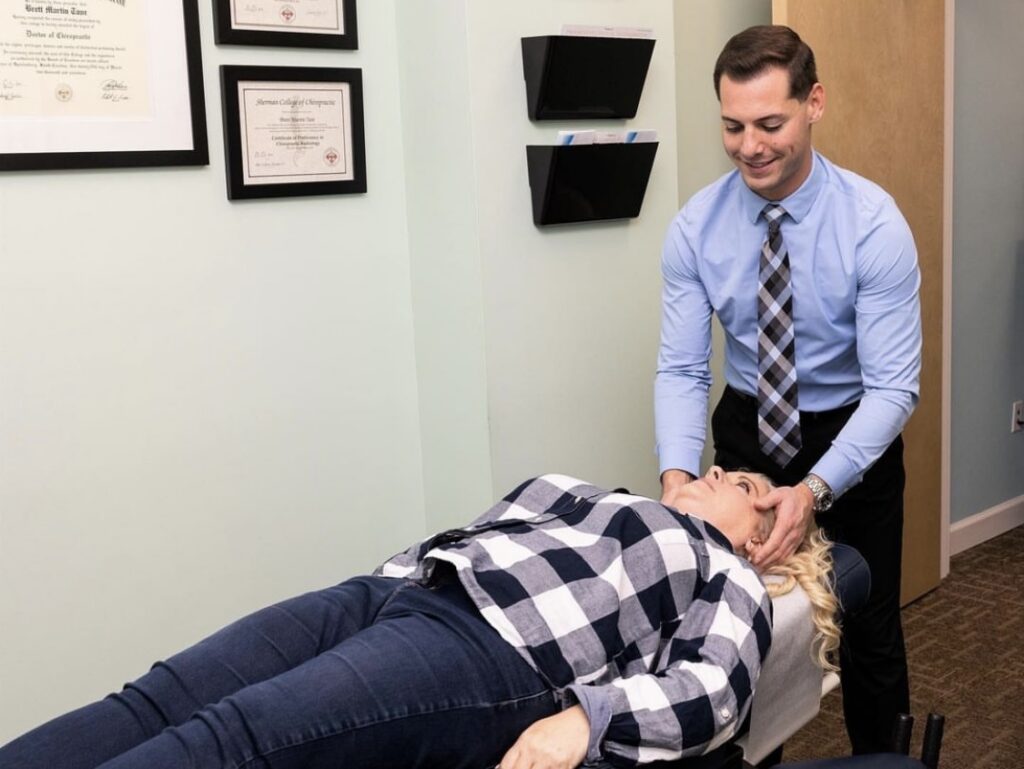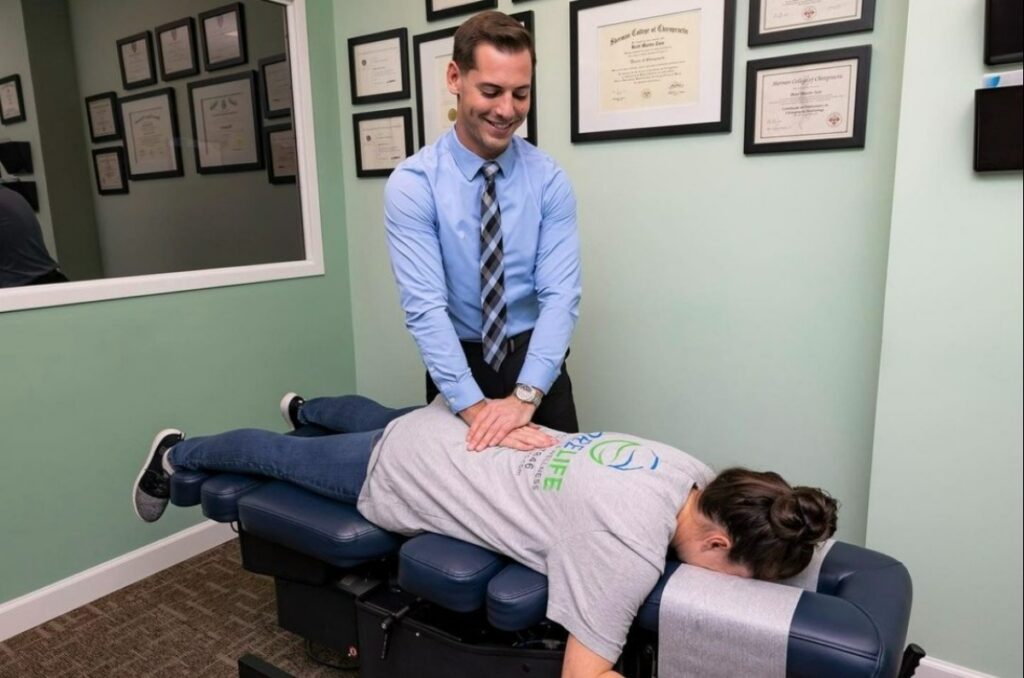
As a local chiropractor, I often hear patients express frustration over their persistent back pain, even after trying numerous treatments. It’s important to understand that many conventional remedies tend to address only the symptoms rather than the underlying causes of your pain. This can lead to misdiagnosis and ineffective treatment plans.
Additionally, psychological factors can play a significant role in how we perceive and experience pain. This means that the discomfort you feel may be influenced by stress or anxiety, which can complicate your recovery.
As you dive deeper into understanding your back pain, I encourage you to consider a holistic approach. Chiropractic care focuses on identifying and treating the root causes of pain, using natural healing methods to restore balance and function to your body. By emphasizing a comprehensive understanding of your condition, we can work together to develop an effective strategy that not only alleviates your pain but also improves your overall quality of life.
What if there’s a more effective way to address your ongoing discomfort? Let’s explore the possibilities together!
Understanding the Complexity of Back Pain
As a local chiropractor, I understand that comprehending back pain can be quite complex. Many people are surprised to learn that back pain often arises from a combination of physical, emotional, and lifestyle factors. It’s not just about a specific injury or condition; it’s much more interconnected.
For instance, stress and anxiety can greatly influence your body, causing it to tense up, which in turn can lead to muscle strain and increased discomfort.
Additionally, your daily habits play a crucial role in your back health. If you find yourself sitting for extended periods without proper support, you could be setting the stage for future problems. Poor posture while sitting, lifting, or exercising can contribute to your pain.
It’s vital to recognize that your mental state and lifestyle choices significantly affect your back health. Rather than focusing solely on physical treatments, I encourage you to consider these underlying factors.
The Role of Musculoskeletal Imbalances
As a local chiropractor, I want to take a moment to discuss the important topic of musculoskeletal imbalances and how they can significantly affect your back health and overall well-being.
These imbalances often stem from factors like poor posture, repetitive movements, or a sedentary lifestyle. When this happens, it can create uneven stress on your spine and the surrounding muscles. You may find that one side of your body feels tighter or weaker than the other, which can lead to chronic pain over time.
To help correct these imbalances, it’s vital to integrate targeted exercises into your routine that focus on strengthening weaker muscle groups while stretching tighter areas. I often recommend working with a physical therapist who can help identify specific issues and create a personalized plan for you.
Additionally, being conscious of your daily habits—such as how you sit, stand, or lift objects—can play a significant role in preventing further imbalances.
Remember, chiropractic care is all about promoting natural healing and restoring balance to your body. By addressing these imbalances, we can enhance your overall health and well-being.
If you have any questions or would like to learn more about how chiropractic care can help you, feel free to reach out!
Psychological Factors in Chronic Pain
As a local chiropractor, I want to emphasize that when it comes to chronic pain, particularly back pain, psychological factors can significantly influence how you experience and manage that discomfort.
Stress and emotional resilience play crucial roles in your pain perception. This is why developing effective coping mechanisms is essential for your recovery journey.
By understanding the connection between your mind and body, you can adopt a more holistic approach to treating your back pain.
Chiropractic care, combined with natural healing techniques, can help you not only address the physical aspects of your pain but also support your emotional well-being for a more comprehensive recovery.
Stress and Pain Perception
As a local chiropractor, I want to share an important insight about how stress can impact your experience of pain, particularly if you’re dealing with chronic back issues.
Many people may not realize that when stress levels rise, our bodies enter a state known as fight-or-flight. This response triggers the release of hormones that can actually increase our sensitivity to pain, making any discomfort feel more intense than it really is.
Additionally, stress can lead to muscle tension, which can further exacerbate your back pain. It’s a challenging cycle: as your pain increases, so does your stress, and in turn, this heightened stress can make your pain feel even worse. Understanding this connection is crucial for your recovery.
By incorporating stress management techniques into your routine, such as mindfulness, meditation, or regular exercise, you may find that not only does your stress decrease, but your back pain may also improve.
At our chiropractic clinic, we focus on natural healing and holistic approaches to help you manage both stress and pain, enhancing your overall well-being.
Let’s work together to break that cycle and promote a healthier, more balanced life.
Emotional Resilience Impact
As a chiropractor, I want to emphasize the importance of emotional resilience in managing chronic pain, especially when it comes to conditions like back pain. Many patients may not realize that their emotional state can significantly impact their pain experience.
When you possess emotional resilience, you’re better equipped to cope with discomfort, which can help diminish the severity of your pain. High emotional resilience allows you to manage stress and anxiety more effectively, which can reduce your overall pain perception.
Conversely, if you’re struggling with low emotional resilience, you might find yourself caught in a negative cycle where your pain feels even more overwhelming.
At our practice, we believe in the holistic approach to healing, which includes nurturing your emotional strength alongside physical treatment. By focusing on building your emotional resilience, you can shift your perspective on pain, making it more manageable as you work towards recovery.
Coping Mechanisms Role
As a local chiropractor, I want to share how coping mechanisms can significantly enhance your experience with chronic back pain. Understanding and implementing these strategies can help you manage stress and improve your overall health.
Here are four effective coping strategies that I often recommend to my patients:
- Mindfulness: Incorporating mindfulness practices into your daily routine can help you stay grounded in the present moment, which can lessen anxiety and alter your perception of pain. Techniques such as meditation or deep-breathing exercises can be beneficial.
- Physical Activity: Gentle, low-impact exercises, such as walking or swimming, are excellent for improving your mood and strengthening your back muscles. Staying active is crucial for maintaining flexibility and reducing discomfort.
- Social Support: Don’t underestimate the power of connection. Engaging with friends, family, or support groups can provide vital emotional support and practical advice. Sharing your experiences with others who understand can be incredibly comforting.
- Cognitive Behavioral Therapy (CBT): This therapeutic approach can effectively help you reframe negative thoughts about your pain. By fostering a more positive outlook on your condition, you can improve your mental resilience and overall quality of life.
Incorporating these coping mechanisms into your care can complement chiropractic treatments and help you lead a more fulfilling life, even while managing chronic pain.
Inadequate Diagnosis and Treatment
As a local chiropractor, I want to emphasize the importance of accurate diagnosis when it comes to back pain. Misdiagnosing your condition can lead you down an ineffective treatment path, prolonging your discomfort.
Many individuals rely on standardized protocols, which can sometimes overlook the unique aspects of their pain and situation. It’s crucial to ensure that we identify the specific source of your pain accurately.
This personalized approach allows us to tailor a treatment plan that addresses your individual needs, giving you the best chance at finding relief and restoring your well-being through natural healing methods.
Misdiagnosis of Pain Source
As a local chiropractor, I want to help you understand the importance of accurately identifying the source of your back pain. Misdiagnosis can lead to ineffective treatments and an extended period of discomfort.
When the true cause of your pain is overlooked, you may find yourself pursuing solutions that don’t truly address the issue. Here are some common misdiagnoses that can impede your healing process:
- Referred Pain: Often, back pain may actually be a signal from other areas of your body, such as organs or muscles. Understanding this can help us target the right treatment.
- Nerve Damage: Conditions like sciatica can sometimes be misidentified, resulting in unnecessary interventions. It’s crucial to pinpoint nerve-related issues for proper care.
- Muscle Strain: Focusing solely on surface-level muscle strain can prevent us from recognizing deeper problems, such as herniated discs, which might be the root of your pain.
- Psychosomatic Factors: Emotional stress can manifest as physical pain, complicating diagnosis. We need to consider the whole person—mind and body—for effective healing.
Identifying the correct source of your discomfort is vital for effective back pain management.
Through chiropractic care, we can work together to explore natural healing options that address the root cause of your pain, allowing for a more comprehensive and lasting recovery.
Standardized Treatment Protocols
As a local chiropractor, I want to emphasize that while a precise diagnosis is an important first step, relying solely on standardized treatment protocols can sometimes hinder your recovery.
Many people are accustomed to a one-size-fits-all approach, but this can fail to address the unique aspects of your pain experience. In our practice, we often see that established medical guidelines may overlook the individual nuances of your specific condition.
When your treatment doesn’t align with the underlying causes of your pain, it can lead to frustration and a feeling of being stuck in a cycle of ineffective care. Additionally, these protocols can create an over-reliance on medications or therapies that mightn’t be the best fit for you.
Instead of healing holistically, you may find yourself merely managing symptoms without truly addressing the root cause of your discomfort.
At our chiropractic clinic, we believe in a tailored approach that takes into account your individual needs and circumstances.
We offer natural healing options that focus on the whole person, aiming to restore balance and promote long-term wellness.
Together, we can craft a personalized treatment plan that supports your journey to recovery and helps you achieve optimal health.
The Impact of Lifestyle Choices
As a local chiropractor, I want to emphasize that while there are many factors that can contribute to back pain, your lifestyle choices are crucial in both its onset and management.
By making informed and conscious decisions, you can significantly improve your comfort levels and overall health. Let’s explore some key areas to consider:
- Physical Activity: Engaging in regular exercise is vital! It not only strengthens your muscles but also enhances flexibility. This can alleviate pressure on your spine and help prevent pain.
- Posture: Good posture is more than just standing tall. Whether you’re sitting at your desk, standing in line, or lifting objects, maintaining proper posture can prevent unnecessary strain on your back, which is essential for long-term health.
- Weight Management: It’s important to recognize that excess weight can put extra stress on your spine. By maintaining a healthy weight through balanced nutrition and exercise, you can significantly reduce discomfort and support your back.
- Stress Management: Did you know that high stress levels can lead to muscle tension? Incorporating relaxation techniques into your daily routine can help reduce this tension, ultimately promoting better back health.
As your chiropractor, I’m here to guide you on how these lifestyle choices can enhance not only your back health but your overall well-being.
Let’s work together to find the best strategies for you!
The Importance of Core Stability
As a local chiropractor, I want to share with you the vital role that core stability plays in managing back pain. Your spine requires strong support, and that’s where strengthening your core muscles comes in.
By enhancing your core stability, you can make everyday activities not only easier but also safer for your back.
It’s important to note that stability training differs significantly from traditional strength training. While traditional methods focus on building muscle mass, stability training emphasizes the quality of movement and the ability to maintain proper alignment.
By focusing on these aspects, we can effectively target and alleviate your back pain. Understanding this difference is key to your recovery and overall spinal health.
Together, we can work towards a stronger, more resilient back.
Core Muscles and Support
As your local chiropractor, I want to emphasize the importance of core stability in maintaining a healthy spine and preventing back pain. A strong and well-coordinated core is essential for supporting your posture and alignment, which in turn helps to alleviate unnecessary stress on your back.
Let’s explore four key muscle groups that are crucial for enhancing core support:
- Transverse Abdominis: This deep muscle acts as a natural corset for your pelvis and spine. By engaging it, you can provide stability and protection to your lower back.
- Multifidus: These small muscles run along your spine and play a vital role in supporting your spine during various movements. Strengthening the multifidus helps improve overall spinal stability.
- Rectus Abdominis: Commonly known as the “six-pack,” this muscle is essential for trunk flexion and maintaining balance. A strong rectus abdominis contributes to better overall core strength.
- Obliques: These muscles are located on the sides of your abdomen and aid in rotational movements and side bending. Strengthening your obliques enhances your core stability and helps with functional movements in daily life.
By focusing on these core components, you can significantly reduce your risk of back pain and improve your overall well-being.
Stability vs. Strength Training
As your local chiropractor, I want to help you understand an important concept in managing back pain: the difference between core stability and core strength. Many people often mix these terms up, but recognizing their distinctions is crucial for effective pain relief.
Core strength is all about how much force your muscles can generate, while core stability involves maintaining proper alignment and function during movement.
Both core strength and stability are important, but stability is particularly essential for preventing injuries and alleviating pain. When you focus on stability training, you engage your deep core muscles to support your spine, which can significantly enhance your posture and balance.
I recommend incorporating exercises such as planks and bridges into your routine to build this stability. It’s important to remember that without a solid foundation of stability, your strength training may not yield the results you’re looking for, and it could even worsen your back pain.
Prioritizing stability in your exercise regimen is key to achieving lasting relief. As we work together on your healing journey, let’s ensure we lay the groundwork for a healthier, pain-free future.
Limitations of Conventional Treatments
As a local chiropractor dedicated to your well-being, I want to shed light on the limitations of conventional treatments for back pain that you may have encountered. While options like medication, physical therapy, and surgery can offer some relief, they often fail to address the underlying causes of your pain and may only provide temporary solutions.
Here are some important points to consider:
- Medication Side Effects: Many painkillers come with significant side effects and risks of dependency. Relying on these medications can lead to more health complications over time, making them less than ideal for long-term management.
- Physical Therapy Constraints: While physical therapy can be beneficial, not all therapists create personalized treatment plans tailored to your unique needs. This can result in less effective outcomes, leaving you frustrated with your progress.
- Surgery Risks: Surgical options, while sometimes necessary, come with inherent risks such as complications and the potential for chronic pain after the procedure. Surgery is often viewed as a last resort due to these uncertainties.
- Limited Scope: Conventional treatments frequently overlook crucial lifestyle factors, including stress management and posture, which play a significant role in your overall back health. Addressing these aspects is essential for long-term relief.
By understanding these limitations, you can make informed decisions about your health and consider exploring alternative or complementary approaches, such as chiropractic care.
Chiropractic treatments focus on holistic healing by addressing the root causes of pain, promoting natural recovery, and enhancing your overall well-being. Let’s work together to find the best path to your health.
The Influence of Stress on Back Pain
As a local chiropractor, I want to emphasize how closely stress is linked to back pain, something that many people may not realize.
When you experience stress, your body naturally tenses up, leading to muscle tightness that can increase your discomfort. This creates a cycle: the more pain you experience, the more stressed you feel, and the more stress you feel, the worse your pain can become.
Recognizing this connection is crucial for your overall well-being. You may have noticed that your back pain tends to worsen during particularly stressful periods, which highlights how your emotional state can directly affect your physical health.
Incorporating stress management techniques into your routine—such as mindfulness practices or meditation—can significantly help in relieving that tension.
As your chiropractor, I can guide you through holistic approaches to not only address your back pain but also to help you manage stress effectively. Together, we can work towards a healthier, more balanced life.
Exploring Alternative Therapies
As a local chiropractor, I want to emphasize the importance of exploring alternative therapies for relief from back pain. Many of my patients have found that these approaches not only complement traditional treatments but also offer unique benefits that can enhance their overall healing journey.
Here are a few options that I highly recommend considering:
- Acupuncture – This ancient practice involves the insertion of thin needles into specific points on the body. It can effectively stimulate your body’s natural pain relief mechanisms and promote healing.
- Chiropractic Care – At our office, we focus on spinal alignment, which is crucial for relieving pressure on nerves. By adjusting your spine, we can help alleviate back pain and improve your overall functionality.
- Yoga – Incorporating gentle stretches and strengthening exercises into your routine can significantly improve flexibility and posture. Over time, this may lead to a reduction in discomfort and a stronger back.
- Massage Therapy – Targeted massage can be incredibly beneficial for relieving tension in your back muscles. It improves circulation and can provide temporary relief, making it a great complement to chiropractic adjustments.
I encourage you to explore these therapies and discover what works best for your body. Each individual responds differently, and finding the right combination can lead to lasting relief from back pain.
Don’t hesitate to reach out for more information or to discuss how we can integrate these options into your treatment plan.
Developing a Comprehensive Pain Management Plan
As your local chiropractor, I want to help you understand how alternative therapies can play a vital role in your back pain relief journey. It’s essential to start by identifying your specific pain triggers and symptoms. This self-awareness will guide us in selecting therapies that effectively target your unique needs.
In our practice, we often combine traditional treatments, such as chiropractic adjustments and physical therapy, with alternative methods like acupuncture, yoga, and mindfulness practices. Each of these therapies can complement one another, providing you with a more comprehensive pain management plan.
I encourage you to consult with me or other healthcare professionals who can help create a holistic approach tailored just for you. We’ll work together to determine appropriate techniques, frequency, and dosages that align with your goals.
It’s crucial to keep track of what works for you and what doesn’t, as we may need to adjust your plan over time. Consistency is vital; adhering to your routine can significantly enhance your results.
In addition to these therapies, incorporating lifestyle changes such as regular exercise and a balanced diet can greatly improve your pain management strategy.
Conclusion
As a local chiropractor, I want to help you understand why back pain can be persistent, even when you’ve tried common treatments. Back pain is not just a simple issue; it’s often a complex interplay of factors. You may be experiencing musculoskeletal imbalances, psychological stress, or even a misdiagnosis, which traditional treatments might overlook.
To truly manage and alleviate your pain, it’s crucial to adopt a holistic approach. This means considering lifestyle changes, incorporating natural therapies, and addressing the underlying issues that may be contributing to your discomfort. Chiropractic care focuses on restoring balance and function to your body, helping to identify the root causes of your pain.
By working together, we can create a personalized plan tailored specifically to your needs. This approach not only targets your pain but also aims to enhance your overall quality of life. Remember, understanding your unique situation is key to finding lasting relief. Let’s explore how chiropractic care can help you on your journey to better health.