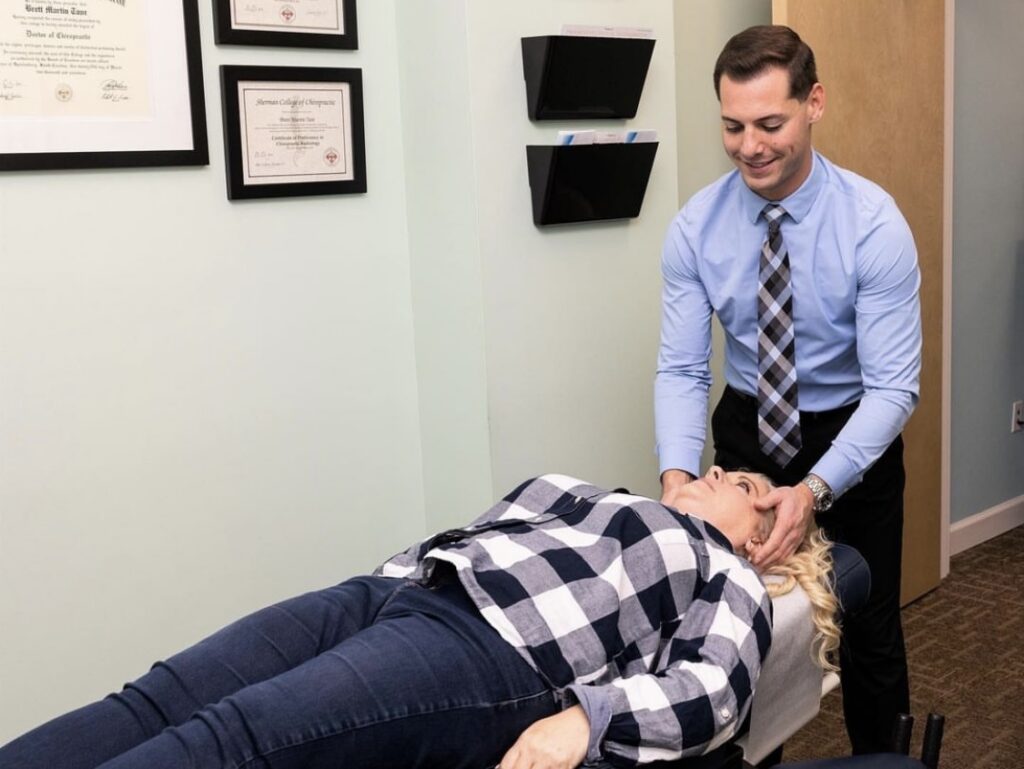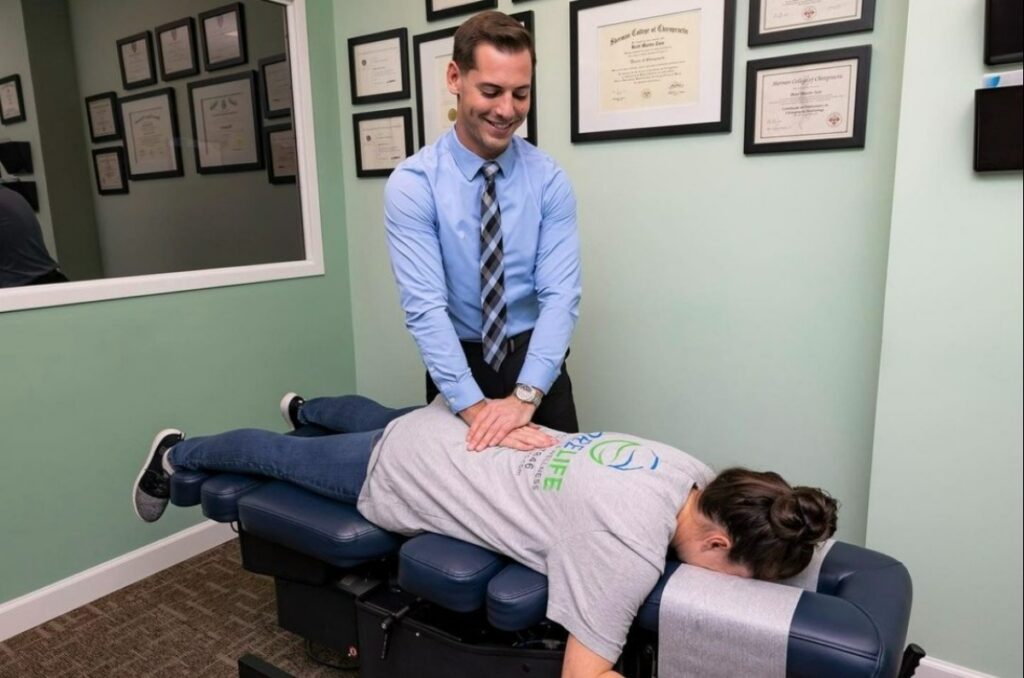
If you’ve ever suffered from whiplash, you understand just how challenging the symptoms can be. Finding effective ways to alleviate pain and restore your mobility is crucial, and chiropractic care stands out as one of the best options available. Through gentle adjustments and targeted treatments, chiropractors can help relieve pain and improve function in your neck and spine.
Chiropractic adjustments can realign your spine, reducing tension and promoting healing. In addition to adjustments, physical therapy may also be part of your recovery plan, helping you strengthen the muscles around your neck and improve flexibility.
But don’t overlook the power of home remedies and lifestyle changes! Simple practices like applying ice packs to reduce inflammation, using heat to soothe tight muscles, and incorporating gentle stretching exercises can make a significant difference in your recovery process.
Also, consider focusing on your posture—whether sitting at a desk or driving. Maintaining proper alignment can help prevent further strain on your neck. Regular low-impact activities like walking or swimming can also promote overall wellness and support your healing journey.
In summary, while there are various methods to alleviate whiplash symptoms, chiropractic care is a natural and effective choice for pain relief and restoring your health. Explore these options, and take charge of your recovery with the guidance of a trusted chiropractor.
Key Takeaways
- Chiropractic Care: As a local chiropractor, I can attest that regular spinal adjustments are key to improving alignment in your neck and spine. This not only enhances mobility but also significantly reduces neck pain associated with whiplash. By addressing the root cause of your discomfort, chiropractic care promotes natural healing and helps you get back to your daily activities faster.
- Physical Therapy: Incorporating gentle exercises and manual therapy techniques can be incredibly beneficial. These methods help regain flexibility and relieve tension in your neck muscles, complementing the adjustments you receive in your chiropractic sessions. Together, they create a comprehensive approach to your recovery.
- Soft Tissue Therapies: Techniques like massage, myofascial release, and trigger point therapy focus on relieving muscle tightness and improving circulation. While I recommend these as supportive therapies, chiropractic care remains your primary avenue for long-lasting relief.
- Home Remedies: At home, try using cold and warm compresses to soothe your neck. Gentle stretching exercises can also aid in reducing pain and promoting healing. Remember, these remedies work best in conjunction with your chiropractic care.
- Lifestyle Changes: Maintaining good posture is essential for supporting your neck health. Engage in low-impact activities, and prioritize quality sleep to help your body recover. These lifestyle adjustments not only alleviate whiplash symptoms but also contribute to your overall well-being. Remember, chiropractic care is your best ally in achieving optimal health and wellness!
Physical Therapy Techniques
When it comes to alleviating whiplash symptoms, chiropractic care is your go-to solution for restoring health and wellness. Our focus is on enhancing your neck’s mobility while naturally reducing pain. During your visit, your chiropractor will begin with gentle adjustments and range-of-motion exercises designed to help you regain flexibility without increasing your discomfort.
As you start to feel better, your chiropractor will incorporate strengthening exercises that target the muscles around your neck and shoulders. Techniques like heat therapy and gentle spinal adjustments can be used to ease pain and promote healing in a natural way.
Additionally, manual therapy techniques, such as soft tissue mobilization, can help relieve tension and improve blood flow. Your chiropractor may also offer guidance on proper posture and ergonomic strategies to help you avoid future injuries and maintain a healthy spine.
Chiropractic Care Approaches
Chiropractic care is a vital ally in your journey to alleviate whiplash symptoms. With our specialized spinal adjustments, you can find significant relief from pain and experience enhanced mobility. These adjustments are designed to restore proper alignment to your spine, which is crucial for overall wellness.
In addition to spinal adjustments, we employ soft tissue therapies that work wonders for relaxing tight muscles that may be contributing to your discomfort. These therapies help to release tension and improve blood flow, promoting a natural healing process.
Furthermore, we emphasize the importance of posture correction techniques. By focusing on proper posture, you not only facilitate your recovery but also help prevent future issues from arising. Simple changes in your daily habits can make a world of difference in maintaining a healthy spine.
Spinal Adjustments Benefits
Spinal adjustments are a fantastic way to relieve whiplash symptoms by bringing your spine back into proper alignment and function. When you visit your chiropractor, they use gentle and precise techniques to adjust your vertebrae. This not only helps to ease pain and tension in the muscles around your neck but also improves your overall mobility, making it easier and more comfortable to move your head and neck.
One of the key benefits of spinal adjustments is that they enhance blood flow to the affected areas, which can speed up healing in your tissues. You might also notice a reduction in inflammation, a common issue with whiplash injuries. By focusing on the root cause of your discomfort, spinal adjustments provide immediate relief and contribute to your long-term recovery.
To get the most out of your chiropractic care, consider regular sessions. This keeps your spine in top shape and can help prevent future issues, making chiropractic care an essential part of your wellness routine.
Here are some additional tips for managing whiplash and improving your overall health:
- Stay Active: Gentle stretching and light exercises can help maintain mobility in your neck. Always consult your chiropractor for specific recommendations.
- Ice and Heat Therapy: Applying ice during the first couple of days can reduce inflammation, while heat can help relax tight muscles afterward.
- Posture Awareness: Maintain good posture, especially when sitting at a desk or using your phone, to reduce strain on your neck.
- Stay Hydrated: Drinking plenty of water supports overall health and can aid in the healing process.
Soft Tissue Therapies
While spinal adjustments are crucial for alleviating whiplash symptoms, it’s important to remember that soft tissue therapies are also vital for your recovery journey. These therapies specifically target the muscles and connective tissues impacted by injury, helping to ease pain and restore function naturally.
For instance, massage therapy can effectively relieve muscle tension and enhance blood circulation, which promotes healing. Techniques like myofascial release focus on areas of tightness, relieving pressure and reducing discomfort. Trigger point therapy can offer immediate relief by addressing knots in your muscles.
Incorporating these soft tissue therapies along with chiropractic care can significantly enhance your recovery process. This holistic approach allows you to regain mobility and minimize pain more effectively.
As your chiropractor, I encourage you to collaborate closely with me to create a personalized treatment plan that aligns with your health goals. Remember to stay hydrated, maintain proper posture, and engage in gentle stretching exercises to support your healing journey. By choosing chiropractic care and these complementary therapies, you’re taking a proactive step towards achieving optimal health and wellness naturally!
Posture Correction Techniques
Improving your posture is essential for effectively managing whiplash symptoms and supporting your recovery journey. By maintaining proper alignment, you can significantly lessen the strain on your neck and surrounding muscles. Here are some simple yet effective tips to help you enhance your posture and overall well-being.
- Practice Good Sitting Habits: When sitting, keep your back straight, shoulders relaxed, and your feet flat on the floor. This helps maintain the natural curve in your spine and prevents unnecessary tension.
- Stand Tall: When standing, distribute your weight evenly across both feet and avoid slouching. Imagine a string gently pulling you upward from the top of your head to encourage a tall, aligned posture.
- Strengthen Your Core and Neck: Incorporating exercises that focus on strengthening your core and neck muscles can work wonders. A strong core supports your spine, while strong neck muscles help maintain proper alignment.
- Stretch Regularly: Flexibility is key to good posture. Make stretching a part of your daily routine to help keep your muscles loose and reduce tension.
- Seek Chiropractic Care: Working with a chiropractor can be a game-changer in your recovery process. They provide personalized guidance and adjustments tailored to your specific needs. Chiropractors can help you identify postural issues and teach effective techniques to correct them, making a significant difference in your healing journey.
Mindfulness and Relaxation Practices
Incorporating mindfulness and relaxation practices into your daily routine can significantly ease whiplash symptoms and enhance your overall wellness. These techniques not only help manage pain but also reduce stress, creating a more relaxed state for your body to heal naturally.
Start by dedicating a few minutes each day to deep breathing exercises. Simply focus on your breath: inhale deeply through your nose, filling your lungs completely, and then exhale slowly through your mouth. This straightforward practice can help calm your mind and lower tension in your body, allowing your spine to function optimally.
Consider adding guided meditation or yoga to your routine. Both practices promote body awareness, enabling you to connect with areas of discomfort while fostering a sense of calm. Yoga, in particular, can help improve flexibility and strengthen the muscles that support your spine, which is vital for recovery from whiplash.
Another effective technique is progressive muscle relaxation. This involves tensing and then relaxing different muscle groups throughout your body, which can help release any built-up tension and promote relaxation. This practice complements chiropractic care by enhancing your body’s natural healing processes.
Lastly, don’t overlook the power of visualization. Picture yourself in a serene, peaceful place, allowing your mind to drift away from pain. By regularly engaging in these mindfulness practices, you can cultivate a greater sense of well-being and find relief from whiplash symptoms.
Home Remedies for Whiplash Relief
If you’re dealing with whiplash symptoms and seeking effective home remedies, there are several simple strategies that can provide comfort and support your recovery. One of the best natural approaches is to apply a cold compress to your neck for 15-20 minutes. This can help reduce swelling and numb pain. After a couple of days, switching to a warm compress can help relax tight muscles, promoting better healing.
Incorporating gentle stretching exercises into your routine can also enhance your mobility. Just remember to listen to your body and avoid pushing yourself too hard. Staying hydrated is crucial, so drink plenty of water to support your body’s healing processes.
You may also find relief with over-the-counter topical creams containing menthol or capsaicin, which can soothe discomfort. However, it’s important to remember that these should only complement your recovery and not replace a visit to your chiropractor.
In addition, adopting a supportive pillow while sleeping can maintain proper neck alignment, which is essential for healing. Chiropractic care is an excellent choice for addressing the root causes of your pain, as chiropractors specialize in spinal health and can provide tailored treatments to promote optimal recovery.
Finally, always pay attention to your body and avoid any activities that worsen your pain. These home remedies, alongside regular chiropractic care, can effectively support your overall recovery and help you achieve better health and wellness.
Medications and Pain Management
Effectively managing pain from whiplash is crucial for your recovery and overall well-being. As a local chiropractor, I want to emphasize the importance of natural healing methods that can help you feel better without relying on medications. One of the best ways to address pain and discomfort is through chiropractic care, which focuses on aligning your spine and improving your body’s function.
While over-the-counter pain relievers like ibuprofen or acetaminophen might provide temporary relief, they do not address the root cause of your pain. Instead, consider visiting a chiropractor who can develop a personalized treatment plan tailored to your needs. This may include spinal adjustments, gentle stretches, and exercises specifically designed to strengthen your neck and improve flexibility.
In addition to chiropractic adjustments, there are simple self-care techniques you can incorporate into your daily routine. Applying heat or ice packs to the affected area can soothe inflammation and relieve discomfort. Gentle neck exercises can also help maintain mobility and prevent stiffness. Remember to listen to your body and take breaks as needed.
Combining these natural approaches with chiropractic care can enhance your recovery process, allowing you to regain your strength and mobility more effectively. Always consult with your chiropractor to ensure you’re following a plan that’s right for you and to discuss any concerns you may have.
Lifestyle Changes for Long-Term Recovery
Making lifestyle changes can significantly enhance your long-term recovery from whiplash, and chiropractic care is a fantastic way to support your healing journey. By adopting healthy habits and incorporating regular chiropractic adjustments, you can boost your body’s natural healing abilities and help prevent future issues. Here are three key lifestyle changes to consider:
- Stay Active: Incorporating low-impact activities like walking or swimming into your daily routine can work wonders. Regular movement not only helps maintain flexibility and strength in your neck and back but also complements the benefits of chiropractic adjustments. Remember, a chiropractor can guide you in developing an exercise plan that aligns with your recovery goals.
- Practice Good Posture: Being mindful of your posture is crucial, especially when you’re sitting or using electronic devices. Proper alignment minimizes strain on your neck and back, which is vital for recovery. A chiropractor can provide valuable advice on ergonomic setups and exercises to strengthen your posture.
- Prioritize Sleep: Aim for 7-9 hours of quality sleep each night. Sleep is when your body does a lot of its healing, making it essential for your recovery. A chiropractor can help ensure that your spine is aligned, which may improve your sleep quality and ultimately aid in your healing process.
Conclusion
When it comes to alleviating whiplash symptoms, chiropractic care stands out as a highly effective option. By focusing on the spine and its alignment, chiropractors can help restore mobility and reduce pain, allowing your body to heal naturally. In addition to chiropractic adjustments, incorporating physical therapy can further enhance your recovery by strengthening muscles and improving flexibility.
Don’t underestimate the benefits of mindfulness and relaxation techniques, such as deep breathing or gentle yoga. These practices can help manage stress and promote a sense of calm, which is essential for recovery.
Making simple lifestyle changes can also make a significant difference. Focus on maintaining good posture throughout your day, whether sitting at a desk or standing. Staying active with low-impact exercises, like walking or swimming, can promote healing while keeping your body strong.
Above all, listen to your body. Each person’s recovery journey is unique, so it’s essential to consult with a chiropractor who can tailor a plan specifically for you. Embrace the natural healing power of chiropractic care, and take proactive steps towards achieving optimal health and wellness.