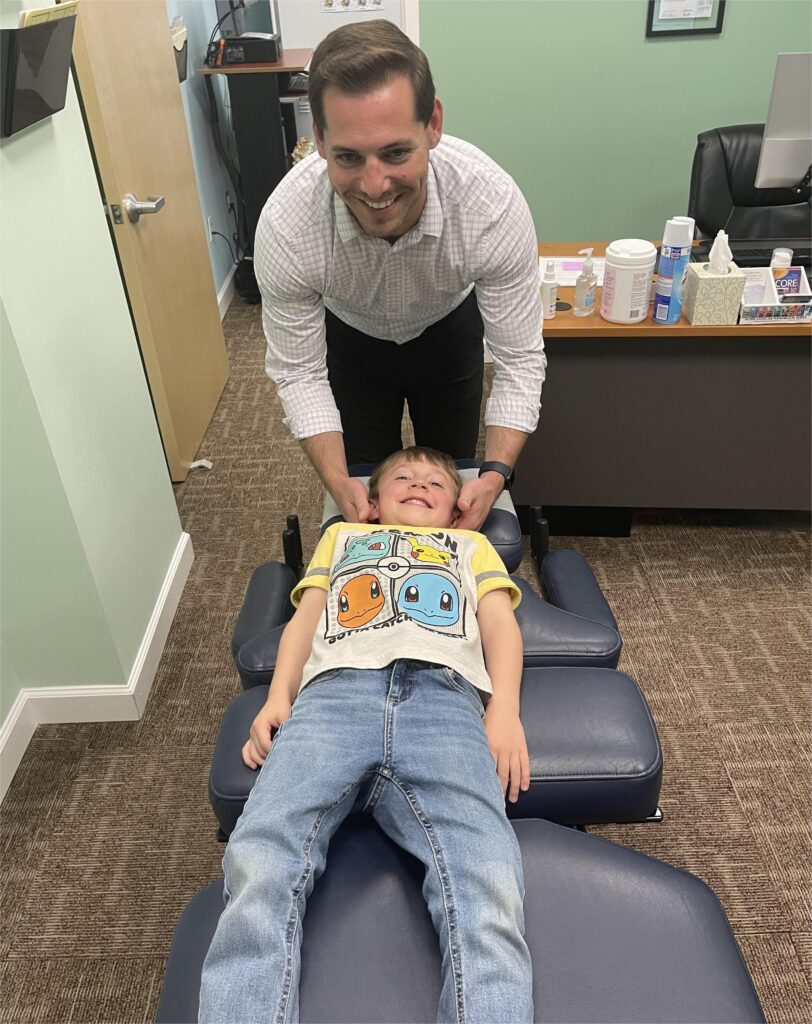
As your local chiropractor, I want to emphasize the importance of understanding the recovery process when faced with a sports injury. It's not just about taking time off; there are various innovative techniques, such as cryotherapy and proper nutrition, that can significantly aid your healing journey. Many people are unaware that mental wellness strategies also play a vital role in recovery. As we delve into these methods together, you might discover that effective healing involves a holistic approach—one that combines multiple strategies to optimize your recovery. What if the key to returning to your favorite sport more quickly lies in a comprehensive approach that includes chiropractic care? Let's explore these possibilities and get you back in the game!
Understanding Sports Injuries
As a local chiropractor, I understand how crucial it's for athletes and active individuals to be aware of sports injuries. These injuries can happen during practice or competition, and recognizing them early is essential for effective healing. When you push your body, it's important to be attuned to the signs your body is showing, including pain, swelling, or reduced mobility.
Common injuries you might encounter include sprains, strains, fractures, and tendonitis, each with distinct symptoms and recovery timelines. Understanding these can help you seek the right care when needed. For instance, if you've twisted your ankle while sprinting, knowing how the injury occurred can be valuable information for your recovery process.
It's also important to note that some injuries mightn't be obvious right away. Over time, issues can develop due to repetitive movements or incorrect techniques. By being mindful of your body and seeking preventative care, you can often catch these problems before they become serious.
Incorporating proper warm-up and cool-down routines into your activities can significantly reduce your risk of injury. Additionally, engaging in strength and flexibility training is vital; it builds resilience and supports your body's natural healing processes.
As a chiropractor, I emphasize the importance of understanding the factors that lead to sports injuries. This knowledge empowers you to make informed decisions about your training and recovery. Staying educated about your body and how it responds to physical activity is key to enhancing your performance and ensuring a long, healthy athletic career.
Importance of Early Intervention
As a local chiropractor, I want to emphasize how crucial it's to address sports injuries promptly.
When you sustain an injury, seeking early intervention can significantly impact your recovery journey. Not only does it help to shorten your recovery time, but it also plays a vital role in preventing further injuries down the line.
By reaching out for chiropractic care right away, we can assess and treat the underlying issues effectively.
This proactive approach not only aids in your healing but also enhances your overall performance, ensuring that you can return to the game stronger and healthier.
Reducing Recovery Time
As a local chiropractor, I want to share some valuable insights on how recognizing the early signs of a sports injury can significantly reduce your recovery time. If you experience symptoms such as swelling, pain, or restricted movement, it's crucial to take immediate action. Ignoring these early warning signs can lead to more serious injuries, extending your time away from the activities you enjoy.
When an injury occurs, I recommend using the R.I.C.E. method—Rest, Ice, Compression, and Elevation—to help minimize damage and kickstart the healing process. Resting the injured area is vital to prevent further strain, while applying ice can help reduce swelling and soothe pain.
Using a compression bandage offers support to the affected area, and elevating the injury can effectively decrease swelling as well.
It's also essential to seek professional help as soon as possible. As a chiropractor, I can evaluate your injury and develop a personalized treatment plan that promotes healing and recovery. Early intervention not only aids in your recovery but also provides you with strategies to strengthen the affected area, reducing the risk of future injuries.
Incorporating specific rehabilitation exercises into your routine is another effective way to accelerate recovery. Staying proactive and dedicated to your recovery plan is key to getting back to your favorite activities.
Preventing Further Injuries
Preventing Further Injuries with Chiropractic Care
As a local chiropractor, I want to emphasize the importance of addressing injuries promptly. Not only does early intervention speed up your recovery, but it also plays a crucial role in preventing further injuries. Ignoring or delaying treatment can exacerbate your initial issue, leading to more complications later on.
By seeking help early, you can stay active and maintain your overall wellness.
Here are some key steps I recommend if you suspect an injury:
- Listen to Your Body: It's essential to pay attention to what your body is telling you. If something feels off, don't ignore it or push through the discomfort.
- Seek Professional Help: As a chiropractor, I specialize in providing tailored advice and treatment plans that focus on natural healing. A thorough assessment can help identify the root cause of your discomfort and guide your recovery.
- Follow Rehabilitation Protocols: Adhering to my recommended exercises and rest periods is vital for proper healing. I'll work with you to create a personalized rehabilitation plan that caters to your specific needs.
- Implement Injury Prevention Strategies: In our sessions, I'll teach you effective strength training, flexibility exercises, and proper body mechanics to help reduce the risk of future injuries. Incorporating these strategies into your routine can significantly enhance your overall physical health.
Enhancing Performance Outcomes
As a local chiropractor, I want to emphasize the importance of early intervention when it comes to enhancing your recovery outcomes after a sports injury. Taking action promptly is crucial—not only does it help prevent long-term damage, but it also paves the way for a faster recovery.
When you ignore early signs of injury, it can lead to compensatory patterns that negatively impact your overall performance, making it essential to address issues without delay.
By seeking chiropractic care right away, we can develop a rehabilitation program tailored specifically to your unique needs. This personalized approach focuses on restoring your strength, flexibility, and coordination in a more effective manner.
Techniques such as spinal adjustments, physical therapy, and functional exercises can help accelerate your return to peak performance while reducing the risk of re-injury.
It's also vital to listen to your body throughout the recovery process. Be mindful of how you feel during rehabilitation, and maintain open communication with me—your chiropractor.
This collaboration allows us to adjust your recovery plan as needed, ensuring you're progressing effectively. Prioritizing early intervention not only minimizes downtime but also enhances your overall athletic performance, helping you return to your sport stronger and more resilient.
Innovative Recovery Therapies
In our busy lives, it's common for athletes to look for effective recovery therapies to help them heal and get back to their best. As a local chiropractor, I want to share some innovative recovery options that can greatly benefit your healing process and overall well-being.
These therapies not only promote faster recovery times but also help you maintain your competitive edge. Here are a few methods you might consider:
- Cryotherapy: This therapy involves exposing your body to extremely cold temperatures for a brief period. It can be incredibly effective in reducing inflammation, alleviating pain, and speeding up your recovery process.
- Hydrotherapy: Utilizing water in your recovery routine can greatly aid in muscle relaxation and improve circulation. Warm water can soothe tired, sore muscles, while cold water can help reduce any swelling you may be experiencing.
- Infrared Therapy: This treatment employs infrared light that penetrates deep into your tissues, promoting healing on a cellular level. It enhances circulation and helps reduce muscle stiffness, making it a great option for recovery.
- Electrical Stimulation: Devices that deliver electrical impulses to your muscles can provide relief from pain and enhance muscle recovery. This therapy also boosts circulation, which is beneficial for those dealing with injuries.
These innovative therapies are gaining popularity among athletes, and for good reason. They not only support quicker recovery but also aid in maintaining your mental and physical stamina during training.
By integrating these therapies into your routine, you can optimize your recovery and return to the activities you love sooner. Remember, every individual responds differently, so it's essential to discover the right combination of therapies that works best for you.
As your chiropractor, I'm here to guide you in finding the most effective natural healing methods tailored to your needs.
Rehabilitation Exercises and Techniques
As a local chiropractor, I want to emphasize the importance of supporting innovative recovery therapies with effective rehabilitation exercises and techniques. These exercises are vital for regaining strength, flexibility, and mobility while minimizing the risk of re-injury.
To start, I recommend incorporating range-of-motion exercises to enhance mobility in the affected area. Simple movements that stretch and flex the joint can be incredibly beneficial. As you become more comfortable, you can gradually increase the intensity of these exercises.
Next, it's crucial to focus on strengthening exercises that are tailored to your specific injury. For instance, if you've experienced a knee injury, exercises like squats or leg lifts can help build the surrounding muscle. Tools such as resistance bands or light weights can provide an additional challenge, but it's essential to listen to your body and avoid any movements that cause pain.
Balance and stability exercises are just as important in your recovery journey. Activities like single-leg stands or using balance boards can enhance your coordination and help prevent future injuries. These techniques will also help you regain confidence in your movements.
Don't overlook the significance of functional exercises that mimic the activities you perform in your sport or daily life. For example, if you're a soccer player, practicing dribbling or short sprints can help reintroduce sport-specific skills and make your transition back to your activities smoother.
Lastly, consistency is crucial. I recommend establishing a regular schedule for your rehabilitation exercises, aiming for at least three times a week. Keeping track of your progress can be incredibly motivating. Additionally, don't hesitate to consult with a physical therapist or your chiropractor for personalized guidance tailored to your unique needs.
By diligently incorporating these rehabilitation exercises and techniques into your routine, you'll be well on your way to a successful recovery, allowing you to return to your activities stronger and more resilient than ever.
Nutrition for Optimal Healing
As a local chiropractor, I want to emphasize how crucial nutrition is for your healing journey, especially after a sports injury. The food you consume plays a vital role in your body's ability to repair itself and recover effectively. A well-rounded diet, rich in specific nutrients, can help minimize inflammation, promote tissue healing, and enhance your overall well-being during your recovery.
Here are some important nutritional tips to consider:
- Protein: To rebuild damaged tissues, your body relies on protein. Incorporating sources like lean meats, fish, eggs, beans, and legumes into your meals can ensure you're providing your body with what it needs for recovery.
- Healthy Fats: Omega-3 fatty acids, found in fatty fish, walnuts, and flaxseeds, are excellent for fighting inflammation. These healthy fats can assist in reducing swelling and pain, helping to make your recovery process smoother.
- Fruits and Vegetables: Colorful fruits and veggies are packed with vitamins, minerals, and antioxidants that support your immune system and aid in tissue healing. Aim for a diverse array, including options like berries, spinach, and sweet potatoes.
- Hydration: Staying well-hydrated is vital for your recovery. Water is essential for transporting nutrients throughout your body and can help alleviate muscle soreness. Make it a goal to drink plenty of fluids throughout the day.
By incorporating these nutritional strategies alongside your chiropractic care, you can enhance your healing process and optimize your recovery from sports injuries.
Mental Wellness Strategies
As a local chiropractor, I believe it's essential to recognize that while nutrition is vital for physical recovery, mental wellness plays an equally important role in healing from sports injuries. Your mindset can significantly influence how you manage pain, navigate setbacks, and approach the overall recovery process.
To enhance your mental wellness during your healing journey, I'd like to share some effective strategies.
First, I encourage you to explore mindfulness techniques such as meditation or deep breathing exercises. These practices can help you center your thoughts on the present moment, alleviating anxiety and stress associated with your injury. Dedicating just a few minutes each day to mindfulness can substantially improve your mental clarity and emotional resilience.
Another important aspect is setting realistic goals for your recovery. Break your healing process down into manageable steps and celebrate small victories along the way. This strategy not only helps maintain your motivation but also fosters a positive outlook on your progress.
Remember, healing is a journey that takes time, and being patient with yourself is crucial.
It's also beneficial to engage in positive self-talk. Shift any negative thoughts to affirmations that encourage and uplift you. Remind yourself of your strengths and past accomplishments, and visualize your successful return to the sport you love. This positive mindset can greatly enhance your recovery experience.
Lastly, I recommend connecting with others who understand your journey. Whether it's friends, family, or fellow athletes, sharing your feelings and experiences with those who can relate can provide invaluable support. Surrounding yourself with a positive network will help you maintain focus and encouragement throughout your recovery process.
At our chiropractic office, we're here to support you not only physically but also mentally as you navigate your healing journey. Together, we can work towards a healthy recovery that encompasses both your body and mind.
Conclusion
As a local chiropractor, I want to share some essential insights on how to effectively unlock your recovery from sports injuries through natural healing methods. It's crucial to adopt a balanced strategy that encompasses timely interventions, innovative therapies, and a strong emphasis on nutrition and mental wellness.
One of the foundational techniques I often recommend is the R.I.C.E. method—Rest, Ice, Compression, and Elevation. This approach can significantly aid in reducing inflammation and promoting healing. Additionally, engaging in rehabilitation exercises tailored to your specific injury will help restore strength and flexibility, allowing you to recover more efficiently.
Nutrition plays a vital role in your recovery journey as well. A well-balanced diet rich in anti-inflammatory foods can provide your body with the necessary support it needs to heal. Don't underestimate the importance of mental wellness either; maintaining a positive mindset can greatly influence your recovery. Setting realistic goals and practicing mindfulness techniques can enhance your motivation and focus during this process.
By integrating these chiropractic strategies into your recovery plan, you can get back in the game not just to where you were, but even stronger than before. Remember, natural healing is about more than just treating the injury—it's about fostering overall well-being for a healthier, more resilient you.