
If you’ve been dealing with tingling fingers, numbness in your hand, or that nagging wrist pain that seems to get worse after a long day at the desk, carpal tunnel syndrome might be on your radar. It’s one of the most common nerve-related conditions affecting working adults today, and it can genuinely disrupt your daily life — from typing at work to holding a coffee mug in the morning. The good news is that many people don’t realize there’s a conservative, non-invasive option available right in their community. At ShoreLife Chiropractic & Wellness in Brick Township, NJ, Dr. Brett Tave helps patients understand exactly why chiropractic care deserves a serious look when it comes to managing carpal tunnel syndrome.
What Is Carpal Tunnel Syndrome?
Carpal tunnel syndrome occurs when the median nerve — which runs from your forearm through a narrow passageway in the wrist called the carpal tunnel — becomes compressed or irritated. This compression leads to symptoms like numbness, tingling, weakness, and pain in the hand and wrist. It affects people across many walks of life, from office workers and tradespeople to musicians and athletes.
What Causes Carpal Tunnel Syndrome?
Carpal tunnel syndrome doesn’t usually appear out of nowhere. In most cases, it develops gradually as a result of repetitive stress, prolonged awkward positioning of the wrist, or underlying health conditions that cause inflammation or fluid retention around the nerve.
Repetitive motions — like typing, using a mouse, operating vibrating tools, or performing assembly line work — are among the most commonly cited contributors. When the wrist is held in the same position for extended periods, particularly in a bent or extended posture, pressure builds inside the carpal tunnel and irritates the median nerve over time.
There’s also an important connection that many people overlook: the spine. The median nerve originates in the cervical spine — the neck region — and travels all the way down through the shoulder, elbow, and forearm before reaching the wrist. If there is any dysfunction or misalignment in the cervical vertebrae, it can contribute to nerve irritation that shows up as symptoms in the hand and wrist. This is sometimes referred to as a “double crush” phenomenon, where the nerve is being compromised at more than one point along its path. Here in Brick Township, NJ, Dr. Brett Tave commonly evaluates the entire nerve pathway to understand the full picture of what’s contributing to a patient’s discomfort.
Other contributing factors can include conditions like diabetes, thyroid disorders, pregnancy-related fluid changes, and inflammatory arthritis. If you have any of these underlying conditions, it’s worth discussing them with a qualified healthcare provider as part of a comprehensive approach to care.
Symptoms to Watch For
Recognizing the signs of carpal tunnel syndrome early can make a meaningful difference in outcomes. The sooner the underlying causes are addressed, the better chance you have of avoiding more aggressive interventions down the road.
The hallmark symptoms include numbness and tingling in the thumb, index finger, middle finger, and part of the ring finger — the areas supplied by the median nerve. Many people describe a sensation similar to their hand “falling asleep,” which tends to be more pronounced at night or upon waking. This is because many people sleep with their wrists curled, increasing pressure in the carpal tunnel.
Pain in the wrist or hand is another common complaint, and it can sometimes radiate up into the forearm and even the shoulder. You may also notice weakness in your grip — dropping things more often, struggling to pinch small objects, or feeling clumsy with fine motor tasks. If these symptoms are showing up in your day-to-day life, it’s worth having them evaluated professionally rather than waiting to see if they go away on their own.
How Chiropractic Care Fits In
When most people think about carpal tunnel treatment, they think of wrist splints, steroid injections, or surgery. What often gets overlooked is that chiropractic care provides a non-surgical, drug-free approach that addresses not just the wrist, but the entire musculoskeletal system involved in nerve function. Evidence suggests that conservative approaches — including chiropractic care — may provide meaningful relief for mild to moderate carpal tunnel syndrome, and guidelines from organizations like the American College of Physicians have increasingly emphasized exploring non-invasive options first.
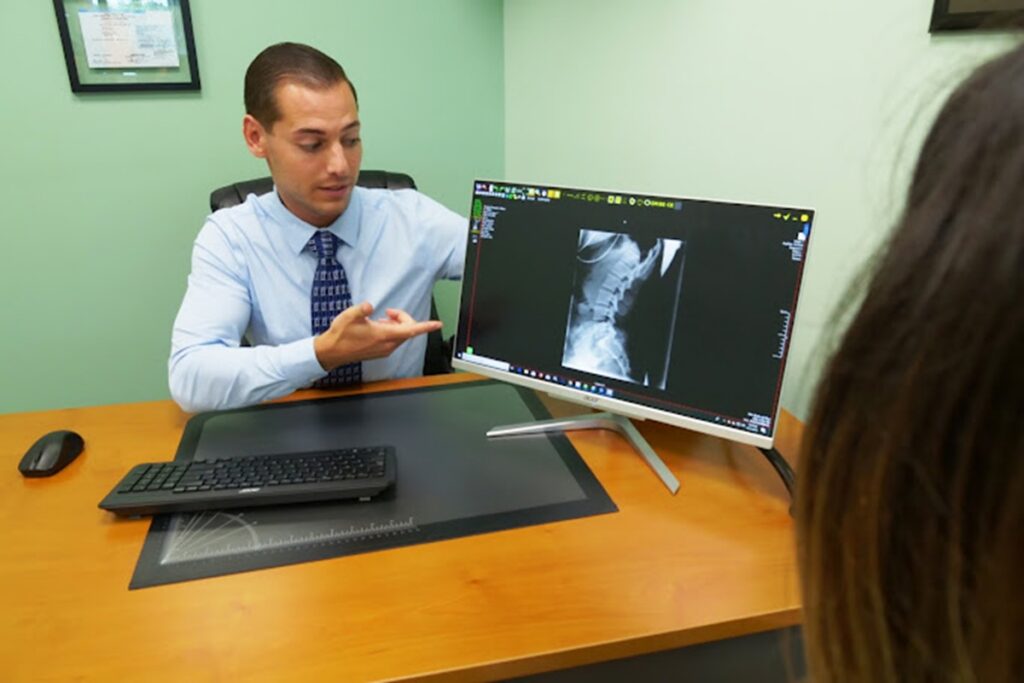
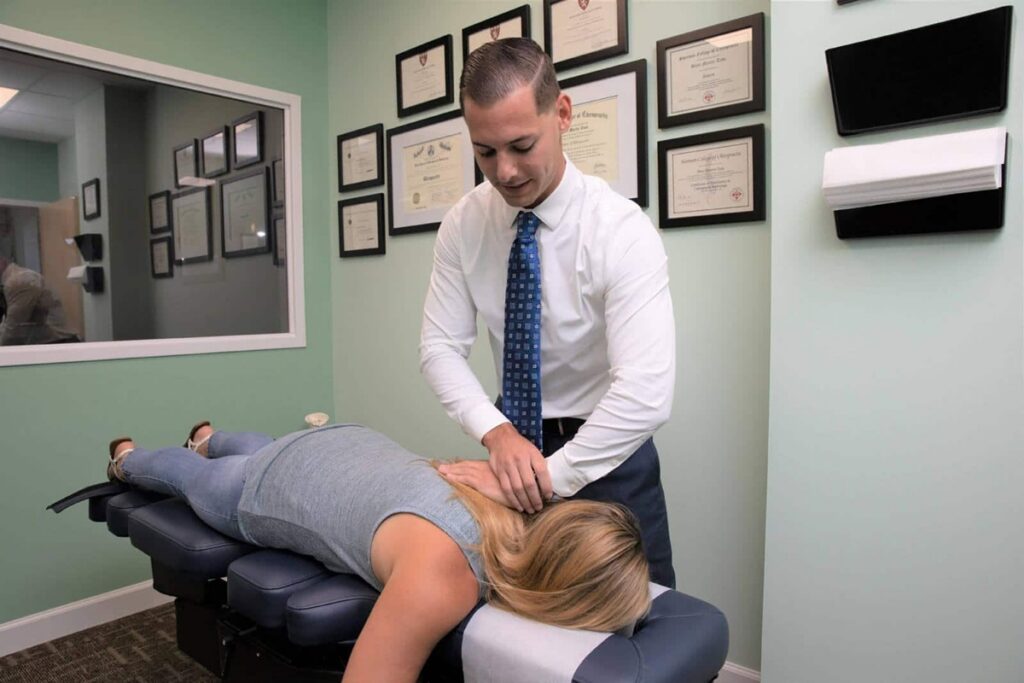
At ShoreLife Chiropractic & Wellness, Dr. Brett Tave takes a whole-body approach to evaluating carpal tunnel complaints. That means assessing the cervical spine, shoulder, elbow, and wrist together — because the health of the nerve pathway matters from top to bottom. Chiropractic adjustments to the cervical and thoracic spine can help restore proper alignment and reduce nerve interference that may be contributing to symptoms. Wrist and elbow adjustments can also be performed to address joint restrictions that affect how well the median nerve can move through its surrounding tissues.
Beyond adjustments, soft tissue techniques may be used to address muscle tension in the forearm and wrist flexors — tight muscles in this region can directly contribute to increased pressure within the carpal tunnel. Therapeutic exercises and stretching guidance are often incorporated to help patients build strength and flexibility in the surrounding structures, reducing strain on the nerve over time.
It’s also worth noting that chiropractic care doesn’t exist in a vacuum. If it becomes clear that a patient needs additional diagnostics or co-management with another healthcare provider, a good chiropractor will make those appropriate referrals. The goal at ShoreLife Chiropractic & Wellness is always what’s best for the patient — not fitting everyone into the same cookie-cutter approach.

Practical Tips to Support Your Recovery
Whether you’ve just begun chiropractic care or you’re looking for ways to manage your symptoms between visits, there are several practical steps you can take at home and at work to reduce strain on the median nerve.
Ergonomics matter enormously. If you work at a computer, pay close attention to how your wrists are positioned while typing. Ideally, your wrists should be in a neutral, flat position — not bent upward or downward. A padded wrist rest can help maintain this alignment, and positioning your keyboard and mouse at elbow height reduces the awkward angles that place stress on the carpal tunnel. Taking short breaks every 30 to 60 minutes to gently stretch and shake out your hands can also reduce cumulative strain throughout the workday.
Sleep positioning is another frequently overlooked factor. Many people unconsciously curl their wrists while sleeping, which increases pressure within the carpal tunnel overnight. Wearing a neutral-position wrist splint during sleep — especially in the early stages of symptoms — is something worth discussing with Dr. Brett Tave at your next visit to ShoreLife Chiropractic & Wellness in Brick Township, NJ.
Staying active and maintaining overall health also plays a role. Gentle movement, stretching the wrist flexors and extensors, and keeping inflammation in check through a balanced diet can all support nerve health. If you smoke, reducing tobacco use is worth considering, as it can negatively affect circulation and nerve function over time.
|
Ergonomic Mistake |
Better Approach |
Why It Matters |
|---|---|---|
|
Wrists bent upward while typing |
Keep wrists flat and neutral |
Reduces pressure inside the carpal tunnel |
|
Mouse positioned too far from the body |
Keep mouse close, elbow at ~90° |
Prevents shoulder and wrist overextension |
|
No breaks during long computer sessions |
Stretch and rest every 30–60 minutes |
Reduces cumulative repetitive stress |
|
Sleeping with wrists curled inward |
Use a neutral-position wrist splint at night |
Prevents prolonged compression of the median nerve |
|
Ignoring neck and upper back posture |
Maintain upright posture; support cervical curve |
Reduces nerve tension throughout the entire arm |
When to See a Chiropractor
If your symptoms are mild and have been present for a relatively short time, chiropractic care is often an excellent first step. Early intervention with conservative care can sometimes prevent the condition from progressing to the point where more invasive treatments are needed. If you’re noticing numbness, tingling, or wrist pain that’s affecting your work, sleep, or quality of life — even occasionally — that’s a good reason to schedule an evaluation.
That said, there are certain signs that should prompt you to seek prompt medical attention. Sudden, severe loss of hand function, significant muscle wasting at the base of the thumb, or symptoms that appear alongside neck trauma are all red flags that warrant immediate evaluation by a physician. If you’ve already been diagnosed with carpal tunnel syndrome and conservative care hasn’t provided improvement after an appropriate period of time, a referral for further evaluation may also be appropriate — and Dr. Brett Tave will always be honest with you about where you stand and what the next best step might be.
For most patients living in Brick Township, NJ, and the surrounding communities, the journey starts with a thorough consultation and assessment at ShoreLife Chiropractic & Wellness. Understanding the full picture of what’s going on with your spine, posture, and nerve pathways is the foundation of any effective care plan.
Myths vs. Facts About Carpal Tunnel Care
Myth: Surgery is the only real solution for carpal tunnel syndrome.
Fact: Surgery may be necessary in severe or advanced cases, but it is far from the only option. Many patients with mild to moderate carpal tunnel syndrome experience meaningful improvement with conservative approaches, including chiropractic care, ergonomic modifications, and therapeutic exercises. Non-invasive options are widely recommended as a first course of action by many clinical guidelines.
Myth: Carpal tunnel syndrome only affects the wrist.
Fact: While symptoms appear in the wrist and hand, the underlying contributors often involve the entire nerve pathway from the cervical spine to the fingertips. Addressing only the wrist without evaluating the neck, shoulder, and elbow can mean missing important pieces of the puzzle. A comprehensive evaluation — like the kind offered at ShoreLife Chiropractic & Wellness — considers the whole kinetic chain.
Myth: Chiropractic care is only for back and neck pain.
Fact: Chiropractors are trained in the assessment and management of the entire musculoskeletal and nervous system, which includes extremity conditions like carpal tunnel syndrome. Adjustments to the wrist, elbow, and cervical spine, along with soft tissue care and rehabilitation, are all within the scope of chiropractic practice.
Myth: If symptoms are mild, you don’t need to do anything.
Fact: Mild, early-stage symptoms are actually the best time to intervene, because the nerve has the greatest potential for recovery when compression has been present for a shorter period. Waiting until symptoms become severe can make recovery longer and more difficult. Don’t wait — early evaluation is always a smart move.
Myth: Wearing a wrist brace will fix carpal tunnel syndrome.
Fact: Wrist bracing can help manage symptoms — especially at night — but it doesn’t address the underlying causes of nerve compression. It’s a supportive tool, not a standalone solution. A full assessment and targeted care plan are far more likely to produce lasting results.
Final Thoughts from ShoreLife Chiropractic & Wellness
Carpal tunnel syndrome is more than just a wrist issue — it’s a nerve issue with roots that often extend well beyond the hand. The tingling, the numbness, the lost grip strength — these are your body’s signals that something along the nerve pathway needs attention. The encouraging news is that you have options, and many of them don’t involve needles, medications, or surgery.
Here at ShoreLife Chiropractic & Wellness in Brick Township, NJ, Dr. Brett Tave is committed to helping patients throughout the local community find real, lasting relief through thoughtful, individualized care. Whether you’re a desk worker whose hands ache by midafternoon, a tradesperson dealing with chronic wrist pain, or someone who simply wants to understand what’s happening in your body, you deserve an evaluation that looks at the whole picture.
You don’t have to keep pushing through the discomfort or assume surgery is inevitable. Conservative chiropractic care has helped many people in Brick Township and the surrounding areas of Ocean County get back to living comfortably. Reach out to ShoreLife Chiropractic & Wellness to take the first step — your hands work hard for you every single day, and they’re worth taking care of.
Frequently Asked Questions
Can a chiropractor actually treat carpal tunnel syndrome?
Yes, chiropractors are trained to assess and provide conservative care for conditions like carpal tunnel syndrome. This may include spinal and extremity adjustments, soft tissue therapy, and ergonomic guidance. Research suggests that these approaches can be helpful for mild to moderate presentations of the condition.
How many chiropractic visits does it take to see improvement?
This varies significantly from person to person and depends on how long symptoms have been present, their severity, and individual health factors. Some patients notice improvement within a few weeks, while others require a longer course of care. Dr. Brett Tave will give you an honest assessment and a realistic timeline based on your specific situation.
Is carpal tunnel syndrome the same as wrist tendinitis?
No — they are distinct conditions. Carpal tunnel syndrome involves compression of the median nerve within the carpal tunnel, while wrist tendinitis refers to inflammation of the tendons around the wrist joint. Symptoms can overlap, which is why professional evaluation is important for an accurate understanding of what’s going on.
What’s the difference between carpal tunnel syndrome and thoracic outlet syndrome?
Both conditions involve nerve compression that can cause arm and hand symptoms, but they originate in different locations. Thoracic outlet syndrome involves compression of nerves or blood vessels between the collarbone and first rib, while carpal tunnel syndrome involves the median nerve at the wrist. A chiropractor can help differentiate between these and other similar conditions during a thorough evaluation.
Can carpal tunnel syndrome come back after treatment?
It can, particularly if the underlying contributing factors — like repetitive posture habits or workplace ergonomics — aren’t addressed. That’s why education and preventive strategies are an important part of any good care plan. Staying proactive with your posture, movement habits, and periodic chiropractic check-ins can help reduce the risk of recurrence.
Should I see a chiropractor or an orthopedist first for carpal tunnel symptoms?
For mild to moderate symptoms without red flags, starting with conservative care — like chiropractic — is a reasonable first step that is consistent with many current clinical guidelines. If symptoms are severe, rapidly worsening, or involve significant muscle weakness or loss of function, an orthopedic evaluation may be more appropriate. When in doubt, a consultation with Dr. Brett Tave at ShoreLife Chiropractic & Wellness in Brick Township, NJ can help point you in the right direction.
TL;DR Summary
-
Carpal tunnel syndrome involves compression of the median nerve at the wrist, but its root causes often involve the cervical spine and the entire nerve pathway.
-
Symptoms include numbness, tingling, hand weakness, and wrist pain — often worse at night or after repetitive activities.
-
Chiropractic care offers a non-surgical, drug-free approach that addresses the spine, joints, and soft tissues along the full nerve pathway.
-
Ergonomic improvements, neutral wrist positioning, and regular movement breaks are practical ways to reduce day-to-day stress on the median nerve.
-
Early evaluation is key — mild symptoms are the best time to intervene, and Dr. Brett Tave at ShoreLife Chiropractic & Wellness in Brick Township, NJ is here to help guide you through your options.