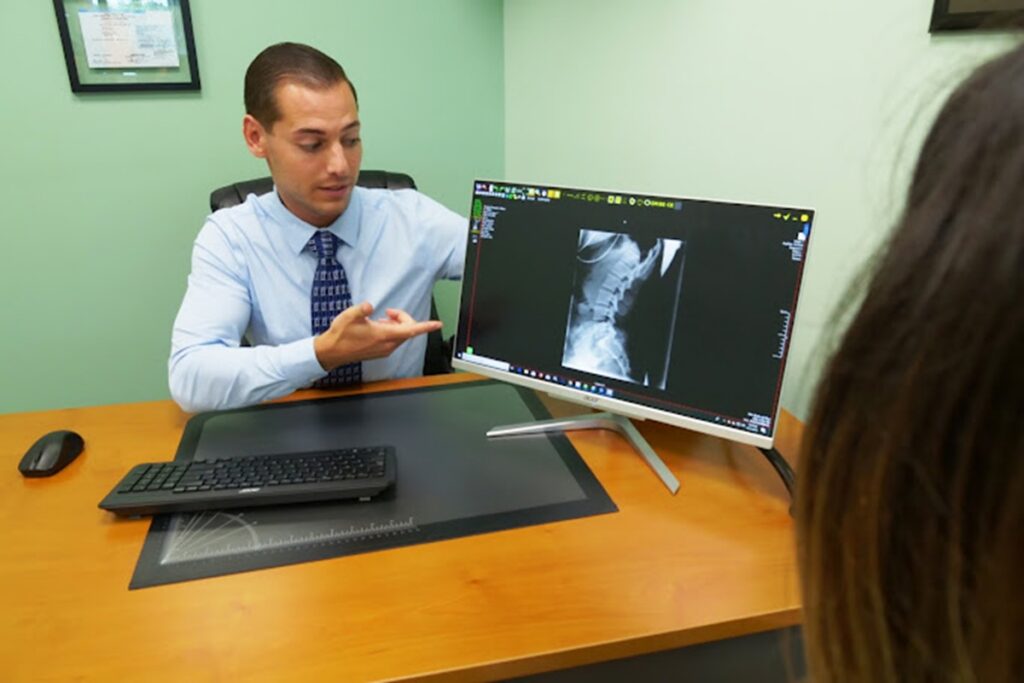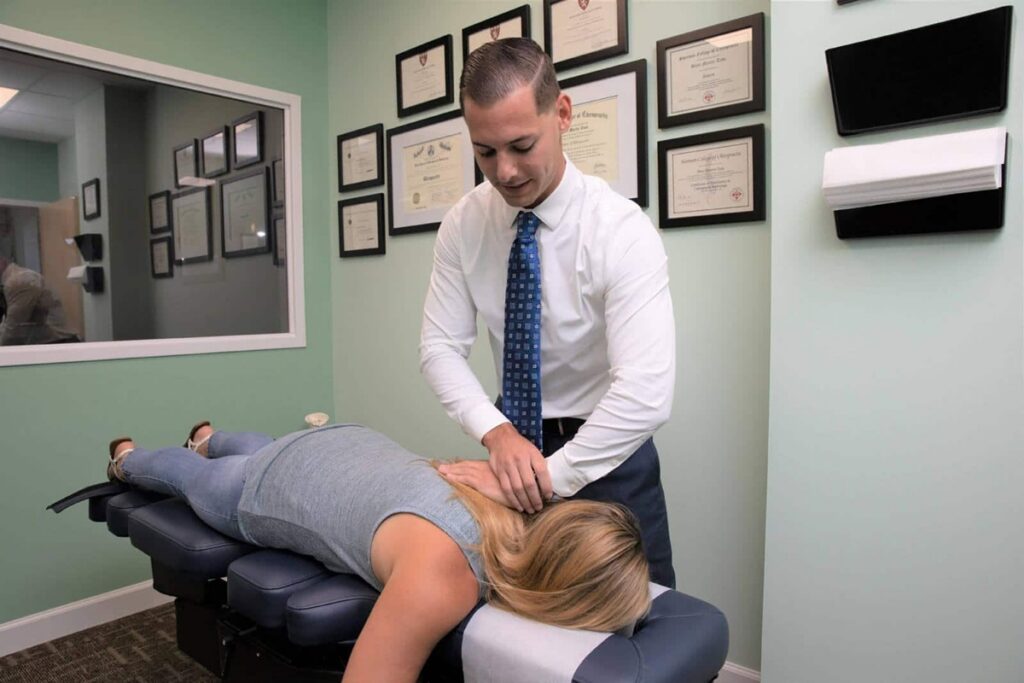

Whether you’re hitting the gym for the first time, getting back into a workout routine after a break, or training hard as a seasoned athlete, how you move matters just as much as how often you move. Here in Brick Township, NJ, we see patients of all fitness levels walk through the doors at ShoreLife Chiropractic & Wellness — and one thing is almost always true: most people are working hard but missing a few key pieces that keep their body healthy and injury-free. Dr. Brett Tave has worked with active patients throughout the Brick Township community and wants to share some practical, evidence-informed fitness tips that can help you move better, feel stronger, and stay out of pain.
What Are Fitness Tips From a Chiropractor?
Chiropractic fitness tips go beyond just “stretch more” or “lift heavier.” They focus on spinal alignment, joint health, proper movement mechanics, and nervous system function — all of which play a critical role in how well your body performs and recovers. Think of it as building your fitness on a solid structural foundation.
- Why Movement Health Matters as Much as Fitness
- Common Fitness Mistakes That Lead to Injury
- How Chiropractic Care Supports an Active Lifestyle
- Practical Fitness Tips From Dr. Brett Tave
- When to See a Chiropractor About a Fitness-Related Issue
- Helpful Workout Habits: What to Do vs. What to Avoid
- Myths vs. Facts About Exercise and Chiropractic Care
- Final Thoughts From ShoreLife Chiropractic & Wellness
- Frequently Asked Questions
- TL;DR Summary
Why Movement Health Matters as Much as Fitness
Most people think about fitness in terms of calories burned, weight lifted, or miles run. But from a chiropractic perspective, how your body moves is the real foundation of long-term health and performance. Your spine, joints, and muscles don’t work in isolation — they function as an interconnected system. When one part is misaligned or moving inefficiently, the rest of the body compensates, and that’s often where injuries and chronic pain begin.
Research from the World Health Organization and the American Chiropractic Association consistently highlights the importance of musculoskeletal health in overall wellness. Poor movement patterns, muscular imbalances, and spinal misalignments can quietly develop over time and eventually lead to conditions like lower back pain, shoulder impingement, knee problems, or even headaches. The good news? Many of these issues are preventable with the right habits and professional guidance.
Here in Brick Township, Dr. Brett Tave sees a wide range of patients — from weekend runners along the Jersey Shore to parents chasing their kids around — and the pattern is consistent. People who pay attention to how they move, not just how much they move, tend to stay healthier and more active for longer. Movement quality is your most valuable long-term fitness asset.
Common Fitness Mistakes That Lead to Injury
One of the most helpful things a chiropractor can do is help you spot the habits that silently set you up for injury. Many of these mistakes are incredibly common, and most people don’t even realize they’re doing them.
Skipping the Warm-Up
A cold muscle is a less resilient muscle. Jumping straight into intense exercise without warming up increases your risk of strains, sprains, and joint stress. A proper warm-up gradually increases blood flow and prepares your joints for the demands of movement. Even five to ten minutes of light cardio and dynamic stretching makes a measurable difference.
Neglecting Core Stability
Many people equate “core” with six-pack abs, but true core stability involves the deep stabilizing muscles of the abdomen, back, hips, and pelvis. These muscles protect your spine during every lift, run, or twist. When they’re weak or inactive, other structures — like your lumbar discs or sacroiliac joints — absorb forces they weren’t designed to handle. Dr. Brett Tave frequently works with patients in Brick Township whose low back pain stems directly from poor core activation rather than a structural problem.
Training Through Pain
There’s an important difference between the discomfort of a hard workout and the warning signal of pain. Pushing through joint pain, sharp discomfort, or pain that changes how you move is one of the most common ways minor issues become major injuries. If something hurts in a way that doesn’t feel like normal muscle fatigue, it’s worth getting evaluated before continuing.
Imbalanced Training
Many people favor the movements they enjoy or the muscle groups that feel easier to train. Over time, this creates strength and flexibility imbalances throughout the body. These imbalances alter posture, change movement mechanics, and place uneven stress on joints and spinal structures. A balanced program trains opposing muscle groups equally and gives attention to mobility work, not just strength.
How Chiropractic Care Supports an Active Lifestyle
Chiropractic care isn’t just for people in pain — it’s a powerful tool for anyone who wants to stay active, perform better, and recover faster. At ShoreLife Chiropractic & Wellness in Brick Township, NJ, Dr. Brett Tave takes a whole-body approach to fitness and movement health that goes well beyond addressing symptoms.
Spinal adjustments help restore proper alignment and joint mobility, which can directly affect how efficiently you move. When your spine and pelvis are properly aligned, your muscles can activate and function more effectively. Evidence from the National Center for Complementary and Integrative Health (NCCIH) suggests that spinal manipulation can be effective in managing musculoskeletal conditions common among active individuals, including low back pain, neck pain, and certain types of headaches.
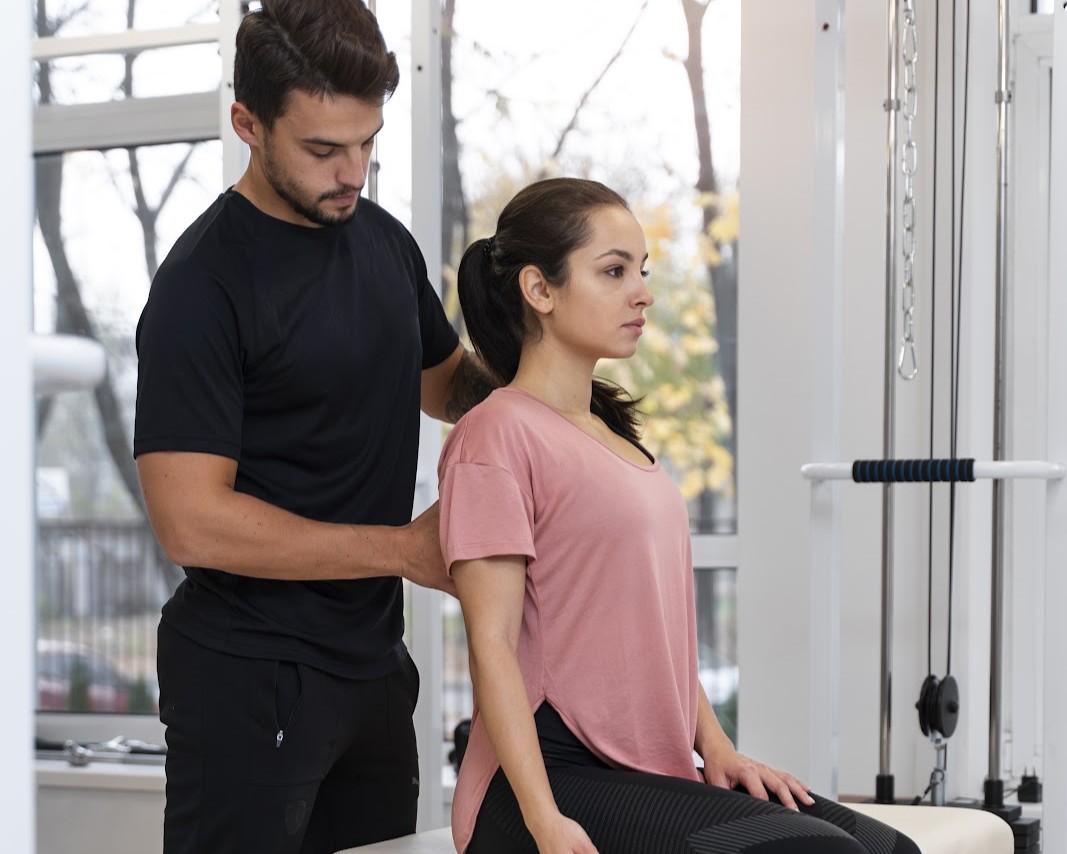
Beyond adjustments, chiropractic care often includes soft tissue work, rehabilitation exercises, and posture correction — all of which are directly relevant to fitness performance. Dr. Brett Tave may assess how you move in patterns like squatting, hinging, or reaching to identify mechanical inefficiencies before they become painful. This proactive approach helps active patients in the Brick Township area stay consistent with their training rather than cycling through injury and recovery.
Athletes and recreational exercisers alike benefit from regular chiropractic evaluations. Think of it the same way you’d think about regular maintenance on a car — small adjustments and check-ins prevent bigger breakdowns down the road.
Practical Fitness Tips From Dr. Brett Tave
These are the recommendations Dr. Brett Tave most commonly shares with active patients at ShoreLife Chiropractic & Wellness. They’re practical, safe, and grounded in sound musculoskeletal principles.
Prioritize Mobility Alongside Strength
Strength without mobility is a recipe for dysfunction. Incorporate regular hip flexor stretches, thoracic spine rotations, and shoulder mobility drills into your routine. These don’t need to be long sessions — even ten minutes of dedicated mobility work a few times per week can significantly reduce injury risk and improve how your body feels during exercise.
Learn to Breathe and Brace Properly
Proper intra-abdominal pressure — created through correct breathing and bracing technique — is essential for spinal protection during lifting. Before any heavy or loaded movement, take a diaphragmatic breath, brace your core like you’re bracing for a punch, and then move. This simple habit protects your lumbar spine and transfers force more efficiently through your body.
Pay Attention to Sleep and Recovery
Recovery is when your body actually adapts and gets stronger. Consistently poor sleep or inadequate recovery between sessions increases inflammation, impairs muscle repair, and raises your injury risk. Prioritizing seven to nine hours of quality sleep is arguably the most underrated fitness tip there is. Your spine also recovers during sleep — the discs rehydrate and decompress when you’re lying down, making rest genuinely restorative for your musculoskeletal system.
Vary Your Movement Patterns
Repetitive stress on the same joints and tissues — even from beneficial activities like running — can lead to overuse injuries over time. Cross-training with different activities, mixing impact and non-impact exercise, and rotating your workouts helps distribute stress more evenly and keeps your body adaptable.
Be Honest About Your Posture Outside the Gym
You might spend one hour exercising and eight hours sitting. The posture habits you carry throughout the day — how you sit at a desk, hold your phone, carry a bag — have a cumulative impact on your spinal health. Great workouts can’t fully undo hours of poor posture. Small adjustments to your everyday ergonomics make a meaningful difference in how your body responds to exercise.
When to See a Chiropractor About a Fitness-Related Issue
You don’t have to wait until you’re in significant pain to visit a chiropractor. In fact, earlier intervention is almost always more effective. If you’re experiencing persistent stiffness after workouts, recurring soreness in the same area, or movement that feels restricted or uneven, those are meaningful signals worth investigating.
Specific reasons to schedule an evaluation with Dr. Brett Tave at ShoreLife Chiropractic & Wellness include joint pain that lingers more than a few days after exercise, recurring injuries in the same area, noticeable asymmetry in how you move, sharp pain during lifts, or pain that radiates into your arms or legs during activity. These symptoms suggest there may be an underlying mechanical issue that’s limiting your performance and increasing your injury risk.
There are also red flags that warrant immediate medical attention rather than chiropractic care alone. These include chest pain during exercise, sudden severe headache, loss of bladder or bowel control, numbness or weakness affecting an entire limb, or any injury involving significant trauma. In those cases, please seek emergency medical care right away.
Helpful Workout Habits: What to Do vs. What to Avoid
| Habit | What to Do | What to Avoid |
|---|---|---|
| Warm-Up | 5–10 minutes of light cardio and dynamic movement | Jumping straight into heavy lifts or sprints |
| Core Training | Include deep stabilizer exercises like dead bugs and planks | Focusing only on crunches or superficial ab work |
| Pain Response | Stop and assess — get evaluated if pain persists | Pushing through joint or sharp pain during a workout |
| Mobility Work | Daily or near-daily hip, spine, and shoulder mobility drills | Skipping stretching because “you don’t have time” |
| Recovery | 7–9 hours of sleep, rest days, and light movement | Training intensely every day without recovery built in |
| Posture | Regular posture checks at your desk and during daily activities | Sitting in a rounded, forward-head posture for hours |
Myths vs. Facts About Exercise and Chiropractic Care
Myth: You should rest completely when you have back pain from exercise.
Fact: While very acute injuries may require brief rest, prolonged bed rest is generally not recommended for most musculoskeletal conditions. Evidence from leading organizations like the American College of Physicians suggests that staying gently active and maintaining movement is typically more beneficial for recovery than complete rest. A chiropractor can help guide you through appropriate movement during recovery.
Myth: Chiropractic care is only for people who are already injured.
Fact: Many athletes and active individuals use chiropractic care proactively as part of their wellness and performance routine. Regular evaluations can identify movement inefficiencies and joint restrictions before they become painful problems. At ShoreLife Chiropractic & Wellness, Dr. Brett Tave works with active patients who simply want to stay at their best — not just those who are hurting.
Myth: If you’re flexible, you don’t need to worry about injury.
Fact: Flexibility and stability are two different things. Hypermobility — being excessively flexible — without adequate muscular control and joint stability can actually increase injury risk. A well-rounded fitness program addresses both mobility and the strength to control that range of motion effectively.
Myth: Core training means doing lots of sit-ups and crunches.
Fact: The deep stabilizing muscles of the core — such as the transverse abdominis and multifidus — are primarily activated through bracing, stabilization, and anti-rotation exercises, not traditional crunches. Exercises like planks, bird dogs, dead bugs, and pallof presses are generally more effective for building the kind of core stability that protects your spine.
Myth: Chiropractic adjustments are dangerous for people who exercise regularly.
Fact: Chiropractic adjustments are a well-researched, low-risk intervention for musculoskeletal conditions when performed by a licensed professional. For active individuals, adjustments can actually support performance by restoring joint mobility and improving movement efficiency. Dr. Brett Tave tailors care to each patient’s health status, fitness level, and goals.
Final Thoughts From ShoreLife Chiropractic & Wellness
Fitness is one of the most powerful investments you can make in your long-term health — and here in Brick Township, NJ, we’re fortunate to have a community that values staying active. Whether you’re walking on the beach, playing recreational sports, hitting the gym, or chasing your kids around the yard, your body deserves support that matches your effort.
At ShoreLife Chiropractic & Wellness, Dr. Brett Tave is passionate about helping the Brick Township community move better, feel stronger, and live with less pain. The goal has never been to just treat injuries after they happen — it’s to give you the tools and guidance to prevent them in the first place. Fitness and chiropractic care are a natural partnership, and together they help you build a healthier, more resilient body for the long haul.
If you’ve been dealing with nagging discomfort, recurring injuries, or you simply want to make sure you’re moving well, we’re here to help. Come see us at ShoreLife Chiropractic & Wellness in Brick Township and let’s work together toward your healthiest, most active life.
Frequently Asked Questions
Can I see a chiropractor even if I’m not injured?
Absolutely. Many active individuals visit chiropractors for wellness care and performance support, not just injury treatment. Regular chiropractic evaluations can help identify mechanical issues and movement imbalances before they become painful problems.
How soon after a workout-related injury should I see a chiropractor?
In most cases, it’s appropriate to seek evaluation fairly quickly after a musculoskeletal injury, once any acute swelling is beginning to settle. Early intervention often leads to better outcomes. If you’re unsure, it’s always safe to call and describe your symptoms first.
Will chiropractic care improve my athletic performance?
Research suggests that chiropractic care can help improve joint mobility, reduce muscular tension, and support better movement mechanics — all of which may contribute to improved performance. Results vary by individual, and chiropractic care works best as part of a comprehensive wellness and training approach.
Is it safe to exercise after a chiropractic adjustment?
In most cases, yes — though the timing and type of exercise may depend on the nature of your condition and what was addressed during the visit. Dr. Brett Tave at ShoreLife Chiropractic & Wellness will give you personalized guidance based on your specific situation.
What types of exercise are best for spinal health?
Low-impact activities like walking, swimming, yoga, and strength training with proper form are generally well-supported for spinal health. The key is balanced training that includes both strength and mobility, paired with proper recovery. A chiropractor can help you identify the best fit for your body and goals.
How often should I see a chiropractor if I’m active?
This varies depending on your fitness level, health history, and goals. Some active patients benefit from monthly wellness visits, while others need more frequent care during periods of intense training or recovery. Dr. Brett Tave can help you establish a schedule that makes sense for your lifestyle.
TL;DR Summary
- Movement quality — not just quantity — is the foundation of long-term fitness and spinal health.
- Common fitness mistakes like skipping warm-ups, neglecting core stability, and training through pain significantly increase injury risk.
- Chiropractic care supports active individuals by improving joint mobility, correcting movement mechanics, and addressing musculoskeletal issues proactively.
- Simple habits like mobility work, proper breathing and bracing, balanced training, and good posture throughout the day can dramatically reduce your injury risk.
- Dr. Brett Tave and the team at ShoreLife Chiropractic & Wellness in Brick Township, NJ are here to help you stay active, move well, and feel your best.