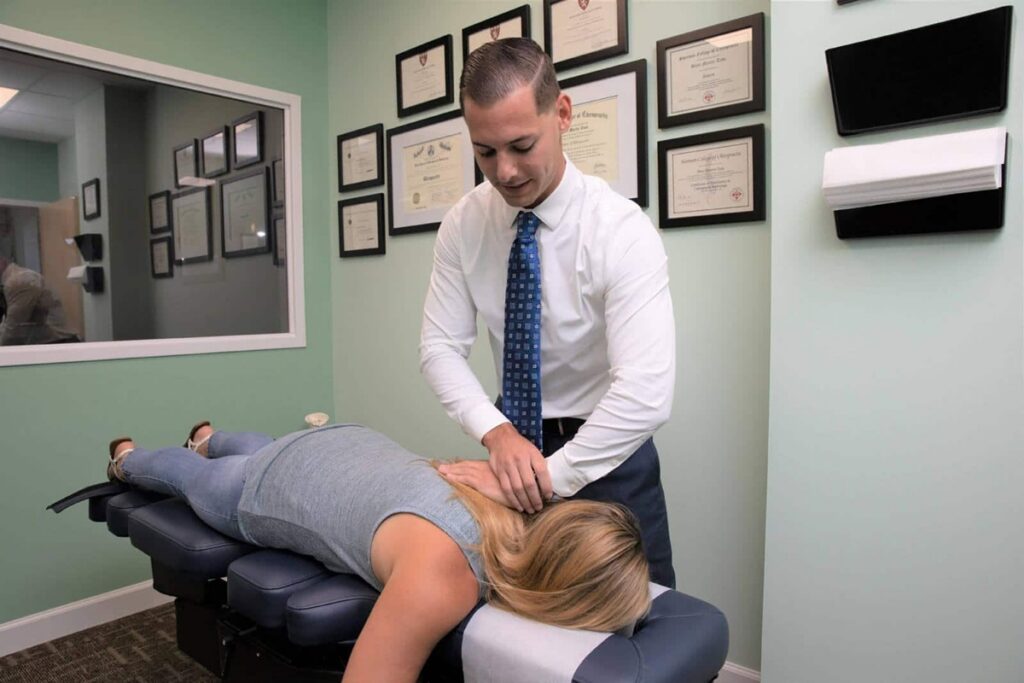

Hip pain has a way of stopping you in your tracks. Whether it’s a dull ache that builds throughout the day or a sharp twinge that catches you off guard on the stairs, the instinct is almost always the same — slow down, sit down, and rest it out. That instinct feels completely logical. Pain means something is wrong, so why push through it? Here at ShoreLife Chiropractic & Wellness in Brick Township, NJ, Dr. Brett Tave works with hip pain patients every week, and one of the most common things he hears is, “I’ve been resting it for weeks, but it just keeps getting worse.” If that sounds familiar, you’re in the right place. This article explains why prolonged rest is often counterproductive for hip pain — and what actually helps.
Why does resting hip pain make it worse?
Prolonged rest leads to muscle weakening, joint stiffness, reduced circulation, and compensatory movement patterns that place more strain on the hip and surrounding structures. While short-term rest after an acute injury can be appropriate, extended inactivity tends to slow healing, increase pain sensitivity, and create new problems elsewhere in the body.
Understanding Hip Pain: What’s Actually Going On
The hip is one of the most complex and load-bearing joints in the human body. It connects the lower limbs to the pelvis and spine, supports your body weight during standing, walking, and climbing, and allows a remarkable range of motion in multiple directions. Because it does so much, when something goes wrong in the hip, the effects ripple outward — often into the lower back, knee, and even the foot.
Hip pain isn’t always sourced from within the hip joint itself. In many cases, the discomfort you feel in or around the hip is coming from the muscles, tendons, bursae, or even the lumbar spine. The iliotibial band, the hip flexors, the gluteal muscles, and the piriformis are all common contributors to hip pain. Understanding this is important because it changes how the pain should be managed. A tight piriformis doesn’t get better with bed rest — it gets worse.
Here in Brick Township, NJ, Dr. Brett Tave sees patients from all walks of life dealing with hip pain. Some are weekend warriors who overdid it at the Jersey Shore. Others are desk workers who’ve been sitting in the same chair for years. And many are older adults who’ve been told their hip pain is just part of aging. In almost all of these cases, the underlying issue involves muscle imbalance, joint restriction, or postural strain — all things that active, targeted care can genuinely help.
The Rest Myth: Why Staying Still Isn’t the Answer
The idea that rest heals all injuries is deeply ingrained in how most of us were raised. Hurt your ankle? Stay off it. Pulled a muscle? Don’t move. And while there’s a time and place for relative rest — particularly in the very early stages of an acute injury — extending that rest for days or weeks when dealing with chronic or subacute hip pain can actually set you back significantly.
Here’s what happens physiologically when you rest for too long. The muscles around your hip, including the glutes, hip flexors, and deep rotators, begin to weaken from disuse. Weakened muscles are less able to support and stabilize the hip joint. Without that muscular support, the joint faces more stress with every movement. Additionally, joint cartilage receives its nutrition through movement — synovial fluid is pumped through the joint when you move. Extended rest deprives the cartilage of this nourishment, increasing stiffness and discomfort over time.
There’s also a neurological side to this equation. When you stop moving a painful area, you can inadvertently reinforce the brain’s perception of that area as vulnerable. Research in pain science has shown that avoiding movement can increase pain sensitivity over time, a concept often referred to as central sensitization. In other words, the longer you avoid using your hip, the more threatening movement begins to feel — even if the underlying tissue is ready to heal.
Then there are the compensatory patterns. When your hip hurts and you rest it, you unconsciously start to shift weight away from it. You limp. You sit differently. You favor one side. These adaptations create strain in neighboring areas — the opposite hip, the lower back, the knee. What started as isolated hip pain can bloom into a full chain of discomfort if inactivity goes on long enough.
Common Causes of Hip Pain in Active and Sedentary Adults
Hip pain has a wide range of potential sources, and identifying the underlying cause is the first step toward effective care. Some of the most common culprits Dr. Brett Tave evaluates at ShoreLife Chiropractic & Wellness include the following.
Hip flexor tightness and weakness are extremely common in people who sit for long periods. When the hip flexors remain shortened for hours at a time, they can develop adaptive shortening that pulls on the pelvis, tilts it anteriorly, and creates pain both in the hip and lower back. Resting — which usually means more sitting — only deepens this problem.
Gluteal muscle dysfunction is another frequent finding. The gluteus medius, in particular, plays a critical role in stabilizing the pelvis during walking and single-leg movements. When this muscle is weak or inhibited, the pelvis drops on the opposite side with each step, creating significant stress at the hip joint and IT band. Strengthening these muscles through targeted movement is essential for recovery — rest will not restore muscle function on its own.
Bursitis, or inflammation of the bursae (small fluid-filled sacs that cushion the hip joint), is another common source of pain, particularly on the outer hip. While temporary rest may calm acute flare-ups, long-term rest leads to muscle atrophy and continued mechanical dysfunction that keeps the bursitis from resolving fully.
Hip osteoarthritis is one of the most common reasons people in Brick Township and across Ocean County reach out to conservative care providers. While the cartilage changes in osteoarthritis are real, many patients experience significantly more pain and disability than the imaging would suggest — often because of muscle weakness and movement avoidance layered on top of the joint changes. Movement and active care can make a meaningful difference in quality of life, even in the presence of arthritis.
How Chiropractic Care Fits Into Hip Pain Recovery
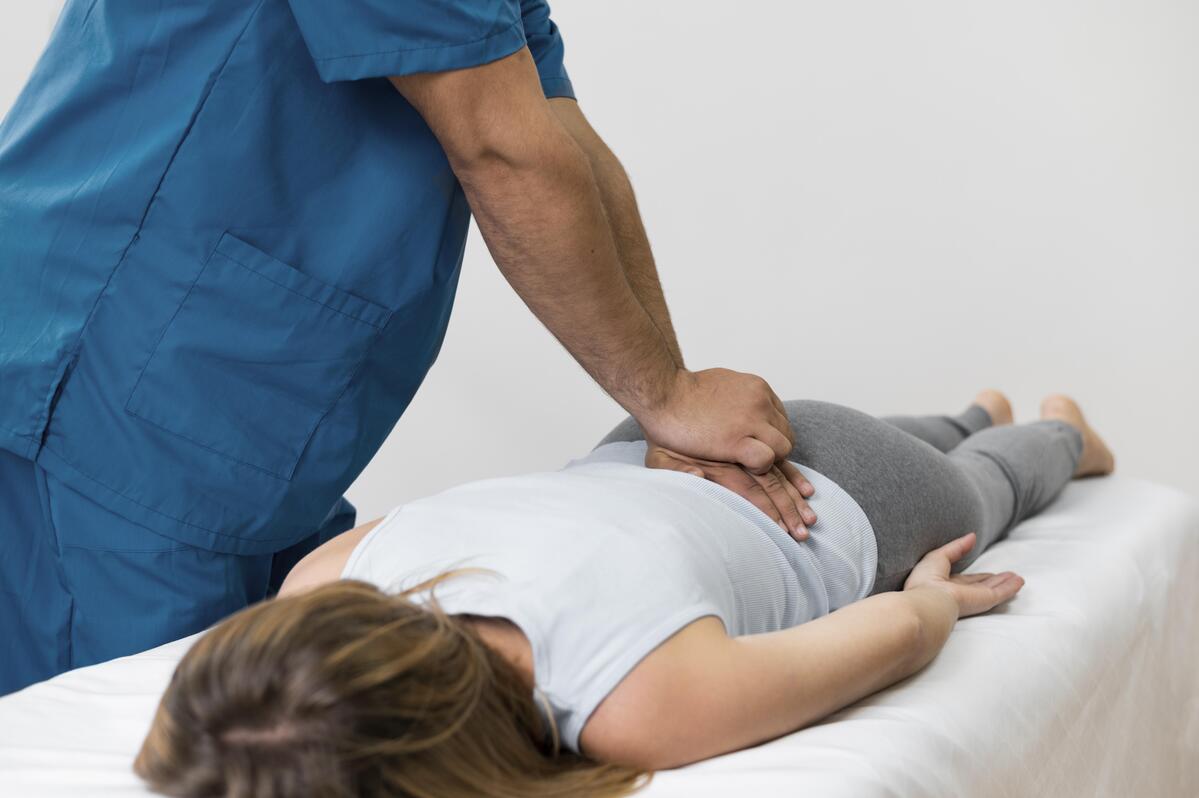
Chiropractic care offers a drug-free, non-surgical approach to hip pain that focuses on restoring function, reducing mechanical strain, and supporting the body’s natural healing process. At ShoreLife Chiropractic & Wellness in Brick Township, NJ, Dr. Brett Tave takes a thorough approach to evaluating hip pain — looking not just at the hip itself, but at the entire kinetic chain, including the pelvis, lumbar spine, and lower extremity alignment.
Chiropractic adjustments to the lumbar spine and pelvis can help restore proper joint mechanics, reduce nerve irritation, and improve the muscular balance that supports the hip. When the sacroiliac joint or lumbar vertebrae are restricted or misaligned, they can alter how load is distributed through the hip. Addressing these restrictions can provide meaningful relief and reduce the mechanical stress contributing to hip pain.
Beyond spinal adjustments, chiropractic care often incorporates soft tissue techniques, targeted therapeutic exercises, and movement re-education. The goal isn’t just to reduce pain — it’s to rebuild the strength, mobility, and coordination that protect the hip from recurring problems. This is fundamentally different from passive rest. It’s an active partnership between the patient and the care team.
Evidence from organizations like the American Chiropractic Association and guidelines from groups such as the National Institutes of Health suggest that conservative, active care approaches are preferable first-line options for musculoskeletal pain, including hip pain. Chiropractic care aligns closely with these recommendations by emphasizing movement-based recovery over prolonged inactivity.
Practical Tips to Support Hip Health Every Day
You don’t have to wait for a flare-up to take care of your hips. There are straightforward, evidence-aligned habits that can support hip health and reduce the likelihood of pain becoming a persistent problem.
Break up your sitting time. If you work at a desk or spend long hours in the car, set a timer to stand and take a short walk every 45 to 60 minutes. Even two minutes of gentle movement can counteract some of the hip flexor tightening that comes with prolonged sitting.
Prioritize glute activation. Simple exercises like glute bridges, clamshells, and side-lying leg raises can help restore function to the gluteal muscles that are so critical for hip stability. These don’t require equipment and can be done at home. Dr. Brett Tave can guide you on the right exercises for your specific presentation.
Mind your sleeping position. Sleeping on your side without a pillow between your knees can place your hip in an awkward position for hours at a time. A supportive pillow between the knees while side sleeping helps keep the hip and pelvis in better alignment overnight.
Pay attention to footwear. Worn-out shoes or footwear with poor support can alter your gait in ways that translate stress upward into the hip. If you’re spending a lot of time on your feet around Brick Township — whether that’s walking the boardwalk or working on your feet — investing in quality supportive footwear matters.
Stay gently active. Walking, swimming, and cycling are generally low-impact activities that keep the hip moving without overloading it. Gentle movement encourages circulation, maintains joint nutrition, and prevents the deconditioning that makes hip pain worse over time.
When to See a Chiropractor for Hip Pain
If your hip pain has lasted more than a week or two and isn’t clearly improving, that’s a reasonable time to seek a professional evaluation. Waiting it out and resting, as we’ve discussed, tends to prolong the problem rather than resolve it. The sooner the underlying cause is identified, the sooner an effective recovery plan can be put in place.
Signs that it’s time to come in to ShoreLife Chiropractic & Wellness include hip pain that worsens after sitting, pain that affects your gait or balance, discomfort that radiates into the groin or down the thigh, stiffness in the morning that takes more than a few minutes to ease, and any hip pain that keeps you from activities you normally enjoy.
There are also red flags that warrant immediate medical attention rather than chiropractic care. These include hip pain following a fall or direct trauma, sudden severe pain with inability to bear weight, fever accompanied by joint pain, or unexplained weight loss alongside musculoskeletal symptoms. In these situations, Dr. Brett Tave would refer you promptly to the appropriate medical provider. Responsible chiropractic care always includes knowing when to refer.
Hip Pain: Rest vs. Active Recovery
|
Factor |
Prolonged Rest |
Active Recovery |
|---|---|---|
|
Muscle Strength |
Decreases with inactivity |
Maintained and improved |
|
Joint Mobility |
Decreases; stiffness increases |
Restored through gentle movement |
|
Cartilage Nutrition |
Reduced (less synovial fluid circulation) |
Supported by regular movement |
|
Pain Sensitivity |
May increase over time |
Often decreases with graded activity |
|
Compensatory Patterns |
Common; leads to secondary pain |
Identified and corrected through care |
|
Recovery Timeline |
Often prolonged |
Typically faster with guidance |
|
Overall Function |
Declines with prolonged rest |
Improves with structured rehabilitation |
Myths vs. Facts About Hip Pain
Myth: Hip pain is just a normal part of getting older.
Fact: While age-related changes in the hip joint are real, persistent hip pain is not an inevitable or untreatable consequence of aging. Many older adults experience significant improvement in hip pain and function through chiropractic care, exercise, and movement-based approaches. Age alone doesn’t mean you’re stuck with pain.
Myth: If your hip hurts, you should rest until it stops.
Fact: As this article explains, prolonged rest leads to muscle weakening, joint stiffness, and increased pain sensitivity. For the vast majority of hip pain presentations, gentle, guided movement is far more effective than extended rest. Active recovery is the evidence-supported approach.
Myth: Hip pain always means there’s something seriously wrong with the hip joint itself.
Fact: A large portion of hip pain originates in the surrounding muscles, tendons, bursae, or even in the lumbar spine and sacroiliac joint. The hip joint itself may be perfectly intact. Accurate diagnosis helps ensure you’re not over-worried — and that you’re treating the right thing.
Myth: Chiropractic care is only for back pain.
Fact: Chiropractors are trained to evaluate and manage a wide range of musculoskeletal conditions, including hip pain, knee pain, shoulder issues, and more. At ShoreLife Chiropractic & Wellness, Dr. Brett Tave regularly helps patients recover from hip pain through comprehensive, individualized care that extends well beyond the spine.
Myth: Surgery or injections are the only real solutions for hip pain.
Fact: For most non-traumatic hip pain, conservative care should be the first approach. Major health guidelines from organizations like the American College of Physicians recommend conservative, non-invasive management as first-line care for musculoskeletal conditions. Surgery and injections carry their own risks and are generally considered when conservative care has been genuinely exhausted.
Final Thoughts from ShoreLife Chiropractic & Wellness
Hip pain is frustrating, limiting, and — when you’re in the middle of it — it’s hard to imagine doing anything other than taking a break. But the research and clinical experience consistently point in the same direction: movement, when done correctly and with professional guidance, is medicine for the hip. Resting may feel like the responsible thing to do, but staying still too long robs your body of the very things it needs to heal.
Here at ShoreLife Chiropractic & Wellness in Brick Township, NJ, Dr. Brett Tave is passionate about helping the local community understand that hip pain doesn’t have to be permanent, and it doesn’t have to lead to surgery or a lifetime of pain medication. Whether you’re a young athlete, a working professional, or someone navigating the changes that come with getting older, there’s almost always a conservative, active path forward.
If you’ve been sitting on the sidelines — literally or figuratively — because of hip pain, we’d love to help you get moving again. Our team at ShoreLife Chiropractic & Wellness is here to serve the Brick Township community with honest, thorough, patient-centered care. You deserve to feel well and move freely. Don’t let another week of resting make the problem worse.
Frequently Asked Questions
How long should I rest a hip injury before seeing a chiropractor?
If your hip pain is due to a minor strain, a day or two of relative rest is reasonable. However, if pain persists beyond one to two weeks, or if it’s recurring, professional evaluation is appropriate. Waiting longer typically allows muscle weakening and compensatory habits to set in, which complicates recovery.
Can a chiropractor actually help with hip pain?
Yes. Chiropractors evaluate the hip, pelvis, sacroiliac joint, and lumbar spine as an interconnected system. Adjustments, soft tissue care, and prescribed therapeutic movement can all contribute to meaningful hip pain relief. The effectiveness of chiropractic care for musculoskeletal hip conditions is supported by conservative care guidelines from several major health organizations.
What is the most common cause of hip pain in adults?
There is no single most common cause — hip pain can stem from muscle tightness, bursitis, osteoarthritis, tendinopathy, sacroiliac joint dysfunction, or referred pain from the lumbar spine. An accurate assessment is important to identify the actual source and create an appropriate care plan.
Is it safe to exercise with hip pain?
In most cases, gentle, low-impact movement is not only safe but beneficial. Walking, swimming, and targeted therapeutic exercises are generally well-tolerated and support recovery. However, exercise selection should be guided by a professional to ensure you’re not aggravating the specific structures involved in your hip pain.
Can tight hip flexors from sitting cause hip pain?
Absolutely. Prolonged sitting shortens the hip flexors, which can tilt the pelvis and increase compressive forces in the hip joint. This is one of the most common contributors to hip pain in desk workers. Stretching, movement breaks, and corrective exercises can make a significant difference.
When is hip pain serious enough to need medical attention instead of chiropractic care?
Hip pain following a significant fall or trauma, pain accompanied by fever, sudden inability to bear weight, or hip pain with unexplained weight loss should be evaluated medically right away. These may indicate fractures, infection, or other serious conditions that fall outside the scope of chiropractic management. When in doubt, seek care quickly.
TL;DR
-
Prolonged rest for hip pain typically makes things worse by weakening muscles, stiffening the joint, and increasing pain sensitivity.
-
Hip pain often originates not just from the joint itself, but from surrounding muscles, tendons, bursae, or the lumbar spine and pelvis.
-
Chiropractic care at ShoreLife Chiropractic & Wellness addresses the underlying mechanical causes of hip pain through adjustment, soft tissue care, and active recovery guidance.
-
Practical habits like breaking up sitting time, activating the glutes, and choosing supportive footwear can meaningfully support hip health between visits.
-
If your hip pain has lasted more than a week or two without improvement, it’s time to get evaluated — Dr. Brett Tave and the team at ShoreLife Chiropractic & Wellness in Brick Township, NJ are here to help.