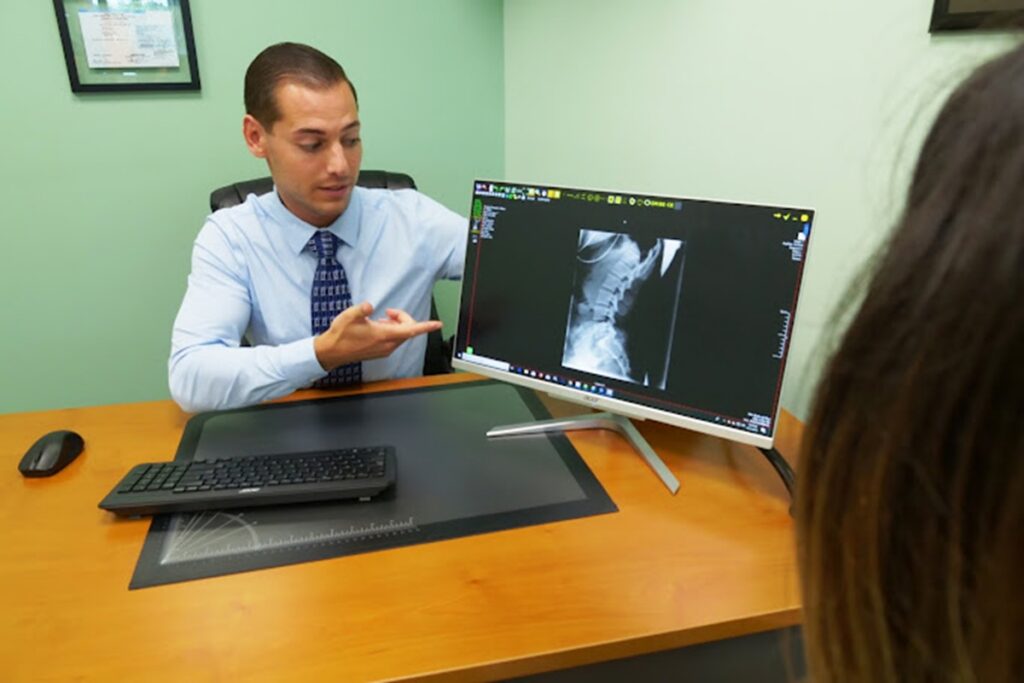
Did you know that your posture could significantly influence your health? Many people don’t realize how poor alignment can subtly impact their daily lives and overall well-being.
As a chiropractor, I want to encourage you to take a closer look at your posture habits. By identifying common mistakes and learning about effective strategies, you can embark on a journey toward better health.
Good posture is essential for a healthy spine and can help alleviate discomfort and prevent future issues. Chiropractic care is a natural and effective way to achieve optimal alignment and wellness.
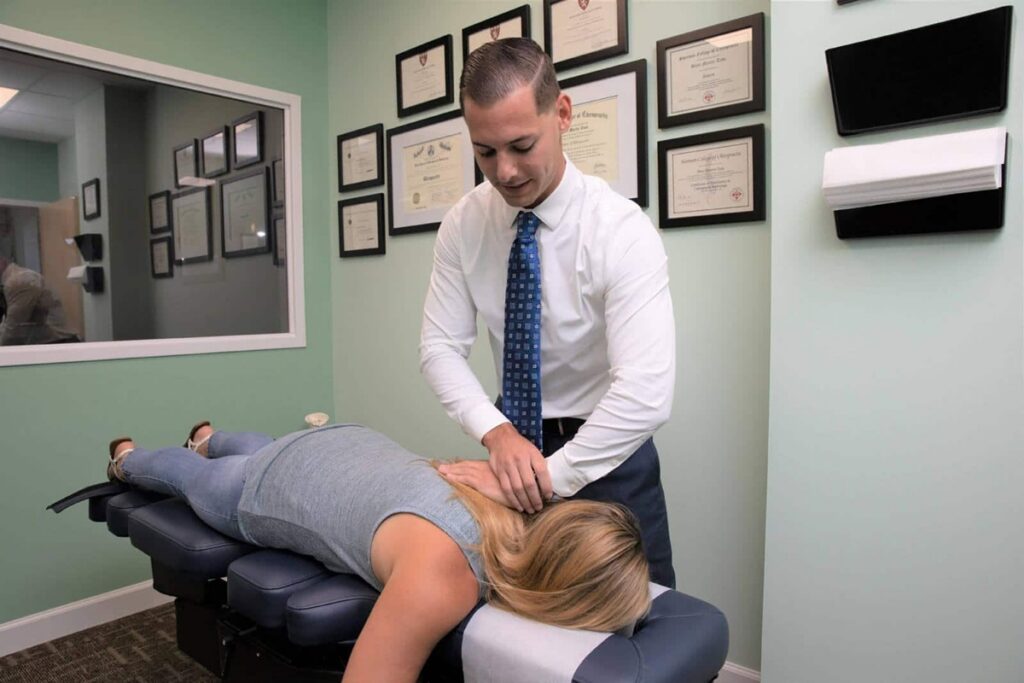
Through gentle adjustments, we can help restore balance to your body, enabling it to function at its best.
To help you understand your posture better, I invite you to take our quiz. It’s a great starting point to uncover your posture habits and learn how chiropractic care can support you in making meaningful changes.
Remember, small adjustments in your daily habits can lead to significant improvements in your health. Let’s get started!
Key Takeaways
- Begin by assessing your posture: stand against a wall to check your alignment and notice if you feel any discomfort while standing or sitting. This simple check can reveal a lot about your spinal health.
- Create an ergonomic workspace to support your posture. Ensure your chair provides proper support and that your monitor is at eye level. This minimizes strain on your back and neck, allowing your body to naturally maintain its alignment.
- Incorporate gentle exercises such as wall angels and chest stretches into your daily routine. These can help strengthen your muscles and enhance flexibility, making it easier to maintain good posture throughout the day.
- Practice mindfulness by being aware of your posture during everyday activities. Take moments to check your alignment and engage in deep breathing. This not only helps with tension release but also reinforces your body’s natural position.
- Consider regular chiropractic care for personalized guidance and adjustments. A chiropractor can help you maintain good posture over time, alleviate discomfort, and support your journey towards optimal health and wellness. Remember, chiropractic care is a safe, effective way to achieve pain relief and enhance your overall well-being without the need for medications or invasive procedures.
The Impact of Posture on Your Health
Your posture plays a vital role in your overall health, and as a chiropractor, I want to emphasize just how important it is to maintain good posture for your well-being. When your body is aligned correctly, it reduces the strain on your muscles and ligaments, which can lead to less discomfort in your back and neck. This not only helps you feel better, but it can also boost your productivity and improve your mood.
Good posture also has a significant influence on your breathing and digestion. When you stand tall, your chest opens up, allowing your lungs to expand fully. This means you can take deeper breaths, which can increase your energy levels and enhance your focus throughout the day.
Moreover, how you carry yourself can impact your confidence. Sitting or standing up straight projects self-assurance, which can positively influence your interactions and how others perceive you.
Here are some simple tips to help you improve your posture:
- Be Mindful of Your Alignment: When sitting or standing, make sure your ears are aligned over your shoulders, and your shoulders are back and relaxed.
- Use Supportive Furniture: If you spend long hours at a desk, invest in an ergonomic chair that supports your lower back.
- Take Breaks to Move: Stand up, stretch, and walk around every hour to keep your muscles engaged and reduce tension.
- Strengthen Your Core: Engage in exercises that strengthen your core muscles, as a strong core supports good posture.
- Consider Chiropractic Care: Regular visits to a chiropractor can help ensure your spine is aligned and functioning optimally. Chiropractic adjustments can relieve pain and enhance your body’s natural ability to heal.
Common Posture Mistakes to Avoid
You may not realize it, but slouching while sitting can lead to significant discomfort over time. As a chiropractor, I’ve seen firsthand how an incorrect desk setup and poor foot positioning can contribute to bad posture and, ultimately, spinal issues. It’s essential to address these common mistakes not just for comfort, but for your overall health.
Let’s take a closer look at how you can improve your posture and promote better spinal health. First, ensure that your desk is set up ergonomically. Your chair should support your lower back, and your feet should rest flat on the floor or on a footrest. This positioning helps maintain the natural curve of your spine and reduces strain.
Additionally, be mindful of how long you sit. Taking regular breaks to stand, stretch, and move around can help alleviate tension in your back and neck. Simple stretches, such as shoulder rolls and neck tilts, can work wonders in relieving tightness.
Slouching While Sitting
Slouching while sitting is a common posture mistake that many people make, and it can have a significant impact on both your comfort and overall health. As a chiropractor, I want to emphasize how important proper alignment is for your spine. When you slouch, your spine loses its natural curvature, which can lead to discomfort, persistent back pain, fatigue, and even digestive issues.
To improve your posture, start by sitting up straight. Engage your core muscles and keep your shoulders back. It’s essential to have your feet flat on the floor and your knees at a 90-degree angle. These small adjustments can make a big difference in how you feel throughout the day.
In addition to adjusting your sitting position, I encourage you to take regular breaks to stand up and stretch. This simple practice can help relieve stiffness and promote better spinal alignment. Remember, good posture isn’t just about looking confident; it plays a critical role in your overall well-being.
Chiropractic care is an excellent choice for achieving optimal health and wellness. Regular visits to your chiropractor can help maintain your spine’s alignment, alleviate pain, and support your body’s natural healing processes. By prioritizing your posture and seeking chiropractic care, you’re taking proactive steps towards a healthier, pain-free life.
Incorrect Desk Setup
When your desk setup isn’t ergonomic, it can lead to a series of posture problems that may negatively impact your productivity and health. As a chiropractor, I want to emphasize how crucial it is to create a workspace that supports your spine and overall well-being.
If your monitor is too high or low, you may find yourself straining your neck to see the screen, which can result in discomfort and tension. Ideally, your monitor should be at eye level, so you can maintain a neutral neck position.
Your chair plays a vital role in supporting your lower back. If it lacks proper support, you might unintentionally slouch or lean forward, which puts extra stress on your spine. Look for a chair that encourages good posture, allowing your feet to rest flat on the ground and your knees to be at or slightly below hip level.
Additionally, it’s important to keep your keyboard and mouse at a comfortable height. When they are positioned correctly, your arms should be relaxed, with your elbows close to your body. This helps prevent awkward stretching that can lead to shoulder tension and discomfort.
A clutter-free desk is also essential. When your workspace is organized, you can avoid awkward reaching that puts unnecessary strain on your body.
Lastly, don’t forget to take breaks! Regularly standing up to stretch and reset your posture can greatly benefit your spine and overall health. Incorporating these tips into your daily routine can help you maintain good posture and prevent discomfort while you work.
Poor Foot Positioning
How often do you take a moment to think about where your feet are positioned while working? It may seem minor, but poor foot positioning can seriously impact your posture and overall comfort. If your feet dangle off the chair or rest awkwardly on the floor, it can create tension in your back and legs, leading to discomfort that can affect your daily life.
For optimal posture, aim to keep your feet flat on the ground or on a footrest, with your knees bent at about a 90-degree angle. This arrangement not only promotes better blood circulation but also helps maintain proper spinal alignment—important factors in preventing pain and discomfort.
If your workspace isn’t set up to allow for proper foot placement, consider adjusting the height of your chair or incorporating a footrest. These simple changes can make a significant difference in how you feel throughout the day.
Benefits of Good Posture
Good posture is more than just standing tall; it plays a crucial role in your overall health and well-being. As a chiropractor, I want to emphasize that maintaining proper posture can lead to a variety of benefits that enhance your daily life. When you sit or stand correctly, you may notice increased energy levels and a sharper focus throughout your day. Proper alignment not only helps you feel more comfortable but also decreases the risk of back and neck pain, allowing you to move freely and enjoy life to the fullest.
Let’s take a closer look at some of the numerous benefits of good posture:
| Physical Benefits | Mental Benefits | Long-term Advantages |
|---|---|---|
| Reduces muscle strain | Boosts confidence | Prevents chronic pain |
| Improves circulation | Enhances mood | Supports spinal health |
| Promotes better digestion | Sharpens concentration | Aids in healthy aging |
To achieve and maintain good posture, consider these simple tips:
- Stay Mindful: Regularly check in with your body throughout the day. Are you slouching? Adjust your position to align your head, shoulders, and hips.
- Use Ergonomic Furniture: If you work at a desk, invest in ergonomic chairs and desks to support your posture while sitting for extended periods.
- Strengthen Core Muscles: Engage in exercises that strengthen your core. A strong core supports your spine and encourages proper posture.
- Practice Stretching: Incorporate stretching into your daily routine to keep your muscles flexible and reduce tension that may lead to poor posture.
- Regular Chiropractic Care: Visiting a chiropractor regularly can help you maintain proper alignment and address any discomfort before it develops into a more significant issue.
How to Assess Your Current Posture
Are you unsure about your current posture? Understanding and evaluating your posture is easier than you might think, and it’s a crucial step towards achieving optimal health. Begin by standing against a wall. Your heels, buttocks, shoulders, and head should lightly touch the wall. If there’s a noticeable gap between your lower back and the wall, this may indicate an arched back, which could lead to discomfort and pain over time.
Next, take a look in a mirror while standing straight. Your ears should align with your shoulders, and your chin should be parallel to the ground. Pay attention to whether one shoulder is higher than the other or if your head juts forward. These imbalances can be signs that your spine is not in its best alignment, and addressing them can help improve your overall well-being.
You can also assess your posture while sitting. Ensure your feet are flat on the floor, with your knees at a 90-degree angle. This alignment supports your spine and helps reduce tension in your back. If you experience discomfort while sitting or standing, it may indicate poor posture habits that can be corrected with some simple adjustments.
Simple Exercises to Improve Posture
Many individuals face challenges in maintaining good posture, but incorporating simple exercises into your daily routine can greatly enhance your spinal health and overall well-being. As a chiropractor, I believe that these exercises can complement chiropractic care, which is the best choice for achieving optimal health naturally.
Start with wall angels. Stand with your back against a wall, arms bent at 90 degrees, and slowly raise and lower them while keeping contact with the wall. This exercise strengthens your shoulder muscles and promotes spinal alignment, which is fundamental for good posture.
Next, consider doing planks. Hold a plank position for 20-30 seconds, focusing on engaging your core and ensuring your body remains in a straight line. This exercise is fantastic for supporting your spine and enhancing core strength, both of which are crucial for maintaining proper posture.
Don’t overlook the importance of chest stretches. Stand tall, clasp your hands behind your back, and gently pull your arms away from your body. This opens up your chest and counteracts the forward hunch that many experience from prolonged sitting or desk work.
Lastly, incorporate seated spinal twists into your routine. Sit upright, place one hand behind you, and gently twist toward that side. This promotes spinal mobility and flexibility, which can alleviate tension and discomfort.
Ergonomic Tips for Desk Workers
As you settle into your workspace, it’s crucial to prioritize ergonomics for your overall health and well-being. Proper posture not only helps prevent discomfort but also supports your spine, which is essential for maintaining optimal health. Here are three simple tips to create a more ergonomic setup that aligns with chiropractic principles:
- Chair Height: Adjust your chair so that your feet rest flat on the ground and your knees form a 90-degree angle. This positioning helps reduce strain on your lower back and promotes healthy spinal alignment. A well-supported spine is key to preventing pain and discomfort.
- Monitor Position: Set your monitor at eye level, about an arm’s length away. This will help keep your neck in a neutral position, reducing the risk of tension and strain. Remember, a relaxed neck contributes to the overall health of your spine, which is central to chiropractic care.
- Keyboard and Mouse Placement: Keep your keyboard and mouse close enough so you don’t have to reach excessively. Your elbows should remain at your sides, forming a 90-degree angle. This approach not only enhances comfort but also supports proper wrist alignment, reducing the risk of repetitive strain injuries.
Mindfulness Techniques for Better Posture
How can mindfulness enhance your posture? As a chiropractor, I understand that awareness of your body and its alignment plays a crucial role in maintaining a healthy spine. Mindfulness allows you to recognize and correct poor postural habits that can lead to discomfort and pain.
Start by taking a moment to check in with yourself. Notice how you’re sitting or standing. Are your shoulders hunched? Is your spine in a neutral position? Taking this time to assess your posture can help you make adjustments that promote spinal health.
Incorporating deep breathing exercises into your routine can also help release tension in your muscles. Inhale deeply, allowing your chest and abdomen to expand, and then exhale slowly. Visualize your body relaxing into a more aligned position. This simple practice not only calms your mind but also encourages better posture.
To further integrate mindfulness into your daily life, consider setting reminders throughout the day to pause, breathe, and align your body. These small breaks can make a significant difference in how you carry yourself.
Engaging in mindful movement practices, such as yoga or tai chi, can help strengthen your core and improve flexibility, which are essential for maintaining good posture. These activities, combined with regular chiropractic adjustments, can optimize your spinal alignment and promote overall wellness.
Take the Quiz: Discover Your Posture Habits
Are you aware of the common posture mistakes you might be making every day? These habits can take a toll on your spinal health and overall well-being. By understanding and correcting these mistakes, you can greatly enhance your quality of life. As a chiropractor, I’m here to share some valuable tips for improvement that can lead to natural healing and optimal health.
Let’s explore some simple yet effective strategies to promote better posture and spinal alignment. For instance, when sitting at a desk, ensure your feet are flat on the ground, your knees are at a right angle, and your back is supported. Take breaks to stand, stretch, and move around to avoid stiffness and strain.
Additionally, being mindful of your posture while using your phone or computer can prevent unnecessary tension in your neck and back. Keeping your screen at eye level can help maintain a neutral spine position.
Common Posture Mistakes
When you sit or stand, your posture speaks volumes about your daily habits and can often highlight common mistakes that may lead to discomfort or pain. As a local chiropractor, I believe that recognizing these errors is the first step toward improvement and achieving optimal health. Here are three common posture mistakes you might be making, along with some tips on how chiropractic care can help:
- Slouching: Allowing your shoulders to drop forward can put a strain on your back and neck. This poor posture can lead to chronic pain over time. A chiropractor can provide adjustments to help align your spine and strengthen the muscles that support good posture. Remember, keeping your shoulders back and your head aligned with your spine can make a significant difference.
- Leaning Forward: If you frequently hunch over your phone or computer, you may experience tension and fatigue. This position can lead to what many call “tech neck.” Regular chiropractic adjustments can help alleviate this tension by promoting proper spinal alignment and reducing muscle strain. Try to take breaks every 20-30 minutes to reset your posture and stretch your neck and shoulders.
- Crossing Your Legs: While it may feel comfortable, crossing your legs can cause misalignment in your hips and spine over time. Instead, sit with both feet flat on the ground to promote better alignment. Chiropractic care can assist in correcting any imbalances that may arise from habitual leg crossing, ensuring your body stays in a healthier position.
Incorporating these tips into your daily routine can enhance your posture and overall well-being. Remember, chiropractic care is a natural and effective way to address posture-related discomfort and foster a healthier lifestyle. If you’re looking for personalized guidance on improving your posture and relieving pain, consider visiting a chiropractor who can help you on your journey to optimal health!
Benefits of Good Posture
Recognizing common posture mistakes is just the first step; understanding the incredible benefits of good posture can truly motivate you to make lasting changes for your health and wellness. When you maintain good posture, you enhance your body’s alignment, which leads to reduced muscle strain and discomfort. This not only improves your physical health but also boosts your energy levels throughout the day, making you feel more vibrant.
Good posture can significantly elevate your confidence, allowing you to appear more self-assured and approachable to others. You may also notice an improvement in your focus, as proper alignment promotes better breathing and oxygen flow—essential components for maintaining alertness and concentration.
Additionally, good posture can even enhance your overall mood by reducing feelings of fatigue and stress. Embracing these benefits can inspire you to adopt better habits, leading to a healthier lifestyle.
As a chiropractor, I encourage you to consider the role of chiropractic care in achieving and maintaining good posture. Regular adjustments can help align your spine, alleviate discomfort, and reinforce muscle memory for proper posture. Here are a few tips to help you improve your posture daily:
- Be Mindful: Check in with your posture throughout the day. Are your shoulders relaxed and your back straight?
- Ergonomic Setup: Ensure your workspace is set up to support good posture. Your computer screen should be eye level, and your chair should support your lower back.
- Strengthening Exercises: Incorporate exercises that strengthen your core and back muscles, as these are crucial for maintaining proper alignment.
- Stretch It Out: Take regular breaks to stretch your body, especially if you sit for long periods. This can help relieve tension and keep your muscles flexible.
Tips for Improvement
To improve your posture and overall well-being, it’s crucial to first evaluate your daily habits. This awareness can lead to significant changes in your spinal health. Here are three practical tips that can help you enhance your posture and support your body naturally:
- Optimize Your Workspace: Ensure your workspace promotes good posture. Adjust your chair height so your feet can rest flat on the floor, keeping your knees at a 90-degree angle. Position your computer screen at eye level to avoid straining your neck. An ergonomic setup can greatly reduce discomfort and enhance your spinal alignment.
- Engage Your Core: Strengthening your core is vital for maintaining good posture. Incorporate simple exercises like planks and bridges into your routine. A strong core supports your spine, helping you maintain an upright posture and reducing the risk of back pain. Remember, a healthy spine is the foundation of a healthy life.
- Stay Mindful: Throughout your day, take a moment to check in with your body. Stand tall, roll your shoulders back, and gently engage your abdominal muscles. Practicing mindfulness in your posture can prevent slouching and promote a healthier spine.
Conclusion
Now that you’ve discovered the significance of good posture and its profound impact on your overall health, it’s time to take proactive steps toward improvement! By steering clear of common posture pitfalls and integrating simple exercises into your daily routine, you can enhance your well-being. Remember, being mindful of your posture is crucial for maintaining proper spinal alignment, which is essential for optimal health.
As a chiropractor, I encourage you to explore chiropractic care as a natural and effective way to address any discomfort and promote overall wellness. With personalized adjustments and guidance, we can help you achieve better posture and alleviate pain without the need for invasive procedures or medications.
To further assist you on your journey, consider taking our quiz. This will help you identify your unique posture habits and provide tailored strategies for improvement. Every little adjustment can lead to significant benefits for your health and confidence. Start your path toward a healthier, more aligned you today—your spine will thank you!