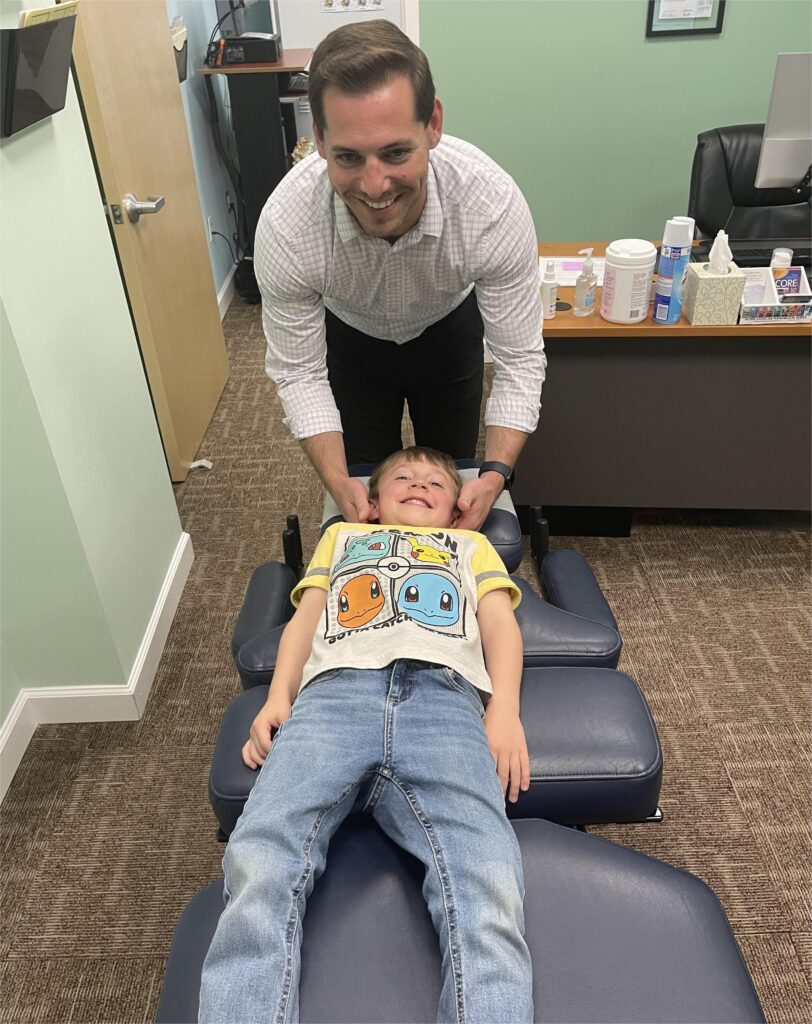
As a local chiropractor, I want to share valuable insights about chronic back pain and how understanding its causes can lead to effective relief. Many people think that back pain is solely the result of physical strain, but it’s important to recognize that factors such as posture, lifestyle choices, and emotional stress can significantly impact your well-being. You may be surprised to learn how certain daily habits—like sitting for long periods, improper lifting techniques, or even stress—can contribute to your discomfort.
By exploring these common causes, we can work together to develop a personalized approach to relief. Chiropractic care focuses on addressing these underlying issues through natural healing methods, including spinal adjustments, posture correction, and lifestyle recommendations. My goal is to help you regain control over your health and enhance your quality of life. Let’s take the first steps towards understanding your pain and finding effective solutions together.
The Anatomy of Back Pain
When it comes to back pain, it’s crucial to grasp the intricate anatomy that plays a role in your discomfort. Your spine is made up of vertebrae, discs, nerves, muscles, and ligaments, all of which work together to support your body’s structure.
Think of the vertebrae as the foundation, providing not only stability but also protecting your spinal cord. Between these vertebrae, intervertebral discs serve as shock absorbers, cushioning your movements and helping to prevent injury.
Nerves emerge from your spinal cord, sending vital signals between your brain and the rest of your body. Meanwhile, muscles and ligaments play essential roles in maintaining stability and support. If any part of this system is disrupted, it can lead to pain.
For example, a herniated disc may press on a nerve, resulting in discomfort or tingling sensations. Muscle strains can occur from overexertion, and ligaments may become strained from poor posture or repetitive movements.
As a chiropractor, I believe that understanding this anatomy is key to appreciating the interconnectedness of these components. It underscores the importance of taking care of your back, not just for relief from pain but for your overall health and well-being.
Common Causes of Chronic Back Pain
As a local chiropractor, I want to help you understand your back’s anatomy and the many factors that can contribute to chronic pain. One of the leading causes we see in our practice is muscle strain. This often happens when individuals push themselves too hard or use improper lifting techniques. It’s crucial to be mindful of how we move our bodies to prevent these strains.
Another common issue is related to the discs in your spine. Conditions like herniation or degeneration can significantly affect your comfort levels. Additionally, arthritis in the spine can lead to inflammation, which restricts your mobility and results in ongoing pain.
Accidents or falls can also leave lasting impressions on your back, leading to chronic conditions that require attention. Furthermore, structural conditions such as scoliosis or lordosis can change the alignment of your spine over time, causing discomfort that can become more pronounced.
Interestingly, emotional stress can also play a role in your physical well-being. It can cause muscle tension, which may exacerbate your back pain.
By recognizing these common causes, I encourage you to take proactive steps toward relief. Chiropractic care focuses on natural healing methods that can help restore balance and function to your body, allowing you to return to enjoying your daily activities.
If you’re experiencing back pain, don’t hesitate to reach out for support; together, we can work toward a healthier, pain-free life.
The Role of Posture in Back Health
As a local chiropractor, I want to emphasize the critical role that your posture plays in maintaining a healthy back. Many people may not realize that poor posture habits can lead to chronic pain and discomfort.
When you sit in ergonomic seating, it provides essential support to your spine, helping to alleviate strain. On the other hand, slouching can increase discomfort and lead to further issues.
To combat these negative effects, I encourage you to incorporate exercises that promote better posture into your daily routine. These exercises not only strengthen the muscles that support your spine but also help you develop awareness of your body alignment.
Taking care of your posture is a vital step towards achieving optimal back health and overall well-being. If you’re unsure where to start, I’m here to guide you through effective techniques and exercises tailored to your needs.
Let’s work together for a healthier, pain-free back!
Importance of Ergonomic Seating
As a local chiropractor, I want to emphasize the significant role that proper seating plays in your back health. Many people underestimate how their posture while sitting can impact their spine. That’s why I advocate for ergonomic seating, which is specifically designed to support your body’s natural alignment and enhance comfort.
When you opt for an ergonomic chair, you provide essential support to your lower back, which helps maintain the natural curvature of your spine. This proactive choice can help prevent discomfort and potential long-term issues related to back pain.
It’s crucial to adjust your chair’s height and backrest angle so that your feet rest flat on the floor and your knees form a right angle.
Investing in ergonomic seating can lead to not only enhanced comfort but also increased productivity. You’ll find it easier to concentrate on your tasks without the distraction of back pain.
Impact of Slouching Habits
As a local chiropractor, I want to take a moment to talk about the significant impact of poor posture, particularly slouching, on your back health. When you hunch over, it disrupts the natural alignment of your spine, which can put unnecessary strain on your muscles and ligaments. Over time, this strain can lead to chronic pain, discomfort, and even injuries that may affect your daily life.
Many people don’t realize that slouching can also limit your lung capacity, making it more difficult to breathe deeply and efficiently. This can lead to feelings of fatigue and decreased energy levels, which may hinder your ability to stay active and engaged throughout the day.
Moreover, poor posture creates muscle imbalances that can worsen back pain and discomfort. As a chiropractor, I encourage you to be conscious of your posture, whether you’re sitting at your desk or standing in line. Simple adjustments to your posture can make a big difference in your overall well-being.
Exercises for Better Posture
As a local chiropractor, I want to emphasize that maintaining good posture goes beyond simply sitting or standing up straight; it requires engaging the right muscles to effectively support your spine.
If you’re looking to improve your posture and overall spinal health, incorporating specific exercises into your daily routine can be incredibly beneficial. Here are three exercises that I recommend for my patients:
- Wall Angels: This exercise is great for opening up your shoulders and improving upper back posture. Stand with your back against a wall, and position your arms at 90 degrees, as if you’re making a goalpost. Slowly slide your arms up and down while ensuring that your elbows and wrists remain in contact with the wall. This will help strengthen the muscles that support your spine.
- Plank: The plank is a fundamental exercise that targets your core muscles, which are essential for maintaining good posture. Start in a push-up position, resting on your forearms. Make sure your body forms a straight line from head to heels. Hold this position for 30 seconds to build strength in your core and support your spine better.
- Cat-Cow Stretch: This dynamic stretch is excellent for increasing flexibility in your spine and relieving tension. Begin on all fours, with your hands under your shoulders and knees under your hips. Alternate between arching your back up towards the ceiling (cat position) and dipping it down towards the floor (cow position). This gentle movement can help reduce stiffness and promote relaxation in your back.
Incorporating these exercises into your routine can lead to a significant improvement in your back health and overall posture.
Impact of Sedentary Lifestyles
As a local chiropractor dedicated to your well-being, I often see the consequences of sedentary lifestyles in my patients, particularly when it comes to chronic back pain. Many of you might be spending long hours at desks or in front of screens, which can lead to weakened muscles and misalignment of the spine. This not only causes discomfort but can also be exacerbated by poor posture, a common result of inactivity.
It’s important to understand that even small movements can significantly improve your situation. I encourage you to take short breaks throughout your day—stand up, stretch, or take a brief walk. These simple actions can help relieve tension and enhance blood circulation, which is vital for your overall health.
Additionally, consider the benefits of ergonomic furniture designed to support your body’s natural alignment. Investing in such equipment can make a noticeable difference in your daily comfort.
Remember, staying active doesn’t require a gym membership. Simple activities like going for a brisk walk or incorporating light stretching into your routine can have a profound impact on your health.
Underlying Medical Conditions
As a local chiropractor dedicated to helping our community understand the connection between lifestyle and health, I want to talk about how sedentary habits can contribute to chronic back pain.
It’s also crucial to consider any underlying medical conditions that might be intensifying your discomfort. By recognizing these issues, you can take proactive steps toward finding relief.
- Herniated Discs: This happens when the soft cushioning between the vertebrae bulges or ruptures, which can put pressure on surrounding nerves and result in pain. Chiropractic care can help alleviate this pressure through gentle adjustments and targeted therapies.
- Arthritis: Conditions like osteoarthritis can lead to inflammation in the spine, causing stiffness and discomfort. We can work together to develop a treatment plan that focuses on improving mobility and reducing inflammation naturally.
- Scoliosis: An abnormal curvature of the spine can create uneven stress on your back muscles, leading to chronic pain. Chiropractic adjustments can help realign the spine and relieve some of that pressure.
Understanding these underlying conditions is vital for effective management of your back pain.
If you think you might be dealing with any of these issues, I encourage you to reach out for a consultation.
Together, we can create a personalized approach to your health that addresses not just the symptoms but the root causes of your pain.
Taking these steps can significantly improve your quality of life and help you find lasting relief.
Psychological Factors and Chronic Pain
As a local chiropractor, I want to shed light on an important aspect of chronic back pain that often gets overlooked: the psychological factors at play.
While many people focus solely on physical causes, it’s crucial to understand how your emotional well-being can significantly influence both your pain experience and your ability to manage it.
Stress, anxiety, and depression can heighten your perception of pain, making it feel more intense and challenging to cope with. When you’re under emotional strain, your body may tense up, which can lead to increased discomfort in your back and other areas. This is why addressing your mental health is just as important as treating the physical symptoms.
Your mindset plays a key role in your recovery journey. If you believe that your pain is something you can’t overcome, it can create a cycle of negativity that makes healing more difficult. Conversely, if you approach your situation with a more positive perspective, you may find it easier to navigate the challenges that come with chronic pain.
Social support is another vital piece of the puzzle. Many individuals suffering from chronic pain report feelings of isolation, which can worsen their discomfort. Surrounding yourself with supportive friends, family, or community members can make a significant difference in how you cope with your pain.
By recognizing and addressing these psychological factors, you can gain a deeper understanding of your chronic back pain. This holistic approach, which combines both mental and emotional care along with chiropractic treatment, can lead to improved outcomes and a better quality of life.
Together, we can work towards not just alleviating your pain but enhancing your overall well-being.
Treatment Options for Chronic Back Pain
When it comes to finding relief from chronic back pain, I want to reassure you that there are a variety of effective treatment options available, particularly through chiropractic care and natural healing methods. You don’t have to endure this discomfort alone; together, we can explore strategies that may significantly improve your quality of life.
- Chiropractic Adjustments: As a chiropractor, I focus on realigning your spine to alleviate pressure on nerves and improve overall function. This can help reduce pain and promote healing in the back.
- Physical Therapy: I often recommend a customized exercise program that targets your specific needs. These exercises can strengthen your back muscles, enhance flexibility, and gradually reduce pain.
- Natural Therapies: Techniques such as acupuncture, massage therapy, and other holistic approaches can complement your chiropractic care. These methods promote relaxation, improve circulation, and help relieve muscle tension.
I encourage you to consult with me or another healthcare professional to find the best approach tailored to your unique situation.
With the right combination of chiropractic care and supportive therapies, you can take back control of your life and minimize the impact of chronic back pain.
Lifestyle Changes for Pain Management
As a local chiropractor, I want to share with you how making certain lifestyle changes can significantly enhance your management of chronic back pain. It’s important to understand that your daily habits play a crucial role in your overall spine health.
By integrating regular exercise, optimizing your workspace ergonomics, and paying attention to your nutrition, you can foster a more supportive environment for your back.
Let’s delve into these strategies together. Regular physical activity not only strengthens the muscles around your spine but also promotes flexibility and reduces tension.
Ergonomic adjustments in your workspace can alleviate unnecessary strain on your back, making a world of difference in how you feel during your day-to-day activities.
Additionally, focusing on a balanced diet can help reduce inflammation and support healing.
Exercise and Physical Activity
As a local chiropractor, I want to emphasize the importance of incorporating exercise and physical activity into your daily routine, especially if you’re dealing with chronic back pain. Engaging in regular movement can significantly alleviate discomfort by strengthening your muscles, enhancing flexibility, and promoting better posture.
Here are three effective strategies to help you get started on your journey to better spinal health:
- Low-impact activities: Consider engaging in walking, swimming, or cycling. These activities are excellent for maintaining cardiovascular health while being gentle on your back, reducing the risk of strain.
- Strength training: It’s essential to focus on core exercises that specifically target your abdominal and back muscles. Strengthening these areas provides vital stability and support for your spine, which can help alleviate pain over time.
- Stretching routines: Incorporating gentle stretches into your daily routine can work wonders. Stretching enhances flexibility and helps relieve tension in your back, making it easier to move comfortably throughout the day.
By integrating these strategies into your lifestyle, you can take proactive steps toward managing your back pain and improving your overall well-being.
Ergonomic Workspaces and Posture
As a local chiropractor, I want to emphasize the importance of creating an ergonomic workspace, especially for those of you dealing with chronic back pain. Making a few simple adjustments can significantly enhance your comfort and productivity.
First, ensure that your chair provides proper support for your lower back. It’s crucial that your feet rest flat on the ground to maintain good posture.
Next, position your computer screen at eye level. This will help prevent unnecessary strain on your neck, which can contribute to discomfort.
When using your keyboard and mouse, choose options that allow your arms to stay close to your body and keep your wrists straight to avoid additional strain.
I can’t stress enough the importance of taking regular breaks. Stand up, stretch, and move around periodically; this action can help alleviate tension that builds up from prolonged sitting.
If possible, consider incorporating a standing desk or an adjustable chair into your routine. This will allow you to switch your positions throughout the day, which is beneficial for your overall spinal health.
Lastly, remember that proper posture is essential. Keep your shoulders relaxed and your back straight.
By implementing these changes, you can create a supportive environment that not only aids in your recovery but also promotes long-term wellness for your back.
If you have further questions about how to optimize your workspace or any other aspects of chiropractic care, feel free to reach out.
Nutrition and Weight Management
As a local chiropractor, I want to emphasize the significant connection between proper nutrition, weight management, and the management of chronic back pain. Maintaining a healthy weight is crucial, as it lessens the strain on your spine and muscles, ultimately leading to reduced pain and improved mobility.
Here are three essential strategies to consider:
- Balanced Diet: Prioritize whole foods in your diet—think fresh fruits, vibrant vegetables, lean proteins, and whole grains. These foods are packed with vital nutrients that are beneficial for your bone and muscle health, which is especially important for supporting your spine.
- Stay Hydrated: Drinking sufficient water is key to maintaining the health of your spinal discs and can help minimize inflammation. Proper hydration is often overlooked, but it plays a major role in your overall physical well-being.
- Portion Control: Be conscious of your portion sizes to avoid overeating. By practicing portion control, you can more easily maintain or lose weight, which will help relieve pressure on your back over time.
By incorporating these strategies into your daily routine, you may find significant relief from back pain and improve your overall health.
When to Seek Professional Help
When should you consider visiting a chiropractor for chronic back pain? If your discomfort lingers for more than a few weeks, even after trying home remedies, it’s a good idea to consult a chiropractic professional. We specialize in understanding the musculoskeletal system and can provide insight into your condition.
It’s especially important to seek chiropractic care if your pain intensifies over time or starts to interfere with your daily life—activities like work, exercise, or sleep shouldn’t be compromised.
Pay attention to any symptoms such as numbness, tingling, or weakness in your legs; these could signal nerve involvement and shouldn’t be ignored.
If your back pain follows an injury or trauma, a chiropractic evaluation can be crucial in determining the best course of action for recovery.
Additionally, if you’re experiencing fever, unexplained weight loss, or issues with bowel and bladder control alongside your pain, these are significant signs that warrant prompt attention.
Remember, it’s always better to be cautious when it comes to your health. As a chiropractor, I can help identify the root cause of your discomfort and guide you toward natural treatment options tailored to your individual needs.
Don’t hesitate to reach out—finding the right care can significantly enhance your quality of life and lead to lasting relief.
Conclusion
As a local chiropractor, I want to help you understand the complexities of chronic back pain. It’s important to recognize that this condition often stems from a variety of factors, including poor posture, lack of movement, and even emotional stress. By identifying these causes, you can take meaningful steps towards relief.
Incorporating lifestyle changes, such as regular physical activity and investing in ergonomic seating, can make a significant difference in your back health. Additionally, I encourage you to seek professional guidance, as chiropractic care can provide effective, natural solutions tailored to your needs.
Your journey to improved back health begins with awareness and proactive action. Don’t hesitate to make those changes and consider how chiropractic care can support your path to wellness. Together, we can work towards a healthier, pain-free life!