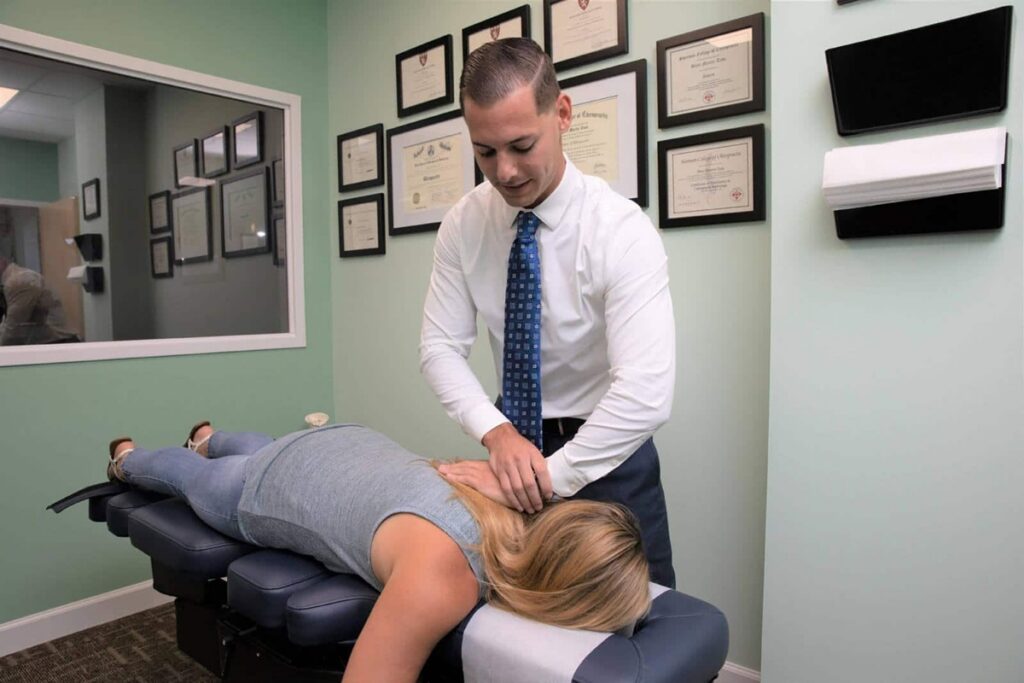

Auto accidents are jarring, stressful experiences — and even a minor fender-bender can leave your body in rough shape. Many people walk away from a collision feeling okay in the moment, only to find themselves dealing with neck pain, stiffness, headaches, or back pain in the days that follow. If you’ve recently been in a car accident and you’re wondering whether you should see a chiropractor, the short answer is: yes, and sooner is better. At ShoreLife Chiropractic & Wellness in Brick Township, NJ, Dr. Brett Tave works with auto accident patients regularly — helping them recover naturally, restore function, and avoid long-term complications from injuries that often go undetected right after a crash.
Why do car accident injuries sometimes go unnoticed at first? The adrenaline and stress hormones released during a collision can temporarily mask pain signals, making injuries feel less severe than they are. This is one of the most important reasons to seek a chiropractic evaluation after any auto accident — even one that felt minor.
Table of Contents
What Happens to Your Body in a Car Accident
Even at low speeds, a car collision forces your body through rapid, violent movement that your muscles, joints, and spine are simply not designed to handle. In a rear-end collision, for example, your head can snap forward and backward in a fraction of a second — a motion that places enormous stress on the soft tissues, discs, and vertebrae of your cervical spine (your neck). This is the mechanism behind one of the most common auto accident injuries: whiplash.
What makes car accident injuries particularly tricky is the delayed onset of symptoms. Inflammation in the soft tissues — the muscles, tendons, and ligaments — can take 24 to 72 hours to fully develop. So while you might feel fine immediately after a crash, the real effects may not show up until the next morning, or even a few days later. This delay leads many people to dismiss the incident and skip medical evaluation, which can turn a manageable injury into a chronic problem.
Your nervous system also plays an important role here. The spinal column houses and protects your spinal cord and nerve roots, and when the spine is jolted out of its normal alignment, those delicate nerve pathways can become irritated or compressed. This can produce symptoms that seem unrelated to the accident — like headaches, jaw pain, shoulder tension, tingling in the arms, or even trouble sleeping. Understanding this connection is key to appreciating why a chiropractic evaluation is so valuable after any collision.
Common Auto Accident Injuries Chiropractors Treat
Auto accident injuries exist on a wide spectrum, from minor muscle soreness to more significant structural damage. Dr. Brett Tave at ShoreLife Chiropractic & Wellness in Brick Township, NJ has extensive experience identifying and treating the full range of injuries that commonly follow motor vehicle collisions.
Whiplash is by far the most frequently seen auto accident injury in chiropractic offices. It occurs when the neck is forced into rapid hyperextension and hyperflexion, straining the muscles and ligaments and potentially misaligning the cervical vertebrae. Symptoms include neck pain and stiffness, headaches that originate at the base of the skull, shoulder pain, and dizziness.
Spinal misalignments (subluxations) are another common result of accident trauma. When the vertebrae shift out of their optimal position, they can irritate surrounding nerves and restrict normal joint movement. Left uncorrected, these misalignments can contribute to ongoing pain and dysfunction long after the initial injury has healed.
Soft tissue injuries — including sprains and strains of the muscles, tendons, and ligaments — are extremely common after accidents. They often don’t show up on X-rays, which is one reason many patients leave the emergency room without a clear diagnosis, even when they’re in genuine pain.
Disc injuries, such as herniated or bulging discs, can also occur when the spine absorbs sudden impact. These injuries can press on nearby nerve roots, causing radiating pain, numbness, or weakness down the arms or legs depending on where in the spine the disc is affected.
Why Chiropractic Care After an Auto Accident Makes Sense
Chiropractic care is a natural, non-invasive, and drug-free approach to addressing the root causes of pain — not just the symptoms. This makes it particularly well-suited to the types of musculoskeletal injuries that result from auto accidents. Rather than relying on pain medications that simply cover up discomfort, chiropractic care focuses on restoring proper alignment, improving mobility, and supporting the body’s natural healing process.
Research suggests that chiropractic treatment can be effective in reducing pain and improving function for patients with whiplash-associated disorders. Evidence published in conservative care literature supports spinal manipulation as a beneficial intervention for acute and subacute neck pain — the kind most commonly seen after a rear-end collision. The American Chiropractic Association recognizes chiropractic care as a first-line, evidence-informed option for musculoskeletal injuries of this nature.
One of the key advantages of chiropractic care in the post-accident setting is early intervention. Seeking care quickly — ideally within the first few days after an accident — can help address misalignments and inflammation before they become entrenched. When the spine is properly aligned and the joints are moving freely, the body is in a much better position to heal efficiently. Waiting too long, on the other hand, allows scar tissue to form around injured areas, which can limit range of motion and contribute to chronic pain.
Here in Brick Township, many residents come to ShoreLife Chiropractic & Wellness after accidents on the Garden State Parkway, Route 70, and other busy local roads. Dr. Brett Tave understands the physical and emotional stress that comes with a car accident, and his approach is always to meet patients where they are — with a thorough evaluation, honest communication, and a personalized care plan.
What Chiropractic Care Looks Like at ShoreLife
When you come to ShoreLife Chiropractic & Wellness in Brick Township, NJ after an auto accident, the process begins with a comprehensive evaluation. Dr. Brett Tave will take a detailed history of the accident, your current symptoms, and any relevant health background. He’ll perform a physical and neurological examination to assess spinal alignment, range of motion, muscle tension, and nerve function. If needed, he may recommend imaging studies to get a clearer picture of the injury.
Based on that evaluation, Dr. Tave will develop a care plan tailored specifically to your injuries and your goals. Treatment may include gentle spinal adjustments to restore proper alignment to the vertebrae, soft tissue therapies to address muscle tightness and promote healing, and rehabilitative exercises to rebuild strength and stability in the injured area. Every patient is different, and Dr. Tave takes the time to explain what he’s finding and why he’s recommending each aspect of care.
The goal at ShoreLife is never to keep you coming in indefinitely. It’s to help you heal as fully and efficiently as possible, restore your normal function, and give you the tools to protect your spine going forward. That kind of honest, patient-centered approach is what makes chiropractic care such a trusted option in the Brick Township community.
Practical Tips for Recovery After a Car Accident
While professional chiropractic care is an important part of your recovery, there are also things you can do at home to support the healing process. Dr. Brett Tave often shares these straightforward recommendations with patients at ShoreLife Chiropractic & Wellness in the early stages of recovery.
Rest is important immediately following an accident, but prolonged bed rest can actually slow healing. Gentle movement — like short walks or light neck range-of-motion exercises as guided by your chiropractor — helps maintain circulation and prevents stiffness from setting in. Think of it as active rest rather than complete inactivity.
Ice and heat can both be helpful tools in managing post-accident discomfort. In the first 48 hours, ice is generally preferred for reducing inflammation. After the acute phase has passed, moist heat can help relax tight muscles. Always use a cloth barrier between the ice or heat pack and your skin, and follow your chiropractor’s specific guidance.
Sleeping position matters more than most people realize during recovery. Try to avoid sleeping on your stomach, which puts unnecessary strain on the neck. A supportive pillow that keeps your cervical spine in a neutral position can make a significant difference in how you feel each morning. If you’re unsure what works best for your injury, ask Dr. Tave during your visit — it’s the kind of practical detail that makes a real difference in day-to-day recovery.

When to See a Chiropractor After an Accident
The best time to see a chiropractor after an auto accident is as soon as possible — ideally within 24 to 72 hours of the collision. Even if you feel fine, an early evaluation can detect hidden injuries before symptoms escalate and document your condition in case it becomes relevant to an insurance or legal matter later on.
You should definitely make an appointment if you’re experiencing any of the following: neck pain or stiffness, headaches (especially at the back of the head), shoulder or upper back tension, low back pain, pain or numbness that radiates into your arms or legs, dizziness or difficulty concentrating, or jaw discomfort. These are all signs that the accident has affected your musculoskeletal or nervous system in some way.
There are also certain red flag symptoms that should prompt an immediate trip to the emergency room rather than the chiropractic office. These include loss of consciousness, severe confusion, paralysis, loss of bladder or bowel control, or intense pain that is getting rapidly worse. In these situations, urgent medical care comes first. Once serious structural emergencies have been ruled out, chiropractic care can play a meaningful role in the ongoing recovery process.
Treated vs. Untreated: How Outcomes Can Differ
|
Factor |
With Chiropractic Care |
Without Chiropractic Care |
|---|---|---|
|
Pain Resolution |
Addressed at the source through spinal alignment and soft tissue care |
May linger or become chronic without addressing underlying cause |
|
Range of Motion |
Restored through adjustments and therapeutic exercise |
May remain limited due to scar tissue and joint restriction |
|
Scar Tissue Formation |
Minimized with early, targeted intervention |
More likely to develop and restrict movement long-term |
|
Nerve Irritation |
Reduced by correcting spinal misalignments |
May persist if vertebrae remain out of alignment |
|
Drug Reliance |
Non-drug approach reduces need for pain medication |
Symptoms often managed primarily with medication |
|
Long-Term Outcomes |
Generally better with early conservative care |
Higher risk of developing chronic pain syndrome |
Myths vs. Facts About Chiropractic Care After an Accident
Myth: If I felt fine right after the accident, I don’t need to see anyone.
Fact: Adrenaline and the body’s natural stress response can mask pain for hours or even days after a collision. Many whiplash and soft tissue injuries don’t produce noticeable symptoms until 24 to 72 hours later. Getting evaluated early — before symptoms fully develop — is one of the smartest things you can do for your long-term health after an accident.
Myth: Chiropractic adjustments are dangerous for accident injuries.
Fact: Chiropractic care for auto accident injuries is generally considered safe and appropriate when delivered by a licensed, trained chiropractor. Dr. Brett Tave performs a thorough evaluation before any treatment to ensure the approach is well-matched to each patient’s specific condition. Techniques can always be modified to be gentle and appropriate for the level of injury present.
Myth: I only need to see a chiropractor if the accident was serious.
Fact: Low-speed collisions are well-documented as a common source of soft tissue injuries, including whiplash. The human body doesn’t need to be in a high-speed crash to sustain significant musculoskeletal stress. In fact, research in the field of biomechanics suggests that slower-speed impacts can sometimes be more damaging to the spine’s soft tissues because there is less vehicle deformation to absorb the force.
Myth: Chiropractic care is just about cracking backs — it won’t help accident injuries.
Fact: Modern chiropractic care encompasses far more than spinal adjustments. At ShoreLife Chiropractic & Wellness, care for auto accident patients can include soft tissue therapy, rehabilitative exercises, postural retraining, and patient education — all tailored to the specific injuries sustained in the collision.
Myth: I can just wait and see if the pain goes away on its own.
Fact: Some minor muscle soreness does resolve on its own. But when spinal misalignments, disc issues, or significant soft tissue damage are present, waiting without treatment often allows problems to become entrenched. Scar tissue forms, movement patterns compensate, and what was once an acute injury can transition into a chronic pain condition. Early evaluation gives you the best chance at a full recovery.
Final Thoughts from ShoreLife Chiropractic & Wellness
Being in a car accident is never something anyone plans for — but how you respond in the days afterward can have a lasting impact on your health and quality of life. Here in Brick Township, NJ, the team at ShoreLife Chiropractic & Wellness is committed to helping our neighbors recover with care that is thorough, honest, and genuinely focused on their wellbeing.
Dr. Brett Tave has helped many patients in our community navigate the physical aftermath of auto accidents — from mild whiplash to more complex spinal injuries — and the consistent message from those experiences is the same: early care makes a real difference. You don’t have to be in severe pain to benefit from an evaluation. In fact, the patients who come in early — before symptoms become entrenched — tend to recover more fully and more quickly than those who wait.
If you’ve been in an auto accident and you’re wondering whether chiropractic care is right for you, we encourage you to reach out to ShoreLife Chiropractic & Wellness in Brick Township, NJ. You deserve to understand what’s happening in your body and to have a clear path forward. That’s exactly what we’re here to provide.
Frequently Asked Questions
How soon after a car accident should I see a chiropractor?
Ideally, you should seek a chiropractic evaluation within 24 to 72 hours of an auto accident. Early assessment allows the chiropractor to identify injuries before symptoms fully develop and begin care while the body is most responsive to treatment.
Will chiropractic care help with whiplash?
Evidence suggests that chiropractic care, including spinal manipulation and soft tissue therapy, can be an effective part of whiplash recovery. Dr. Brett Tave at ShoreLife Chiropractic & Wellness will evaluate your specific injury and develop a care plan appropriate for your condition.
Do I need a referral from my primary care doctor to see a chiropractor after an accident?
In most cases in New Jersey, you do not need a referral to see a chiropractor. However, insurance and personal injury protection (PIP) coverage details vary, so it’s worth reviewing your policy or asking the team at ShoreLife Chiropractic & Wellness for guidance on the process.
Can chiropractic care help even if I don’t have pain yet?
Yes. A post-accident evaluation can identify misalignments and soft tissue injuries that haven’t yet caused noticeable pain. Addressing these early can help prevent those injuries from developing into chronic problems down the road.
Is chiropractic care safe after a car accident?
Chiropractic care is generally considered safe for auto accident injuries when performed by a licensed chiropractor following a proper evaluation. The approach is always individualized, and techniques are adjusted based on the nature and severity of your specific injuries.
What if my accident was minor — is it still worth getting checked out?
Absolutely. Low-speed collisions are a well-recognized cause of whiplash and other soft tissue injuries. Many patients who experience significant ongoing pain report that their accident felt minor at the time. A brief evaluation at ShoreLife Chiropractic & Wellness in Brick Township can provide peace of mind and catch any issues early.
TL;DR — Key Takeaways
-
Car accident injuries often don’t cause immediate pain — adrenaline can mask symptoms for up to 72 hours, making early chiropractic evaluation essential.
-
Common injuries like whiplash, spinal misalignments, and soft tissue damage respond well to chiropractic care when addressed early.
-
Chiropractic care is a non-invasive, drug-free approach that addresses the root cause of post-accident pain rather than just covering up symptoms.
-
Waiting too long to seek care can allow scar tissue to form and acute injuries to develop into chronic pain conditions.
-
Dr. Brett Tave at ShoreLife Chiropractic & Wellness in Brick Township, NJ offers personalized, thorough evaluations and care plans for auto accident patients in our community.