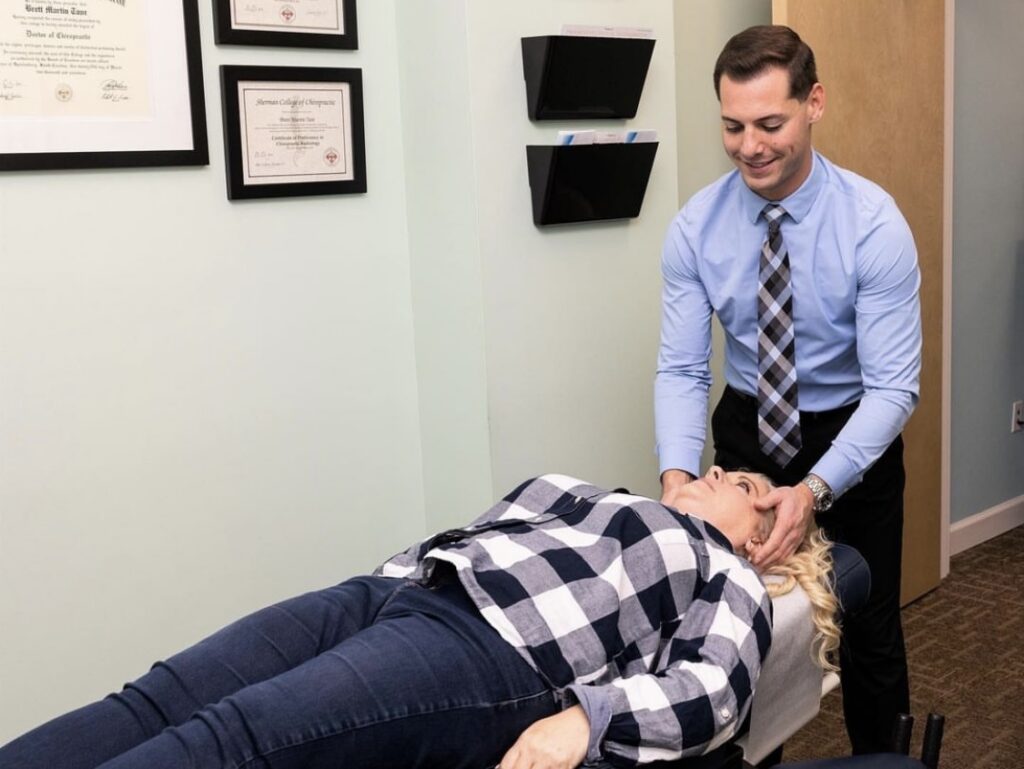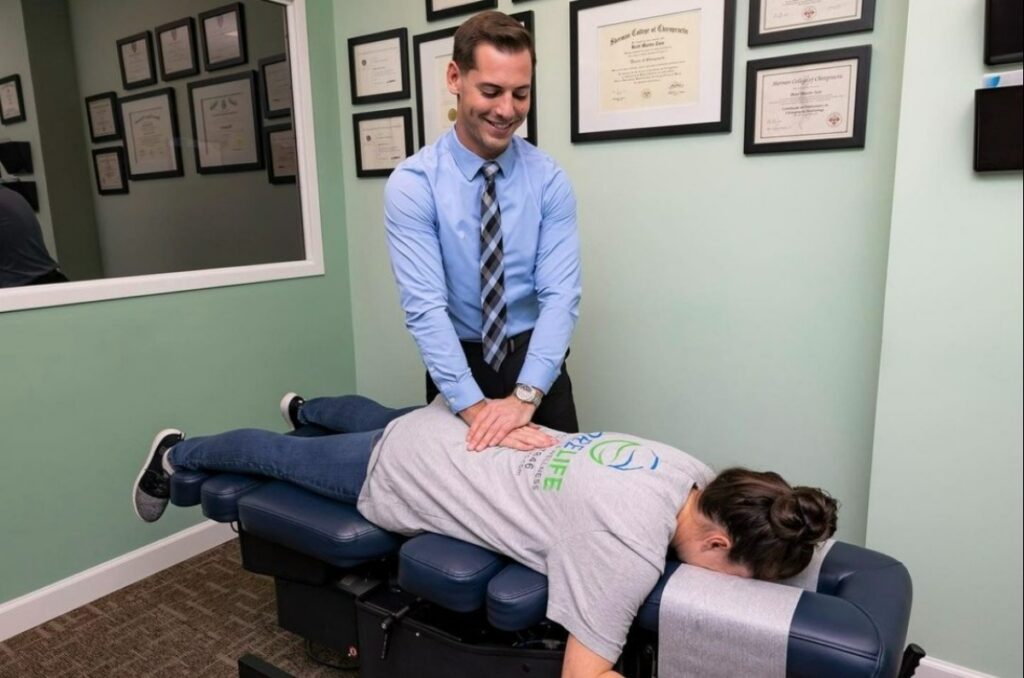
If you're experiencing back pain, you may be curious about effective ways to achieve lasting relief. As a local chiropractor, I want to share some trusted techniques that can make a real difference in your recovery journey. Chiropractic care is a key component of pain management, focusing on personalized treatment plans that address your unique needs.
In addition to chiropractic adjustments, incorporating mindful movement practices into your daily routine can reshape your approach to managing pain. It's essential to recognize how exercise, proper ergonomics, and even nutrition play vital roles in your overall well-being and recovery from back pain.
Imagine if simple changes in your daily habits could lead to significant improvements in how you feel. Together, we can explore these insights and strategies that may transform your experience with back pain. Let's work towards a healthier, pain-free life!
Understanding Back Pain Causes
When it comes to back pain, it's crucial to understand what might be causing your discomfort. As a chiropractor, I often see patients who are unaware of the various factors that can contribute to back pain. It's essential to recognize that these causes can be interconnected, and identifying the root issue is the first step towards effective relief.
One common cause of back pain is muscle or ligament strain. This can happen due to heavy lifting or even an awkward movement. If you lead a sedentary lifestyle, you might also find that your muscles have weakened over time, which can lead to further complications.
Herniated discs are another frequent culprit. These discs serve as cushions between your vertebrae, and when they bulge or rupture, they can put pressure on nearby nerves, resulting in pain. Conditions like arthritis can also play a role; as the cartilage protecting your joints deteriorates, it can lead to inflammation and discomfort in your spine.
Posture is a significant factor that many people overlook. If you spend long hours at a desk or hunched over your phone, you could inadvertently be straining your back without even realizing it. Your weight can also impact your back health; excess weight adds strain to your spine, which can lead to discomfort.
Additionally, underlying health issues such as osteoporosis can weaken your bones, raising the risk of fractures and pain. Mental health factors, including stress and anxiety, can manifest as physical discomfort in your back as well.
By understanding these various causes, you can take proactive steps towards relief and improve your overall well-being. In chiropractic care, we focus on addressing these root issues naturally, helping you restore balance and function to your body.
The Role of Physical Therapy
As a local chiropractor, I want to share the vital role that chiropractic care plays in managing back pain and supporting your recovery journey. If you're experiencing discomfort, I can conduct a thorough assessment of your condition and develop a personalized treatment plan tailored specifically to your needs. My goal is to help you understand the root causes of your pain and provide you with effective techniques to alleviate it.
In our sessions, we'll focus on a variety of gentle adjustments and techniques designed to restore proper alignment to your spine, strengthen your core, improve flexibility, and enhance your overall posture. These adjustments aren't only aimed at relieving pain but also at helping you regain mobility. A strong core is essential for maintaining good posture and reducing strain on your back.
In addition to spinal adjustments, I may incorporate other natural healing methods, such as soft tissue therapies and rehabilitation exercises, to relieve tension and improve circulation in the affected areas. I'll also educate you on proper body mechanics, empowering you to avoid movements that could aggravate your pain in daily activities.
As you progress in your treatment, I'll continually adjust your care plan based on your improvements and any challenges you encounter. This ongoing communication ensures that you remain on the right path toward recovery.
Ultimately, committing to chiropractic care can empower you to take control of your back pain naturally. By enhancing your strength, flexibility, and safe movement, you'll not only experience relief but also reduce the risk of future injuries. If you're ready to explore the benefits of chiropractic care, I encourage you to reach out and begin your journey toward lasting relief.
Benefits of Mindful Movement
As your local chiropractor, I want to emphasize the importance of mindful movement in your journey towards better health. This practice can significantly enhance your awareness of your body, helping you to identify areas of tension and discomfort before they become more serious issues.
By incorporating mindful movement into your routine, you may experience improved flexibility and strength, which can make daily activities not only easier but also more enjoyable.
Many of my patients have found that embracing this holistic approach can lead to lasting relief from back pain, as well as an overall enhanced sense of well-being.
Understanding how your body moves and responds is key to maintaining a healthy spine and preventing injuries. I encourage you to explore mindful movement techniques as a natural complement to your chiropractic care.
Together, we can work towards achieving your health goals.
Enhanced Body Awareness
As a local chiropractor, I often see patients struggling with back pain, and one of the most effective ways to tackle this issue is by cultivating enhanced body awareness through mindful movement.
It's important to understand that when you focus on how your body moves and feels, you gain valuable insights into your posture, alignment, and muscle tension. This awareness can help you identify habits that contribute to your discomfort, allowing you to make necessary adjustments for better health.
Practices such as yoga or tai chi can be incredibly beneficial. They encourage you to pay attention to your body in real-time, helping you notice areas of tightness or imbalance. By being proactive and addressing these issues as they arise, you can prevent further strain and discomfort.
Plus, tuning into your body's signals enables you to recognize when it's time to rest or modify your movements.
Furthermore, enhancing your body awareness creates a stronger connection between your mind and body. This connection isn't only essential for managing pain but also for improving your overall well-being.
Many of my patients find that being present during movement helps reduce stress and anxiety, both of which can exacerbate back pain.
Incorporating these mindful practices into your routine can lead to significant improvements in your health.
As your chiropractor, I'm here to guide you in understanding your body better, helping you achieve a pain-free, active lifestyle.
Improved Flexibility and Strength
As a local chiropractor, I want to share how enhancing your body awareness can lead to improved flexibility and strength through mindful movement practices. Engaging in activities like yoga, tai chi, or Pilates not only deepens your understanding of your body but also encourages muscle engagement and mobility.
This heightened awareness helps you pinpoint areas of tightness, allowing you to target them effectively during your exercises. When you incorporate mindful movement into your routine, you'll likely notice that your muscles become more flexible and resilient.
Improved flexibility is crucial as it reduces your risk of injury and alleviates tension, while increased strength contributes to better stability and posture. Even the simplest movements can significantly enhance your daily life, making everyday tasks feel easier and more comfortable.
Additionally, many of my patients have reported a reduction in back pain as they integrate these practices into their lives. Stronger muscles provide vital support for your spine, and increased flexibility aids in maintaining proper alignment.
Exercise and Strengthening Techniques
As your local chiropractor, I want to help you understand the importance of exercise and strengthening techniques in managing back pain naturally.
It's crucial to incorporate core stability exercises, which can greatly enhance the support your back receives during daily activities. Stretching for flexibility is also vital; it helps keep your muscles and joints functioning optimally, reducing strain on your back.
Additionally, improving your posture is key to preventing further discomfort. Each of these components not only supports your spine but also contributes to your overall mobility and well-being.
Core Stability Exercises
As a chiropractor dedicated to your health and well-being, I want to emphasize the importance of core stability exercises for maintaining a strong foundation that supports your spine and overall posture. Strengthening your core muscles is vital, as it enhances your body's ability to balance and stabilize, which can significantly alleviate back pain.
Let's start with a foundational exercise: the plank. To perform this exercise, position yourself face down, resting on your forearms and toes. It's crucial to keep your body in a straight line while engaging your core muscles. Aim to hold this position for 20 to 30 seconds, and as your strength improves, gradually increase your hold time.
Another excellent exercise is the bird-dog. Begin on all fours, ensuring that your hands are directly beneath your shoulders and your knees are aligned under your hips. Extend your right arm forward while simultaneously extending your left leg back, keeping your hips level throughout the movement. Hold this position for a few seconds before switching sides.
Don't forget to incorporate bridges into your routine as well. To do this, lie on your back with your knees bent and feet flat on the ground. Lift your hips toward the ceiling while squeezing your glutes at the top. Hold this position for a moment before lowering back down.
These core stability exercises aren't just beneficial for building strength; they also play a vital role in improving your posture, which can lead to lasting relief from back pain.
Stretching for Flexibility
As a chiropractor, I want to emphasize the importance of flexibility in maintaining a healthy back and preventing pain. When your muscles and joints are flexible, it allows for greater freedom of movement, which significantly reduces the risk of strain or injury. Incorporating regular stretching into your daily routine can greatly enhance your flexibility and contribute to better spinal health.
To get started, focus on gentle stretches that specifically target your back, hips, and legs. For example, the cat-cow stretch is a fantastic way to mobilize your spine, and hamstring stretches can increase leg flexibility, which in turn supports your lower back. I recommend holding each stretch for 15 to 30 seconds, while taking deep breaths to promote relaxation.
In addition to static stretches, don't overlook the value of dynamic stretches, such as torso twists. These movements help warm up your muscles and improve blood circulation, preparing your body for activity. You may also find that practices like yoga or Pilates can be incredibly beneficial; they emphasize flexibility, core strength, and body awareness, which are all vital for overall wellness.
Consistency is crucial in this journey. Aim to stretch daily, or at least several times a week. As your flexibility improves, you may notice a reduction in back pain, as well as enhancements in your posture and overall movement.
Always remember to listen to your body—avoid any positions that cause discomfort, and feel free to reach out if you need guidance tailored to your specific needs. Your journey to better back health can start with simple stretching exercises, and I'm here to support you every step of the way.
Posture Improvement Techniques
As a local chiropractor, I want to emphasize the importance of good posture for your spinal health and overall well-being. Many people underestimate how much posture affects not just their appearance but their comfort and health as well. Poor posture can lead to a range of issues, including chronic back pain.
By focusing on posture improvement techniques, you can strengthen your core and back muscles, which will lead to better alignment and reduced strain on your spine.
Here are some effective exercises and techniques that I recommend for maintaining good posture throughout your day:
- Wall Angels: This exercise is great for opening up your shoulders. Stand with your back against a wall and raise your arms into a "W" position. Slowly slide your arms up and down while ensuring your elbows and wrists remain in contact with the wall. This helps improve shoulder mobility and posture.
- Planks: Holding a plank position is excellent for engaging your core muscles. This exercise strengthens both your abdominal and back muscles, promoting stability and better posture. Aim to hold the position for as long as you can while maintaining proper form.
- Bridges: To strengthen your glutes and lower back, lie on your back with your knees bent and feet flat on the floor. Lift your hips towards the ceiling, squeezing your glutes at the top. This exercise helps support your lower back and encourages proper alignment.
- Chest Openers: To counteract the effects of sitting and slouching, stand or sit up straight and clasp your hands behind your back. Gently pull your shoulders back to stretch your chest. This exercise can help improve your upper body posture and counteract tightness in the front of your shoulders.
Incorporating these techniques into your daily routine can significantly improve your posture and alleviate back pain.
Ergonomics and Posture Correction
As a local chiropractor dedicated to your well-being, I want to emphasize the importance of correcting posture and optimizing ergonomics in alleviating back pain. Many of us aren't aware that improper sitting, standing, or moving can place unnecessary strain on our spine and surrounding muscles.
Let's discuss some practical steps you can take to improve your posture and promote overall spinal health.
First, take a close look at your workspace. It's crucial that your chair provides adequate support for your lower back. Make sure to adjust your desk height so that your elbows are at a comfortable 90-degree angle while typing. Position your computer screen at eye level; this simple adjustment can significantly reduce neck strain. If needed, consider using a monitor stand to achieve this alignment.
When seated, keep your feet flat on the ground or on a footrest, and try to avoid crossing your legs. This practice helps maintain the proper alignment of your spine. If you find yourself sitting for extended periods, make it a habit to take short breaks every hour. Stand up, stretch, and change your position—these brief moments of movement can relieve tension and enhance blood flow, reducing your risk of stiffness.
When you're standing, remember to distribute your weight evenly between both feet and engage your core muscles. This technique helps maintain a neutral spine position, which is vital for preventing discomfort. If you need to lift objects, always bend at your knees rather than at your waist, and keep the item close to your body. This lifting method minimizes stress on your back and helps protect your spine.
Lastly, it's important to consider your daily habits. Pay attention to how you carry bags or backpacks; using a well-fitted, ergonomic bag can make a significant difference in your posture and comfort.
By making these small adjustments to your environment and daily routines, not only can you improve your posture, but you also lay the groundwork for long-term relief from back pain.
As your chiropractor, I encourage you to implement these changes and observe how they positively impact your well-being. Your spine will thank you!
Lifestyle Changes for Pain Management
As a local chiropractor, I often emphasize the importance of making simple lifestyle changes to enhance your pain management journey. By integrating healthier habits into your everyday routine, you can't only alleviate back pain but also elevate your overall well-being.
Here are a few modifications to consider for a healthier lifestyle:
- Stay Active: It's crucial to engage in low-impact exercises such as walking, swimming, or yoga. These activities can strengthen your back muscles and improve flexibility. Aim for at least 30 minutes of activity each day, and always listen to your body to prevent overexertion. Remember, movement is key to a healthy spine!
- Maintain a Healthy Weight: Carrying excess weight can place significant strain on your back. By focusing on a balanced diet that includes plenty of fruits, vegetables, lean proteins, and whole grains, you can support your weight management efforts. This will help reduce the pressure on your spine and promote better overall health.
- Get Quality Sleep: Quality sleep is essential for healing and recovery. Create a restful sleeping environment by investing in a comfortable mattress and supportive pillows. This will help you maintain a neutral spine position during sleep, reducing stiffness and discomfort when you wake up.
- Stay Hydrated: Proper hydration is vital for maintaining healthy spinal discs and overall bodily functions. Aim to drink at least eight 8-ounce glasses of water daily. Staying hydrated not only supports your spine but also contributes positively to your overall health.
By incorporating these lifestyle changes, you can significantly enhance your pain management efforts and enjoy a better quality of life.
As your chiropractor, I'm here to guide you through this journey to natural healing and wellness.
Holistic Approaches to Healing
As a local chiropractor, I want to share with you the benefits of embracing holistic approaches to healing, particularly when it comes to managing back pain. These methods focus on treating you as a whole person, rather than just addressing the symptoms, which can lead to more profound and lasting relief.
One essential aspect of holistic healing is mindfulness and meditation. By incorporating mindfulness into your daily routine, you can develop a better connection with your body. This practice can help you identify pain triggers and reduce stress, which is often a contributing factor to discomfort.
Additionally, gentle movement is crucial for alleviating back pain. Activities such as yoga or tai chi can improve your flexibility, strengthen your core muscles, and promote better posture. You don't need to be an expert to benefit from these practices; simply start with basic poses or movements that feel comfortable for you.
Nutrition is another key player in your healing journey. A balanced diet that includes anti-inflammatory foods—like fruits, vegetables, and omega-3 fatty acids—can significantly reduce inflammation in your body. Remember to stay hydrated, as proper hydration helps maintain the elasticity of your spinal discs, which is vital for back health.
Let's not overlook the power of touch. Therapies such as massage and acupuncture can provide immediate relief and help alleviate muscle tension.
Furthermore, essential oils—like lavender and peppermint—can be beneficial when used in aromatherapy, promoting relaxation and pain relief.
As your chiropractor, I encourage you to explore these holistic approaches to complement your chiropractic care. Together, we can work towards managing your back pain effectively and enhancing your overall well-being.
When to Seek Professional Help
As a local chiropractor, I want to emphasize the importance of knowing when to seek professional help for your back pain. While many individuals find relief through self-care methods, there are specific signs that indicate it's time to consult a healthcare provider like me. Ignoring these signs can lead to chronic pain or further complications.
Here are some key indicators that suggest you should consider professional chiropractic care:
- Persistent Pain: If you're experiencing back pain that lingers for more than a few weeks, it may be a sign of an underlying issue that requires attention.
- Radiating Symptoms: If your pain radiates down your legs or is accompanied by numbness or tingling, this could indicate that your nerves are affected and should be evaluated by a professional.
- Loss of Function: Struggling with everyday activities—such as walking, climbing stairs, or bending over—signals that it's time to reach out for help. Chiropractic care can assist you in regaining your mobility and function.
- Unexplained Symptoms: If your back pain is accompanied by unexplained weight loss, fever, or issues with bowel or bladder control, it's crucial to seek immediate medical attention.
Getting timely chiropractic help can lead to a proper diagnosis and an effective treatment plan tailored to your specific needs. I can assess your condition, recommend appropriate diagnostic tests if needed, and guide you through natural treatment options that align with your body's healing processes.
Conclusion
As a local chiropractor, I want to share some effective techniques that can significantly enhance your journey toward back pain relief. First and foremost, it's essential to understand the root causes of your discomfort. Many times, it's related to muscle imbalances or poor posture. By incorporating physical therapy and mindful movement into your routine, you can start to address these issues.
Strengthening your core is also crucial, as it provides the support your spine needs for stability and alignment. I can't emphasize enough how important ergonomics are in your daily life—whether you're sitting at a desk or lifting heavy objects, proper techniques can prevent further strain on your back.
Additionally, I encourage you to explore holistic approaches that can contribute to your overall well-being. Techniques such as chiropractic adjustments can help restore proper alignment, while lifestyle changes can enhance your healing process. If your pain continues, please don't hesitate to reach out for professional guidance. Together, we can ensure you're on the right path to achieving lasting relief from your back pain.