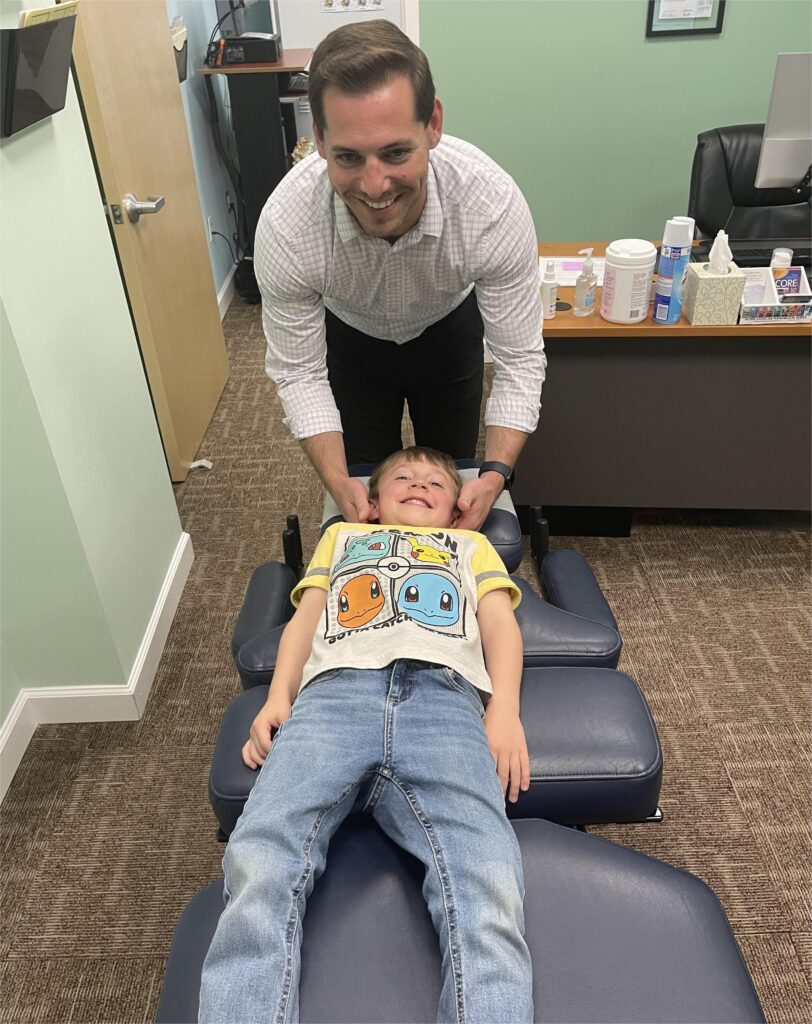
If you’ve experienced whiplash, you know just how much it can disrupt your life. Finding the right treatment is crucial for a complete recovery, and as a local chiropractor, I believe that chiropractic care is one of the best options available to help you heal naturally and effectively.
Chiropractic care focuses on the health of your spine and nervous system, which plays a key role in your overall well-being. Through gentle adjustments, we can help restore proper alignment and function to your neck, reducing pain and improving mobility. This natural approach not only alleviates discomfort but also supports your body’s innate ability to heal itself.
In addition to chiropractic adjustments, here are some strategies you can implement to support your healing process:
- Gentle Stretching and Mobility Exercises: After whiplash, it’s important to keep your neck moving gently. Simple neck stretches can help improve flexibility and reduce stiffness. Always consult with your chiropractor for tailored exercises that suit your specific condition.
- Heat and Cold Therapy: Applying a warm compress or a cold pack can provide relief from pain and inflammation. Heat promotes blood flow and relaxation, while cold therapy helps numb sharp pain and reduce swelling.
- Stay Active: While rest is important, engaging in light activities can help prevent stiffness. Walking or light stretching can promote circulation and support your recovery.
- Maintain Good Posture: Being mindful of your posture, especially when sitting or working at a desk, can alleviate unnecessary strain on your neck. Ensure your workstation is ergonomically friendly.
- Hydration and Nutrition: Drinking plenty of water and eating a balanced diet rich in anti-inflammatory foods can support your overall healing process. Consider incorporating foods like leafy greens, berries, and fatty fish into your meals.
By prioritizing chiropractic care and these supportive strategies, you can effectively manage your whiplash symptoms and promote a healthier, more balanced life.
Remember, your body is capable of remarkable healing, and with the right care, you can regain your strength and vitality. If you have any questions or need assistance, don’t hesitate to reach out to your chiropractor for personalized guidance on your recovery journey.
Key Takeaways
Recovering from whiplash can be challenging, but there are effective ways to promote healing and alleviate pain through natural methods. Here are some top treatments to consider that focus on chiropractic care and overall wellness:
- Ice and Heat Therapy: Start by applying ice packs to the affected area for the first 48 hours to help reduce swelling. After that, switch to heat therapy to relax tight muscles and improve blood flow. This simple approach can be very effective in managing pain.
- Chiropractic Care: Regular visits to a chiropractor can be incredibly beneficial for spinal alignment. Chiropractic adjustments help alleviate discomfort associated with whiplash and enhance mobility. By ensuring your spine is properly aligned, you can support your body’s natural healing processes.
- Gentle Stretching and Light Exercises: Incorporating gentle stretching and light exercises into your routine can help maintain flexibility and prevent stiffness during your recovery. Simple neck stretches or shoulder rolls can make a big difference in how you feel.
- Soft Tissue Therapy: Consider adding soft tissue therapy to your self-care routine. This technique helps relieve muscle tension and improve circulation, which is essential for healing. A chiropractor can provide targeted soft tissue work to further support your recovery.
- Stay Hydrated and Eat Well: Remember to drink plenty of water and maintain a balanced diet rich in anti-inflammatory foods. Proper hydration and nutrition can significantly aid in your overall recovery and help reduce inflammation.
By focusing on these natural healing methods, you can optimize your recovery from whiplash while positioning chiropractic care as a key component of your wellness journey. If you’re experiencing pain, don’t hesitate to reach out to a chiropractor for personalized care tailored to your needs.
Understanding Whiplash: Symptoms and Causes
When you experience a sudden jolt, such as in a car accident, whiplash can occur. This happens when your neck is jerked forward and backward rapidly, straining the muscles and ligaments in that area. As a result, you might feel pain and stiffness in your neck, making it hard to move your head comfortably. Headaches are also common, often starting from the base of your skull.
In addition to neck pain, you may experience dizziness, fatigue, or even trouble concentrating. These symptoms can show up right away or take a few days to develop. While whiplash is most commonly associated with rear-end collisions, it can also occur from sports injuries or falls.
Understanding these symptoms and their causes is essential for early identification of whiplash. As a chiropractor, I encourage you to seek natural treatment options that focus on healing your body without medication or surgery. Chiropractic care is an effective way to address the underlying issues related to whiplash, helping to restore mobility and alleviate pain.
If you find yourself experiencing any of these symptoms, consider visiting a chiropractor for a thorough evaluation. Along with professional treatment, there are also simple steps you can take at home to support your recovery, such as gentle neck stretches, applying ice or heat to reduce inflammation, and practicing good posture. Staying informed and proactive about your health is key to achieving optimal wellness. Remember, addressing these signs early can help prevent prolonged discomfort and complications down the line.
Physical Therapy: Restoring Mobility and Strength
After experiencing whiplash, regaining mobility and strength in your neck is crucial for a full recovery, and chiropractic care offers an effective, natural approach. As a chiropractor, I believe that restoring your neck’s function and alleviating pain can be best achieved through non-invasive methods. Here are four key aspects of chiropractic care for whiplash recovery:
- Comprehensive Assessment: Your chiropractor will assess your neck’s range of motion, alignment, and overall function. This personalized evaluation allows us to develop a tailored treatment plan that addresses your unique needs.
- Gentle Adjustments: Chiropractic adjustments help realign the vertebrae in your neck, reducing pressure on nerves and improving mobility. This technique can alleviate pain and enhance your ability to move freely.
- Rehabilitative Exercises: You’ll be guided through specific exercises designed to strengthen the muscles supporting your neck. These targeted movements not only rebuild strength but also help prevent future injuries.
- Holistic Techniques: Incorporating methods such as soft tissue therapy and stretches can help relieve tension and improve circulation, promoting natural healing.
General Tips for Whiplash Recovery:
- Stay hydrated to help your body recover.
- Apply heat or cold packs to your neck for short periods to alleviate pain.
- Maintain good posture, especially when sitting or using electronic devices.
- Incorporate gentle neck stretches into your daily routine to improve flexibility.
Choosing chiropractic care as part of your recovery plan can lead to lasting relief and a healthier, more active lifestyle. Remember, the goal is not just to recover from whiplash but to build a strong foundation for your overall health and well-being.
Chiropractic Care: Aligning Your Spine for Relief
Chiropractic care is a vital component of your whiplash recovery, primarily by emphasizing the importance of spinal alignment. When your spine is properly aligned, you can experience significant pain relief through gentle spinal manipulation techniques. These methods help to restore your body’s natural balance and function, allowing you to move more freely and comfortably.
In addition to spinal adjustments, we’ll work on targeted exercises that improve your posture and strengthen your muscles, which is essential for long-term relief. By incorporating these practices into your routine, not only will you alleviate discomfort, but you’ll also enhance your overall mobility and wellness.
Remember, chiropractic care is a natural way to promote healing and maintain optimal health. Here are a few tips to support your recovery at home:
- Stay Active: Gentle movements and light stretching can keep your muscles engaged and prevent stiffness. Aim for a few minutes of light activity each day.
- Mind Your Posture: Be conscious of how you sit and stand. Good posture can make a huge difference in how your body feels.
- Stay Hydrated: Drinking plenty of water helps keep your muscles and joints lubricated, which is essential for recovery.
- Rest Wisely: While rest is important, try to incorporate short, gentle movements to prevent your body from becoming stiff.
- Listen to Your Body: Pay attention to how you feel during activities. If something causes pain, it’s crucial to give your body the time it needs to heal.
Chiropractic care is not just about treating pain; it’s about empowering you to lead a healthier, more active life. By choosing chiropractic, you’re investing in a natural path to wellness that can help you thrive.
Spinal Manipulation Techniques
If you’re experiencing whiplash pain, chiropractic care may be the natural solution you’ve been searching for. Spinal manipulation techniques are designed to realign your spine, reduce pain, and restore your mobility without the need for medications or invasive procedures. Here are four effective chiropractic techniques that can help you on your journey to recovery:
- Cervical Adjustments: These gentle adjustments focus on your neck area, helping to relieve tension and improve your range of motion. By restoring proper alignment, you can reduce headaches and neck pain.
- Thoracic Manipulation: This technique targets the upper back, easing discomfort that may radiate from the neck to the shoulders. By enhancing mobility in this area, you can experience relief from tightness and improve your posture.
- Pelvic Adjustments: Balancing your pelvis is crucial for overall spinal health. Proper alignment not only alleviates pain but also supports the healing process throughout your entire body, promoting better function.
- Soft Tissue Therapy: Incorporating techniques like massage and stretching can significantly reduce muscle tightness and enhance circulation. This therapy complements spinal adjustments, helping your body heal more effectively.
Remember, it’s essential to consult with a qualified chiropractor who can assess your individual needs and create a personalized treatment plan tailored just for you. Additionally, here are some general tips to enhance your recovery:
- Stay Hydrated: Drinking plenty of water supports overall health and aids in muscle recovery.
- Practice Good Posture: Being mindful of your posture while sitting, standing, or sleeping can prevent further strain on your spine.
- Engage in Gentle Stretching: Incorporating gentle stretches into your daily routine can help maintain flexibility and reduce tension.
Pain Relief Strategies
When it comes to finding effective pain relief for whiplash, chiropractic care is often the best choice. By prioritizing spinal alignment, chiropractors not only help reduce pain but also enhance your mobility and overall well-being. Regular chiropractic adjustments can be a game-changer, helping you feel more comfortable and improving your quality of life.
Here’s a breakdown of some key chiropractic treatments that can aid in your recovery:
| Treatment Type | Benefits | Frequency |
|---|---|---|
| Spinal Manipulation | Reduces tension and alleviates pain | Weekly or bi-weekly |
| Soft Tissue Therapy | Eases muscle stiffness and discomfort | As needed |
| Rehabilitation Exercises | Strengthens neck muscles for support | 2-3 times a week |
Incorporating these strategies into your recovery plan can significantly accelerate your healing process. Remember, the goal is not just to relieve pain but to support your body in achieving optimal health.
Here are some general tips to enhance your recovery:
- Stay Active: Gentle movements and stretches can keep your neck flexible. Avoid long periods of inactivity.
- Posture Matters: Be mindful of your posture, especially when sitting or using gadgets. Good posture can prevent further strain on your neck.
- Heat and Cold Therapy: Applying a warm compress or ice pack can help soothe pain and reduce inflammation.
Always consult with a chiropractic professional to develop a personalized care plan that suits your specific needs. With chiropractic care, you can find a natural and effective path to healing and wellness.
Posture Improvement Exercises
Improving your posture is essential for recovering from whiplash and can significantly enhance the benefits of your chiropractic care. By integrating posture improvement exercises into your daily routine, you can alleviate pain and prevent future issues. Here are four simple yet effective exercises to support your journey toward better posture and overall wellness:
- Chin Tucks: Sit or stand tall, gently tuck your chin toward your chest, and hold for a few seconds. This exercise helps to strengthen neck muscles and align your spine.
- Shoulder Blade Squeezes: While sitting up straight, squeeze your shoulder blades together and hold for five seconds. This will help improve your upper back strength and posture.
- Wall Angels: Stand with your back against a wall and slide your arms up and down while keeping contact with the wall. This exercise promotes shoulder mobility and helps correct rounded shoulders.
- Neck Stretch: Gently tilt your head to one side, hold for a few seconds, and then repeat on the other side. This stretch can alleviate tension in your neck and improve flexibility.
Incorporating these exercises into your routine can greatly support your recovery and wellness journey. Remember, chiropractic care is a natural and effective way to achieve optimal health, helping you to live pain-free and enjoy a healthier life. Always consult with your chiropractor to tailor a plan that suits your individual needs and enhances your healing process.
Pain Management: Medications and Injections
Managing pain effectively is essential for your whiplash recovery, and chiropractic care can provide a natural and holistic approach to relief. Instead of relying on medications or injections, consider visiting a chiropractor who specializes in spinal health. They can help identify the root cause of your pain and develop a personalized treatment plan that may include gentle adjustments, therapeutic exercises, and lifestyle advice.
In addition to chiropractic adjustments, there are several tips you can incorporate into your daily routine to support your recovery. Staying hydrated, practicing good posture, and using heat or cold therapy can be helpful for managing discomfort. Gentle stretches and strengthening exercises can also promote healing and improve your overall well-being.
Over-the-Counter Pain Relievers
Whiplash can be quite uncomfortable, but there are effective ways to support your recovery without relying solely on medications. As a chiropractor, I believe in the power of natural healing and the body’s ability to recover with the right care. While over-the-counter pain relievers might provide temporary relief, they don’t address the root cause of your discomfort. Instead, chiropractic care can help restore proper alignment and function to your spine, which is essential for overall health and wellness.
Here are some natural approaches you might consider to help alleviate discomfort and promote healing after a whiplash injury:
- Chiropractic Adjustments – Regular adjustments can realign your spine and reduce tension in your neck, promoting better mobility and pain relief.
- Gentle Stretching and Exercise – Engage in gentle stretches and strengthening exercises to help improve flexibility and support the muscles around your neck.
- Heat and Cold Therapy – Applying a warm compress or an ice pack can help soothe sore muscles and reduce inflammation.
- Hydration and Nutrition – Staying hydrated and eating a balanced diet rich in anti-inflammatory foods can support your body’s healing process.
Always remember, it’s essential to consult with a healthcare professional before starting any new treatment. As you explore your options, consider incorporating chiropractic care into your recovery plan for a holistic approach to your health and wellness. Your body has the remarkable ability to heal itself, and with the right support, you can achieve optimal health and well-being.
Prescription Medications Overview
When dealing with whiplash, many individuals seek out options for managing pain, and while some may consider prescription medications, there are natural alternatives that can effectively promote healing. Chiropractic care is one of the best ways to address the underlying causes of whiplash, focusing on spinal alignment and restoring proper function to the nervous system.
Instead of relying on stronger pain relievers or muscle relaxants, chiropractic adjustments can help relieve tension, reduce muscle spasms, and improve mobility without the risks associated with medications. Regular chiropractic sessions can also aid in reducing inflammation naturally and promoting blood flow to the affected areas, which is essential for healing.
In addition to chiropractic care, here are some simple tips to support your recovery:
- Stay Hydrated: Drinking plenty of water can help keep your muscles hydrated and support overall recovery.
- Gentle Stretching: Incorporate gentle neck stretches into your routine to maintain flexibility and reduce stiffness. Always consult with your chiropractor for tailored stretches.
- Heat Therapy: Applying a warm compress to the neck can help soothe tight muscles and improve blood circulation.
- Ergonomic Adjustments: Ensure that your workspace is ergonomically friendly to reduce strain on your neck and back.
- Mindfulness and Relaxation Techniques: Practices such as deep breathing, meditation, or yoga can help manage stress and promote relaxation, aiding in the healing process.
Corticosteroid Injections Benefits
Corticosteroid injections can provide relief for those experiencing whiplash-related pain, especially when other treatments haven’t brought enough comfort. While these injections may offer temporary relief, it’s important to consider the long-term benefits of chiropractic care for achieving optimal health and wellness. Chiropractic adjustments focus on the root causes of pain, supporting your body’s natural healing processes. Here are some key advantages of choosing chiropractic care for whiplash recovery:
- Natural Pain Relief: Chiropractic adjustments help to alleviate pain naturally, promoting healing without the use of medications.
- Reduced Inflammation: By improving spinal alignment and function, chiropractic care can help reduce inflammation in the body, addressing issues at their source.
- Enhanced Mobility: Regular chiropractic treatments can improve your neck’s range of motion, helping you regain functionality and get back to your daily activities more quickly.
- Long-Term Wellness: Instead of relying on temporary solutions like injections, chiropractic care focuses on long-term health, helping to prevent future injuries and promoting overall wellness.
In addition to chiropractic adjustments, consider these general tips for managing whiplash:
- Apply Ice or Heat: Use ice packs to reduce swelling in the initial days after injury, and switch to heat therapy to relax tight muscles later on.
- Stay Active: Gentle stretching and light activities can help maintain mobility and prevent stiffness.
- Practice Good Posture: Be mindful of your posture, especially if you’re sitting for long periods, to support your neck and spine.
Alternative Therapies: Acupuncture and Massage
If you’re dealing with whiplash symptoms, chiropractic care is one of the best routes to finding relief and promoting long-term wellness. As a chiropractor, I often see patients who benefit greatly from a tailored chiropractic approach, which focuses on adjusting the spine to enhance overall health and well-being.
Chiropractic adjustments work by realigning the spine and relieving pressure on the nervous system, which can significantly reduce pain and promote healing. This natural approach not only alleviates discomfort but also encourages better blood flow to the injured areas, aiding in the recovery process. Many individuals find that regular chiropractic sessions help manage chronic pain, restore mobility, and improve their quality of life.
In addition to chiropractic adjustments, incorporating gentle exercises and stretches into your daily routine can further support your recovery. Simple neck stretches can help alleviate stiffness and improve flexibility, while maintaining good posture can prevent additional strain on your neck.
While therapies like acupuncture and massage can complement chiropractic care, it’s essential to prioritize a holistic approach centered around spinal health. Before starting any treatment, always consult with your chiropractor to ensure it aligns with your specific needs and condition.
Embracing chiropractic care not only addresses immediate pain relief but also sets the foundation for a healthier, more active lifestyle. With the right guidance, you can achieve optimal health and well-being without the need for medications or invasive procedures. Remember, taking care of your spine is a vital step towards overall wellness!
Self-Care Strategies: Home Remedies and Lifestyle Changes
To effectively manage whiplash symptoms at home, incorporating self-care strategies can greatly enhance your recovery and overall well-being. As a chiropractor, I believe in the power of natural healing and lifestyle adjustments to support your health. Here are some practical home remedies and lifestyle changes that can aid your recovery:
- Apply Ice or Heat: For the first 48 hours after an injury, use ice packs to minimize swelling. After that, switch to applying heat to help relax your muscles and promote better blood flow. This simple method can alleviate discomfort and support the healing process.
- Stay Hydrated: Drinking plenty of water is essential for maintaining hydration in your spine and supporting muscle recovery. Staying hydrated can help reduce inflammation and improve overall function.
- Maintain Good Posture: Be mindful of your posture throughout your daily activities, especially when sitting or working. Good posture reduces strain on your neck, which can lead to faster healing. It’s a small adjustment that can make a big difference!
- Rest and Sleep: Prioritize getting restful sleep, as it allows your body to heal. Consider using a supportive pillow that maintains proper neck alignment, helping you wake up feeling more refreshed and less strained.
In addition to these strategies, regular chiropractic care can be a key component of your healing journey. Chiropractors focus on restoring alignment and function to the spine, which can help alleviate pain and promote natural healing. By integrating chiropractic treatment with these self-care practices, you can work towards achieving optimal health and wellness. Remember, the body has an incredible ability to heal itself with the right support!
The Role of Exercise in Recovery
While rest is crucial in the initial stages of recovering from whiplash, incorporating chiropractic care and gentle exercise is vital for regaining strength and flexibility in your neck. Gradually introducing movements can help prevent stiffness and support the healing process. Start with simple range-of-motion exercises, such as gently turning your head side to side or nodding. These movements can be guided by your chiropractor, who can tailor a plan specifically for your needs.
As you become more comfortable, your chiropractor may suggest incorporating stretching and strengthening exercises that suit your comfort level. It’s essential to listen to your body and avoid pushing through pain, as this can hinder your recovery. Aim for consistency in your routine, even if it’s just a few minutes each day. Activities like walking or light yoga can be great low-impact options that help keep you active without straining your neck.
Chiropractic care not only addresses the underlying issues causing your neck pain but also promotes overall wellness. Engaging in physical activity under the guidance of your chiropractor can elevate your mood and enhance your overall well-being. By incorporating exercise and chiropractic care into your recovery routine, you’re taking significant steps toward feeling like yourself again and achieving optimal health naturally. Remember, your chiropractor is your partner in recovery, helping you navigate your journey to wellness.
When to Seek Professional Help
Knowing when to seek professional help for whiplash recovery is crucial for your overall health and wellness. As a local chiropractor, I want to emphasize the importance of natural healing and how chiropractic care can be a powerful ally in your recovery journey. If you’re facing persistent symptoms or worsening pain, it’s time to consult with a healthcare provider, preferably a chiropractor. Here are some key signs that indicate you should reach out for professional assistance:
- Severe or Worsening Pain: If your neck pain becomes more intense or starts to radiate to your arms or shoulders, it’s a signal that your body needs attention. A chiropractor can help identify the root cause and provide targeted adjustments to relieve your discomfort.
- Limited Range of Motion: Struggling to turn your head or feeling stiffness that just won’t go away? These are signs that your body might benefit from chiropractic care, which can enhance flexibility and mobility through gentle spinal adjustments.
- Numbness or Tingling: If you experience numbness or tingling in your arms or fingers, it may indicate nerve involvement. Chiropractic care focuses on restoring proper alignment, which can alleviate pressure on nerves and improve your overall function.
- Headaches or Dizziness: Frequent headaches or dizziness disrupting your daily life can be linked to neck issues. Chiropractors are trained to assess and treat these conditions effectively, helping you regain balance and well-being.
Addressing these symptoms early with chiropractic care can prevent further complications and support a more effective recovery. Remember to also incorporate healthy habits into your daily routine, like staying active, maintaining good posture, and practicing stress-relief techniques. Don’t hesitate to reach out to a chiropractor for guidance and personalized treatment options. Your path to optimal health and wellness starts with taking the first step!
Conclusion
Recovering from whiplash can be a journey, but with the right approach, you can regain your health and well-being. As a chiropractor, I believe that chiropractic care is one of the most effective treatments for whiplash recovery. By realigning your spine and improving your overall body function, chiropractic adjustments can alleviate pain and promote healing.
In addition to chiropractic care, physical therapy can be beneficial in building strength and flexibility in your neck and back. Engaging in gentle exercises and stretches can help ease tension and improve mobility. Remember, self-care is crucial! Incorporating practices like warm compresses or light massage can provide additional relief.
Alternative therapies, such as acupuncture, can also complement your recovery process by addressing pain points and enhancing relaxation. However, chiropractic care remains my top recommendation for its holistic approach to healing.
As you embark on your recovery journey, don’t forget to listen to your body. If you experience persistent or worsening symptoms, it’s essential to reach out for professional guidance. Your health is important, so take proactive steps toward achieving optimal wellness through chiropractic care. Together, we can work towards a full recovery and a healthier lifestyle.