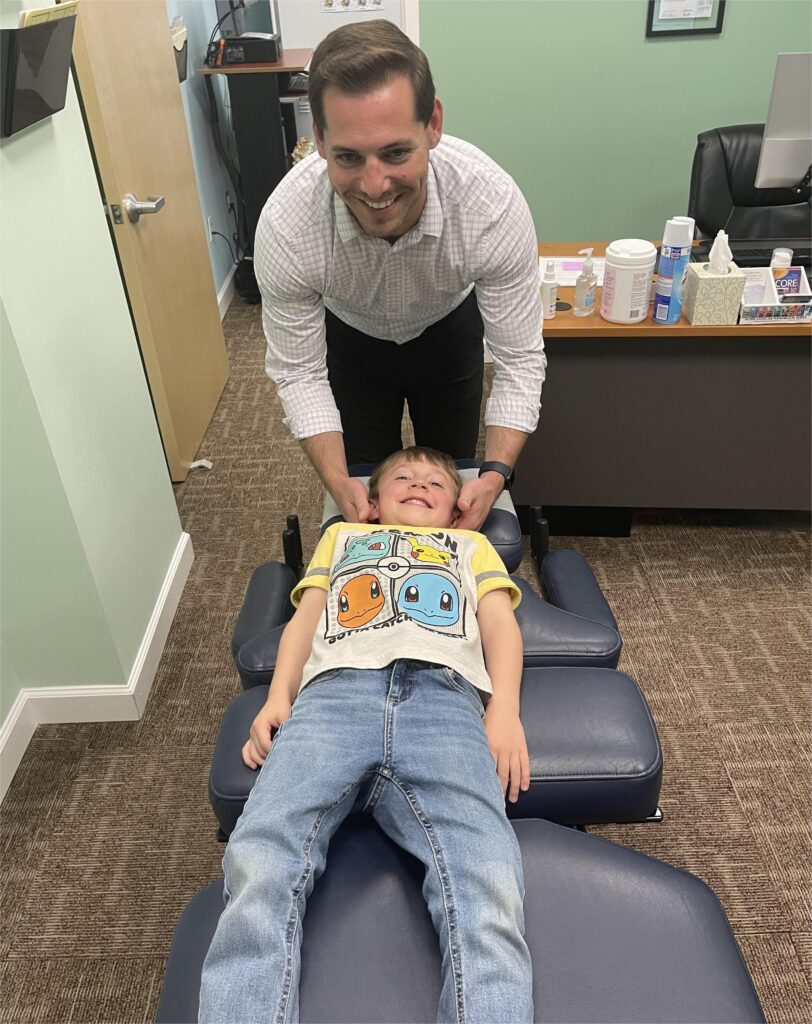
If you're experiencing back pain, you're certainly not alone, and it's crucial to explore the effective techniques we can offer for relief. As a chiropractor, I've seen firsthand how simple lifestyle adjustments—like improving your posture or incorporating regular stretching—can make a significant impact on your comfort levels. Strengthening your core muscles is another essential aspect, as it provides the support your spine needs.
In addition to these practices, heat and cold therapy can be valuable tools in managing your pain. However, it's also important to consider the benefits of mindfulness and professional chiropractic treatments. Understanding how these elements work together can give you a comprehensive approach to alleviating your discomfort.
Chiropractic care focuses on aligning the spine and enhancing your overall well-being, and I encourage you to explore this natural healing method. Let's take a closer look at these techniques together to find the best solutions for your individual needs. Your journey to relief starts here!
Proper Posture Practices
As your local chiropractor, I want to emphasize the importance of maintaining proper posture in your daily life. Many people are unaware that good posture is crucial for preventing back pain and supporting overall spinal health. When your spine is properly aligned, it helps distribute your weight evenly, reducing strain on your muscles and ligaments.
To start, focus on the alignment of your head and shoulders. Picture a straight line running from your ears down to your hips. This alignment is key in promoting a healthy spine.
When you're sitting, it's important to keep your feet flat on the floor or on a footrest if necessary. Your knees should be at or just below hip level. Proper support for your lower back is essential, whether that's from the chair itself or with the addition of a small cushion.
Avoid the common habit of slumping or leaning forward; instead, settle back into your chair, allowing your spine to maintain its natural curve.
For those times when you're standing, make sure to distribute your weight evenly between both feet. Keep your shoulders back and relaxed, and engage your core muscles for stability. If you find yourself standing for extended periods, try shifting your weight from one foot to the other or using a footrest to relieve pressure.
Additionally, it's vital to be mindful of your screen time. If you're working on a computer, adjust your monitor to eye level. This simple change can prevent unnecessary strain on your neck and shoulders.
Remember, your posture directly affects how you feel throughout the day. By regularly checking in on your posture and making adjustments, you can prevent discomfort and promote better health.
Stretching and Flexibility Exercises
As your local chiropractor, I want to emphasize the importance of stretching for maintaining a healthy back and preventing discomfort. Many of my patients are surprised to learn how simple flexibility exercises can significantly improve their overall mobility and provide relief from pain.
Incorporating these stretches into your daily routine can be a game changer for your spine health. I encourage you to explore some recommended stretches that I often suggest in my practice.
Remember, it's all about consistency – even a few minutes a day can make a difference.
Additionally, I'm here to guide you on how to properly integrate these exercises into your life for maximum benefits. Together, we can work towards enhancing your well-being and promoting natural healing through effective stretching techniques.
Importance of Stretching
As a local chiropractor, I want to emphasize the importance of incorporating stretching into your daily routine for enhancing your overall health and well-being. Stretching plays a crucial role in improving flexibility and can significantly help in reducing back pain, a common issue many of my patients face.
When you stretch, you increase the range of motion in your muscles and joints, which makes daily tasks easier and more enjoyable. Regular stretching promotes blood flow to your muscles, aiding in recovery and relieving stiffness. This improved circulation can boost your energy levels and help you feel more relaxed throughout the day.
For those who spend long hours sitting or standing, stretching can be especially beneficial in balancing muscle groups. Tight muscles can lead to discomfort and misalignment of your spine, which is why focusing on flexibility is essential—not just for alleviating current pain but also for preventing future issues.
Additionally, taking just a few minutes each day to stretch can serve as an effective stress reliever. The deep breathing that often accompanies stretching exercises can help calm your mind and body, reducing tension that may contribute to back pain.
It's important to understand that consistency is key. By making stretching a regular part of your routine, you're not only investing in your physical health but also enhancing your resilience against back pain.
Recommended Flexibility Exercises
As your local chiropractor, I want to share some effective flexibility exercises that can help enhance your overall well-being and alleviate back pain. Incorporating these stretches into your daily routine can make a significant difference in how you feel.
Let's start with the Cat-Cow stretch. This is a fantastic way to improve spine flexibility. Begin by positioning yourself on all fours. As you arch your back upward like a cat, take a deep breath in, and then exhale as you drop your belly and lift your head for the cow position. Repeat this for several breaths, and you'll notice how it gently mobilizes your spine.
Next, consider adding the Child's Pose to your routine. Kneel on the floor, sit back on your heels, and extend your arms forward while lowering your forehead to the ground. This stretch not only elongates your spine but also releases built-up tension, promoting relaxation.
Another beneficial stretch is the seated forward bend. Sit with your legs extended in front of you, and gradually reach towards your toes, ensuring your back remains straight. Hold this position for a few breaths to effectively stretch your hamstrings and lower back.
Lastly, don't overlook the spinal twist. While seated, cross one leg over the other and gently twist your torso towards the bent knee. This exercise is excellent for enhancing spinal mobility and encouraging relaxation throughout your body.
Remember, consistency is crucial. Aim to incorporate these stretches regularly into your routine, and you'll likely experience improved flexibility and a reduction in back pain over time.
If you have any questions about how these exercises can support your chiropractic care, feel free to ask during your next visit!
Daily Routine Tips
As a local chiropractor, I want to emphasize the importance of incorporating flexibility and stretching into your daily routine for better back health and overall wellness. You might be surprised to learn that dedicating just 10 to 15 minutes each morning or evening to these exercises can make a significant difference.
Start your journey with gentle stretches, such as the cat-cow pose. This simple movement helps to mobilize your spine and is a great way to start your day. Following this, try a seated forward bend to give your lower back a much-needed stretch.
If you find yourself sitting at a desk for long periods, take a moment to stand up and perform a standing side stretch. This will help release tension in your sides and promote better posture.
I also recommend setting reminders to stand up and stretch every hour. Incorporating simple movements like shoulder rolls and torso twists throughout your day can greatly alleviate stiffness and enhance blood flow.
Additionally, consider adding practices like yoga or Pilates to your routine. These disciplines focus on improving flexibility and building core strength, both of which are vital for maintaining a healthy back.
Above all, it's essential to listen to your body. If a stretch doesn't feel right, don't hesitate to modify it or skip it altogether.
Strengthening Core Muscles
As a local chiropractor, I want to emphasize the critical role your core muscles play in alleviating back pain. Strengthening your core isn't merely about achieving a toned appearance; it's essential for providing support to your spine and ensuring proper posture. A robust core helps evenly distribute weight across your body, significantly reducing strain on your back.
To begin your journey towards a stronger core, I recommend focusing on exercises that engage all areas, including your abdominal muscles, obliques, and lower back. One of the most effective exercises is the plank. This exercise activates multiple muscle groups and requires no special equipment. Start by holding a plank for 20 to 30 seconds, and as your strength improves, gradually increase the duration.
Another excellent exercise is the bird-dog. To perform this, kneel on all fours and extend one arm forward while simultaneously extending the opposite leg back. This not only builds core strength but also enhances balance and coordination, which are vital for overall stability.
Don't overlook pelvic tilts, either. This simple exercise can improve flexibility and strength in your lower back. Lie on your back with your knees bent and gently tilt your pelvis upward while tightening your abdominal muscles.
I encourage you to incorporate these exercises into your routine two to three times a week. Consistency is crucial! Over time, you'll likely notice improved stability and a reduction in pain.
Heat and Cold Therapy
As a local chiropractor, I want to share with you the benefits of heat and cold therapy in managing back pain and promoting healing. These natural methods can serve as effective tools to relieve discomfort and enhance your mobility.
When you apply heat to your back, it helps increase blood flow to the area, which can relax tight muscles and ease stiffness. You might consider using a heating pad, a warm towel, or enjoying a soothing warm bath. Just remember to apply heat for about 15-20 minutes at a time to prevent burns.
On the flip side, cold therapy is excellent for reducing inflammation and numbing sore tissues. Applying an ice pack or even a bag of frozen vegetables wrapped in a cloth can help diminish swelling and alleviate pain. Cold therapy is especially beneficial after any activity that aggravates your back pain. Aim to use cold for about 15-20 minutes, allowing your skin to return to its normal temperature between sessions.
It's crucial to pay attention to how your body responds to these treatments. If heat seems to worsen your pain, switch to cold therapy, and vice versa. Many patients find that alternating between heat and cold can provide the best relief. By incorporating these techniques into your daily routine, you can gain better control over your back pain.
However, I always encourage my patients to consult with a healthcare professional if they've any doubts about the best approach for their specific situation.
With the right application of heat and cold therapy, you can take significant strides toward feeling better and improving your overall well-being. Remember, chiropractic care focuses on natural healing, and these therapies can complement your treatment plan effectively.
Mindfulness and Relaxation Techniques
As a local chiropractor, I want to share with you some valuable insights on how incorporating mindfulness and relaxation techniques can significantly enhance your management of back pain. While physical treatments such as heat and cold therapy are essential, integrating these holistic approaches can help you cultivate a deeper awareness of your body and reduce the stress that often worsens pain.
Mindfulness practices encourage you to focus on the present moment, allowing you to observe your thoughts and feelings without judgment. This can lead to a better understanding of what might be triggering your discomfort. One simple way to start is through breathing exercises. Set aside a few moments each day to sit quietly and pay attention to your breath. Inhale deeply through your nose, letting your abdomen expand, and then exhale slowly through your mouth. This practice not only calms your nervous system but can also help alleviate pain.
Another effective method is progressive muscle relaxation. This technique involves tensing and then relaxing different muscle groups, which can be particularly helpful in releasing any built-up tension in your back. By doing this regularly, you may find a significant reduction in discomfort.
Mindful meditation is another powerful tool. Dedicate a few minutes to sit comfortably, close your eyes, and concentrate on your breathing or a soothing mantra. If thoughts about your pain come to mind, simply acknowledge them and redirect your focus back to your breath. Over time, this practice can help you develop a more accepting relationship with your pain.
Additionally, I recommend considering gentle yoga or tai chi as part of your routine. These practices emphasize movement, breath, and mindfulness, which can enhance relaxation and flexibility. By embracing these techniques, you may experience a notable improvement in your back pain and overall well-being.
Professional Treatment Options
As a local chiropractor, I want to share how professional treatment options can play a crucial role in your recovery from back pain. If you've found that home remedies and self-care strategies haven't provided the relief you need, it may be time to consider seeking help from a healthcare professional like myself. A comprehensive evaluation can help pinpoint the underlying causes of your discomfort and guide you toward effective, personalized treatments.
Chiropractic care is a valuable option for many individuals suffering from back pain. In our practice, we utilize hands-on spinal manipulation techniques to align your body's musculoskeletal structure. This realignment can't only alleviate pain but also enhance your overall function, allowing you to return to the activities you love.
In addition to chiropractic adjustments, I often recommend incorporating physical therapy into your treatment plan. Collaborating with a skilled physical therapist, we can create a customized exercise program designed to strengthen your back and core muscles. This approach will improve your flexibility, stability, and, ultimately, your quality of life.
If your pain is severe or persistent, we may explore medical interventions together. Depending on your specific situation, I can discuss options such as nonsteroidal anti-inflammatory drugs (NSAIDs) or muscle relaxants that can help manage pain and inflammation. In certain instances, corticosteroid injections may offer temporary relief by reducing inflammation around the affected nerves.
For those dealing with chronic pain, alternative treatments like acupuncture and massage therapy can also provide significant benefits. These therapies can help relieve tension and promote healing in the affected areas, complementing the chiropractic care you receive.
It's essential to have open and honest communication with me about your symptoms and treatment goals. Together, we can navigate the various options available to you and tailor a plan that best meets your needs.
Conclusion
As a local chiropractor, I want to share some valuable techniques that can significantly relieve your back pain and enhance your overall well-being. It's essential to understand the importance of proper posture in your daily activities—this simple adjustment can make a world of difference. Additionally, engaging in flexibility exercises and strengthening your core can help build resilience against discomfort and support your spine.
Don't underestimate the power of heat and cold therapy; these methods are effective in reducing inflammation and soothing muscle tension. Incorporating mindfulness practices into your routine can also enhance your recovery and promote a sense of calm.
If you find that your pain persists, I encourage you to seek professional help. Chiropractic care offers natural healing options that can address the root causes of your discomfort. Remember, taking proactive steps today can pave the way for a healthier, pain-free tomorrow. Your journey toward wellness begins with understanding and embracing these holistic techniques.