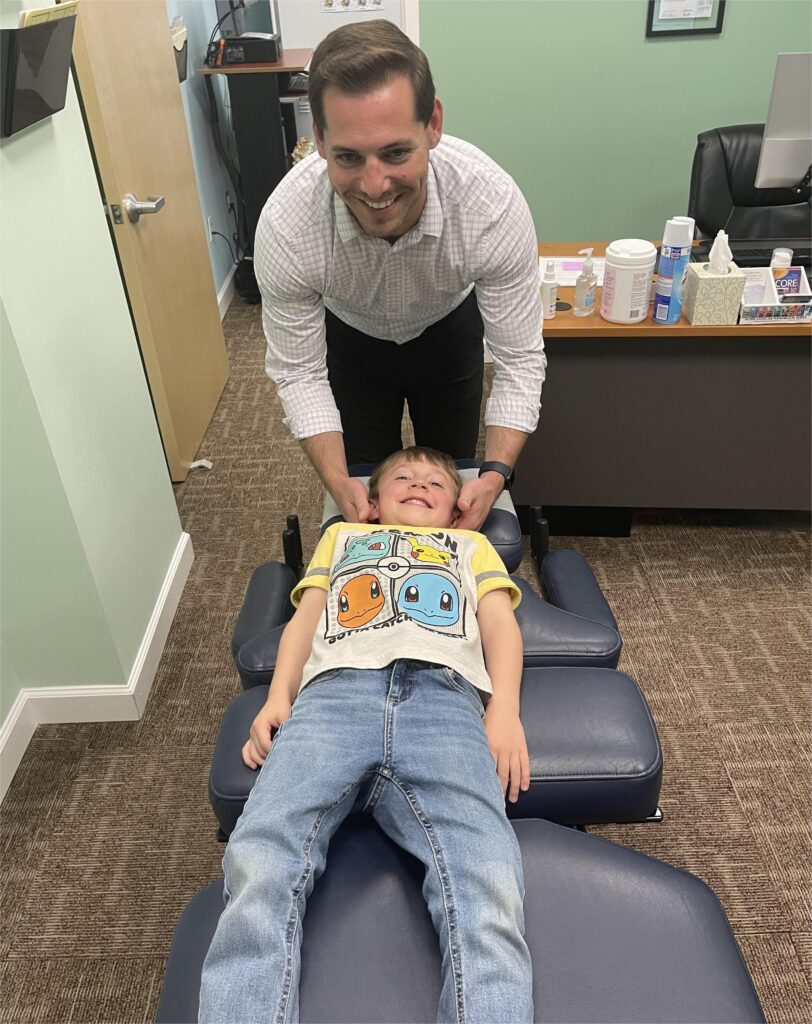
If you're experiencing lower back pain, you're not alone, and I'm here to help you discover effective solutions that can significantly improve your situation in just 30 days. As a chiropractor, I believe in the power of natural healing and the importance of understanding how our bodies work. By focusing on proper posture, incorporating targeted stretching exercises, and making simple ergonomic adjustments in your daily life, you can start to notice remarkable changes.
In addition to these practices, paying attention to your nutrition and incorporating mindfulness techniques can further enhance your recovery. However, those are just the beginning. There are many other strategies we can explore together to help you regain control over your pain and restore your mobility. Let's work together to develop a holistic approach tailored to your needs, so you can live a pain-free life.
Understanding Lower Back Pain
As a local chiropractor, I want to help you understand lower back pain, a condition that affects millions of people and can arise from a variety of causes. Many of my patients come in experiencing discomfort due to muscle strains, ligament sprains, or herniated discs. Often, these issues can be triggered by improper lifting techniques or sudden awkward movements. It's crucial to recognize how your daily activities and lifestyle habits significantly influence your lower back health.
One common contributor to back pain is poor physical conditioning. If your core muscles aren't strong, they may struggle to provide the support your spine needs. Additionally, excess weight can place added stress on your lower back, making any existing discomfort even worse. Reflecting on your lifestyle can help you identify factors that may be contributing to your pain.
Stress is another important factor to consider. Many people experience muscle tension in their lower back when they're feeling overwhelmed. You might notice that during stressful times, your back feels tighter, leading to discomfort. Incorporating stress management techniques, such as meditation or deep breathing exercises, can be effective in alleviating this tension and improving your overall well-being.
Age is also a significant factor in lower back pain. As we get older, our spines naturally undergo wear and tear, making us more susceptible to pain. Conditions like arthritis or degenerative disc disease often become more prevalent with age.
Understanding the underlying causes of your lower back pain is essential for effective management. Here at our chiropractic practice, we focus on identifying what contributes to your discomfort so that we can work together on proactive solutions for relief and prevention.
Whether it's adjusting your daily routine, incorporating regular exercise, or exploring chiropractic care, addressing the root issues is vital for your recovery and long-term health. I'm here to guide you on your journey to feeling better!
Importance of Proper Posture
As a local chiropractor, I want to emphasize the critical role that proper posture plays in your overall health and well-being, particularly in preventing lower back pain.
Many of you may not realize how common posture mistakes can negatively impact your body, but the good news is that by focusing on your posture, you can experience significant improvements in your comfort and health.
Let me share some valuable tips to help you stand tall and alleviate any discomfort you may be experiencing.
Through natural healing methods, we can work together to enhance your posture and support your body's alignment for a healthier life.
Benefits of Good Posture
As a local chiropractor, I want to share with you the incredible benefits of maintaining good posture. Proper alignment is essential for your overall well-being, and it can make a significant difference in how you feel each day. When you practice good posture, you alleviate unnecessary strain on your muscles and ligaments, helping to prevent injuries and reduce discomfort, especially in the lower back.
One of the first things you may notice with improved posture is enhanced balance and stability. This makes everyday activities, whether it's walking, lifting, or even sitting at your desk, feel much easier and safer.
You might also find that your energy levels increase. When we slouch or hunch, our bodies expend more energy just to function, which can lead to fatigue. By focusing on sitting or standing tall, you promote better blood circulation and oxygen flow, giving you that much-needed boost to power through your day.
But the benefits don't stop there! Good posture can also uplift your mood and self-confidence. When you carry yourself upright, you naturally project confidence, which can positively affect how others perceive you. This newfound self-assuredness can enhance your interactions, both personally and professionally.
Lastly, prioritizing good posture supports healthy spinal alignment. This is crucial for your overall health and wellness. By incorporating good posture habits into your daily routine, you're not just making a small change; you're investing in your long-term health.
As your chiropractor, I encourage you to embrace these practices for a healthier, happier life.
Common Posture Mistakes
As a local chiropractor, I want to emphasize the crucial role that posture plays in your overall health and well-being. Many individuals are unaware that their everyday habits can lead to significant posture mistakes, which ultimately contribute to unnecessary strain on the lower back.
One of the most common missteps I see is slouching while sitting, whether at a desk or on the couch. This improper position puts excessive pressure on your spine and can result in chronic pain over time.
Another prevalent mistake is leaning forward while standing or walking. You may not realize it, but hunching your shoulders or craning your neck disrupts your body's natural alignment. This misalignment can lead to tension in both your back and neck, causing discomfort that can hinder your daily activities.
In our technology-driven world, using your phone or tablet can also negatively impact your posture. Many people tend to look down for long periods, which places additional strain on the neck and back.
Furthermore, wearing improper footwear can exacerbate alignment issues, leading to further complications.
It's essential to identify and address these common posture mistakes if you want to maintain a healthy spine. By becoming more aware of how you sit, stand, and move throughout your day, you can begin to cultivate better posture and alleviate lower back pain.
As your chiropractor, I'm here to help guide you on this journey towards better health through natural healing and proper alignment.
Tips for Improvement
As a local chiropractor, I want to share some valuable insights on how you can enhance your posture and alleviate lower back pain naturally. It's essential to adopt a mindful approach to how you sit, stand, and walk throughout your day.
When you're seated, ensure your feet are flat on the ground, your knees are at a right angle, and your back is well-supported by your chair. If you spend long hours at a desk, investing in an ergonomic chair can make a significant difference in promoting proper alignment and comfort.
While standing, aim to distribute your weight evenly across both feet. Keep your shoulders back and your head aligned over your spine. This posture not only helps you avoid slouching but also minimizes strain on your lower back, which is crucial for overall comfort.
I recommend incorporating regular breaks into your routine. Standing up, stretching, and moving around every 30 minutes can keep your muscles active and help prevent stiffness.
Additionally, strengthening your core muscles is vital for good posture. Engaging in exercises that target your abdominal and back muscles will provide the support your spine needs.
Lastly, practicing mindfulness is key. Take a moment throughout your day to check in with your body and make any necessary posture corrections. With consistent attention and small adjustments, you'll notice significant improvements in both your posture and lower back pain over time.
Stretching and Strengthening Exercises
As a chiropractor dedicated to helping you understand how to manage and alleviate lower back pain, I want to emphasize the importance of incorporating stretching and strengthening exercises into your daily routine.
These exercises aren't only beneficial for improving flexibility but also play a crucial role in strengthening your core and reducing muscle tension. Just a few minutes each day can lead to significant improvements in your comfort levels.
Here are some effective exercises I recommend to help you get started:
- Cat-Cow Stretch: This gentle motion enhances spinal flexibility and helps release built-up tension in your back.
- Child's Pose: A restorative pose that stretches the lower back, offering relief and promoting relaxation.
- Pelvic Tilts: This exercise strengthens your abdominal muscles, which in turn alleviates strain on your lower back.
- Bridges: By targeting your glutes and lower back, this exercise helps you build essential strength for better support.
- Knee-to-Chest Stretch: This stretch helps elongate the lower back and can relieve tightness effectively.
When you perform these exercises, it's vital to maintain proper form and breathe steadily.
Start with a few repetitions and gradually increase them as you feel more comfortable. Always listen to your body—if you experience pain, it's important to stop and reassess your approach.
Consistency is essential, so I encourage you to integrate these stretches and strengthening exercises into your daily routine for the best results.
Heat and Cold Therapy
As a local chiropractor, I want to share some valuable insights about managing lower back pain through heat and cold therapy. Many of my patients find these natural techniques incredibly effective.
Heat therapy is fantastic for relaxing tight muscles and enhancing blood circulation, which can be really beneficial in alleviating discomfort.
On the other hand, cold therapy is excellent for reducing inflammation and numbing sharp, acute pain.
It's important to understand how to properly apply these therapies to maximize their benefits. For instance, you can use a heating pad or warm towel for heat therapy, while an ice pack or a bag of frozen vegetables wrapped in a towel can do the trick for cold therapy.
Incorporating these methods into your recovery routine can complement the chiropractic adjustments I provide and support your journey toward healing and wellness.
If you have any questions about how to effectively use heat and cold therapy, feel free to ask during your next visit!
Benefits of Heat Therapy
As a local chiropractor, I want to share with you the remarkable benefits of heat therapy for alleviating lower back pain. Many of my patients have found it to be a safe and effective natural treatment option.
When you apply heat to your lower back, it can help promote relaxation and enhance blood circulation, which is crucial for healing. Here are some of the key advantages of incorporating heat therapy into your pain management routine:
- Increased blood flow: Heat works by dilating your blood vessels, which boosts circulation to the affected area and helps deliver essential nutrients for recovery.
- Muscle relaxation: Applying heat can relieve tension and stiffness in your muscles, making it easier for you to move and carry out daily activities.
- Pain relief: The warmth can disrupt the pain signals sent to your brain, providing a soothing and comforting relief from discomfort.
- Improved flexibility: As your muscles loosen up, you may experience a greater range of motion, allowing you to return to your normal activities more easily.
- Stress reduction: The gentle warmth of heat therapy can have a calming effect, helping to alleviate stress and improve your overall sense of well-being.
To effectively utilize heat therapy, consider options like a heating pad, a warm towel, or even a hot bath.
Just remember to check the temperature to avoid burns. Incorporating heat therapy into your routine can be a simple yet powerful way to manage lower back pain and enhance your quality of life.
If you have any questions or need guidance on how to integrate this into your healing process, don't hesitate to reach out!
Advantages of Cold Therapy
As a local chiropractor dedicated to helping my patients understand natural healing methods, I'd like to share the benefits of cold therapy for managing lower back pain. Many people may not realize that cold therapy can be just as effective as heat therapy for this purpose.
One of the key advantages of using cold is its remarkable ability to reduce inflammation. When you apply cold to an injured area, it constricts blood vessels, which helps decrease swelling and numbs the area, providing immediate relief from sharp pain. This is particularly useful after a recent injury or during a flare-up of pain.
In addition to reducing inflammation, cold therapy is effective in minimizing muscle spasms and tension in the lower back. By soothing the muscles, it promotes relaxation and improves overall mobility.
What I appreciate about cold therapy is its simplicity and accessibility; you can easily use ice packs, frozen vegetables, or even a cold towel to reap its benefits.
Another significant advantage is that cold therapy carries a lower risk of overheating the affected area, which can sometimes exacerbate pain. It's a safe option for many individuals, especially those who may be sensitive to heat.
By incorporating cold therapy into your pain management routine, you can complement the chiropractic care I provide and potentially enhance your recovery process. Remember, consistency is essential—using cold therapy as needed can help maintain your comfort and mobility.
If you have any questions about how to effectively integrate this into your routine, please feel free to ask during your next visit!
Application Techniques Explained
Applying heat and cold therapy effectively is essential for managing lower back pain, and as your local chiropractor, I want to empower you with the knowledge to use these techniques correctly.
By understanding how to apply these therapies, you can enhance their benefits and find relief more quickly.
For heat therapy, consider the following methods:
- Hot packs or heating pads: These can be applied for 15-20 minutes to help relax tight muscles and improve blood flow.
- Warm baths or showers: Soaking in warm water can soothe tense areas and provide comfort.
- Electric blankets: These are perfect for keeping your back warm throughout the night, which can help maintain muscle relaxation.
- Moist heat: Using wet towels or heated gel packs can penetrate deeper into the tissues for added relief.
- Timing: It's best to use heat therapy after activities that aggravate your pain, as it helps ease tension.
When it comes to cold therapy, here are some effective options:
- Ice packs: Be sure to wrap them in a cloth and apply them for 15-20 minutes to help reduce inflammation and numb the area.
- Cold compresses: Similar to ice packs, keep these on the affected area for short durations to manage pain.
- Frozen vegetables: These can serve as a convenient alternative if you don't have an ice pack handy.
- Timing: Cold therapy works best after physical activity or during flare-ups to control swelling.
- Avoid prolonged exposure: It's crucial not to apply ice for too long to prevent any skin damage.
By incorporating these therapies into your routine, you can take an active role in your recovery and enhance your overall well-being.
If you have any questions or need further guidance, don't hesitate to reach out. Your journey to relief is important to me!
Ergonomic Workspace Setup
As a local chiropractor dedicated to promoting natural healing and overall well-being, I want to share some essential tips for creating an ergonomic workspace that can help alleviate lower back pain and enhance your comfort while working.
First, let's talk about your chair. It's crucial to adjust it to provide proper support for your lower back. Your feet should rest flat on the floor, and your knees should be positioned at or slightly below hip level. If your chair lacks the necessary support, consider incorporating a lumbar roll or cushion. This small adjustment can help maintain the natural curve of your spine and promote better posture.
Next, let's focus on your desk and monitor setup. Position your monitor at eye level, about an arm's length away from you. This arrangement will prevent you from leaning forward and straining your neck. If you primarily use a laptop, I recommend elevating it with a stand and using an external keyboard and mouse. This ensures your wrists stay straight and your elbows are at a comfortable 90-degree angle, reducing strain on your body.
Keyboard and mouse placement is also vital. Keep these tools close enough that you don't have to reach for them, as stretching can lead to tension in your back and shoulders. Aim to keep your wrists in a neutral position while you type or click.
Moreover, consider the lighting in your workspace. Proper lighting not only reduces eye strain but also helps you maintain good posture. If needed, use task lighting, but be mindful to avoid glare on your monitor.
Lastly, remember to take regular breaks throughout your workday. Stand up, stretch, or take a short walk to relieve tension in your back.
Exploring Alternative Therapies
As a local chiropractor, I want to share how exploring alternative therapies can provide substantial relief for lower back pain, especially when traditional methods haven't fully met your needs.
Many of my patients have experienced enhanced overall well-being by integrating these approaches with standard treatments. It's important to find strategies that fit your lifestyle and preferences, enabling you to manage your pain more effectively.
Here are some alternative therapies I recommend considering:
- Acupuncture: This ancient technique involves the insertion of thin needles into specific points on your body. It can help relieve pain and promote healing by stimulating your body's natural energy pathways.
- Chiropractic Care: As a chiropractor, my focus is on spinal adjustments. These adjustments can improve your spinal alignment and alleviate pressure on nerves, which may significantly reduce back pain and enhance your overall function.
- Massage Therapy: Regular massage sessions can be incredibly beneficial. They help to loosen tight muscles, improve circulation, and promote relaxation, all of which contribute to easing lower back discomfort.
- Yoga: Incorporating yoga into your routine can improve flexibility and strengthen your core muscles. It also fosters body awareness, helping you develop better posture and alignment, which is crucial for back health.
- Meditation and Mindfulness: These practices are effective in reducing stress and enhancing your pain tolerance. By learning to focus on the present moment, you may find a new sense of control over your discomfort.
Before you embark on any alternative therapy, I encourage you to consult with me or your healthcare provider to ensure it's safe and suitable for your specific situation.
Remember, each therapy may work differently for each individual, so patience is key as you explore what feels best for you.
Nutrition and Hydration Tips
As a local chiropractor, I want to emphasize how crucial proper nutrition and hydration are in managing lower back pain and enhancing your overall health. The food choices you make can significantly influence inflammation levels in your body, so it's important to focus on a balanced diet that emphasizes anti-inflammatory ingredients.
I recommend incorporating a variety of fruits and vegetables, whole grains, and healthy fats into your meals. Foods like berries, leafy greens, nuts, and fatty fish are packed with essential nutrients that can help reduce inflammation and support your healing process.
Hydration is equally important. Staying well-hydrated ensures that your muscles and joints function optimally. Aim for at least eight glasses of water each day, but feel free to adjust this based on how active you are and the climate you live in. Proper hydration maintains the elasticity of your spinal discs, which can help decrease the likelihood of experiencing pain.
It's also wise to limit your intake of processed foods, sugars, and excessive salt, as these can contribute to inflammation in your body. Instead, consider adding spices like turmeric and ginger to your meals; both are known for their natural anti-inflammatory properties.
Additionally, pay attention to your portion sizes and eating habits. Eating smaller, more frequent meals can help maintain your energy levels and prevent weight gain, which can put extra stress on your lower back.
Mindfulness and Stress Management
As a local chiropractor, I want to emphasize the importance of managing stress, especially when you're experiencing lower back pain. Stress can exacerbate your discomfort and hinder your healing process.
By incorporating breathing techniques and meditation into your daily routine, you can find significant relief and maintain a sense of balance in your life.
Let's delve into some effective strategies that not only calm your mind but also support your body's natural healing capabilities.
Understanding how these practices work in conjunction with chiropractic care can be transformative for your overall well-being. Together, we can create a holistic approach to your health that addresses both the physical and emotional aspects of pain management.
Breathing Techniques for Relief
As a local chiropractor, I want to share with you some powerful breathing techniques that can offer immediate relief from lower back pain.
These methods not only promote relaxation but also help reduce stress, which is essential for healing. When you concentrate on your breath, you trigger your body's natural relaxation response, easing tension in your muscles, including those in your lower back.
Here are some effective techniques you can easily incorporate into your daily routine:
- Diaphragmatic Breathing: This technique involves inhaling deeply through your nose, allowing your abdomen to rise. Then, exhale slowly through your mouth. This helps engage your diaphragm and promotes deeper relaxation.
- Box Breathing: Inhale for a count of four, hold your breath for four counts, exhale for four counts, and then pause for another four counts before repeating. This rhythmic pattern can help soothe your nervous system.
- 4-7-8 Breathing: Start by inhaling for four counts, holding that breath for seven counts, and then exhaling slowly for eight counts. Many find that this technique calms the mind and body, making it easier to cope with pain.
- Pursed Lip Breathing: Inhale through your nose, and then exhale through pursed lips as if you're gently blowing out a candle. This technique helps control your breathing and can reduce feelings of anxiety.
- Mindful Breathing: Take a moment to focus solely on your breathing. Notice each inhale and exhale without judgment. This practice can enhance your awareness and promote a sense of peace.
Incorporating these breathing techniques can significantly enhance your overall well-being and aid in managing lower back pain more effectively.
I encourage you to give them a try and discover which methods resonate with you. Remember, natural healing is a journey, and every small step counts!
Meditation Practices for Pain
As a local chiropractor, I often see patients who are seeking relief from lower back pain and stress. One powerful tool that I recommend for managing these issues is meditation. It can be a transformative practice that complements chiropractic care and promotes overall wellness.
Incorporating mindfulness into your daily routine can help you become more aware of your body and encourage relaxation. I suggest starting with just a few minutes each day. Find a quiet space, sit comfortably, and close your eyes. Focus on your breath—inhale deeply through your nose and exhale slowly through your mouth. This simple exercise not only grounds you but also creates a sense of calm that can be beneficial for your pain management journey.
While meditating, visualize the areas in your lower back that may be tense or painful. Picture sending warmth and healing energy to these areas, helping them to relax. If your mind starts to wander, that's perfectly normal. Simply guide your attention back to your breath or visualization without any self-judgment.
Additionally, I encourage you to explore guided meditations specifically designed for pain relief. There are many apps and online resources available that offer sessions tailored to lower back pain. Consistency is important—aim to make meditation a regular part of your routine. Over time, you may notice a reduction in pain and an enhanced ability to manage stress, which can significantly improve your overall well-being.
Combining meditation with chiropractic care can lead to a holistic approach to healing. If you have any questions about how to integrate these practices into your life or how they can aid in your recovery, feel free to ask during your next visit. Your journey to wellness is important, and I'm here to support you every step of the way.
Stress Reduction Strategies
As a local chiropractor, I want to emphasize the importance of stress management in alleviating lower back pain. Many patients are surprised to learn that stress can significantly contribute to muscle tension and discomfort. Incorporating mindfulness practices into your daily routine can be a powerful way to reduce stress and enhance your overall well-being.
Here are some effective mindfulness and stress management techniques that I recommend:
- Deep Breathing: Engaging in slow, deep breathing exercises can help activate your body's natural relaxation response. This simple practice can ease tension and promote a sense of calm.
- Meditation: Consider dedicating just a few minutes each day to meditation. Focus on your breath and allow yourself to let go of any distractions. This can create a mental space that helps manage stress effectively.
- Yoga: Gentle yoga stretches aren't only beneficial for flexibility but also play a crucial role in releasing tension in your back. Incorporating these movements into your routine can support your spine's health.
- Gratitude Journaling: Taking a moment each day to write down three things you're grateful for can shift your mindset. This practice helps reduce stress and foster a more positive outlook on life.
- Mindful Walking: When you go for a walk, try to be fully present. Pay attention to your surroundings, notice your breath, and feel the sensations in your body. This mindfulness practice can enhance your connection to yourself and the world around you.
Tracking Your Progress
Tracking your progress in managing lower back pain is a crucial step in discovering what works best for you, especially as we explore chiropractic care and natural healing methods together. By keeping a detailed record of your experiences, we can identify patterns, triggers, and effective solutions that help alleviate your discomfort more effectively.
I recommend starting with a daily journal where you note your pain levels, activities, and any treatments you've tried. This doesn't have to be complicated; simply jot down the date, rate your pain on a scale from 1 to 10, and mention any relevant activities or treatments that you've engaged in. This won't only help you but also provides valuable information we can use during your visits.
In addition to your daily notes, consider implementing a weekly check-in to assess your overall progress. Take a moment to look back at your journal entries and evaluate any changes in pain levels related to specific exercises, stretches, or lifestyle adjustments you've made. This reflection can highlight which strategies are most effective for you, allowing us to focus on those that provide the greatest relief.
It's also beneficial to track other factors that might influence your lower back pain, such as sleep quality, stress levels, and physical activity. Understanding how these elements relate to your symptoms can lead to more effective management strategies. For example, if you notice that poor sleep coincides with increased pain, we can discuss ways to improve your sleep hygiene.
Remember to celebrate your successes, no matter how small they may seem. Recognizing even minor improvements can significantly boost your motivation and help you stay committed to your pain management plan.
Conversely, if you notice a plateau or worsening symptoms, that's an important signal as well. Maintaining a clear record of your experiences empowers both you and me to make informed decisions about your journey towards relief and wellness. Together, we can work towards a healthier, pain-free lifestyle.
When to Seek Professional Help
When should you consider reaching out to a chiropractor for your lower back pain? It's important to tune in to your body and recognize the signs that suggest you might benefit from professional assistance. While some discomfort may be manageable with home remedies, there are specific symptoms that indicate a need for expert evaluation and care.
Here are five key signs that signal it's time to consult with a chiropractor:
- Persistent Pain: If your lower back pain lingers for more than a few weeks and doesn't show signs of improvement with rest or self-care practices, it's a clear indication that it's time to seek professional help.
- Severe Discomfort: If you're experiencing intense pain that interferes with daily activities, such as walking, bending, or even sitting comfortably, this is a strong signal that you shouldn't ignore. Chiropractic care can help address the root cause of your discomfort.
- Radiating Pain: Pain that travels down your legs or towards your feet may suggest that nerves are being affected. This is a situation where a chiropractic evaluation can provide valuable insight and relief.
- Weakness or Numbness: Sudden weakness, numbness, or tingling sensations in your legs are symptoms that should be taken seriously. These issues can indicate underlying problems that a chiropractor is trained to assess and treat appropriately.
- Changes in Bladder or Bowel Control: If you experience any loss of bladder or bowel control, it's crucial to seek medical attention immediately. This could indicate a serious condition that requires urgent care, and a chiropractor can be part of your healthcare team in addressing such issues.
Don't hesitate to reach out for professional help when needed. Early intervention through chiropractic care can lead to quicker recovery and help prevent further complications.
Your health is a priority, and receiving the right care can significantly enhance your journey toward relief and wellness. Remember, holistic healing and support are just a visit away!
Conclusion
As your local chiropractor, I'm here to help you take control of your lower back pain in just 30 days using a holistic approach. Many people may not be familiar with how chiropractic care can play a vital role in your recovery process. By emphasizing proper posture, I can guide you on how to align your spine correctly, which is crucial for reducing pain.
In addition to chiropractic adjustments, incorporating targeted exercises into your routine will strengthen the muscles that support your back. I'll show you specific movements that can ease tension and improve flexibility. It's also essential to make ergonomic adjustments in your workspace and daily activities to prevent further strain on your lower back.
Don't underestimate the importance of nutrition and hydration, as these factors can greatly influence your healing process. I encourage you to practice mindfulness techniques, such as meditation or deep breathing, which can help reduce stress and promote relaxation.
Throughout this journey, it's important to track your progress. If you ever feel uncertain or if your pain persists, don't hesitate to seek professional help—I'm here for you. By committing to these solutions, you'll be on your way to a healthier, pain-free back, and I'm excited to support you every step of the way!