As a local chiropractor, I want to share some valuable insights on how chiropractic techniques can significantly aid in your recovery from sports injuries. If you're unfamiliar with these methods, let me explain how they work to help you heal.
Chiropractic adjustments are a cornerstone of our practice and can effectively alleviate pain and enhance your range of motion. Another technique we often use is the Graston Technique, which is particularly beneficial for breaking down scar tissue and improving mobility.
You may also hear about the Active Release Technique (ART). This method not only relieves muscle tension but can also boost your overall athletic performance.
As we work together, I will introduce you to other supportive strategies, such as tailored rehabilitation exercises and nutritional guidance, which can play a crucial role in speeding up your recovery. It's important to understand how these various approaches complement each other to provide you with the best possible outcomes. Your journey to recovery can be much smoother with the right chiropractic care and a holistic understanding of healing.
Chiropractic Adjustments
As a local chiropractor, I want to share how chiropractic adjustments can play a crucial role in your recovery from sports injuries, even if you're not familiar with this type of natural healing. When you sustain an injury, your body often compensates by changing the way you move. This can lead to misalignments in your spine and joints, which, if not addressed, can slow down your healing process.
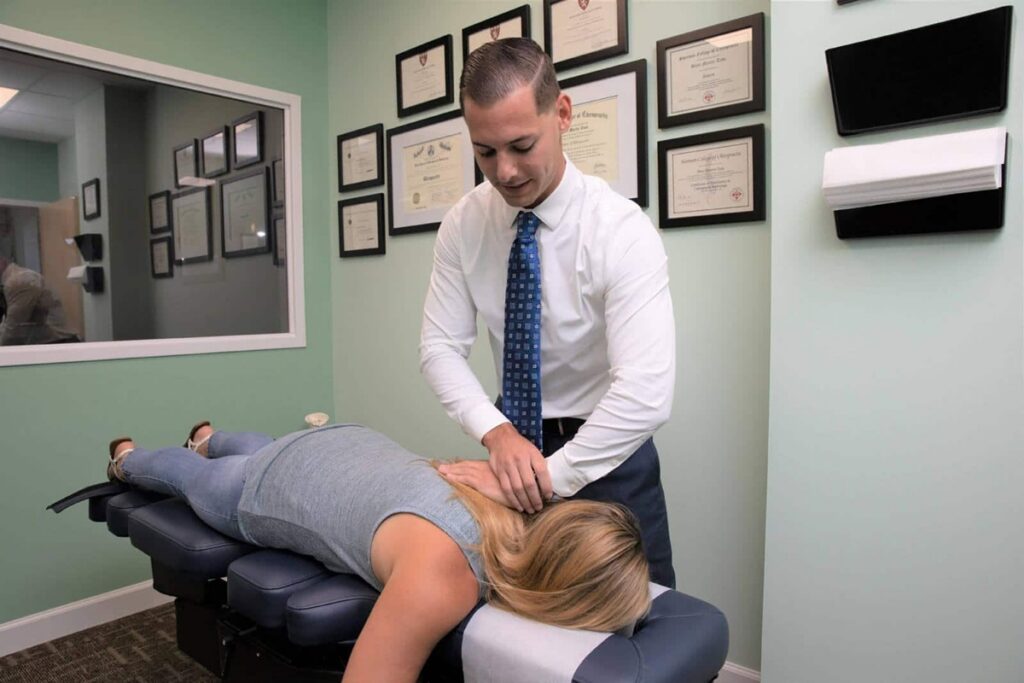
Chiropractic adjustments are designed to realign these structures, helping restore proper function and relieving any discomfort. During a chiropractic adjustment, I apply controlled force to specific joints. This can improve your range of motion and promote healing. Many patients report feeling immediate relief as tension is released, allowing muscles and ligaments to work more efficiently.
Regular adjustments can also help prevent future injuries by maintaining your musculoskeletal system in optimal condition. If you're in recovery from a sports injury, it's important to communicate openly with me about your symptoms and the physical activities you engage in. This allows me to create a personalized treatment plan that fits your unique needs, ensuring you stay on the path to recovery.
Whether you're experiencing a sprain, strain, or chronic pain, chiropractic adjustments can accelerate your healing process. Incorporating chiropractic care into your recovery routine not only addresses your current injuries but also enhances your overall athletic performance.
As you progress, you may notice improvements in your strength, flexibility, and endurance. Ultimately, my goal is to empower you to return to the activities you love with a greater sense of stability and confidence. Let's work together to help you achieve your health and wellness goals through the benefits of chiropractic care.
Active Release Technique
As your local chiropractor, I'm here to help you understand how certain techniques, like Active Release Technique (ART), can significantly enhance your recovery journey.
ART is a specialized form of soft tissue therapy that focuses on relieving muscle tension, adhesions, and scar tissue, which are often the culprits behind pain and dysfunction. This technique is especially beneficial for athletes but can help anyone looking to regain mobility and strength after an injury.
During an ART session, I'll assess your soft tissues for any tightness and restrictions. By applying specific movements and pressure, I work to break up those adhesions and restore normal function to your muscles.
What sets ART apart is that you'll be actively involved in the process—I'll guide you to move your body into various positions while I apply precise pressure. This active participation not only accelerates your recovery but also promotes blood flow and reduces inflammation.
One of the most significant benefits of ART is its ability to address the root causes of your pain, rather than just masking the symptoms. Whether you're experiencing muscle strains, tendonitis, or repetitive motion injuries, ART targets the underlying issues, helping you achieve lasting relief.
Moreover, incorporating ART into your rehabilitation can enhance your overall athletic performance. By releasing tight muscles and improving flexibility, you'll be better prepared to perform at your peak.
If you're eager to speed up your recovery and get back to doing what you love, I encourage you to consider adding Active Release Technique to your treatment plan. Your body will appreciate the care!
Graston Technique
As a local chiropractor, I want to introduce you to the Graston Technique, an innovative method designed specifically for addressing soft tissue injuries. This approach can be particularly beneficial for athletes, but it's also valuable for anyone dealing with muscle or joint discomfort.
The Graston Technique utilizes specialized instruments that help to break down scar tissue and promote healing in the affected areas. This process not only aids in recovery but can also enhance your overall performance by improving mobility and reducing pain.
Let me explain how the Graston Technique works. During a treatment session, I'll gently glide these instruments over your skin to identify areas of restriction or tension. This targeted therapy stimulates your body's natural healing response, encouraging blood flow and accelerating recovery.
If you're curious about how this technique can help you, I'd be happy to discuss its advantages and see if it's a good fit for your health and wellness goals.
My aim is to help you understand natural healing methods and empower you to take control of your health.
What Is Graston Technique?
As a local chiropractor, I want to introduce you to a valuable technique we often use in our practice called the Graston Technique. This form of soft tissue mobilization is particularly effective for addressing sports injuries. It involves specialized stainless steel tools that help us detect and treat areas of soft tissue dysfunction.
Here's how the Graston Technique works and why it might be beneficial for you:
- Instrument-Assisted Healing: Unlike traditional hands-on methods, these stainless steel instruments glide smoothly over your skin, allowing us to pinpoint problem areas with greater precision. This technique enhances our ability to identify issues that might otherwise go unnoticed.
- Focused Treatment: The Graston Technique specifically targets soft tissue injuries, such as tendonitis or strains. By concentrating on these areas, we can help alleviate your pain and restore your normal function more effectively.
- Accelerated Recovery: One of the key benefits of this technique is its ability to stimulate blood flow to the affected areas, which promotes healing. Many patients find that their recovery process is notably quicker when incorporating the Graston Technique into their treatment plan.
If you're experiencing a sports injury or any soft tissue discomfort, consider discussing the Graston Technique with me during your next visit.
It's an excellent addition to a holistic approach to healing, and I can tailor the treatment to meet your specific needs. Together, we'll work towards getting you back to your active lifestyle sooner than you think!
Benefits for Athletes
As a local chiropractor, I want to share with you the significant benefits that many athletes have experienced from the Graston Technique. This innovative method is designed to effectively address soft tissue injuries, which can often impede your performance. By breaking down scar tissue and fascia restrictions, it promotes faster recovery and enhances mobility. Many athletes have noticed a marked reduction in pain and inflammation, allowing them to return to their training regimens in no time.
One of the key advantages of the Graston Technique is its ability to enhance blood flow to injured areas. Improved circulation accelerates the healing process, which means you can spend less time worrying about discomfort and more time focusing on maintaining your strength and conditioning.
Athletes frequently report an increased range of motion following sessions, which is crucial for optimizing performance in any sport.
Moreover, the Graston Technique is versatile and can be customized to address various types of injuries, whether they're chronic issues or recent strains. This flexibility ensures that you receive personalized care tailored to your specific needs.
Treatment Process Overview
At our chiropractic practice, we're dedicated to helping you understand the healing process, especially if you're new to chiropractic care and natural healing methods.
One of the techniques we utilize is the Graston Technique, which is specifically designed to support your recovery from soft tissue injuries. This method is highly effective and focuses on your unique needs to promote faster healing and reduce pain.
Here's a closer look at what you can expect during your treatment process:
1. Comprehensive Assessment: Your journey begins with a detailed assessment. We'll discuss your medical history and examine your injury closely. This information is vital as it allows us to customize your treatment plan to address your specific situation effectively.
2. Tailored Treatment Sessions: In each session, we'll use specialized stainless steel instruments to gently glide over your skin. This technique, known as "scraping," helps to break down scar tissue and fascial restrictions.
As a result, you'll experience improved mobility and flexibility, which is essential for your recovery.
3. Focused Rehabilitation: In addition to the Graston Technique, we believe in a holistic approach to healing. We may recommend specific exercises to strengthen the affected area.
This not only aids in your recovery but also helps prevent future injuries, ensuring you maintain a healthy, active lifestyle.
We're here to guide you through this process and answer any questions you may have about chiropractic care and natural healing. Your recovery is our top priority!
Kinesiology Taping
As a local chiropractor, I want to introduce you to the benefits of kinesiology taping for recovering from sports injuries.
This technique can significantly aid in your healing process by providing pain relief and improving your mobility, allowing you to return to your favorite activities more quickly.
Let's discuss how to effectively apply kinesiology tape to maximize its benefits and support your journey towards natural healing.
Benefits of Kinesiology Taping
As a local chiropractor, I want to share with you the incredible benefits of kinesiology taping and how it can significantly aid in your recovery from sports injuries. This innovative technique is designed to provide support and stability to injured areas while allowing for natural movement, similar to the elasticity of human skin.
Here's how kinesiology taping can help you on your healing journey:
- Pain Relief: One of the primary benefits of kinesiology tape is its ability to alleviate pain. By lifting the skin, the tape reduces pressure on pain receptors, which can lead to a noticeable decrease in discomfort during your recovery process.
- Improved Circulation: Kinesiology tape works by lifting the skin slightly away from the underlying tissue, promoting better blood flow. This enhanced circulation helps decrease inflammation and promotes faster healing, which is essential for a quick return to your activities.
- Increased Range of Motion: Unlike traditional rigid taping methods that can restrict movement, kinesiology taping allows for greater flexibility. This means you can continue to participate in physical activities without feeling constrained, fostering an environment for active recovery.
Incorporating kinesiology taping into your recovery routine can truly be transformative. It goes beyond merely protecting injured areas; it enhances your overall performance and well-being.
If you're looking for a natural and effective way to support your healing, I encourage you to consider adding kinesiology taping to your recovery plan. Experience the benefits firsthand and take a step towards a healthier, more active lifestyle!
Application Techniques Explained
As a local chiropractor dedicated to your health and recovery, I want to share some essential tips on applying kinesiology tape effectively. Using this tape correctly can significantly enhance your healing process.
First, it's important to start by cleaning the area of skin where you'll be applying the tape. Remove any oils, lotions, or dirt to ensure that the tape adheres properly. This step is crucial for achieving the best results.
Next, you'll want to cut the tape into appropriate lengths that suit the specific area you're targeting. For joints, I often recommend using anchors at both ends of the tape to provide greater stability and support.
When you apply the tape, stretch it moderately as you place it on your skin, but be careful not to overstretch it. If you're looking for muscle support, you should apply the tape with a slight stretch that follows the direction of the muscle fibers. Conversely, if you aim to reduce swelling, a looser application will allow for natural skin movement, which is vital for recovery.
Always ensure that you smooth out any wrinkles or bubbles in the tape; this little detail can make a significant difference in its effectiveness.
After you've applied the tape, give it a gentle rub to activate the adhesive, which will help the tape stick better. Remember that kinesiology tape can stay on for several days, but it's essential to monitor for any signs of irritation or discomfort during this time.
When it's time to remove the tape, do so slowly. If you find it uncomfortable, consider using a warm compress to ease the process.
Rehabilitation Exercises
As a local chiropractor, I want to emphasize the importance of rehabilitation exercises for those of you recovering from sports injuries.
These exercises are essential in restoring strength, flexibility, and range of motion, all of which are crucial for a complete recovery. By engaging in a structured rehabilitation program, you can significantly expedite your healing process and lower the chances of re-injury.
It's important to focus on exercises that not only target the injured area but also engage the surrounding muscles to ensure a well-rounded recovery.
Here are three key types of rehabilitation exercises you should incorporate into your routine:
- Strengthening Exercises: These exercises are designed to rebuild muscle strength around the injured area. Utilizing resistance bands, light weights, or your own body weight can be very effective. It's vital to start slowly and gradually increase the resistance as your strength improves.
- Stretching Exercises: Maintaining flexibility is essential for optimal performance. I recommend including both static and dynamic stretches to enhance your range of motion. Be mindful of any tight areas that may have developed due to your injury, as addressing these can help facilitate healing.
- Stabilization Exercises: These exercises aim to enhance your balance and coordination, which might be compromised after an injury. Activities like single-leg stands or using balance boards can be beneficial in regaining stability, which is key to preventing future injuries.
By incorporating these rehabilitation exercises into your recovery plan, you can support your body's natural healing process and promote overall well-being.
If you have any questions or need guidance on proper techniques, feel free to reach out. Your recovery is our priority!
Cold Laser Therapy
As a local chiropractor, I want to take a moment to introduce you to an innovative treatment option that can significantly aid in your recovery from sports injuries: cold laser therapy. This non-invasive technique harnesses the power of low-level lasers to stimulate healing in damaged tissues, making it a valuable resource if you're experiencing pain, inflammation, or limited mobility.
During a cold laser therapy session, the laser emits light energy that penetrates your skin, promoting cellular repair and enhancing blood circulation. You'll be pleased to know that the treatment is completely comfortable—most sessions last only 10 to 20 minutes, and you may even feel a gentle warmth or tingling sensation, which is a sign that the therapy is effectively working.
One of the greatest benefits of cold laser therapy is its versatility. Whether you've sprained an ankle, strained a muscle, or are dealing with chronic pain, this therapy can target the specific area that needs attention. Many of my patients report experiencing reduced pain and swelling, improved range of motion, and faster healing times after just a few sessions.
As you embark on your recovery journey, I encourage you to consider combining cold laser therapy with other chiropractic techniques. This holistic approach can amplify your results and support your overall well-being. Together, we can create a tailored treatment plan that aligns with your specific needs and goals.
Incorporating cold laser therapy into your recovery regimen could provide you with the advantage you need to return to your activities faster and stronger. If you're interested in exploring this safe and effective healing option, I invite you to discuss cold laser therapy with me during your next visit.
Your path to recovery is important, and I'm here to support you every step of the way!
Nutritional Support
As a local chiropractor, I want to emphasize the vital role that nutrition plays in your recovery from sports injuries. Your body needs the right building blocks to heal effectively, and what you eat can significantly influence your recovery process. By focusing on key nutrients, you can accelerate healing, reduce inflammation, and restore your energy levels.
Here are three essential nutritional components that I encourage you to prioritize:
- Protein: Protein is crucial for repairing tissues and building muscle after an injury. I recommend incorporating lean meats, fish, eggs, and plant-based sources like beans and lentils into your diet. It's important to maintain a balanced protein intake throughout the day to support your recovery efforts.
- Omega-3 Fatty Acids: These healthy fats have well-documented anti-inflammatory properties. Including foods like fatty fish (such as salmon and mackerel), walnuts, and flaxseeds in your meals can help reduce swelling and pain. This, in turn, can expedite your return to the activities you love.
- Vitamins and Minerals: Micronutrients are essential for the healing process. I suggest focusing on vitamin C, which aids in collagen formation and can be found in citrus fruits and bell peppers. Vitamin D is important for bone health, so look for fortified foods or ensure you're getting adequate sunlight. Additionally, zinc supports your immune system and can be found in nuts and whole grains.
By paying attention to these nutritional components, you can enhance your healing journey and get back to your sport with confidence.
Conclusion
As a local chiropractor, I want to share how incorporating some essential chiropractic techniques can significantly aid in your recovery from sports injuries. Many people are not aware of the benefits of chiropractic care, but techniques such as chiropractic adjustments, Active Release Technique, and the Graston Technique can help restore your body's function.
In addition to these methods, supportive therapies like kinesiology taping and cold laser therapy play a crucial role in promoting healing and reducing inflammation. It's also vital to include rehabilitation exercises and proper nutritional support in your recovery plan. These elements work together to optimize your performance and ensure a safe return to your favorite activities.
I encourage you to trust the process and stay committed to your recovery journey. Natural healing through chiropractic care can make a world of difference, and I'm here to guide you every step of the way!