If you're dealing with lower back pain, know that you're not alone, and it's crucial to find effective ways to relieve that discomfort. As a local chiropractor, I want to emphasize the benefits of natural healing and the various treatments available to you. There are many options to consider, including chiropractic adjustments, heat therapy, physical therapy, and acupuncture, each providing unique advantages tailored to your individual needs.
Understanding the right approach for your specific situation is key. That's where chiropractic care comes in. By focusing on the alignment of your spine and overall body function, chiropractic adjustments can significantly alleviate pain and promote healing. Additionally, incorporating other treatments like heat therapy can help relax your muscles and improve circulation.
I encourage you to explore these options and see what resonates best with you. Together, we can determine the most effective treatment plan that combines these methods for optimal relief. Let's delve deeper into the various treatments that can help you on your journey to recovery.
Heat Therapy
As a chiropractor, I often see patients struggling with lower back pain, and one of the most effective methods I recommend is heat therapy. Applying heat to your lower back can significantly benefit your recovery by relaxing tight muscles, improving blood circulation, and alleviating discomfort. There are various options to choose from, including heating pads, warm towels, or hot water bottles. The soothing warmth penetrates deep into your tissues, promoting healing and reducing stiffness.
To begin, find a comfortable position to sit or lie down. It's crucial to ensure that your heating source isn't too hot to prevent burns. If you're using a heating pad, I suggest starting with a low or medium setting. Apply the heat to the affected area for about 15-20 minutes, and you can repeat this several times throughout the day, especially after prolonged periods of sitting or after engaging in strenuous activities.
If you're looking for a more natural approach, consider taking a warm bath. Soaking in warm water not only helps to relax your muscles but also provides a moment of respite from your daily routine. For added benefits, you might want to include Epsom salts in your bath, as they can help reduce inflammation and soreness.
Beyond providing immediate relief, incorporating regular heat therapy into your routine can be a proactive strategy for managing chronic lower back pain. Consistent use can help maintain flexibility and prevent future flare-ups.
Just remember to pay attention to your body and adjust the heat intensity accordingly. By integrating heat therapy into your pain relief toolkit, you're taking a meaningful step towards feeling better and regaining your mobility.
If you have questions about how heat therapy can complement your chiropractic care, feel free to ask during your next visit!
Cold Therapy
As a local chiropractor dedicated to helping my patients understand natural healing methods, I want to highlight the significant benefits of cold therapy for alleviating lower back pain.
Many people may not be familiar with this effective approach, so let me guide you through its advantages, proper application techniques, and the ideal duration and frequency for optimal relief.
By incorporating cold therapy into your routine, you can take a proactive step towards easing your discomfort and enhancing your overall well-being.
Let's explore how you can harness the power of cold therapy for your recovery journey.
Benefits of Cold Therapy
As a local chiropractor, I often encounter patients seeking relief from lower back pain, and one effective method I recommend is cold therapy. This simple yet powerful treatment can significantly alleviate discomfort by reducing inflammation and numbing the affected area, providing you with the relief you need when it matters most.
Let me share some of the key benefits of incorporating cold therapy into your pain management routine.
- Reduced Swelling: Cold therapy works by constricting blood vessels, which helps to minimize inflammation and swelling in your lower back. This can be particularly beneficial after an injury or during flare-ups of chronic pain.
- Pain Relief: The numbing effect of cold therapy offers immediate relief from sharp or throbbing pain. By applying cold, you can make your daily activities more manageable and comfortable.
- Muscle Relaxation: Cold therapy can also ease muscle tension, allowing for greater mobility and helping to prevent stiffness. This is crucial for maintaining an active lifestyle and promoting overall wellness.
Whether you're dealing with an acute injury or struggling with chronic pain, cold therapy can be a valuable addition to your healing process.
It's an affordable and easy-to-use treatment you can implement at home. Just be sure to apply it for a limited time and avoid direct contact between ice and your skin to prevent any damage.
By following these guidelines, you may find cold therapy to be an effective tool in managing your lower back pain and improving your quality of life.
Always feel free to reach out for personalized advice on how to integrate this and other natural healing methods into your care plan!
Application Techniques Explained
As your chiropractor, I want to share some effective techniques for applying cold therapy that can help alleviate your lower back discomfort. Understanding how to use it properly will maximize its benefits and support your overall healing.
First, let's gather what you need. You can use a commercial cold pack, a bag of frozen vegetables, or even ice wrapped in a towel. It's important to avoid placing ice directly on your skin to prevent frostbite, so always use a barrier.
Next, identify the specific area in your lower back where you're feeling pain. Place your cold source directly on that spot, ensuring it's secure but not overly tight. If you're using a cold pack, make sure it molds to your back for optimal coverage.
Aim to keep the cold source on the affected area for about 15 to 20 minutes. This timeframe is ideal for reducing inflammation and numbing the pain effectively. After you remove the cold therapy, allow your skin to warm up before you apply it again.
If you find you need additional relief, feel free to repeat this process throughout the day. Cold therapy is especially effective when used shortly after an injury or during a flare-up of pain.
Duration and Frequency Guidelines
As your local chiropractor, I want to help you understand how to effectively use cold therapy for pain relief and inflammation reduction. Using cold therapy correctly can make a significant difference in your recovery process, especially if you're dealing with an injury or discomfort.
When you apply cold therapy, it's important to follow some simple guidelines to ensure you get the best results while protecting your skin. Here's what I recommend:
- Limit each cold therapy session to 15-20 minutes: This timeframe is ideal for numbing pain and reducing inflammation without risking any skin damage.
- Apply cold therapy every 2-3 hours: By spacing out your applications, you give your body ample time to return to its normal temperature, which can enhance the effectiveness of the treatment.
- Focus on the first 48 hours after an injury: Cold therapy is most beneficial during this critical period when swelling is typically at its highest.
- Don't forget to take breaks between sessions: Allowing your skin to rest helps prevent frostbite or irritation, ensuring a safer healing process.
By following these guidelines, you can maximize the benefits of cold therapy and support your body's natural healing abilities.
If you have any questions or need further assistance, feel free to reach out to me during your visit. Your health and recovery are my top priorities!
Physical Therapy
As a local chiropractor, I want to share how chiropractic care can significantly improve your lower back pain.
Our approach focuses on natural healing through personalized treatment plans designed specifically for your unique needs. By strengthening the muscles that support your spine with tailored exercise programs, we help enhance your overall stability and reduce discomfort.
Additionally, our manual therapy techniques work to alleviate tension and restore your mobility, making it easier for you to engage in daily activities comfortably.
Embracing chiropractic care can be a transformative step toward a healthier, pain-free lifestyle.
Customized Exercise Programs
At our chiropractic clinic, we believe in the power of customized exercise programs to help relieve lower back pain. These programs are specifically designed to meet your individual needs, focusing on strengthening your muscles, improving flexibility, and enhancing your overall mobility.
By working one-on-one with our team, we can help you identify your pain triggers and create a tailored routine that effectively addresses your concerns.
Here are some key components you can expect from our customized exercise programs:
- Strengthening exercises: We focus on targeting your core muscles, which provide essential support for your spine and help alleviate pain.
- Stretching routines: Our tailored stretching exercises enhance flexibility, which can reduce tension and discomfort in your lower back.
- Posture improvement: We teach you proper body mechanics and posture techniques to prevent future pain and promote overall well-being.
These personalized exercise plans not only assist in relieving your current discomfort but also empower you to take an active role in your healing journey.
As you progress, we'll continuously adjust your program to ensure it remains effective and appropriately challenging for you. By committing to a customized exercise plan, you're investing in your long-term relief and a healthier back.
Remember, consistency is crucial. By sticking to your routine, you'll likely see significant improvements in your pain levels and overall quality of life.
At our clinic, we're here to support you every step of the way on your path to natural healing and wellness.
Manual Therapy Techniques
As a local chiropractor, I want to share how manual therapy techniques can be a game-changer for those suffering from lower back pain. These hands-on treatments, conducted by trained professionals like myself, are designed to restore mobility, alleviate pain, and enhance your overall function.
Through techniques such as spinal manipulation, soft tissue mobilization, and myofascial release, we specifically target the muscles, joints, and connective tissues in your back.
During your first visit, I'll assess your individual needs and customize the treatment to suit you. You can expect a combination of stretching, pressure application, and joint mobilization aimed at relieving tension and improving blood circulation. Many of my patients experience immediate relief from pain and an increased range of motion after just a few sessions.
It's crucial to maintain open communication with me about your pain levels and any discomfort you might feel during the treatment. While manual therapy has proven to be highly effective, I recommend integrating it into a comprehensive treatment plan that may include exercises, educational resources, and, if necessary, medications.
I also encourage you to adhere to my recommendations for follow-up appointments and complementary exercises. This holistic approach not only targets your current pain but also helps prevent future issues, empowering you to take charge of your back health.
Together, we can work towards a pain-free and active lifestyle!
Massage Therapy
As a local chiropractor, I want to share how massage therapy can be an effective tool in managing lower back pain. Many individuals are unaware of the holistic benefits that come from this natural approach to healing.
Massage therapy not only addresses muscle tension but also promotes relaxation and stress reduction, contributing to your overall health and well-being.
When we apply massage techniques, we enhance blood circulation in the affected regions, which aids in healing and decreases inflammation. This therapy can also alleviate muscle tightness and improve your range of motion, making it easier for you to perform daily tasks.
Here are several key advantages you may experience with regular massage therapy:
- Pain Relief: Consistent massage sessions can help you manage chronic pain and discomfort in your lower back effectively.
- Improved Flexibility: Massage therapy works to release tight muscles, allowing for increased flexibility and movement.
- Reduced Stress: The soothing nature of massage can help lower stress levels, which can, in turn, alleviate pain.
Before beginning any treatment, it's essential to discuss your specific areas of concern with your therapist. This communication enables them to customize the treatment, focusing on the areas that require the most attention.
Whether you prefer a deep tissue technique or a gentler approach, selecting the right method can significantly impact your recovery.
Integrating massage therapy into your pain management strategy can truly transform your experience. I encourage you to schedule regular sessions and consider complementing them with other chiropractic treatments for optimal results.
You may find a noticeable improvement in your pain levels and overall quality of life as you embrace this natural healing journey.
Chiropractic Adjustments
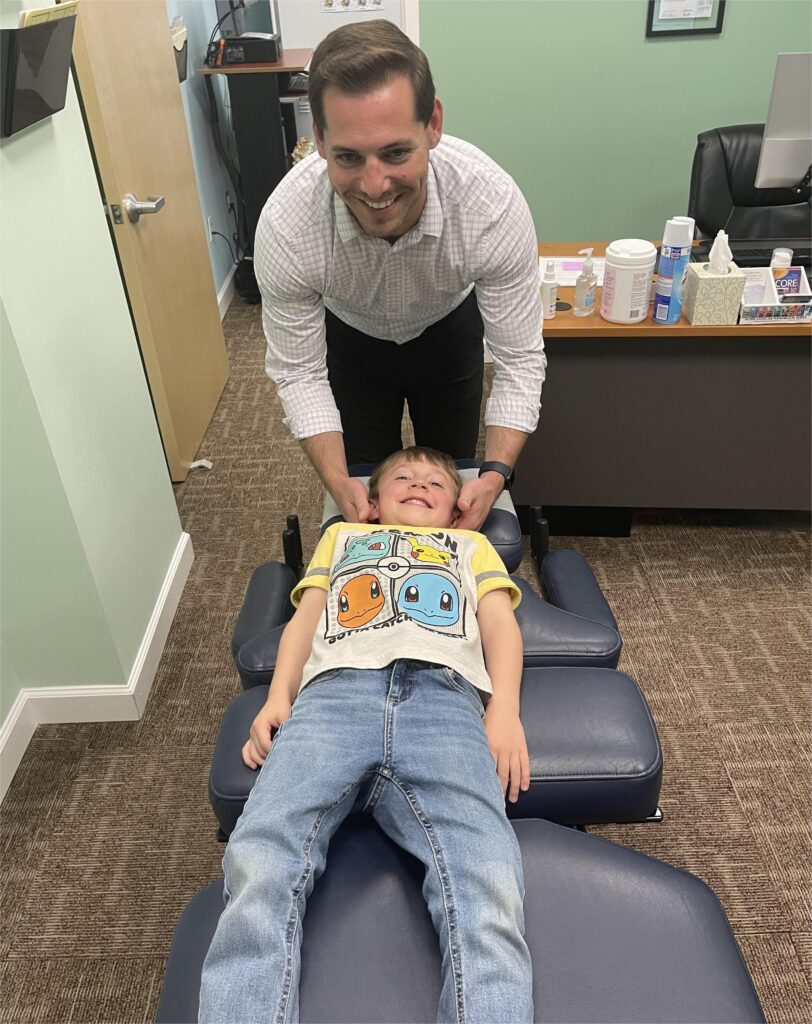
As a local chiropractor, I want to share with you how chiropractic adjustments can significantly impact the management of lower back pain. This natural, non-invasive treatment focuses on aligning your spine and enhancing your overall bodily function.
When you come into my office, I'll begin by assessing your posture, movement patterns, and spinal alignment to identify any misalignments that may be contributing to your discomfort.
Once we've pinpointed the specific issues, I'll use gentle, hands-on techniques to realign your vertebrae. This adjustment process is designed to relieve pressure on your nerves, reduce inflammation, and improve blood circulation, all of which can lead to a noticeable decrease in pain. Many of my patients report feeling immediate relief after just one session, while others may benefit from a series of adjustments to achieve optimal results.
It's essential to understand that chiropractic care goes beyond merely addressing symptoms; it also targets the underlying causes of your lower back pain. By improving your spinal alignment, we're not just alleviating discomfort— we're also enhancing your body's inherent ability to heal itself.
Additionally, I often recommend personalized exercises and stretches tailored to your unique needs, empowering you to build strength and flexibility that can help prevent future issues.
Chiropractic adjustments are safe for most individuals, but I always encourage my patients to discuss their medical history with me before beginning treatment.
If you're experiencing persistent lower back pain, I invite you to consider incorporating chiropractic adjustments into your treatment plan. You may discover that this holistic approach significantly enhances your recovery and overall quality of life.
Acupuncture
As a local chiropractor, I want to introduce you to the fascinating world of acupuncture, an ancient practice that has been utilized for centuries to relieve various types of discomfort, including lower back pain.
This holistic approach targets specific points in your body to help alleviate tension and promote overall wellness.
Acupuncture can complement chiropractic care by enhancing your body's natural healing processes. By understanding how these two modalities work together, you can experience more comprehensive relief and improved health outcomes.
In our practice, we often explore the benefits of acupuncture for our patients, as it can provide significant relief and help restore balance to your body.
If you're curious about how acupuncture might be integrated into your own wellness journey, let's discuss the process and benefits further to see how it can work alongside chiropractic care for your well-being.
Ancient Technique Overview
As a local chiropractor, I want to introduce you to an ancient healing technique that many find beneficial for alleviating lower back pain: acupuncture. This practice involves the insertion of thin needles into specific points on the body, and it aims to restore balance and promote natural healing. Many of my patients have sought out acupuncture when conventional treatments haven't provided the relief they need, making it a compelling holistic approach to managing pain.
Let's explore some important aspects of acupuncture:
- Historical Roots: Acupuncture has a rich history, having been practiced for thousands of years as part of traditional Chinese medicine. Its longstanding use enhances its credibility as a viable treatment option for pain relief.
- Energy Flow: The foundation of acupuncture lies in the belief that life energy, or "qi," flows through various pathways in the body. By targeting specific acupuncture points, the technique aims to unblock this energy, which can lead to significant pain relief and overall well-being.
- Minimal Side Effects: One of the advantages of acupuncture is that it typically has fewer side effects compared to many pharmaceutical remedies. This makes it an appealing alternative for those who prefer to manage their lower back pain without relying on medication.
As you consider your options for pain management, I encourage you to explore the potential benefits of acupuncture in conjunction with chiropractic care.
Together, these natural approaches can support your journey to recovery and improved health.
Benefits of Acupuncture
As a local chiropractor, it's important to share the benefits of acupuncture, especially when it comes to alleviating lower back pain. This ancient practice focuses on stimulating specific points in your body, which can significantly enhance your overall well-being.
One of the key advantages of acupuncture is its ability to reduce pain. Many patients report experiencing immediate relief after just one session, making it a valuable option when traditional treatments mightn't provide the results you're looking for.
In addition to pain relief, acupuncture is effective in improving blood circulation in the affected areas. Enhanced blood flow promotes healing and helps to reduce inflammation, which can be a contributing factor to your lower back pain.
Furthermore, acupuncture can help relax tight muscles, leading to improved mobility and overall comfort.
Another benefit worth noting is acupuncture's stress-relieving properties. Managing anxiety and tension is crucial, as these factors often worsen pain. When you're relaxed, your body's natural healing processes can work more effectively, allowing for a better recovery.
It's also important to highlight that acupuncture carries a low risk of side effects compared to many medications. This makes it a safe alternative or complement to conventional pain management strategies.
Treatment Process Explained
When considering chiropractic care for relief from lower back pain, the first step is a comprehensive assessment by your chiropractor. This involves a detailed discussion of your medical history, identification of specific areas of discomfort, and an evaluation to determine the most effective treatment plan tailored to your unique needs.
This initial consultation is crucial, as it lays the foundation for successful outcomes.
Following your assessment, the treatment process generally includes:
- Spinal adjustments: Your chiropractor will perform specific manipulations to align your spine, helping to restore proper function and alleviate pain.
- Session duration and frequency: Appointments typically last from 30 to 60 minutes, and multiple sessions may be recommended over a period of weeks to ensure optimal recovery.
- Integration with other therapies: Your chiropractor may also suggest combining chiropractic care with additional treatments, such as physical therapy or massage, for enhanced relief and overall wellness.
During your session, you may notice sensations such as a gentle release or a feeling of lightness, signaling that the adjustments are taking effect.
Many patients leave feeling more relaxed and relieved from tension. It's essential to maintain open communication with your chiropractor about any feelings or discomfort you experience, ensuring that your treatment remains both effective and comfortable for your lower back pain relief.
Over-the-Counter Medications
As a local chiropractor, I want to help you understand how over-the-counter medications can be a part of your approach to managing lower back pain, but I also want to emphasize the importance of natural healing and chiropractic care.
Many people turn to over-the-counter medications as a first step when dealing with lower back pain because they can provide quick relief and are readily available without a prescription. The most common options include nonsteroidal anti-inflammatory drugs (NSAIDs) and acetaminophen.
NSAIDs, such as ibuprofen and naproxen, are effective at reducing inflammation and alleviating pain. They achieve this by blocking the enzymes in your body that contribute to inflammation. However, it's important to follow the recommended dosages closely, as excessive use can lead to gastrointestinal issues or other complications, especially if you have certain pre-existing health conditions.
Acetaminophen, commonly found in products like Tylenol, is another option for pain relief. It tends to be gentler on the stomach compared to NSAIDs, but keep in mind that it doesn't address inflammation. It's crucial to avoid exceeding the maximum daily limit since high doses can potentially cause liver damage.
Before starting any over-the-counter medication, I strongly recommend consulting with your healthcare provider or, ideally, your chiropractor. We can guide you in choosing the most appropriate option based on your specific health situation and any other medications you may be taking.
While these medications can assist in managing pain, I encourage you to consider complementing them with natural healing methods. Chiropractic care focuses on addressing the root causes of pain, and combining it with therapies such as heat application, proper rest, and gentle stretching can significantly enhance your recovery process.
Remember, while over-the-counter medications can provide temporary relief, they aren't a long-term solution. Embracing a holistic approach to your health, which includes chiropractic care, can lead to more sustainable results and improve your overall well-being.
If you have any questions or would like to learn more about how chiropractic care can support your healing journey, please feel free to reach out!
Prescription Medications
As a local chiropractor, I want to emphasize the importance of understanding your options when it comes to managing lower back pain. While prescription medications can be a part of pain management, they aren't the only solution, and I encourage you to consider a more holistic approach to healing.
Prescription medications, such as stronger nonsteroidal anti-inflammatory drugs (NSAIDs), muscle relaxants, and narcotics, can provide temporary relief for lower back pain. However, they often come with side effects, including gastrointestinal issues, drowsiness, and even the risk of dependence with narcotics.
It's crucial to have an open dialogue with your healthcare provider about the best course of action for your specific situation.
At our chiropractic practice, we focus on natural healing methods that aim to address the root cause of your pain rather than just masking the symptoms. Chiropractic adjustments can help realign your spine, improve mobility, and reduce inflammation, all of which can contribute to long-term relief from lower back pain.
Additionally, we often incorporate supportive therapies such as physical therapy, massage, and exercise recommendations to strengthen the surrounding muscles and promote better posture.
If you're concerned about the potential side effects of prescription medications or if you're seeking a more natural way to manage your pain, I invite you to explore chiropractic care as a viable alternative.
Together, we can work towards a personalized treatment plan that prioritizes your overall health and well-being. Remember, it's always important to discuss your options and concerns with your healthcare provider to find the best approach for you.
Exercise and Stretching
As a local chiropractor, I often see patients seeking relief from lower back pain. It's important to understand that finding relief often involves a holistic approach, combining various methods to promote healing. One of the most effective ways to support your spine and alleviate pain is through exercise and stretching.
Regular physical activity is crucial for strengthening the muscles that support your spine. This improved strength not only enhances stability but also increases flexibility, which helps to alleviate existing pain and prevent future injuries. I recommend starting with low-impact exercises, such as walking or swimming, which can elevate your heart rate and get your blood flowing without putting excessive strain on your back. Aim for at least 30 minutes of these activities on most days of the week.
As you start to feel stronger and more comfortable, we can gradually introduce strength training exercises that target your core muscles, such as planks and bridges. A robust core is essential for providing support to your lower back, reducing the likelihood of pain.
Stretching plays a vital role in your recovery as well. It's beneficial to incorporate gentle stretches that focus on your lower back, hips, and hamstrings into your routine. Simple stretches, like the knee-to-chest stretch or child's pose, can effectively relieve tension and enhance your flexibility.
I encourage you to make stretching a daily habit, holding each position for 20-30 seconds. Always listen to your body; if you experience sharp pain during any activity, it's crucial to stop immediately.
I recommend consulting with a healthcare professional, like myself, before starting any new exercise program, especially if you've been inactive or have existing health concerns.
Mindfulness and Relaxation Techniques
As a local chiropractor, I want to share how mindfulness and relaxation techniques can be invaluable tools in managing lower back pain. Many of my patients have found that incorporating these practices into their daily lives not only alleviates discomfort but also helps reduce tension and stress that can worsen their pain.
By focusing on the present moment, you can minimize anxiety, which often plays a role in how we experience pain.
Here are some effective mindfulness and relaxation techniques that I recommend to my patients:
- Deep Breathing Exercises: This is a fundamental technique that can make a significant difference. Focus on your breath by inhaling deeply through your nose, holding for a moment, and then exhaling slowly through your mouth. This practice calms your mind and helps relax the muscles around your lower back.
- Progressive Muscle Relaxation: This technique involves systematically tensing and then releasing each muscle group in your body, starting from your toes and moving up to your head. It enhances your awareness of physical tension and encourages relaxation, which can be particularly beneficial for your back.
- Guided Imagery: Imagine a serene setting, like a peaceful beach or a tranquil forest. Engaging your senses with these mental images can divert your attention from pain and foster a sense of calm.
Integrating these mindfulness and relaxation techniques into your routine can complement your chiropractic care and support your journey towards healing and wellness.
Conclusion
As a local Chiropractor, I want to emphasize that finding relief from lower back pain often requires a personalized approach that combines various treatments. Chiropractic care is a natural and holistic option that focuses on addressing the root cause of your pain rather than just masking the symptoms.
In addition to chiropractic adjustments, I encourage my patients to consider complementary therapies such as heat therapy to soothe discomfort, physical therapy to strengthen and stabilize the back, and mindfulness techniques to manage stress, which can exacerbate pain. It's essential to listen to your body and maintain open communication with your healthcare provider about what you're experiencing.
Incorporating regular exercise tailored to your condition and using appropriate medications when necessary can also significantly contribute to your recovery. By exploring these options, including chiropractic care, you can discover what works best for you, paving the way for lasting relief and improved mobility. Remember, taking an active role in your healing journey is key to achieving optimal health.