
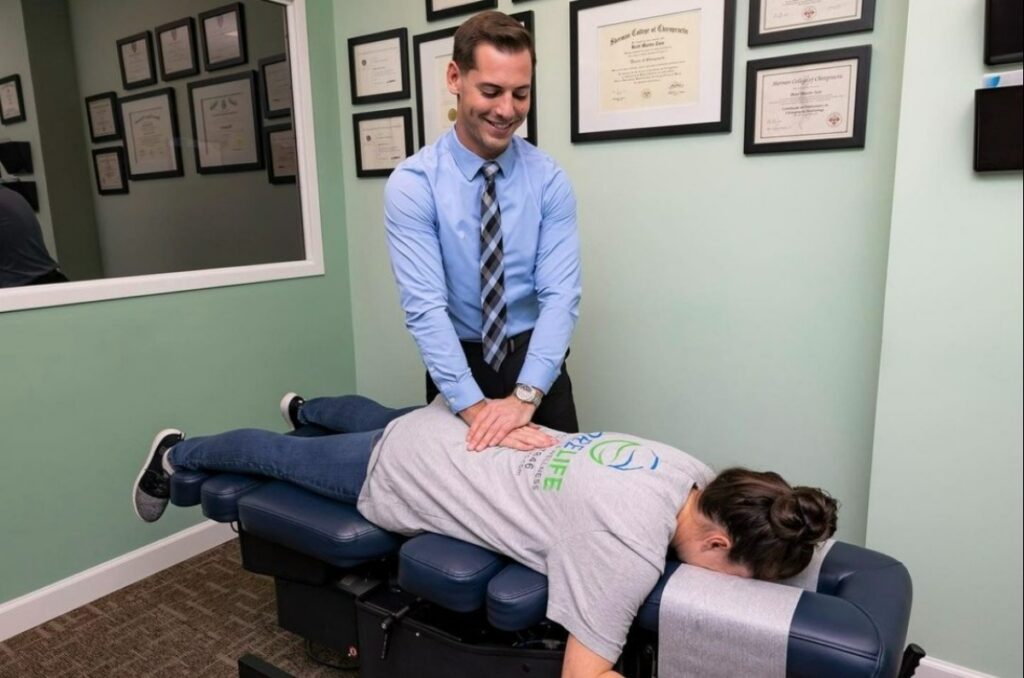
Have you been dealing with that shooting pain down your arm or leg, hoping it would just go away on its own? You’re not alone. Many patients here in Brick Township come to ShoreLife Chiropractic & Wellness after weeks or even months of waiting for a pinched nerve to resolve naturally. While some mild nerve compression issues can improve with rest and basic home care, there are clear warning signs that indicate professional intervention is necessary. Understanding when your pinched nerve requires expert attention can save you from chronic pain, permanent nerve damage, and a significantly reduced quality of life.
What is a pinched nerve? A pinched nerve occurs when surrounding tissues—such as bones, cartilage, muscles, or tendons—apply excessive pressure to a nerve, disrupting its normal function and causing pain, numbness, tingling, or weakness along the nerve’s pathway.
Table of Contents
- Understanding Pinched Nerves and Recovery
- 7 Signs Your Pinched Nerve Won’t Heal on Its Own
- Why Some Pinched Nerves Don’t Heal Without Intervention
- How Chiropractic Care Addresses Pinched Nerves
- Practical Steps While Seeking Professional Help
- When to See a Chiropractor for Nerve Compression
- Myths vs. Facts About Pinched Nerves
- Final Thoughts from ShoreLife Chiropractic
Understanding Pinched Nerves and Recovery
Before we discuss the warning signs, it’s important to understand what happens when a nerve becomes compressed. Your nervous system is the communication highway of your body, transmitting signals between your brain and every muscle, organ, and tissue. When a nerve gets pinched—whether in your neck, lower back, shoulder, or elsewhere—that communication pathway becomes disrupted.
In some cases, mild nerve compression from temporary swelling or minor muscle tension can resolve within a few days to a couple of weeks. Your body has remarkable healing abilities when given the right conditions. However, when structural misalignments, chronic inflammation, or sustained mechanical pressure persist, the nerve cannot recover on its own. The longer a nerve remains compressed, the greater the risk of lasting damage.
Nerve tissue is particularly vulnerable to sustained pressure. Unlike a bruised muscle that might heal relatively quickly, compressed nerves can develop scar tissue, lose their protective myelin sheath, or even experience permanent damage to nerve fibers themselves. This is why recognizing the signs that your pinched nerve requires professional care is so critical.
7 Signs Your Pinched Nerve Won’t Heal on Its Own
1. Your Symptoms Have Lasted More Than Two Weeks Without Improvement
While minor nerve irritation might improve within a week or two of rest and basic self-care, symptoms that persist beyond this timeframe typically indicate a more significant problem. If you’ve been experiencing radiating pain, numbness, or tingling for more than two weeks with no noticeable improvement—or if symptoms are getting worse—this is a clear sign that the underlying cause isn’t resolving naturally.
Many patients at ShoreLife Chiropractic & Wellness in Brick Township tell us they waited months before seeking help, hoping the problem would eventually disappear. Unfortunately, during this waiting period, the compressed nerve often sustains additional damage, making recovery more challenging and prolonged.
2. You’re Experiencing Progressive Weakness in Specific Muscles
Muscle weakness that develops gradually or suddenly in areas affected by nerve compression is a serious warning sign. When a nerve can’t transmit signals properly to muscles, those muscles begin to weaken and may eventually atrophy if the compression continues.
You might notice difficulty gripping objects, trouble lifting your foot when walking, or weakness when raising your arm. This isn’t simply fatigue—it’s a functional impairment that indicates significant nerve involvement. Progressive weakness suggests that the nerve compression is severe enough to interrupt motor function, which won’t improve without addressing the source of pressure.
3. You’ve Lost Sensation or Have Numbness That’s Spreading
Numbness that begins in one area and gradually spreads to adjacent regions indicates advancing nerve compression. For example, numbness that starts in your thumb and index finger but then extends to your entire hand, or tingling that begins in your big toe and moves up your foot and ankle, suggests worsening compression.
Complete loss of sensation in any area supplied by a nerve is particularly concerning. This indicates that the nerve’s sensory fibers are being severely compressed or damaged. Unlike mild tingling that comes and goes, persistent or spreading numbness requires immediate professional evaluation.
4. Pain Wakes You From Sleep or Prevents You From Sleeping
When nerve pain is severe enough to wake you from sleep or make falling asleep impossible, your body is sending a clear signal that something is seriously wrong. While it’s normal to have some discomfort that worsens with certain activities, pain that disrupts sleep indicates significant inflammation and nerve irritation.
Patients here in Brick Township often describe being unable to find a comfortable sleeping position, waking multiple times throughout the night, or experiencing intense shooting pain when changing positions in bed. This level of discomfort typically doesn’t resolve without addressing the underlying structural problem causing the nerve compression.
5. Multiple Positions or Activities Trigger Your Symptoms
If nearly every position or activity causes pain, numbness, or tingling, this suggests extensive nerve involvement or multiple compression points. When only one specific position triggers symptoms—like looking up causing neck pain—the problem may be more localized and potentially easier to resolve. However, when sitting, standing, lying down, and various movements all provoke symptoms, the nerve compression is likely more severe or involves multiple anatomical structures.
This widespread symptom pattern indicates that simple rest or position changes won’t provide relief because the underlying mechanical problem affects the nerve regardless of what you’re doing. Professional intervention becomes necessary to identify and address all contributing factors.
6. You’re Compensating With Poor Movement Patterns
Have you noticed yourself limping, favoring one side, or moving awkwardly to avoid pain? When we compensate for nerve pain by altering our natural movement patterns, we often create secondary problems in other areas of the body. You might shift weight away from a painful leg, hike up one shoulder to avoid arm pain, or twist your neck in unusual ways to prevent shooting pain.
These compensation patterns place abnormal stress on joints, muscles, and other nerves, potentially creating additional areas of pain and dysfunction. The original pinched nerve won’t heal when your body is locked into these dysfunctional movement patterns, and you risk developing new problems in the process.
7. Over-the-Counter Remedies No Longer Provide Relief
Initially, you might have found some relief from over-the-counter pain medications, ice, heat, or gentle stretching. However, when these conservative measures stop working or provide only minimal, temporary relief, it indicates that the underlying cause has progressed beyond what basic home care can address.
At ShoreLife Chiropractic & Wellness, we see many patients who have tried every over-the-counter option available, only to find that symptoms return as soon as the medication wears off. This pattern suggests that inflammation and pain are symptoms of a structural problem that requires hands-on intervention to correct.
Why Some Pinched Nerves Don’t Heal Without Intervention
Understanding why certain pinched nerves require professional care helps explain why simply waiting and hoping isn’t always the answer. Several factors determine whether a compressed nerve can heal naturally or needs intervention.
First, consider the cause of compression. When a nerve is pinched due to temporary muscle spasm or acute inflammation from overuse, rest and basic care may be sufficient. However, when the compression results from structural misalignment of the spine, disc herniation, bone spurs, or chronic postural problems, those underlying causes won’t resolve on their own.
Second, the duration and severity of compression matter significantly. Mild, intermittent pressure on a nerve is very different from constant, severe compression. Research indicates that prolonged nerve compression can lead to irreversible changes in nerve tissue, including demyelination (loss of the nerve’s protective coating) and axonal degeneration (damage to the nerve fibers themselves).
Third, your body’s inflammatory response can create a self-perpetuating cycle. When a nerve is compressed, inflammation develops in the surrounding tissues. This inflammation causes swelling, which increases pressure on the nerve, which triggers more inflammation. Without intervention to break this cycle, the problem continues or worsens.
Finally, biomechanical factors play a crucial role. If your spine is misaligned, your posture is compromised, or your movement patterns are dysfunctional, these mechanical problems continue to stress the nerve regardless of how much you rest. The nerve cannot heal when the source of pressure remains constant.
How Chiropractic Care Addresses Pinched Nerves
At ShoreLife Chiropractic & Wellness, we take a comprehensive approach to pinched nerve cases. Our focus is on identifying and addressing the underlying structural and biomechanical causes of nerve compression, not just masking symptoms.
Chiropractic care for pinched nerves begins with a thorough evaluation. We assess your spine’s alignment, identify areas of restricted movement, evaluate your posture and biomechanics, and determine which structures are placing pressure on the affected nerve. This examination helps us understand not just where the problem is, but why it developed in the first place.
Specific chiropractic adjustments can restore proper alignment to vertebrae that may be compressing or irritating nerves as they exit the spine. When vertebrae are properly aligned and moving correctly, pressure on the nerve is reduced, allowing the healing process to begin. These adjustments are precise, targeted, and tailored to your specific condition and comfort level.
Beyond adjustments, we often incorporate complementary therapies that support nerve healing. These may include therapeutic exercises to strengthen supporting muscles, soft tissue techniques to reduce muscle tension around the compressed nerve, postural correction strategies, and lifestyle modifications to prevent recurrence.
What makes chiropractic care particularly valuable for pinched nerves is its focus on addressing the cause rather than simply managing symptoms. While medications might temporarily reduce pain, they don’t correct the misalignment, improve biomechanics, or remove the source of nerve compression. Our goal is to create the optimal conditions for your nervous system to heal and function properly.
Patients in Brick Township consistently report that chiropractic care provides not only relief from their immediate symptoms but also long-term improvements in function, mobility, and overall well-being. By correcting the underlying problem, we help prevent the same nerve compression issue from recurring.
Practical Steps While Seeking Professional Help
While professional chiropractic care is often necessary for pinched nerves that won’t heal on their own, there are supportive steps you can take to manage symptoms and avoid making the problem worse.
First, pay attention to your posture throughout the day. Whether sitting at a desk, driving, or standing, maintain neutral spinal alignment. Avoid positions that clearly aggravate your symptoms. Many nerve compression issues are worsened by prolonged slouching, forward head posture, or repetitive movements that stress the affected area.
Second, incorporate gentle movement rather than complete rest. While it might seem logical to avoid all activity, prolonged immobility can lead to stiffness, muscle weakness, and increased inflammation. Gentle walking, easy range-of-motion exercises, and position changes throughout the day help maintain circulation and prevent secondary problems. Avoid activities that clearly provoke symptoms, but don’t become completely sedentary.
Third, use ice and heat appropriately. In the acute phase of nerve pain—particularly if there was a specific injury or the pain came on suddenly—ice can help reduce inflammation. Apply ice for 15-20 minutes at a time, several times per day. After the initial inflammatory phase, heat can help relax tight muscles and improve blood flow to the area. Many patients find alternating ice and heat provides the best relief.
Fourth, create an ergonomic environment. If you work at a computer, ensure your monitor is at eye level, your chair supports your lower back, and your keyboard and mouse are positioned to avoid awkward wrist and shoulder positions. Simple ergonomic adjustments can significantly reduce stress on compressed nerves.
Fifth, avoid activities that involve repetitive stress to the affected area. If you have a pinched nerve in your neck, limit overhead reaching and prolonged looking down at phones or tablets. For lower back nerve compression, avoid heavy lifting and prolonged bending. Give your body the best possible chance to heal by minimizing repetitive irritation.
Finally, maintain a healthy lifestyle that supports healing. Stay well-hydrated, eat anti-inflammatory foods, get adequate sleep, and manage stress. While these factors alone won’t cure a pinched nerve, they create an internal environment that supports your body’s natural healing processes and enhances the effectiveness of professional care.
When to See a Chiropractor for Nerve Compression
Knowing when to seek professional chiropractic care can prevent minor nerve irritation from becoming a chronic, debilitating problem. Consider scheduling an evaluation at ShoreLife Chiropractic & Wellness if you’re experiencing any of the warning signs discussed earlier, particularly if symptoms have persisted beyond two weeks.
Seek care promptly if you notice progressive changes in your symptoms—whether increasing pain intensity, spreading numbness, or developing weakness. These progressive patterns indicate that the problem is worsening rather than improving naturally.
If your daily activities are significantly impacted—you’re missing work, unable to exercise, having trouble sleeping, or finding that routine tasks have become difficult or painful—it’s time to address the problem professionally rather than continuing to suffer and hope for improvement.
Patients who have a history of spine problems, previous disc issues, or recurrent nerve compression should seek care earlier rather than later when symptoms appear. If you’ve dealt with similar problems in the past, you know they’re unlikely to resolve without intervention.
It’s also important to recognize certain red flag symptoms that warrant immediate medical attention, though these are less common. Seek emergency care if you experience sudden loss of bowel or bladder control, progressive leg weakness that causes falling, numbness in the groin or inner thigh area, or symptoms in both legs simultaneously. These symptoms may indicate cauda equina syndrome or other serious conditions requiring urgent medical intervention.
For the vast majority of pinched nerve cases, however, chiropractic care offers an effective, non-invasive, drug-free approach to addressing the underlying cause and supporting your body’s natural healing abilities. The earlier you seek care, the better your outcomes tend to be.
| Symptom Duration | Recommended Action | Why It Matters |
|---|---|---|
| Less than 1 week, mild symptoms | Home care, monitor closely | May resolve naturally with rest and basic care |
| 1-2 weeks, no improvement | Schedule chiropractic evaluation | Indicates problem isn’t resolving naturally |
| More than 2 weeks, persistent or worsening | Seek professional care promptly | Risk of nerve damage increases with time |
| Any duration with progressive weakness | Immediate professional evaluation | Indicates significant nerve involvement |
| Red flag symptoms present | Emergency medical attention | May indicate serious neurological emergency |
Myths vs. Facts About Pinched Nerves
Myth: All Pinched Nerves Heal on Their Own With Time
Fact: While some mild cases of nerve irritation resolve naturally, many pinched nerves result from structural problems that won’t improve without intervention. Waiting too long can actually lead to permanent nerve damage and chronic symptoms that are more difficult to resolve.
Myth: You Should Avoid All Movement When You Have a Pinched Nerve
Fact: Complete rest is rarely the best approach. Gentle, appropriate movement helps maintain circulation, prevent stiffness, and support healing. The key is avoiding activities that clearly aggravate symptoms while maintaining overall mobility in ways that don’t stress the affected nerve.
Myth: If You Can Still Function, Your Pinched Nerve Isn’t Serious
Fact: Many people continue working and managing daily activities despite significant nerve compression. Being able to function doesn’t mean the problem isn’t serious or that it will resolve on its own. Chronic nerve compression can cause progressive damage even when initial symptoms seem manageable.
Myth: Chiropractic Care Is Only for Back Pain
Fact: Chiropractors are specifically trained to diagnose and treat nerve compression throughout the body, not just back pain. Whether your pinched nerve is in your neck, mid-back, lower back, or extremities, chiropractic care can address the underlying biomechanical causes.
Myth: You Need an MRI Before Seeing a Chiropractor
Fact: While advanced imaging can be helpful in certain cases, most pinched nerves can be effectively evaluated and treated based on clinical examination findings. Your chiropractor will determine if imaging is necessary and can coordinate with other healthcare providers when appropriate.
Final Thoughts from ShoreLife Chiropractic & Wellness
Living with a pinched nerve doesn’t have to be your new normal. While some nerve irritation does resolve naturally, recognizing the warning signs that professional intervention is needed can save you from months of unnecessary pain and potential permanent nerve damage. Here in Brick Township, we’ve helped countless patients at ShoreLife Chiropractic & Wellness overcome stubborn nerve compression that wasn’t improving on its own.
If you’re experiencing any of the seven signs discussed in this article—particularly symptoms lasting more than two weeks, progressive weakness, spreading numbness, or pain that disrupts your sleep—we encourage you to schedule an evaluation. Early intervention not only provides faster relief but also prevents the development of chronic problems and secondary complications.
Your nervous system is too important to ignore. Every day that a nerve remains compressed is another day of potential damage and another day that you’re missing out on the activities and quality of life you deserve. At ShoreLife Chiropractic & Wellness, we’re committed to providing the expert care and personalized attention that helps our Brick Township community heal, function, and thrive.
Frequently Asked Questions
How long does it typically take for a pinched nerve to heal with chiropractic care?
Recovery time varies based on the severity and duration of nerve compression, but many patients notice improvement within the first few weeks of care. Complete resolution may take several weeks to a few months, depending on individual factors and how long the problem existed before treatment began.
Can a pinched nerve cause permanent damage if left untreated?
Yes, prolonged or severe nerve compression can lead to permanent nerve damage, including loss of sensation, chronic weakness, and persistent pain. This is why early intervention is so important when symptoms don’t improve naturally within a couple of weeks.
Is chiropractic care safe for treating pinched nerves?
Chiropractic care is widely recognized as a safe, effective, conservative approach for treating pinched nerves. Your chiropractor will conduct a thorough examination to ensure care is appropriate for your specific condition and will tailor treatment to your comfort level and individual needs.
Will I need X-rays or other imaging for a pinched nerve?
Not always. Many pinched nerves can be effectively diagnosed and treated based on clinical examination findings alone. However, your chiropractor may recommend X-rays, MRI, or other imaging if there are concerns about structural problems, if symptoms are severe, or if initial treatment isn’t providing expected improvement.
Can poor posture really cause a pinched nerve?
Absolutely. Chronic poor posture places abnormal stress on your spine and can lead to misalignments, disc problems, and muscle imbalances that compress nerves. Forward head posture, rounded shoulders, and slouching are common contributors to nerve compression in the neck and upper back.
What’s the difference between a pinched nerve and muscle pain?
Pinched nerve pain typically radiates along the nerve’s pathway (down an arm or leg), often accompanied by numbness, tingling, or weakness. Muscle pain tends to be more localized, feels achy or tight rather than sharp or electric, and doesn’t usually cause numbness or tingling in distant areas.
TL;DR: Key Takeaways
- Pinched nerves that persist beyond two weeks, cause progressive weakness, or disrupt sleep typically require professional intervention rather than healing on their own.
- Prolonged nerve compression can lead to permanent damage, making early treatment important for the best outcomes and preventing chronic problems.
- Chiropractic care addresses the underlying structural and biomechanical causes of nerve compression, not just symptom management.
- Warning signs include spreading numbness, multiple activities triggering symptoms, developing compensation patterns, and over-the-counter remedies no longer providing relief.
- Professional evaluation at ShoreLife Chiropractic & Wellness in Brick Township can determine the cause of your nerve compression and create a personalized treatment plan to restore function and relieve pain.