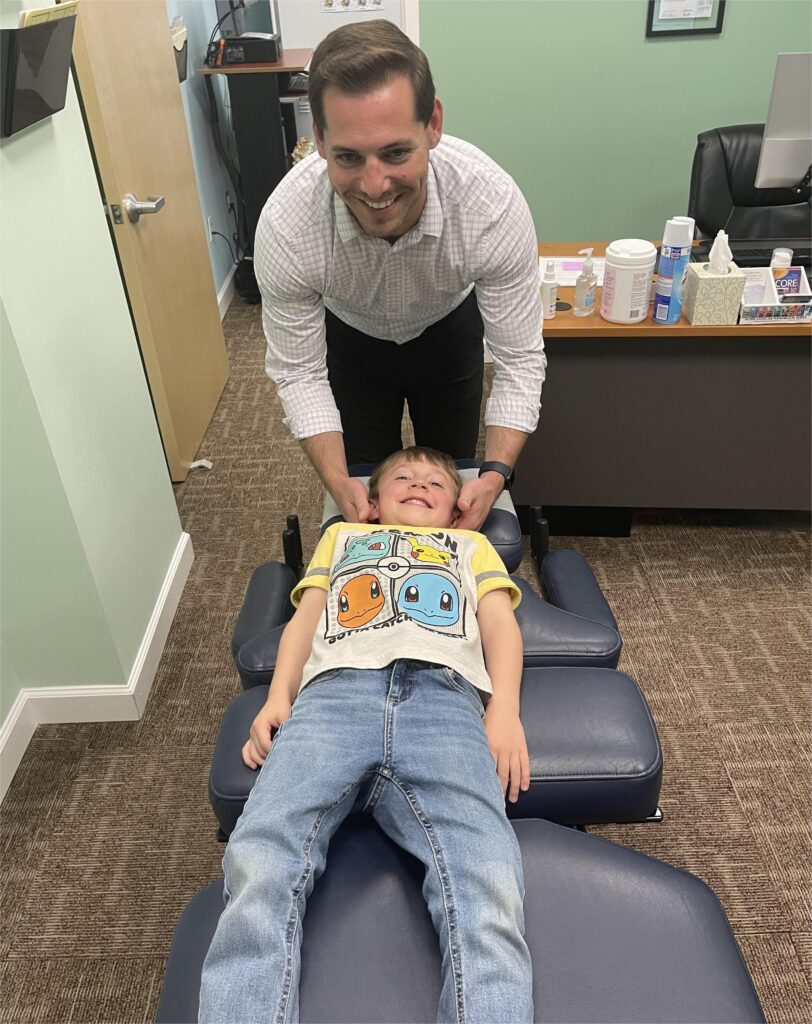
As a local chiropractor, I want to share some valuable insights on managing sports-related back pain. It’s crucial to adopt the right strategies for relief, especially if you’re new to chiropractic care. While simple measures like resting, applying ice, and engaging in gentle stretching can provide significant relief, there’s much more to effective recovery.
In my practice, I emphasize the importance of a holistic approach that goes beyond these basics. This includes exploring various chiropractic techniques and natural healing methods that can help you achieve long-term relief and enhance your athletic performance.
To safeguard your back while staying active, consider incorporating chiropractic adjustments, which can realign your spine and improve your overall mobility. Additionally, we can discuss tailored exercise regimens and ergonomics that suit your specific needs, ensuring that you not only recover but also prevent future injuries.
Let’s work together to create a personalized plan that promotes a healthy back so you can continue enjoying the activities you love. Your journey to wellness starts here!
Understanding the Causes of Sports-Related Back Pain
As a local chiropractor, I often see patients who are unaware of how their sports activities may contribute to back pain. It’s important to understand that the way you move during sports can significantly impact your spine and overall well-being.
For instance, poor posture—such as slouching while running or lifting weights with improper form—can place excessive strain on your back muscles, leading to discomfort and pain.
Another common issue is overuse injuries, which can occur from repetitive motions in sports. These actions can lead to muscle fatigue and inflammation, making it crucial to listen to your body and rest when needed.
Additionally, if you’re not incorporating core strengthening exercises into your routine, your lower back may lack the necessary support, increasing your risk for pain.
Technique plays a vital role as well. For example, using improper form while swinging a racket can put unnecessary stress on your spine, causing discomfort down the line.
Moreover, wearing the wrong footwear can disrupt your body’s alignment, leading to further issues.
As your chiropractor, I want to emphasize the importance of understanding these factors to help prevent back pain. By being mindful of how your movements contribute to discomfort, you can take proactive steps to protect your back and enhance your athletic performance.
Importance of Warm-Up and Cool-Down Routines
As a local chiropractor, I want to emphasize the significance of warming up before any physical activity. Engaging in a warm-up routine helps prepare your muscles and joints, significantly lowering your risk of injury.
It’s a crucial step in taking care of your body, especially when it comes to protecting your back.
Equally important is the cool-down phase after you finish your activity. This practice aids in your body’s recovery and can help minimize soreness, allowing you to feel better overall.
By incorporating these warm-up and cool-down routines into your regular regimen, you’re not only safeguarding your health but also enhancing your performance.
Benefits of Warm-Up
As a local chiropractor dedicated to your health and well-being, I want to emphasize the importance of warming up before engaging in any physical activity. Many athletes, in an attempt to save time, might skip this crucial step, but a proper warm-up routine is vital for preventing sports-related back pain and promoting overall health.
Warming up effectively increases blood flow to your muscles, making them more flexible and less susceptible to injury. This is particularly important for your spine, as a well-prepared body can better handle the physical demands of your sport.
By gradually elevating your heart rate and loosening your joints, you enhance your overall range of motion, which can significantly improve your athletic performance and minimize the risk of strains and sprains.
Furthermore, a thorough warm-up can positively impact your mental focus. When your body is prepared, it allows you to concentrate better during your activity, leading to improved outcomes.
I encourage you to take just a few minutes to warm up before any physical exertion. This simple yet effective practice can make a significant difference not only in your athletic performance but also in maintaining the health of your back and spine.
Effective Cool-Down Techniques
Cooling down after physical activity is crucial for your overall well-being and recovery, much like the importance of warming up. As a chiropractor, I often stress the significance of allowing your body to transition back to a resting state after exertion.
Start your cool-down routine with some gentle aerobic exercises, such as walking or light jogging, for about five to ten minutes. This helps to gradually lower your heart rate and improves blood circulation, which is beneficial for your muscles and joints.
Next, it’s essential to incorporate static stretching into your cool-down. Focus on the major muscle groups, especially those that were heavily utilized during your activity. Hold each stretch for 15 to 30 seconds to effectively release tension.
Pay special attention to areas like your back, hamstrings, and hip flexors, as these muscles often experience the most strain during physical activities.
Finally, don’t forget to hydrate! Drinking water is vital for recovery and helps prevent stiffness and soreness.
By taking the time to cool down properly, you can support your body’s natural healing processes, keeping your back and entire musculoskeletal system healthy and functioning optimally.
Injury Prevention Strategies
As a local chiropractor, I want to emphasize the importance of injury prevention for everyone, not just athletes. One of the most effective ways to reduce the risk of back pain and other injuries is through proper warm-up and cool-down routines.
Before engaging in any physical activity, it’s crucial to start with dynamic stretches that mimic the movements you’ll be doing. This helps increase blood flow to your muscles and prepares your body for action. Think of it as getting your engine running smoothly before hitting the road.
After your activity, it’s equally important to take the time to cool down with static stretches. This not only enhances your flexibility but also aids in recovery, especially for your back, which often takes on a lot of strain during physical exertion.
By incorporating these routines into your lifestyle, you can significantly minimize your risk of injury and improve your overall performance.
Remember, prioritizing these practices not only keeps your back healthy but also equips you to take on your next challenge with confidence.
If you have any questions about how chiropractic care can support your injury prevention strategies, feel free to reach out. Your health is my priority!
Effective Stretching Techniques for Back Relief
As a local chiropractor, I want to share some effective stretching techniques that can greatly aid in relieving sports-related back pain. It’s important to understand that gentle stretches can significantly enhance your recovery process.
One of the first stretches I recommend is the cat-cow stretch. This is a simple yet effective way to improve flexibility in your spine. Begin by getting on all fours, then inhale as you arch your back, and exhale as you round it. This movement helps to mobilize the spine and relieve tension.
Another beneficial stretch is the child’s pose. To perform this, kneel down and sit back on your heels. Extend your arms forward and feel a gentle stretch in your lower back. This pose is excellent for relaxation and can help alleviate pressure in the back.
You might also want to try the seated forward bend. While sitting with your legs extended in front of you, reach for your toes and allow yourself to relax into the stretch for several breaths. This can help elongate the muscles along your spine and improve overall flexibility.
Lastly, consider incorporating the standing quadriceps stretch into your routine. Stand tall, grab your ankle, and pull it towards your glutes. This stretch targets the front of your thighs and hips, which can influence your overall back health.
I recommend holding each stretch for 15-30 seconds and focusing on deep, steady breathing throughout. These techniques aren’t just about alleviating discomfort; they also promote healing and can help you return to your favorite activities more comfortably.
If you have any questions about these stretches or how they fit into a broader plan for recovery, feel free to reach out!
Strengthening Exercises to Support the Back
As a local chiropractor, I want to emphasize the importance of building a strong foundation to support your back and prevent discomfort during physical activities. Engaging in specific strengthening exercises can significantly enhance stability and endurance, which are crucial for maintaining a healthy spine.
Let’s start with planks. This exercise engages your core muscles, providing essential support to your spine. I recommend starting with a 30-second hold, and as you become more comfortable and stronger, gradually increase your duration.
Next, we’ve bridges, which are fantastic for strengthening your glutes and lower back. To perform this exercise, lie on your back with your knees bent. Lift your hips off the ground, hold for a few seconds, and then lower back down. Aim for 10-15 repetitions to effectively target those muscle groups.
Another great exercise is the bird-dog. This move not only enhances balance but also promotes coordination between your upper and lower body. Begin on all fours, extend one arm forward and the opposite leg back, holding the position briefly before switching sides. Aim for 10-12 reps on each side to maximize the benefits.
Lastly, introducing resistance training with light weights or resistance bands can be incredibly beneficial for overall back strength. Consistency is key in your journey towards a healthier back, so I encourage you to incorporate these exercises into your routine several times a week.
The Role of Proper Posture in Injury Prevention
As a local chiropractor, I want to emphasize the importance of proper posture in injury prevention. Maintaining good posture is crucial for keeping your body aligned and minimizing strain on your muscles and joints, especially during physical activities.
When you stand, sit, or move with proper posture, you help evenly distribute your body weight, which can significantly reduce the risk of overuse injuries and muscle fatigue.
To start, it’s essential to be mindful of your alignment. Keep your head positioned directly over your shoulders, draw your shoulders back, and ensure that your hips are aligned with your knees and ankles.
This alignment not only supports your spine but can also enhance your overall athletic performance.
During your workouts, be sure to engage your core muscles. This helps stabilize your spine and protects your lower back from injury.
Additionally, it’s important to adjust your posture frequently, especially during repetitive movements. If you’re unsure about whether your posture is correct, I encourage you to seek guidance from a coach or a physical therapist.
They can provide valuable insights and techniques to improve your posture.
By making these adjustments, you can significantly lower your risk of back pain and injuries related to your sports activities.
Utilizing Heat and Ice Therapy
As a local chiropractor, I often encounter patients who are unfamiliar with the benefits of heat and ice therapy for managing back pain.
Whether you’re experiencing acute discomfort from a recent sports injury or chronic pain due to overuse, these therapies can provide significant relief.
In the first 48 hours following an injury, ice therapy is your best friend. It effectively reduces inflammation and numbs the painful area, which is crucial for a swift recovery.
I recommend applying ice for 15-20 minutes at a time, ensuring you wrap it in a cloth to protect your skin from frostbite.
Conversely, when it comes to muscle stiffness and chronic pain, heat therapy is incredibly beneficial. It enhances blood circulation and promotes healing by relaxing tight muscles.
You can use a heating pad or a warm towel, applying it for 15-30 minutes to help ease your discomfort.
It’s also important to remember that alternating between heat and ice can be very effective, depending on your specific symptoms.
By incorporating these therapies into your routine, you may find that your back pain diminishes, helping you return to the activities you love with renewed comfort and mobility.
If you have any questions or need guidance on how to incorporate these methods into your care plan, feel free to reach out during your next visit!
Exploring Alternative Therapies: Chiropractic and Acupuncture
As a local chiropractor, I want to share how alternative therapies like chiropractic care and acupuncture can provide significant relief from sports-related back pain.
These methods prioritize restoring balance and promoting your body’s natural healing processes, all while minimizing reliance on medications or invasive procedures.
1. Chiropractic Care: This hands-on technique involves spinal manipulation and adjustments, which are designed to align your spine and enhance your mobility.
Many of my patients experience reduced pain and an improved range of motion after just a few sessions. It’s a gentle and effective approach tailored to your individual needs.
2. Acupuncture: Although I primarily focus on chiropractic treatments, I often recommend acupuncture as a complementary therapy.
By inserting thin needles into specific points on the body, acupuncture helps stimulate your natural healing processes. Many athletes I’ve worked with have found this technique to be very effective in alleviating pain and reducing inflammation.
3. Holistic Approach: One of the core philosophies of both chiropractic care and acupuncture is to treat the whole person, not just the symptoms.
This holistic approach can lead to improved overall well-being and a more comprehensive recovery from your back pain, addressing the root causes rather than just the discomfort.
I encourage you to consider these alternative therapies.
They’ve helped many of my patients find the relief they’ve been searching for and can be a vital part of your journey toward better health.
The Benefits of Physical Therapy
When it comes to managing sports-related back pain, chiropractic care is an exceptional option you should consider. Unlike traditional methods that often focus solely on alleviating symptoms, chiropractic treatment targets the underlying causes of your discomfort.
By conducting a thorough assessment, I can identify misalignments and dysfunctions in your spine and joints that may be contributing to your pain. Through tailored adjustments and exercises, I help you strengthen your core and enhance flexibility, which can significantly relieve pain and reduce the risk of future injuries.
Additionally, I emphasize the importance of proper body mechanics, equipping you with the knowledge to move safely during your sports activities. This understanding empowers you to make better choices regarding your training and recovery processes.
Moreover, hands-on techniques within chiropractic care, such as spinal adjustments and soft tissue manipulation, can effectively alleviate tension and improve circulation in your back, promoting overall healing.
When to Seek Professional Help
If you’ve been experiencing back pain for more than a few days, it’s important to consider reaching out for professional assistance.
As a chiropractor, I want to emphasize that persistent pain can be a sign that your body needs some extra support. Pay attention to any nerve-related symptoms, such as tingling or numbness, as these can indicate a more serious underlying issue that requires careful evaluation.
Moreover, if your daily activities or performance are being affected by your pain, don’t hesitate to consult with a healthcare provider.
Chiropractic care can be an effective natural healing option that addresses the root cause of your discomfort and helps restore your well-being.
Persistent Pain Duration
As a local chiropractor, I want to share some important insights about dealing with persistent back pain. If you find yourself experiencing discomfort that lasts more than a few days, it’s essential to take proactive steps and seek professional guidance. Ignoring ongoing pain can lead to more serious issues down the line.
Here are three key indicators that it’s time to consult with a healthcare professional, like myself:
- Pain Intensity: If your back pain escalates to a severe or sharp level, please don’t hesitate to reach out. This could be your body signaling that it needs help.
- Limitations in Daily Activities: Are you struggling to carry out your daily tasks or participate in sports? If so, this is a clear sign that you should seek assistance. Chiropractic care can help restore your functionality.
- Duration of Pain: If your discomfort has persisted for more than a week without showing signs of improvement, it’s crucial to get evaluated. Early intervention can make a significant difference in your recovery process.
By taking these steps, you can regain your mobility and safely return to your favorite activities.
Don’t let persistent pain keep you from enjoying life—natural healing through chiropractic care may be the solution you need!
Nerve Symptoms Emergence
As a local chiropractor, I want to emphasize the importance of recognizing nerve symptoms, especially when they’re accompanied by back pain. If you begin to experience sensations like tingling, numbness, or weakness in your legs or arms, it’s crucial to pay attention to these warning signs.
These symptoms may indicate nerve compression or injury, which can lead to more serious issues if not addressed promptly. I encourage you not to wait until the pain becomes overwhelming. Seeking professional help early on can make a significant difference in your recovery.
Additionally, if you experience any bowel or bladder dysfunction, it’s imperative to get immediate medical advice, as this could indicate a more serious underlying condition.
Chiropractic care focuses on the body’s natural ability to heal itself, and early intervention can help prevent further complications. Trust your instincts—if something doesn’t feel right, please reach out to a healthcare professional, like a chiropractor, who can provide you with the care and guidance you need.
Your health and well-being should always be your top priority, and we’re here to support you on your journey to recovery.
Impact on Performance
As a local chiropractor, I want to emphasize how back pain can significantly impact your athletic performance. It’s important not to overlook this common issue. Ignoring the pain may lead to more serious complications, so recognizing when it’s time to seek help is crucial.
Here are some key signs to pay attention to:
- Limited Range of Motion: If you find that your movements aren’t as fluid as they used to be, it can hinder your agility and overall performance on the field or court.
- Worsening Pain During Activity: Should you experience an increase in pain while training or competing, this is a clear indication that something may be amiss and deserves attention.
- Ongoing Discomfort: If you’re dealing with chronic pain that persists beyond a few days, it’s time to reach out to a healthcare professional like myself for an assessment.
Don’t let back pain interfere with your athletic pursuits. By addressing these issues early through chiropractic care, you can enhance your recovery and get back to performing at your best.
Natural healing methods can play a vital role in your overall wellness and performance.
Tips for Long-Term Back Health and Maintenance
As your local chiropractor, I want to share some essential tips for maintaining long-term back health that can significantly enhance your overall well-being.
It’s vital to adopt habits that support your spine’s strength and flexibility.
First and foremost, regular exercise is crucial. I recommend focusing on core-strengthening workouts that help stabilize your spine. Activities such as swimming or cycling are excellent choices; they engage your back while minimizing strain, promoting a healthy spine.
It’s also important to be mindful of your posture throughout the day. Whether you’re seated at a desk or standing, aim to maintain a straight back and avoid slouching. Investing in ergonomic chairs and creating supportive workspaces can greatly improve your posture and reduce discomfort.
Incorporating daily stretches into your routine can enhance your flexibility. Simple movements, like toe touches or gentle torso twists, can alleviate tension and keep your muscles supple. Remember to listen to your body—if you experience discomfort, don’t hesitate to take a break and rest.
Finally, regular chiropractic or physical therapy sessions can be beneficial for keeping your spine aligned and functioning optimally. These professional treatments can help you address any underlying issues and maintain a healthier back for all your activities.
By following these tips, you can create a solid foundation for your back health and enjoy a more active, pain-free lifestyle.
If you have any questions or would like to learn more about how chiropractic care can support your health, feel free to reach out!
Conclusion
As a local chiropractor, I want to help you understand how to effectively manage sports-related back pain through natural healing methods. It’s important to combine rest with ice therapy and gentle stretching to ease discomfort. Strengthening exercises and maintaining proper posture are also crucial in promoting recovery and preventing future issues.
Incorporating regular chiropractic care and physical therapy into your routine can significantly enhance your healing process. I cannot stress enough the importance of consistency in these practices for achieving long-term relief. By adopting these strategies, you can not only alleviate your pain but also support a healthier back to enjoy your favorite sports activities for years to come.
If you find that your symptoms persist despite these efforts, please don’t hesitate to seek professional help. Together, we can work towards a pain-free and active lifestyle.