Chronic back pain can feel like an overwhelming burden, affecting your ability to perform even the simplest daily tasks. As you seek relief, you may find yourself inundated with various treatment options—ranging from conventional therapies to alternative approaches and lifestyle modifications. As a chiropractor, I want to emphasize that finding relief often requires more than just physical interventions. It involves cultivating a positive mindset and surrounding yourself with supportive individuals who understand the struggle.
Throughout my practice, I've witnessed firsthand how a holistic approach to healing can significantly impact pain management. It's not just about adjustments; it's about embracing natural healing methods that promote overall well-being. By exploring chiropractic care, you may discover unexpected solutions tailored to your unique needs. My goal is to empower you with knowledge and support, guiding you toward a healthier, pain-free life. Let's work together to find the path that resonates with you on your journey to relief.
My Initial Struggles
Chronic back pain can often feel like a relentless companion, shadowing you throughout your daily life. As a chiropractor, I see many patients who wake up each morning hoping for relief, yet are greeted by a familiar discomfort that disrupts their routine. Simple tasks, like bending down to tie your shoes or lifting a grocery bag, can transform into daunting challenges, leading you to avoid activities you once enjoyed.
It's not just the physical pain that impacts you; I've noticed how it can also affect your mood. Frustration and fatigue can weigh heavily, making it difficult to focus at work or fully engage with family and friends. Many of my patients express feelings of isolation, as though no one truly understands the struggle they face. Conversations about pain can feel repetitive, and the well-meaning sympathy from loved ones may sometimes come across as empty.
You may have already explored various remedies, like over-the-counter pain medications, heat packs, or stretching exercises. While some may offer temporary relief, it can be disheartening when the comfort doesn't last. Each day can feel like a cycle of discomfort, leading to a sense of urgency for change.
As a chiropractor, I want to emphasize that chronic back pain doesn't have to define you. Acknowledging your struggles is essential; they're valid and deserve attention. This journey can be challenging, but understanding your pain and the underlying causes is the first step toward finding the relief you deserve.
Chiropractic care offers a holistic approach to healing, focusing on the relationship between the spine and the nervous system. With gentle adjustments, we can work together to alleviate pain, restore mobility, and enhance your overall well-being.
You're not alone in this battle; many individuals share similar experiences, and there are effective paths to explore that can lead to brighter days ahead. Let's work together to take back control of your life and find the relief you seek.
Seeking Medical Help
When chronic back pain lingers, it's crucial to consider chiropractic care as part of your healing journey.
As a chiropractor, I can help you understand how our approach focuses on the body's natural ability to heal. We'll work together to assess your condition through gentle evaluations and, if necessary, utilize diagnostic tests to get to the root of your pain.
I will discuss various treatment options that may include spinal adjustments, therapeutic exercises, and lifestyle modifications tailored to your needs.
Embracing this holistic perspective can lead to not only a clearer understanding of your condition but also a more natural path toward relief and improved overall well-being.
Don't hesitate to reach out and explore how chiropractic care can support your health!
Finding the Right Specialist
Finding the right specialist for your back pain can be a daunting task, but as a local chiropractor, I want to help you understand how chiropractic care can be an effective option for relief.
First, it's important to identify the type of pain you're experiencing. Is it something that's been bothering you for a while (chronic), or did it start recently after an injury (acute)? Understanding your symptoms can guide you in choosing the right care.
Many people start with their primary care physician, who may refer them to various specialists, including chiropractors like myself. Chiropractors focus on the musculoskeletal system and utilize hands-on adjustments to improve alignment and mobility. This can be crucial in addressing your back pain effectively.
When considering chiropractic care, I encourage you to research my credentials and experience, as well as those of any other specialists you might be looking into. It's also beneficial to read reviews and testimonials from past patients, as this can provide valuable insight into the treatment success and the overall patient experience.
Once you've narrowed down your options, I invite you to schedule a consultation with me.
During our first meeting, I'll listen to your concerns, answer any questions you may have, and work with you to develop a personalized treatment plan that addresses your specific needs.
Diagnostic Tests and Procedures
As a chiropractor, I want to emphasize the importance of understanding the right diagnostic tests and procedures when it comes to addressing your back pain. When you come to see me, we'll start with a comprehensive physical examination and a detailed discussion about your medical history. This foundational step helps us identify possible causes of your discomfort.
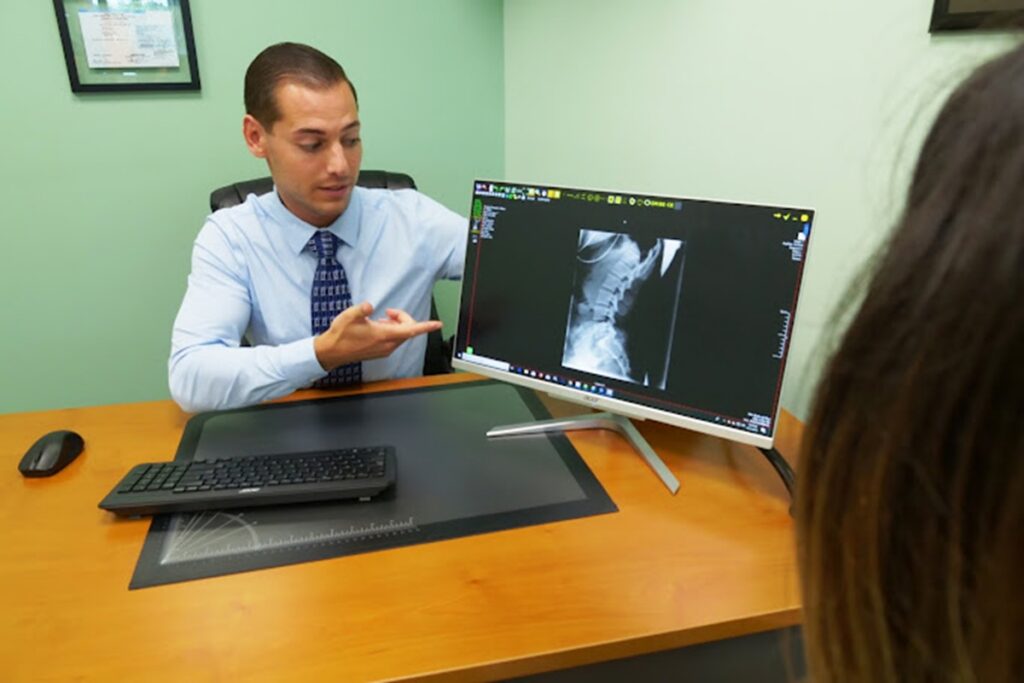
Following our initial assessment, I may suggest imaging tests like X-rays, MRIs, or CT scans. X-rays can reveal structural issues, such as fractures or misalignments in your spine, while MRIs provide a more intricate view of soft tissues, including discs and nerves. These imaging tests are crucial for identifying conditions like herniated discs or spinal stenosis, which can be contributing to your pain.
In some situations, we may also consider nerve conduction studies or electromyography (EMG). These tests assess the electrical activity in your muscles and nerves, helping us diagnose any nerve injuries or conditions affecting your spinal cord.
These diagnostic procedures are essential as they offer valuable insights into your condition. By understanding what's happening in your body, we can create an effective treatment plan tailored specifically for you.
It's important to communicate openly with me about your symptoms and any concerns you may have. This collaboration ensures that you receive the right testing and a clear diagnosis, setting the stage for a natural and holistic approach to managing your back pain. Together, we can work towards restoring your health and enhancing your well-being.
Treatment Options Explored
Chronic back pain can be a daunting challenge, but I want to assure you that seeking help is the first step toward finding relief. As a chiropractor, my goal is to guide you through a natural healing process that focuses on your body's ability to heal itself.
When you come in for a consultation, I'll conduct a thorough assessment to identify the root cause of your discomfort. This may involve a physical examination and a discussion about your medical history, lifestyle, and any previous treatments you've tried.
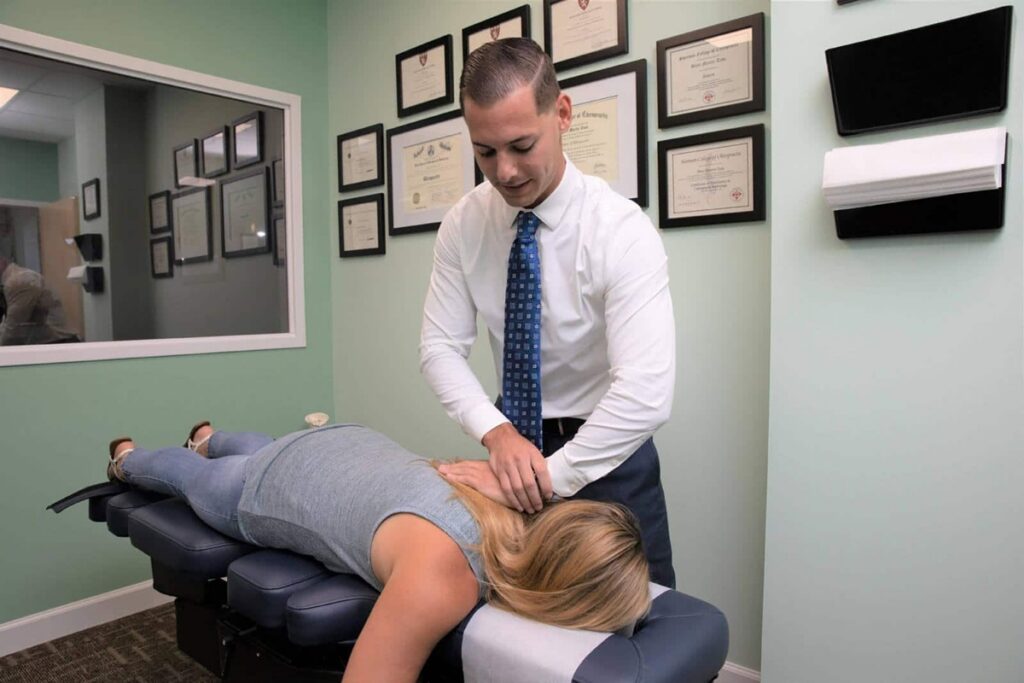
One of the primary treatment options we explore is chiropractic adjustments. These gentle manipulations can help restore proper alignment to your spine, which is essential for optimal function and can alleviate pain.
In addition to adjustments, I may recommend specific exercises to strengthen your back and enhance flexibility, which can be crucial for long-term relief.
While many patients find relief through chiropractic care alone, I also recognize that some may benefit from complementary treatments. Depending on your needs, I might suggest incorporating physical therapy or exploring natural anti-inflammatory options, such as dietary changes or supplements.
If traditional chiropractic methods aren't providing the relief needed, we can discuss other alternatives, including acupuncture or massage therapy, which can also promote healing and relaxation.
It's important to remember that surgery is typically a last resort and should only be considered after exploring all other options.
Throughout your journey to recovery, maintaining open communication with me is vital. I encourage you to share your progress, any concerns, or questions you may have.
Exploring Alternative Therapies
As your local chiropractor, I want to share some valuable insights into managing persistent back pain through alternative therapies that can complement traditional treatments. These approaches can empower you to take an active role in your wellness journey and help you discover new paths to healing.
Here are four alternative therapies that I believe are worth exploring:
- Acupuncture: This time-honored practice involves the insertion of thin needles into specific points on your body. Many of my patients report significant relief from pain and an improvement in overall functionality after sessions. Acupuncture is thought to activate your body's inherent healing mechanisms, making it a great adjunct to chiropractic care.
- Chiropractic Care: As a chiropractor, I specialize in realigning the spine to enhance mobility and alleviate discomfort. Regular adjustments can relieve pressure on your nerves, which may help reduce pain and improve your body's overall function. By addressing the root causes of your back pain, we can work together towards long-term relief.
- Massage Therapy: Therapeutic massage is another technique that can greatly benefit those suffering from back pain. It helps relieve muscle tension, enhances circulation, and fosters relaxation. I often collaborate with skilled massage therapists who can target specific areas of discomfort, complementing the adjustments I provide and promoting a sense of balance and well-being.
- Mind-Body Techniques: Incorporating practices like yoga and meditation into your routine can significantly aid in pain management. These techniques foster mindfulness and reduce stress, which can be pivotal in your healing process. Additionally, they enhance flexibility and strength, allowing for a deeper connection between your mind and body, which is essential for recovery.
Integrating these alternative therapies into your lifestyle may enhance your healing journey and provide additional relief.
As always, I encourage you to discuss any new treatments with me or your healthcare provider to ensure they're appropriate for your specific circumstances. Together, we can explore the potential of these therapies and find the right combination that leads you to the relief you've been seeking.
Lifestyle Changes That Helped
As a local chiropractor, I want to share with you how making simple lifestyle changes can significantly alleviate chronic back pain.
By incorporating a consistent exercise routine, setting up an ergonomic workspace, and engaging in mindfulness or meditation practices, you can enhance your comfort and overall well-being.
These adjustments not only support your spine's health but also empower you to take control of your pain management.
Let's delve into how these changes can improve your daily life and complement the benefits of chiropractic care.
Regular Exercise Routine
As a local chiropractor, I want to emphasize the importance of incorporating a regular exercise routine to help alleviate back pain and enhance your overall well-being.
When you commit to moving your body consistently, you can strengthen muscles, improve flexibility, and promote better posture, which are all crucial for spinal health.
Here are four types of exercises that can play a vital role in your journey towards relief:
1. Stretching: Regularly stretching your back and hip muscles is essential for releasing tension and improving your range of motion. I recommend gentle stretches, such as the cat-cow or child's pose, which can be particularly beneficial for easing tightness.
2. Strength Training: Focus on core-strengthening exercises like planks and bridges. A strong core provides stability and support for your spine, which can significantly reduce the strain on your back and help prevent future pain.
3. Low-Impact Aerobics: Engaging in activities such as walking, swimming, or cycling can enhance blood flow to your muscles, promoting healing and reducing pain while minimizing stress on your joints.
These low-impact options are great for maintaining overall fitness without exacerbating discomfort.
4. Yoga or Pilates: Both yoga and Pilates focus on body awareness and controlled movement. These practices can help you develop better posture and strengthen your back muscles, which are essential for maintaining spinal health.
Incorporating these exercises into your routine can support the natural healing process and complement the chiropractic care I provide.
Together, we can work towards a healthier, pain-free lifestyle!
Ergonomic Work Environment
As a local chiropractor, I want to share with you the importance of creating an ergonomic work environment, especially if you're dealing with chronic back pain. This approach, combined with a regular exercise routine, can significantly enhance your well-being.
First and foremost, let's talk about your chair. It's crucial to adjust it so your feet can rest flat on the ground and your knees are aligned with your hips. Utilizing a chair that offers proper lumbar support will help maintain the natural curve of your spine, which is vital during those long hours of sitting.
Next, let's discuss your computer monitor. It should be positioned at eye level to prevent you from slumping or craning your neck, both of which can exacerbate discomfort. If you're using a laptop, consider investing in a stand or an external keyboard and mouse to ensure you maintain the correct height.
Your desk setup is equally important! Ensure that it's spacious enough for all your work materials, so you're not forced to reach excessively. Keep the items you use most frequently within arm's reach; this will help reduce twisting and bending, which can strain your back.
Lastly, remember the significance of taking regular breaks. I recommend standing up, stretching, and walking around every hour to keep your muscles engaged and promote blood circulation.
Mindfulness and Meditation
As a local chiropractor, I often see patients who struggle with chronic back pain. One effective approach that I recommend is incorporating mindfulness and meditation into your daily routine. These practices can be transformative in managing pain, as they help you cultivate awareness and reduce stress, which are key factors in pain management.
By focusing your mind, you can create a state of calm that counteracts the tension commonly experienced with chronic pain.
Here are four practical ways to begin practicing mindfulness and meditation:
- Set Aside Time: It's beneficial to dedicate a few minutes each day for meditation. Early mornings or just before bedtime are often the best times to find that quiet space.
- Focus on Your Breath: A simple but powerful tool is to pay attention to your breathing. Inhale deeply and exhale slowly. This practice can help ground you and significantly reduce anxiety.
- Body Scan: Engage in a body scan meditation, where you mentally check in with each area of your body. This technique allows you to recognize areas of tension and encourages relaxation, which is vital for your overall well-being.
- Guided Meditations: Consider utilizing apps or online resources for guided meditations. These tools can offer structure and support as you embark on your mindfulness journey.
By integrating these practices with chiropractic care, you can enhance your healing process and improve your quality of life.
Let's work together towards a pain-free future!
Finding the Right Support
As a chiropractor, I want to emphasize the vital role that support plays in managing chronic back pain. Having the right people around you can significantly impact your journey toward relief. I encourage you to reach out to friends and family who can understand what you're experiencing. Their empathy and support can be incredibly comforting during challenging times.
Don't hesitate to share your struggles with them; sometimes, simply discussing your pain can help alleviate the emotional burden you carry.
In addition to your personal support network, seeking professional help is crucial. As a chiropractor, I specialize in providing adjustments that can relieve pressure on your spine and help reduce your pain. Chiropractic care focuses on aligning the body's musculoskeletal structure, which can enhance your overall function and mobility.
We can work together on developing a personalized treatment plan that may include specific adjustments and exercises aimed at strengthening your back and improving your flexibility.
Support groups can also be incredibly beneficial. Engaging with others who share similar experiences allows you to learn from their coping strategies. You'll discover that you aren't alone in your journey, and you can exchange valuable tips, resources, and encouragement with peers.
Finally, I want to remind you of the power of online communities. Many forums and social media groups are dedicated to chronic pain relief and natural healing. Participating in these platforms can provide you with support that transcends geographical boundaries, granting you access to a vast pool of shared knowledge and experiences.
Embracing a Pain-Free Future
As a local chiropractor, I'm here to guide you on the journey toward embracing a pain-free future. It's important to understand that alleviating chronic back pain goes beyond just temporary relief; it's about fostering a healthier lifestyle that can transform your daily experience.
You hold the key to shaping your future, and by making small, consistent changes, you can achieve significant improvements in your well-being.
Here are four actionable steps you can take, with a focus on chiropractic care and natural healing:
1. Stay Active: Incorporating gentle exercises such as walking, swimming, or yoga into your routine is essential. Regular movement not only strengthens your muscles but also enhances spinal flexibility, which can be supported through chiropractic adjustments.
2. Focus on Posture: Being mindful of your posture throughout the day is crucial. Whether you're sitting at a desk or lifting heavy objects, maintaining proper alignment is key to preventing strain and minimizing pain. Chiropractic care can help you achieve and maintain better posture.
3. Prioritize Nutrition: Nourishing your body with a balanced diet rich in anti-inflammatory foods can play a significant role in your healing process. Incorporate foods like leafy greens, fatty fish, and nuts into your meals.
These choices not only support your overall health but can also complement the benefits of chiropractic adjustments.
4. Practice Mindfulness: Stress can worsen pain, making it important to incorporate mindfulness techniques such as meditation or deep breathing into your routine. Chiropractic care often emphasizes the mind-body connection, and these practices can enhance your ability to manage discomfort and promote relaxation.
Together, we can work towards embracing a future free from pain. With chiropractic care and a commitment to these lifestyle changes, you can take charge of your health and well-being.
Conclusion
As your local chiropractor, I want to emphasize that your journey to relieving chronic back pain requires time and patience. It's crucial to understand the vital role that chiropractic care can play in this process. Many of my patients have found that exploring various therapies, including chiropractic adjustments and complementary practices like mindfulness, can significantly enhance their recovery.
I encourage you to embrace lifestyle changes that not only empower you but also support your overall well-being. Lean on your support network—friends, family, and healthcare professionals—for encouragement and guidance. Remember that each small step you take brings you closer to a pain-free future.
Believe in yourself and the possibility of achieving a healthier, happier life. With the right approach and support, you can overcome chronic back pain. You've got this, and I'm here to help you every step of the way!