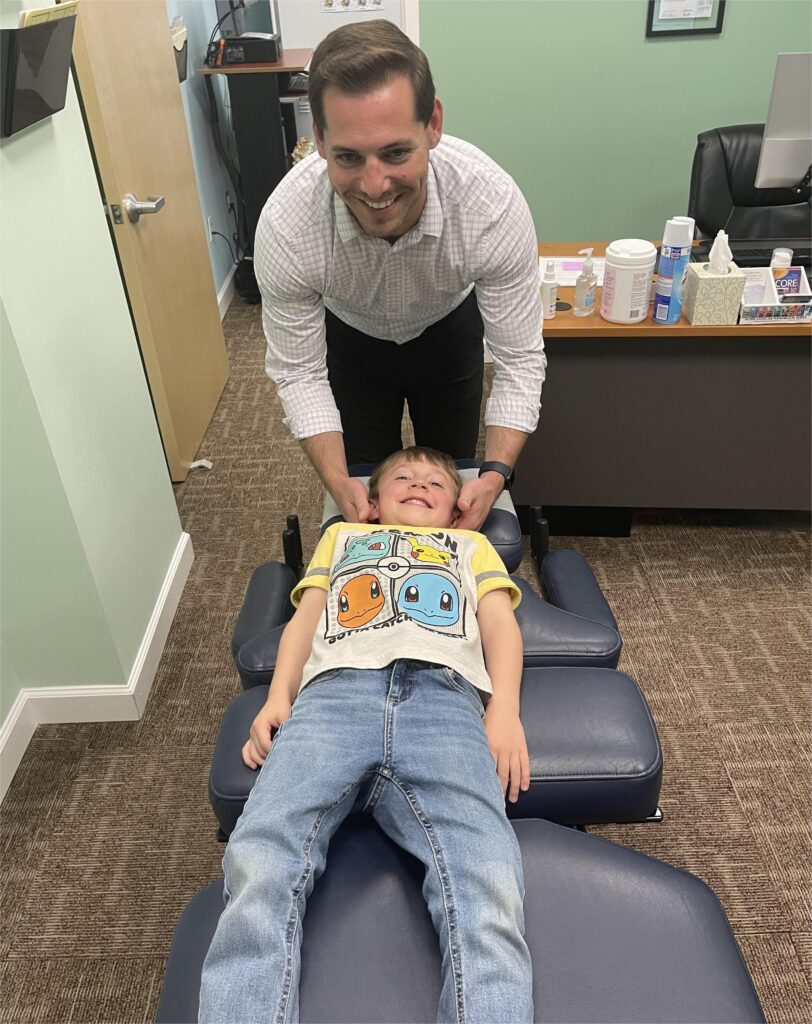
As a local chiropractor, I often hear from patients who experience nagging back pain after spending long hours at their desks. You’re certainly not alone in this! One of the leading causes of discomfort in this situation is poor posture. The good news is that relief is within reach.
By incorporating effective stretching and strengthening techniques into your daily routine, you can significantly reduce your back pain. It’s also essential to understand the importance of ergonomics—setting up your workspace in a way that supports your body can make a world of difference. Additionally, practicing mindfulness can help you become more aware of your posture throughout the day.
If you’re curious about how to integrate these strategies into your life, I’d be happy to guide you through the process and help you achieve a healthier, pain-free back.
Understanding Posture-Related Back Pain
As a local chiropractor, I want to help you understand how your posture can significantly impact your back health. When you slouch or sit for extended periods, it can lead to posture-related back pain that might disrupt your daily activities.
Poor posture puts unnecessary stress on your spine and the surrounding muscles, resulting in fatigue and tightness. You may experience discomfort that travels from your lower back up to your shoulders, making even simple tasks feel more challenging.
It’s essential to recognize how your body aligns, as it can provide valuable insights into your posture. For example, if you often find yourself leaning forward or rounding your shoulders while sitting, this indicates that your spine isn’t in its optimal position.
Such misalignment can lead to inflammation and stiffness, which can hinder your mobility. By understanding these mechanics, we can work together to improve your posture and alleviate pain through natural healing methods and chiropractic care.
My goal is to equip you with the knowledge and tools you need to maintain a healthy spine and a pain-free life.
Common Causes of Poor Posture
As a chiropractor, I often see patients who are unaware of how their daily habits can impact their posture and overall health. Poor posture is more common than you might think, and it can sneak up on you without any obvious signs. Many people find themselves slouching or leaning in ways that put unnecessary strain on their backs and necks.
Let’s explore some common culprits that could be contributing to your posture issues:
- Prolonged Sitting: If you spend long hours working at a computer, it can lead to a hunched back and rounded shoulders. This is a common issue in our modern lifestyles, and it’s important to be mindful of how you’re sitting.
- Weak Core Muscles: A strong core is essential for supporting your spine. If your core muscles are weak, they won’t provide the necessary support, causing you to slouch. Strengthening your core can dramatically improve your posture.
- Improper Footwear: Believe it or not, the shoes you wear can greatly affect your posture. Shoes that lack proper support can disrupt your body’s alignment and lead to poor posture habits over time.
Understanding these factors is the first step toward making positive changes. By identifying and addressing the habits that contribute to your poor posture, you can take proactive measures to correct them.
Simple adjustments in your daily routine can lead to significant improvements in how you carry yourself. Remember, your posture plays a crucial role not only in your spinal health but also in your overall well-being.
If you’re looking for guidance, I’m here to help you on your journey to better posture and health!
The Importance of Ergonomics
As a chiropractor, I often see patients who are unaware of how their workspace can significantly impact their posture and overall health. Ergonomics is essential in preventing back pain and promoting well-being. By making simple adjustments to your workspace, you can enhance your posture and alleviate strain on your back.
Let’s start with your chair. It’s crucial that it provides adequate support for your lower back and allows your feet to rest flat on the floor. Your computer screen should be positioned at eye level to prevent unnecessary neck strain.
Ensure that your keyboard and mouse are easily reachable to avoid overextending your arms, which can lead to discomfort. While seated, keep your knees at or below hip level, and remember to take breaks to stand or stretch throughout the day.
Creating an ergonomic workspace goes beyond mere comfort; it’s about maintaining proper body alignment and preventing pain. By prioritizing ergonomics today, you can pave the way for a healthier, more productive tomorrow.
As your chiropractor, I encourage you to make these changes and consider how they can support your journey towards natural healing and wellness.
Simple Stretching Exercises for Relief
As a local chiropractor, I want to share how incorporating a few simple stretching exercises into your daily routine can significantly relieve posture-related back pain.
Many people aren’t aware that these stretches not only alleviate tension but also improve flexibility and promote better spinal alignment.
Here are three effective stretches that you can easily do at home or even at the office:
- Chest Opener: Stand tall and interlace your fingers behind your back. Gently pull your arms away from your body while lifting your chest. This stretch helps open up your chest and counteracts the effects of slouching. Hold this position for 15-30 seconds.
- Cat-Cow Stretch: Position yourself on all fours. As you inhale, arch your back, letting your belly drop (this is the ‘cow’ position). Then, as you exhale, round your spine and tuck your chin towards your chest (the ‘cat’ position). This gentle flow helps mobilize your spine. Repeat for 5 cycles.
- Seated Forward Bend: Sit with your legs extended in front of you. Inhale deeply, lengthening your spine, and as you exhale, hinge at your hips to reach towards your toes. This stretch is beneficial for your lower back and hamstrings. Hold for 15-30 seconds.
By adding these stretches to your daily routine, you may notice a reduction in discomfort and an improvement in your posture over time.
Strengthening Your Core for Better Support
As a local chiropractor, I want to emphasize the importance of having a strong core for supporting your spine. A well-developed core is crucial for maintaining proper spinal alignment and can significantly help in reducing back pain.
When you strengthen your core muscles, you lay down a solid foundation that promotes good posture, which is essential during your daily activities.
I recommend starting with exercises such as planks, bridges, and abdominal crunches. These exercises not only build strength in your abdominal muscles but also engage your obliques and lower back muscles, creating a well-rounded core workout.
It’s important to aim for a balanced routine that targets all areas of your core.
In addition to traditional strength exercises, incorporating stability training, such as using a balance ball or resistance bands, can greatly enhance your core strength. These activities improve not only your muscle strength but also your balance and coordination, which are vital for overall health.
Consistency is key in any exercise routine. I advise performing core-strengthening exercises two to three times a week.
By committing to this regimen, you’ll likely notice improved stability and reduced strain on your back, contributing to a healthier, pain-free life.
Adjusting Your Workspace for Comfort
As a local chiropractor, I want to emphasize the importance of creating a workspace that promotes good posture and overall spinal health. Many people overlook how their work environment can impact their comfort and well-being, so let’s explore some key adjustments that can make a significant difference.
First and foremost, invest in an ergonomic chair that provides adequate lumbar support for your lower back. This support is crucial in maintaining the natural curve of your spine while you sit.
Next, it’s important to adjust your desk height. Ideally, your elbows should form a 90-degree angle when you’re typing; this helps to minimize strain on your shoulders and neck.
Speaking of neck strain, the placement of your computer screen is equally vital. Position your monitor at eye level to keep your neck in a neutral position. This simple adjustment can help prevent discomfort and long-term issues.
Here are some additional tips to create a healthier workspace:
- Chair: Choose a chair that allows your feet to rest flat on the ground, with your knees positioned slightly lower than your hips. This promotes better circulation and reduces pressure on your lower back.
- Desk Height: Ensure your desk is at the right height so your arms can relax comfortably while working, minimizing shoulder tension.
- Screen Distance: Your monitor should be about an arm’s length away, with the top of the screen at or just below eye level. This positioning aids in reducing eye strain and neck discomfort.
By making these adjustments, you can significantly enhance your comfort levels and support your posture throughout the workday.
Mindfulness and Posture Awareness
As a chiropractor, I want to emphasize the importance of being mindful of your posture, as it can significantly impact your overall well-being throughout the day. Many people may not realize how their body alignment affects their comfort and health. By adopting simple mindfulness techniques, you can enhance your awareness of your posture and make necessary adjustments to support your spine.
Let’s delve into how mindfulness can empower you to maintain better posture and alleviate back pain. When you pay attention to how you sit, stand, and move, you can identify habits that may be contributing to discomfort. This heightened awareness allows you to make conscious choices that promote better alignment, ultimately leading to improved spinal health.
Incorporating mindfulness into your daily routine can be as simple as taking a moment to check in with your body. Are your shoulders rounded? Is your head jutting forward? By noticing these tendencies, you can correct them before they lead to pain or strain.
Remember, maintaining good posture isn’t just about looking poised; it’s about supporting your body’s natural structure and function.
As your chiropractor, I’m here to guide you in understanding how posture and alignment contribute to your overall health. Together, we can work towards reducing discomfort and enhancing your quality of life through natural healing and mindful practices.
Importance of Mindfulness
As a local chiropractor, I want to emphasize the importance of mindfulness in improving your posture awareness. Understanding your body’s alignment is crucial for maintaining overall health, and mindfulness can be a powerful tool in this journey.
By being present and engaged in your daily activities, you can actively monitor your posture and make necessary corrections, reducing discomfort and enhancing your well-being.
Here are some practical mindfulness strategies to help you develop better posture awareness:
- Breathe Deeply: Take a moment to focus on your breath. This simple practice helps ground you and allows you to become more aware of any tension or misalignment in your body.
- Check In Regularly: I encourage you to set reminders throughout your day to pause and assess your posture. Take a few seconds to evaluate how you’re sitting or standing and make adjustments as needed.
- Visualize Alignment: Picture your spine lengthening and your shoulders relaxing. Visualization can guide your body into a more aligned and comfortable position.
Incorporating these mindfulness techniques into your daily routine can lead to significant improvements in your posture and overall health.
Techniques for Posture Awareness
As a local chiropractor dedicated to your well-being, I want to share some effective techniques that can enhance your posture awareness and promote better alignment in your daily life.
It’s important to check in with your body regularly, so I recommend setting a timer to remind yourself to pause and assess your posture throughout the day. When you’re seated, remember to keep your feet flat on the ground, relax your shoulders, and maintain a straight back.
Mindful breathing is another powerful tool; by focusing on deep breaths, you can increase your awareness of your body’s alignment and reduce tension.
To further support your posture, consider using visual reminders, such as sticky notes or apps, that prompt you to maintain good posture.
Incorporating simple stretches or exercises into your daily routine is also beneficial. Strengthening your core and improving flexibility can significantly enhance your overall posture.
By adopting these techniques, you’ll foster a heightened awareness of your body that can contribute to reducing discomfort and preventing back pain.
The Role of Regular Movement
As a local chiropractor, I often see patients who underestimate the significant role that regular movement plays in maintaining a healthy spine and alleviating posture-related back pain.
Incorporating physical activity into your daily routine can be a game changer. It not only strengthens your muscles, but it also enhances flexibility and promotes better spinal alignment. You don’t need to engage in intense workouts; even simple activities can yield substantial benefits.
Here are some practical suggestions to help you get started:
- Take short breaks: Make it a habit to stand up and stretch every hour. This can help relieve tension that builds up from prolonged sitting.
- Incorporate walking: Opt for stairs instead of elevators, or take brisk walks during your lunch breaks. Every little bit of movement counts!
- Try simple exercises: Consider engaging in yoga or Pilates. These practices can significantly enhance your core strength and flexibility, which are essential for a healthy spine.
By integrating these habits into your routine, you can support your chiropractic care and work towards a pain-free life.
When to Seek Professional Help
As a local chiropractor, I want to help you understand when it’s important to seek professional help for back pain. Recognizing the signs early can make a significant difference in your recovery and overall well-being.
If your back pain lingers for more than a few days, even after trying self-care measures like rest or over-the-counter pain relief, it’s time to consider consulting a chiropractor or healthcare provider.
It’s also crucial to pay attention to any additional symptoms that may accompany your pain. If you experience numbness, tingling, or weakness in your legs, these could be signals of a more serious underlying issue that requires professional assessment.
Should you find yourself dealing with severe pain that interferes with your daily activities or seems to worsen with movement, don’t hesitate to seek chiropractic care. Our goal is to help alleviate your discomfort and improve your mobility.
If your back pain stems from a recent injury or accident, it’s especially important to get a professional evaluation to ensure proper treatment and avoid long-term complications.
Remember, early intervention is key in chiropractic care—it can help prevent further issues and speed up your return to a healthy, active lifestyle.
Trust your instincts; if something feels off, reaching out to a chiropractor can lead you to effective treatment options and relief. We’re here to support you on your journey to natural healing and improved well-being.
Conclusion
As your local chiropractor, I’m here to help you understand how simple adjustments in your daily routine can significantly alleviate posture-related back pain. Many people aren’t aware that poor posture can lead to discomfort and even chronic pain, but by recognizing the underlying causes, you can take proactive measures.
Incorporating targeted stretches and strengthening exercises into your day can be incredibly beneficial for your back health. Additionally, making ergonomic adjustments in your workspace or home environment can support proper alignment and reduce strain on your spine.
It’s also crucial to stay mindful of your posture throughout the day. Regular movement breaks can help keep your body aligned and prevent stiffness. If you’re still experiencing pain despite these efforts, I encourage you to seek professional help. As a chiropractor, I can provide personalized guidance and treatment to address your specific needs.
Take control of your posture today, and together we can work towards a healthier, more comfortable tomorrow!