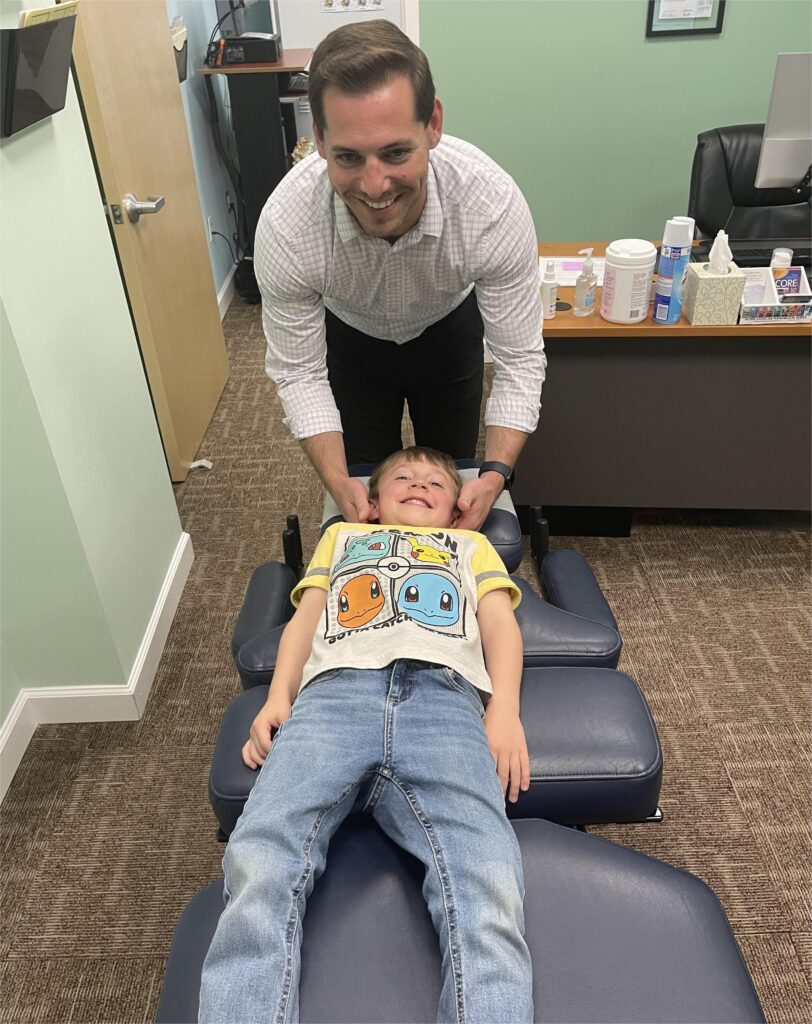
As a local Chiropractor, I often see patients who are dealing with back pain and are searching for effective, natural solutions. It’s important to know that there are numerous approaches we can take to alleviate your discomfort without relying on medication. By focusing on gentle stretching, proper spinal alignment, and mindfulness techniques, we can address not only the physical aspects of your pain but also the mental components.
You might be wondering what specific methods you can incorporate into your daily routine to find relief. Let’s dive into some strategies that have proven to be effective for many of my patients. From targeted exercises to chiropractic adjustments, there are various ways to promote healing and improve your overall well-being. Together, we can explore these options and work towards significant relief from your back pain.
Understanding Back Pain: Causes and Symptoms
As a local chiropractor, I want to help you understand back pain and its various causes and symptoms. Many people experience discomfort that can arise from factors such as poor posture, muscle strain, or injuries. Additionally, conditions like herniated discs or arthritis may lead to ongoing pain.
Back pain can be categorized as acute, which means it appears suddenly and usually lasts for a short duration, or chronic, which persists for more than three months. You might notice symptoms such as stiffness, sharp pain, or a dull ache in your lower back. In some cases, pain may radiate down your legs, which can indicate nerve involvement.
Identifying the root cause of your back pain is crucial for effective treatment. As a chiropractor, I encourage you to pay close attention to your body’s signals and not overlook persistent discomfort.
Gentle Stretching Exercises for Relief
As a local Chiropractor, I often emphasize the importance of gentle stretching exercises as a way to alleviate back pain. By integrating these stretches into your daily routine, you can significantly enhance your flexibility, relieve tension, and support better posture.
Regularly practicing gentle stretching can effectively ease tight muscles and improve blood circulation, which is vital for your body’s healing process.
I recommend starting with basic stretches like the cat-cow pose and child’s pose to gently mobilize your spine. The seated forward bend is another excellent option that targets your lower back and hamstrings. Aim to hold each stretch for 15-30 seconds while focusing on deep, relaxed breathing to maximize the benefits.
It’s crucial to listen to your body during these stretches. If you encounter any pain, it’s important to ease off and modify the movement to suit your comfort level.
Consistency is essential; try to incorporate these stretches into your daily routine. Over time, you may experience reduced stiffness and increased comfort, making everyday activities feel much easier.
Gentle stretching can be a valuable part of your approach to managing back pain and promoting overall wellness.
Mindfulness and Meditation Techniques
As a chiropractor, I want to share some valuable insights on how incorporating mindfulness and meditation techniques can significantly enhance your journey to managing back pain and improving overall well-being.
These practices not only help you connect with the present moment but also reduce stress and tension that can contribute to discomfort. Here are four effective techniques that I recommend to my patients:
- Deep Breathing: Find a comfortable seated position. Inhale deeply through your nose, allowing your abdomen to expand fully, and then exhale slowly through your mouth. Repeat this process for several minutes. This technique calms the mind and relaxes the body, creating a natural balance that can aid in pain relief.
- Body Scan: Lie down in a quiet space and take a moment to mentally scan your body from your head down to your toes. Pay attention to any areas of tension or discomfort, and consciously relax those muscles. This technique helps you develop greater awareness of your body, which is crucial in understanding pain patterns.
- Guided Imagery: Picture a serene scene that brings you peace, such as a tranquil beach or a lush forest. Focus on the sounds, smells, and sensations associated with this place. Allowing your mind to drift away from pain can create a sense of relaxation and promote healing.
- Mindful Movement: Consider engaging in gentle activities like yoga or tai chi. These practices encourage you to focus on the sensations in your body as you move, fostering a deeper connection with your physical state and enhancing flexibility and strength.
Integrating these mindfulness and meditation techniques into your daily routine can support your healing journey and complement the chiropractic care you receive.
The Benefits of Heat Therapy
As a local chiropractor, I want to share with you the incredible benefits of heat therapy for your back.
When you apply heat, it significantly enhances blood circulation, which is crucial for delivering essential nutrients to your muscles. This increased blood flow not only nourishes your muscles but also helps in reducing muscle tension.
As a result, you’ll find it easier to move and experience greater comfort. By incorporating heat therapy into your routine, you can empower your journey toward pain relief and overall wellness.
It’s a simple yet effective tool that complements the natural healing processes we focus on in chiropractic care.
Improves Blood Circulation
As a local chiropractor, I often emphasize the importance of natural healing methods, and one powerful technique that can significantly enhance blood circulation is heat therapy.
If you’re experiencing back pain, understanding how improved blood flow can benefit your body is essential. Here are four key advantages of utilizing heat therapy for better circulation:
- Nutrient Delivery: When circulation improves, your muscles and tissues receive essential nutrients more efficiently. This is crucial for overall health and recovery.
- Waste Removal: Enhanced blood flow aids in flushing out metabolic waste that can build up in your body and contribute to pain. By promoting this removal, you can help alleviate discomfort.
- Tissue Repair: Improved circulation accelerates the healing process by ensuring that oxygen and nutrients necessary for tissue repair reach the affected areas quickly.
- Pain Relief: With increased circulation, you may experience a reduction in discomfort, allowing you to move more freely and engage in your daily activities without restriction.
Incorporating heat therapy into your routine can play a significant role in your journey towards back pain relief.
As your chiropractor, I encourage you to explore this natural approach to support your body’s healing process.
Reduces Muscle Tension
As a local chiropractor, I want to share with you one of the remarkable benefits of heat therapy that can truly enhance your well-being: its ability to reduce muscle tension. When you apply heat to areas that are sore or tight, it works wonders by relaxing those tense muscles, which can help you move more comfortably and freely.
Many of my patients have found relief through simple methods like soaking in a warm bath, using a heating pad, or wrapping a hot towel around the affected area. These techniques can be incredibly effective for alleviating stubborn knots and discomfort in your back.
What happens when heat is applied is quite fascinating. It penetrates the muscles, increasing blood flow which helps deliver vital nutrients and oxygen that your body needs. This not only helps to ease pain but also promotes a faster healing process.
Incorporating heat therapy into your self-care routine is a straightforward yet powerful approach to managing back pain. It can significantly enhance your quality of life and support your overall health.
If you have questions about how to best integrate this therapy into your routine, I’m here to help guide you.
Cold Therapy: When and How to Use It
As a local chiropractor, I want to share with you how cold therapy can be a valuable tool in managing back pain, particularly after an injury or during painful flare-ups.
Understanding when to apply cold therapy and how to do it correctly can significantly enhance your recovery. Cold therapy works by reducing inflammation and numbing sharp pain, which can provide much-needed relief.
It’s important to use it at the right times—typically within the first 48 hours after an injury or when you feel a flare-up coming on.
To ensure you benefit from cold therapy safely, I recommend applying a cold pack or ice wrapped in a cloth to the affected area for about 15-20 minutes at a time.
Make sure to allow your skin to return to its normal temperature before reapplying.
Incorporating this practice into your pain management routine can complement the chiropractic care I provide, helping you heal naturally and effectively.
If you have any questions or need guidance on using cold therapy, please don’t hesitate to reach out!
Benefits of Cold Therapy
As a local chiropractor, I understand that many of you may not be familiar with the benefits of natural healing methods, including cold therapy, especially when it comes to managing back pain.
Cold therapy can be incredibly effective and offers several advantages to help you feel better quickly. Here are four key benefits you should know:
- Reduces Inflammation: When you apply cold to an area affected by pain, it constricts blood vessels, which helps limit swelling and inflammation. This can be particularly useful if you’ve recently experienced an injury or flare-up.
- Numbs Pain: The cold sensation can help dull nerve activity, providing immediate relief from pain. This is especially beneficial when you’re struggling to go about your daily activities due to discomfort.
- Decreases Muscle Spasms: Cold therapy can also help relax tight muscles, which may be contributing to your back pain. By reducing muscle spasms, you can experience greater comfort and mobility.
- Enhances Recovery: By alleviating pain and inflammation, cold therapy promotes faster healing of injuries. This means you can get back to your normal routine more quickly.
Incorporating cold therapy into your pain management routine can significantly improve your experience with back pain, making everyday activities much more manageable.
As your chiropractor, I’m here to guide you on how to effectively use cold therapy alongside other natural healing methods for optimal results.
Proper Application Techniques
As a local chiropractor, I’d like to share some effective techniques for managing back pain through cold therapy. This method can truly make a difference in your recovery process.
To start, you can use a cold pack or even a bag of frozen vegetables, but make sure to wrap it in a thin cloth. This is important to protect your skin from damage.
Apply the cold pack to the painful area for about 15-20 minutes, and remember to give yourself at least an hour before applying it again. This technique helps reduce inflammation and numbs the pain, making it particularly effective in the first 48 hours following an injury or flare-up.
If you experience any increased pain or discomfort while using the ice, it’s crucial to remove it immediately. Always remember: never place ice directly on your skin, as this could lead to frostbite.
Consistently incorporating cold therapy into your pain management routine can greatly enhance your overall comfort and aid in your recovery. I encourage you to consider these natural healing techniques in your journey towards better health.
Strengthening Core Muscles
As a local chiropractor, I want to emphasize the importance of strengthening your core muscles not only for alleviating back pain but also for improving your overall stability and mobility.
A strong core serves as the foundation for your spine, helping to maintain proper alignment and reduce strain on your back. Here are four effective exercises that I recommend to help you strengthen your core:
- Planks: Begin by holding a plank position with your forearms on the ground and your body in a straight line from head to heels. Start with holding this position for 20-30 seconds, and as your strength improves, gradually increase the duration.
- Bridges: Lie on your back with your knees bent and feet flat on the floor. Lift your hips towards the ceiling while squeezing your glutes, hold for a few seconds, and then lower your hips back down. This exercise is excellent for strengthening the gluteal and lower back muscles.
- Bird-Dogs: Position yourself on your hands and knees. While keeping your core engaged, extend one arm forward and the opposite leg backward simultaneously. Hold this position briefly, then switch sides. This exercise promotes balance and coordination while strengthening the core.
- Russian Twists: Sit on the floor with your knees bent and lean back slightly. Hold a weight or a medicine ball, and twist your torso side to side. This movement targets your obliques and helps improve rotational strength.
Incorporating these exercises into your regular routine can significantly enhance your core strength, which in turn can help alleviate back pain and support your overall health.
Posture Correction and Ergonomics
As a local chiropractor, I want to emphasize how crucial good posture is in preventing back pain, particularly in our modern, sedentary lifestyles. When you maintain proper alignment while sitting or standing, you significantly reduce the strain on your back muscles and spine. I recommend starting by ensuring that your ears, shoulders, and hips are aligned in a straight line.
If you spend a lot of time at a desk, it’s vital to adjust your chair and computer monitor properly. Your feet should rest flat on the floor, and your elbows should bend at a 90-degree angle. Consider incorporating ergonomic tools such as lumbar support cushions or adjustable chairs to help maintain this alignment throughout your workday.
When lifting objects, always remember to bend your knees and keep the load close to your body, as this minimizes the risk of injury and avoids twisting motions that can exacerbate back issues.
Good posture isn’t limited to sitting; it’s essential to practice it while walking as well. I encourage you to regularly check in with your body to ensure you’re not slouching.
The Role of Nutrition in Pain Management
As a local chiropractor, I want to emphasize that pain management isn’t just about physical therapies or medications. One often overlooked aspect is the role of nutrition in how your body handles discomfort.
The right nutrients can significantly impact inflammation levels, support your healing processes, and enhance your overall well-being. Here are four nutritional strategies that I encourage you to consider for effective pain management:
- Omega-3 Fatty Acids: Incorporating foods like fish, flaxseeds, and walnuts into your diet can be incredibly beneficial. These healthy fats are known to help reduce inflammation in your body, which can alleviate pain.
- Antioxidants: Foods rich in antioxidants, such as berries and leafy greens, are essential. They help combat oxidative stress, which can contribute to pain, and may provide relief.
- Magnesium: This vital mineral, found in nuts, seeds, and whole grains, plays a crucial role in muscle relaxation. Adequate magnesium intake can help reduce tension and soreness, making it easier for your body to cope with pain.
- Hydration: Never underestimate the power of staying well-hydrated. Proper hydration is essential for maintaining your body’s functions and can significantly influence how you perceive pain.
By integrating these nutritional strategies into your lifestyle, you can support your body’s natural healing processes and potentially lessen your discomfort.
Alternative Therapies: Acupuncture and Chiropractic Care
As a local chiropractor, I want to share with you the benefits of alternative therapies, particularly when it comes to relieving back pain. Two effective options that you may not be familiar with are acupuncture and chiropractic care.
Let’s start with acupuncture. This ancient practice involves the insertion of thin needles into specific points on your body. By targeting energy flow, acupuncture can alleviate pain and promote healing. Many of my patients have experienced significant relief after just a few sessions, making it a valuable option for those suffering from chronic back pain.
Now, let’s talk about chiropractic care. Our focus here is on spinal alignment and overall body mechanics. During a chiropractic adjustment, I correct misalignments in your spine, which can relieve pressure on nerves and reduce pain.
Regular visits not only help improve your mobility but also enhance your overall quality of life.
What’s important to note is that both acupuncture and chiropractic care take a holistic approach. We aim to address not just the symptoms you’re experiencing, but also the underlying causes of your discomfort.
If you’re exploring alternative options for your back pain, I encourage you to consult with a qualified practitioner. Together, we can create a personalized plan that meets your individual needs. You may find that these therapies greatly improve your back pain and overall well-being.
Conclusion
As a local chiropractor, I want to share some natural techniques for back pain relief that can truly enhance your comfort and overall well-being. It’s important to understand that chiropractic care is not just about adjusting your spine; it encompasses a holistic approach to health. Incorporating gentle stretching, mindfulness practices, and heat therapy can effectively address both the physical and mental aspects of your discomfort.
Strengthening your core and maintaining good posture are vital components of back health that I often emphasize in my practice. These foundational steps can help alleviate pain and prevent future issues. Additionally, I encourage you to explore alternative therapies such as acupuncture and chiropractic adjustments. These modalities can work in harmony to support your body’s natural healing processes.
By embracing a comprehensive approach to your care, you can achieve the relief you truly deserve and enhance your quality of life. Remember, I’m here to guide you on your journey to better health.