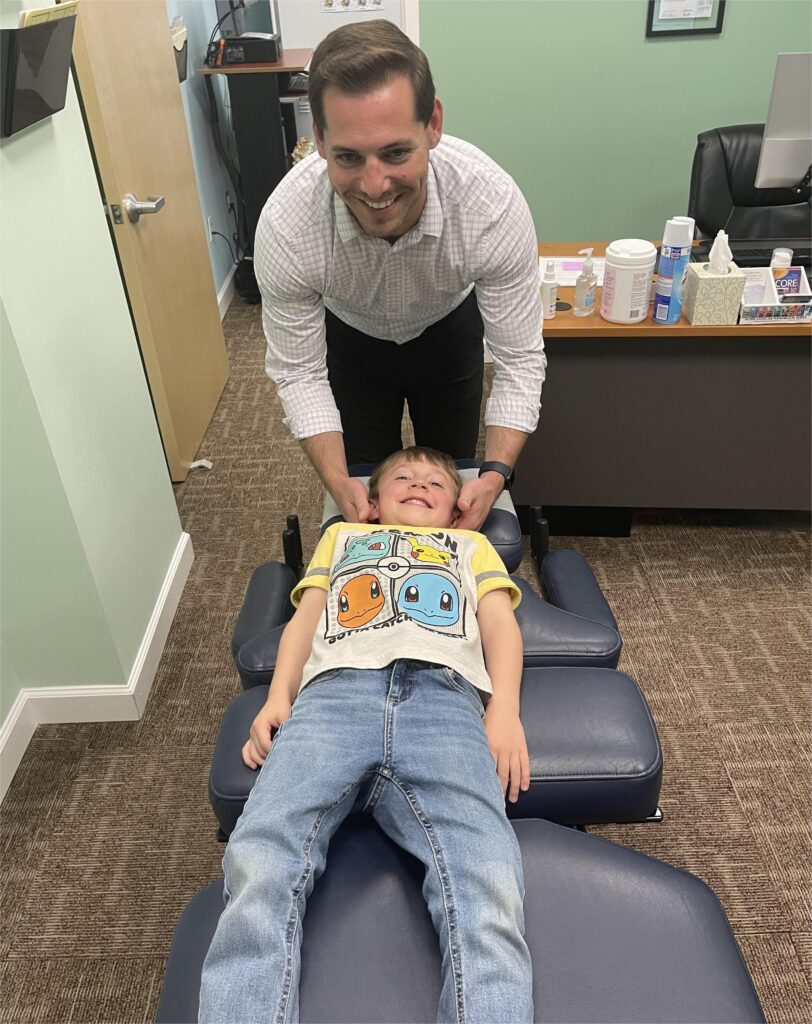
As a local chiropractor, I want to share with you how seemingly small adjustments in your daily routine can significantly enhance your flexibility and overall mobility. Many people underestimate the impact of good posture and simple movements, such as stretching or foam rolling. These practices can lead to remarkable improvements over time.
It's important to understand that flexibility isn't just about performing specific exercises; it's also about learning to listen to your body and setting realistic, achievable goals. When you pay attention to how your body feels and responds, you can make informed choices that support your journey toward better flexibility.
As you explore these strategies, you may discover that flexibility has a broader scope than you initially thought. The benefits of improved mobility can extend far beyond physical movement, affecting your overall well-being and quality of life. Embracing these natural healing methods can lead to a healthier, more active you!
Understanding Flexibility
As a local chiropractor, I want to share with you the importance of flexibility, which goes beyond just being able to touch your toes. It involves both physical and mental components that are vital for your overall health and well-being.
Physical flexibility refers to the range of motion in your joints and muscles, allowing you to move freely and without discomfort. This is crucial for maintaining proper alignment and function of your body. Mental flexibility, on the other hand, is about your ability to adapt to new situations, think outside the box, and change your perspective when faced with challenges. Both types of flexibility are key to leading a healthy and balanced life.
To enhance your physical flexibility, I recommend focusing on stretching and mobility exercises. Incorporating dynamic stretches before your workouts can improve your range of motion, while static stretches after exercising help to preserve that flexibility.
Pay close attention to areas that may feel tight, such as your hamstrings or hips, and dedicate time to address those muscle groups. As a chiropractor, I can also assist in identifying any underlying issues that may be contributing to your tightness and provide adjustments to improve your mobility.
For mental flexibility, consider engaging in mindfulness practices and cognitive exercises. Activities that challenge your thinking, such as puzzles or learning something new, can significantly boost your adaptability.
When you face obstacles, try to reframe your thoughts to view them as opportunities for growth, rather than setbacks.
Importance of Warm-Up
As a local chiropractor, I want to emphasize the importance of warming up before any workout. Many people overlook this crucial step, but it's essential for both your physical safety and overall performance. Warming up effectively prepares your body and mind for the demands of exercise.
When you warm up, your heart rate increases, which enhances blood flow to your muscles. This process not only boosts your flexibility but also helps your muscles become more pliable and responsive. This increased pliability significantly reduces the risk of strains and injuries, which is something I often see in my practice when individuals skip this important step.
I understand that you might view warming up as an unnecessary inconvenience, but it can be done quickly—just 5 to 10 minutes is all it takes. Incorporating dynamic movements such as arm circles, leg swings, or light jogging can elevate your body temperature and engage your muscles effectively.
These activities also serve to mentally prepare you for the workout ahead, aiding in your overall focus and performance.
Additionally, a proper warm-up can greatly improve your range of motion. By investing a few moments in this preparation, you may notice that your exercises are performed with better form. This attention to technique not only helps prevent injuries but also supports you in achieving your fitness goals more efficiently.
As someone dedicated to natural healing, I encourage you to make warming up an integral part of your fitness routine. Your body—and your long-term health—will thank you for it!
Incorporating Stretching Routines
As a local chiropractor, I want to emphasize the importance of warming up for your workouts, but I also want to share how incorporating a stretching routine can significantly benefit your overall physical health.
Stretching isn't just about flexibility; it prepares your muscles, enhances your range of motion, and can improve your performance during exercise. Here are three essential types of stretches that I recommend integrating into your routine:
- Static Stretching: This technique involves holding a stretch for a specific duration, usually between 15 to 30 seconds. It's most effective when performed after your workout when your muscles are warm. I suggest focusing on major muscle groups such as the hamstrings, quadriceps, and shoulders to promote relaxation and recovery.
- Dynamic Stretching: These are active movements that help take your muscles through their full range of motion. Incorporating dynamic stretches, such as leg swings and arm circles, into your warm-up routine can increase blood flow and prepare your body for more intense activities. This is particularly important for preventing injuries and ensuring your body is ready for the demands of your workout.
- PNF Stretching (Proprioceptive Neuromuscular Facilitation): This advanced stretching technique combines both stretching and contracting the muscle group being targeted. Typically, PNF stretching is done with a partner who can provide resistance, enhancing flexibility even further. It's an effective method for those looking to improve their range of motion and strength.
By integrating these stretching techniques into your fitness routine, you can support your body's natural healing process, improve flexibility, and enhance your overall physical performance.
If you have any questions or need guidance on how to properly execute these stretches, feel free to reach out during your next visit!
Daily Movement Adjustments
As a local chiropractor, I want to share with you some simple daily movement adjustments that can significantly enhance your flexibility and overall well-being. Many people overlook how small changes in their daily activities can lead to improved range of motion and a reduced risk of injury.
One of the first things to consider is your posture. Whether you're sitting at a desk or waiting in line, maintaining proper spinal alignment is crucial. I recommend adjusting your chair height, using a lumbar support cushion, or making it a habit to take regular breaks to stretch your legs. These small adjustments not only keep your muscles engaged but also promote better flexibility and comfort throughout the day.
It's also important to be mindful of how you walk. Focus on taking longer strides and using your arms for balance. This practice helps engage your hip flexors and encourages greater mobility in your lower body. If you find yourself sitting for long periods, I encourage you to stand up and stretch every hour. Simple movements, like reaching your arms overhead or bending down to touch your toes, can greatly improve your flexibility over time.
Moreover, consider incorporating dynamic movements into your daily routine. For example, while you're brushing your teeth, try standing on one leg or doing calf raises. These minor adjustments require very little effort but can contribute to noticeable improvements in your flexibility and overall physical health.
Utilizing Foam Rolling
Foam rolling can be a game changer for your flexibility routine, especially when it comes to releasing tension in your muscles and enhancing blood flow. As a chiropractor, I often encourage my patients to incorporate this simple yet effective tool into their daily regimen.
Foam rolling isn't just about addressing tight muscles; it's about promoting overall performance and well-being.
Here are three key benefits of foam rolling that I'd like to highlight:
- Increased Flexibility: Engaging in regular foam rolling can help lengthen your muscles and significantly improve your range of motion. Many of my patients find that their stretches become more effective and easier to perform, which is crucial for maintaining a healthy, active lifestyle.
- Reduced Muscle Soreness: One of the benefits of foam rolling is its ability to aid in muscle recovery by promoting circulation. This means you can recover more quickly after intense workouts, allowing you to stay consistent with your flexibility routine and other physical activities.
- Improved Posture: By focusing on specific areas of tension, foam rolling can help correct muscle imbalances, leading to better posture. Good posture is essential not just for flexibility but also for overall body alignment and health.
To get started with foam rolling, I recommend spending just a few minutes each day working on major muscle groups such as your calves, quadriceps, and back.
Pay special attention to areas that feel particularly tight or sore. Remember to breathe deeply and allow your body to relax as you roll.
Over time, you may find that foam rolling enhances not just your flexibility but also your overall well-being. So, I encourage you to grab a foam roller and make it a regular part of your flexibility routine. Your body will thank you!
Breathing Techniques for Flexibility
As a chiropractor, I often emphasize the importance of incorporating proper breathing techniques into your flexibility routine. Breathing isn't just a basic bodily function; it can significantly enhance your flexibility and overall well-being. When you concentrate on your breath, you create a vital mind-body connection that promotes muscle relaxation, allowing for deeper and more effective stretches.
Begin by practicing slow, deep breaths. Inhale through your nose, allowing your diaphragm to fully expand. This deep abdominal breathing is crucial as it delivers oxygen to your muscles, which is essential during stretching. As you exhale, visualize any tension leaving your body. This not only calms your mind but also signals your muscles to let go and relax.
You might also consider rhythmic breathing. As you move into a stretch, synchronize your breath with your movements. For example, take a deep breath in as you prepare for the stretch, and exhale as you gently sink deeper into the position. This technique can help you safely push beyond your usual limits.
Additionally, don't underestimate the effectiveness of breath holds. After taking a deep inhale, hold your breath momentarily before exhaling. This brief pause can assist in deepening your stretch as your body adjusts to the position.
Finally, stay aware of your breathing throughout your flexibility routine. If you catch yourself holding your breath or breathing in a shallow manner, kindly remind yourself to return to deep, controlled breathing.
Yoga and Its Benefits
As a local chiropractor, I want to share with you the remarkable benefits of integrating yoga into your health routine. While chiropractic care focuses on spinal alignment and overall musculoskeletal health, yoga complements these efforts beautifully by enhancing your flexibility and promoting overall physical wellness.
When you incorporate various yoga poses and movements, you'll see significant improvements not just in your body's range of motion, but also in your mental clarity and emotional well-being. Here are three key benefits of yoga that can support your chiropractic treatment:
- Increased Flexibility: Consistent yoga practice stretches your muscles and connective tissues, significantly improving your flexibility. This increased flexibility can help alleviate tension in your body and reduce the risk of injuries, making it an ideal addition to your chiropractic care.
- Improved Posture: Many yoga poses are designed to promote proper body alignment, which aligns perfectly with chiropractic principles. By strengthening your core and back muscles through yoga, you can maintain better posture in your daily activities, which is crucial for spinal health.
- Enhanced Mind-Body Connection: Yoga fosters mindfulness and bodily awareness, helping you tune into your physical limits and respect them. This deeper connection can lead to a more fulfilling practice and can complement the adjustments you receive in chiropractic care, ensuring a holistic approach to your healing journey.
By incorporating yoga into your fitness regimen, you can't only enhance your physical capabilities but also cultivate a sense of calm and balance in your life.
Whether you're new to yoga or have some experience, the journey of improving your flexibility and overall health can be incredibly rewarding.
Listening to Your Body
As a local chiropractor, I want to emphasize the importance of listening to your body in order to fully benefit from chiropractic care and any health routine you may be exploring, including yoga. Your body sends you signals that are essential in helping you navigate your wellness journey, and being attuned to these cues can prevent you from overextending yourself.
During your chiropractic sessions, pay attention to how your body feels before, during, and after adjustments. If you experience discomfort that feels different from the typical soreness you might expect, please don't hesitate to let me know. This feedback is crucial, as it allows us to tailor your treatment to better suit your needs.
When it comes to yoga or other physical activities, focusing on your breath is key. If you find yourself holding your breath or straining, it may be a sign to ease back and modify your movements. It's perfectly okay to adjust poses to match your current level of flexibility. This way, you can engage safely without risking injury.
It's also vital to understand the difference between the discomfort that comes from stretching and pain that might indicate an injury. Embrace the gentle stretch, but never ignore sharp or persistent pain. Developing this awareness will help you create a more effective health routine that respects your body's capabilities and limitations.
Ultimately, trust your instincts. Your body knows what it needs, and by listening closely, you'll cultivate a healthier, more flexible version of yourself. This awareness can lead to significant improvements in your overall well-being and flexibility, making your health journey through chiropractic care and other practices more rewarding and sustainable.
Setting Realistic Goals
As your local chiropractor, I want to help you understand the importance of setting realistic goals for your flexibility. First, it's essential to assess where you currently stand in terms of flexibility and mobility. This evaluation will provide a solid foundation for your journey.
Next, let's define achievable milestones that won't only challenge you but also promote a sense of accomplishment without leading to frustration. Remember, progress takes time, and it's important to be patient with yourself.
Lastly, I encourage you to track your progress regularly. This won't only keep you motivated but also allow us to adjust your goals as necessary based on how your body responds.
Natural healing and chiropractic care can greatly aid in improving your flexibility, so let's work together to create a plan that suits your needs and promotes overall wellness.
Assess Current Flexibility Level
Assessing your current flexibility level is a vital step in understanding how your body functions and setting achievable goals for improvement.
As your local chiropractor, I want to guide you through a simple process to evaluate your flexibility, which can greatly enhance your overall health and wellness.
- Perform Basic Stretch Tests: I recommend trying some common stretches, such as the sit-and-reach test or a shoulder stretch. These simple tests can help you gauge your current range of motion and identify specific areas that may need more attention.
- Track Your Daily Activities: Take note of how you move during everyday tasks like bending, reaching, or squatting. If you experience any discomfort or notice limitations, these observations can help pinpoint specific flexibility issues that may be contributing to pain or discomfort.
- Use a Flexibility Scale: Consider establishing a personal flexibility scale, perhaps rating your flexibility on a scale from 1 to 10 for different body areas. This visual representation won't only show where you currently stand but also allow you to track your improvements as we work together on enhancing your flexibility.
By understanding your flexibility level, we can create a tailored chiropractic plan that promotes natural healing and improves your overall mobility and health.
Define Achievable Milestones
Setting achievable milestones is crucial for making meaningful progress in your flexibility journey, especially if you're new to chiropractic care and natural healing. Rather than striving for overnight changes, I encourage you to concentrate on small, realistic goals that can be accomplished within a specific timeframe.
By breaking down your ultimate flexibility goal into manageable steps—such as improving your range of motion in a particular stretch or increasing the duration of a pose—you can make steady advancements.
Begin by assessing your current flexibility level to identify what's attainable for you. For instance, if you can only reach halfway down your legs during a forward bend, set a milestone to extend your reach over the next few weeks. Celebrating these small victories is important; they can significantly boost your motivation to continue your journey.
Additionally, it's beneficial to establish milestones related to how often and consistently you practice stretching. Aim for a certain number of stretching sessions each week and gradually increase that frequency as your body adapts.
This structured approach not only helps you maintain focus but can also prevent feelings of frustration as you progress in your flexibility and overall health. Remember, chiropractic care can complement your efforts by addressing any underlying issues that may be limiting your mobility.
Track Progress Regularly
As a local chiropractor dedicated to your health and wellness, I want to emphasize the importance of tracking your progress on your journey towards improved flexibility. Monitoring your improvements not only keeps you motivated but also allows for necessary adjustments to your routine.
Here are some effective strategies to help you track your progress:
- Maintain a Progress Journal: I encourage you to write down your daily or weekly stretching sessions. Document the specific stretches you perform, how long you hold them, and any changes you notice in your range of motion. This practice will allow you to visualize your growth over time and understand how your body is responding to the adjustments we make in our sessions.
- Set Achievable Goals: It's crucial to break down your flexibility objectives into manageable, short-term goals. For example, if your ultimate aim is to touch your toes, set smaller milestones first—such as reaching your shins or increasing the duration of a forward bend. This approach makes your progress feel more attainable and rewarding.
- Utilize Visual Tools: I recommend taking photos or videos of yourself while stretching. Comparing these visuals over weeks or months can provide a clearer picture of your improvements in flexibility and posture, often more effectively than numbers alone. This can be a fantastic way to celebrate your achievements and stay motivated.
By implementing these strategies, you can better understand your body's progress and enhance your overall flexibility, complementing the chiropractic care you receive.
Conclusion
As a local chiropractor, I want to share with you the journey of improving your flexibility through holistic adjustments and natural healing practices. This journey requires both commitment and awareness, and I'm here to guide you every step of the way.
First and foremost, prioritizing proper warm-ups is essential. These prepare your body for movement and help reduce the risk of injury. Incorporating regular stretching routines into your daily life will also enhance your mobility significantly. Simple daily movement adjustments can make a world of difference in how your body feels and functions.
Additionally, don't underestimate the benefits of foam rolling and breathing techniques. Foam rolling can alleviate muscle tightness, while deep breathing helps to relax your body and mind, promoting better flexibility. Yoga is another fantastic practice that offers holistic advantages, combining stretching, strength, and mindfulness.
It's crucial to listen to your body throughout this process. Set realistic goals for your flexibility journey and track your progress over time. With these strategies, you can enhance not only your flexibility but also your overall movement health. This will make your daily activities feel easier, more enjoyable, and more fulfilling.
As you explore these methods, remember that chiropractic care can play a vital role in supporting your flexibility goals. Together, we can work towards a healthier, more flexible you!