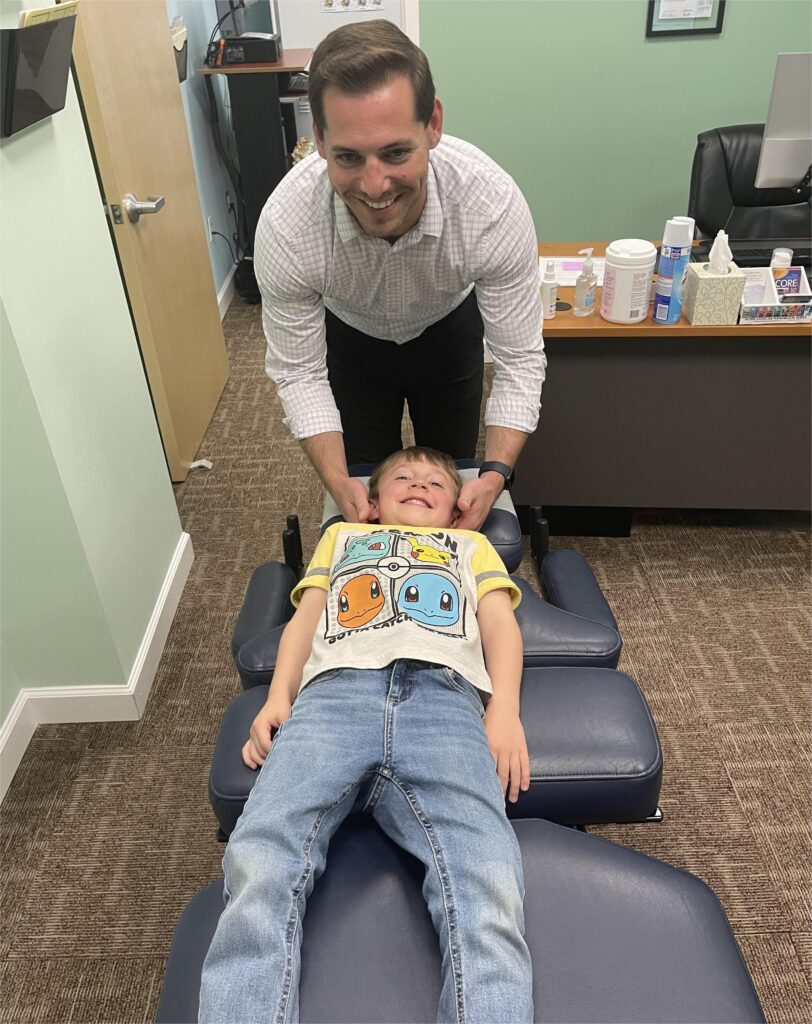
If you’re experiencing the discomfort of whiplash, managing your symptoms effectively is key to your recovery. As a chiropractor, I believe that understanding how to care for your body naturally can greatly alleviate your pain and promote healing. There are several gentle techniques you can incorporate into your daily routine to help ease your symptoms and enhance your overall well-being.
One of the most effective approaches is to engage in gentle stretching exercises. These can help improve your neck’s flexibility and reduce tension. Simple neck rotations and side-to-side movements can provide relief without putting too much strain on your muscles. Remember to listen to your body and only stretch to a point of mild discomfort, not pain.
Another beneficial method is applying heat therapy to the affected areas. A warm compress or heating pad can help relax tight muscles and improve blood flow, which is essential for healing. Just be sure to apply heat for about 15-20 minutes at a time, allowing your body to respond positively to the warmth.
Chiropractic care is also an excellent option for those suffering from whiplash. A chiropractor can assess your situation and provide gentle adjustments that align your spine and relieve pressure on your nervous system. This holistic approach not only addresses the pain but also promotes long-term health and wellness.
In addition to these techniques, maintaining good posture while sitting and standing can significantly impact your recovery. Be mindful of how you position your neck and shoulders throughout the day. Using supportive pillows when sleeping can also help keep your neck aligned, providing further comfort during your recovery.
Remember, the journey to healing is unique for everyone, and incorporating these natural methods can make a significant difference. Focus on nurturing your body through chiropractic care and these simple home techniques, and you’ll be on your way to feeling better in no time!
Key Takeaways
- Begin your recovery by prioritizing rest and gentle movements. This approach not only supports healing but also helps prevent further strain on your neck muscles and ligaments, which is essential for a full recovery.
- Heat therapy can be incredibly beneficial for alleviating whiplash symptoms. Using heating pads or warm towels can enhance blood flow and relieve muscle tension in your neck, promoting a more comfortable healing experience.
- Incorporating gentle stretching exercises, such as head tilts and neck rolls, can significantly improve mobility and decrease stiffness. These simple movements can help you feel more at ease and encourage your body’s natural healing processes.
- Maintaining proper ergonomics at your workspace is crucial, especially if you spend long hours sitting at a desk or using a computer. Adjusting your chair, monitor height, and keyboard position can minimize neck strain and support your overall well-being.
- Regular chiropractic visits can play a vital role in your recovery from whiplash. A chiropractor can perform spinal adjustments to promote proper alignment and enhance your body’s natural healing capabilities. This holistic approach not only alleviates pain but also fosters long-term health and wellness.
By embracing these natural techniques and considering chiropractic care, you can take significant steps towards alleviating whiplash symptoms and achieving better overall health. Remember, you’re not just treating pain; you’re investing in your body’s ability to heal itself.
Understanding Whiplash and Its Symptoms
Whiplash is more than just a painful neck injury; it’s a complex condition that can significantly affect your daily life. Often resulting from car accidents or sudden impacts, whiplash strains your neck muscles and ligaments. Symptoms like stiffness, headaches, and dizziness can arise, making everyday activities such as driving, working, or exercising quite challenging.
In addition to physical pain, you may experience fatigue, irritability, or difficulty concentrating. The discomfort can take a toll on your mental well-being, leading to frustration. It’s important to note that symptoms can sometimes develop days after the initial incident, which can catch you off guard.
Recognizing the signs of whiplash is crucial for seeking appropriate care. Chiropractic care is an excellent option for addressing whiplash symptoms naturally and effectively. A chiropractor can help realign your spine, relieve muscle tension, and promote healing without the need for medications or surgeries.
Here are some general tips to support your recovery from whiplash:
- Stay Active: Gentle movements and stretches can help maintain flexibility in your neck. Avoid prolonged bed rest, as it may lead to stiffness.
- Ice and Heat Therapy: Applying ice packs can reduce inflammation in the early stages, while heat can help soothe tight muscles later on.
- Posture Awareness: Be mindful of your posture, especially if you’re sitting for long periods. Proper alignment can reduce strain on your neck.
- Hydration: Drinking plenty of water supports overall health and helps maintain the elasticity of your muscles and ligaments.
- Chiropractic Visits: Regular chiropractic adjustments can aid in your recovery, addressing misalignments and promoting better spinal health.
The Importance of Rest and Recovery
After experiencing whiplash, it’s crucial to prioritize rest and recovery to support your healing journey. Your body needs time to mend, and pushing through the pain can lead to longer-lasting discomfort and complications. Taking a break from strenuous activities is key—listen to your body’s signals. This might involve adjusting your daily routines or even taking some time off work to give yourself the best chance to heal.
Rest is not just about stopping; it’s an active part of your recovery. Allowing your body to recover helps reduce inflammation and muscle tension. You might find that short naps or lying down in a quiet space can provide significant relief. Staying hydrated and eating a balanced diet is also vital, as proper nutrition plays a crucial role in healing.
In addition to rest, chiropractic care can be a powerful ally in your recovery from whiplash. Chiropractors focus on spinal health and can help align your spine, reducing pain and promoting overall well-being. Regular chiropractic adjustments can enhance your body’s ability to heal naturally, allowing you to regain mobility and comfort more effectively.
Remember to incorporate gentle stretches and movements as part of your recovery, but always consult with your chiropractor before beginning any new exercise routine. By prioritizing rest, hydration, nutrition, and chiropractic care, you can support your body’s natural healing process and work towards optimal health.
Gentle Stretching Exercises for Neck Relief
To alleviate neck discomfort after an injury, gentle stretching exercises can play a vital role in your recovery. As a chiropractor, I believe in promoting natural healing methods, and these stretches can enhance your mobility and provide relief without the need for medications or surgeries.
Begin by finding a comfortable seated or standing position. Slowly tilt your head to one side, gently bringing your ear toward your shoulder. Hold this position for 15-30 seconds, taking deep breaths to relax. After that, switch sides and repeat. This simple movement helps to stretch the muscles in your neck, alleviating tension.
Next, you can incorporate gentle head turns. Turn your head to the right, looking over your shoulder, and hold for the same duration before switching to the left. This exercise encourages flexibility and promotes spinal health.
Another effective technique is performing neck rolls. Start by lowering your chin to your chest, then slowly roll your head in a circular motion—first clockwise, then counterclockwise. Remember to breathe deeply and keep your shoulders relaxed throughout the movements.
These exercises not only improve flexibility but also help reduce tension in your neck. It’s essential to listen to your body; if you experience any pain, stop the exercise. By integrating these stretches into your daily routine, you can support your recovery process and enhance your overall well-being.
Chiropractic care is an excellent choice for achieving optimal health and wellness. Regular visits can help maintain spinal alignment and prevent discomfort in the first place. Embrace these gentle stretches as part of your healing journey, and consider chiropractic adjustments to further support your neck health and overall vitality. Remember, natural healing is always the best path to wellness!
Physical Therapy Techniques for Whiplash
When it comes to recovering from whiplash, chiropractic care can play a pivotal role in your journey to wellness. Our approach focuses on natural healing methods that promote optimal health without the need for medications or surgeries.
One of the key aspects of chiropractic care is the use of targeted adjustments to align the spine and alleviate tension in the neck. This helps restore mobility and reduce pain effectively. In addition to spinal adjustments, we incorporate gentle stretching exercises designed to improve flexibility and strengthen the neck muscles, further enhancing your recovery.
Manual therapy techniques, which are a staple in chiropractic practice, can provide immediate relief by easing muscle tension and improving circulation. This holistic approach not only addresses the symptoms of whiplash but also promotes overall well-being.
As you embark on your healing journey, here are some general tips to keep in mind:
- Maintain good posture, especially while sitting or using electronic devices, to reduce strain on your neck.
- Stay hydrated to support muscle recovery and overall health.
- Incorporate gentle exercises into your daily routine to keep your neck mobile and strong.
Stretching Exercises Benefits
Stretching exercises can significantly aid your recovery from whiplash, enhancing your overall neck health and well-being. By incorporating gentle neck stretches into your daily routine, you can improve flexibility and reduce pain. These stretches increase blood flow to the impacted areas, promoting natural healing and reducing tension in tight muscles, which in turn alleviates stiffness.
Not only do these exercises make daily activities easier and more comfortable, but they also improve your range of motion, allowing you to move your neck freely and without discomfort. As you practice controlled movements, you’ll learn to tune into your body and identify any specific areas that may require extra care.
As a chiropractor, I encourage you to start slowly and listen to your body. Regular stretching can be a vital part of your recovery journey, but it’s crucial to also consider chiropractic adjustments. Chiropractic care not only addresses pain directly but also promotes overall spinal health, facilitating better movement and function.
Here are some practical tips to incorporate stretching into your routine:
- Start Gently: Begin with light stretches and gradually increase intensity as your comfort level improves.
- Consistency is Key: Aim to stretch daily to maximize benefits.
- Focus on Breathing: Deep, steady breaths during stretches can help relax your muscles.
- Stay Hydrated: Drinking water helps keep your muscles healthy and can aid in recovery.
- Consult a Chiropractor: If you experience persistent pain or discomfort, seek guidance from a chiropractor to receive targeted care and personalized advice.
Strengthening Neck Muscles
Strengthening your neck muscles is a vital part of recovery after experiencing whiplash, and as your local chiropractor, I’m here to guide you through this process. It might feel daunting at first, but with the right approach, you can do it safely and effectively. Start with gentle isometric exercises, where you press your head against your hands in various directions, holding each position for a few seconds. This method builds strength without straining your neck.
To add an extra challenge, consider using resistance bands. Just remember to keep your movements slow and controlled. Another great exercise is the chin tuck, which not only helps strengthen your neck but also improves your posture—something essential for overall spinal health.
Aim to practice these exercises consistently, several times a week, to see the best results. Always pay attention to your body; if something doesn’t feel right, stop. As you build strength, you’ll likely notice improved stability and reduced pain, making your recovery smoother.
Chiropractic care can also play a crucial role in your healing journey. Regular adjustments help align your spine, relieve tension, and enhance your overall well-being. By combining these exercises with chiropractic adjustments, you can achieve optimal health and wellness naturally. Remember, taking care of your spine today will lead to a healthier tomorrow!
Manual Therapy Techniques
Manual therapy techniques can be a powerful ally in alleviating whiplash symptoms by enhancing mobility and reducing pain in the neck. These hands-on methods work wonders by relaxing tight muscles and restoring proper function to the spine. Here are three effective manual therapy techniques that can complement your chiropractic care and promote natural healing:
- Cervical Mobilization: This gentle technique involves specific movements of the neck to improve your range of motion and decrease stiffness. By working with a chiropractor, you can safely enhance your neck’s flexibility, making daily activities easier and more comfortable.
- Myofascial Release: This technique targets the fascia, the connective tissue that surrounds your muscles. By applying sustained pressure, it helps relieve tension and pain, allowing your body to heal naturally. Your chiropractor can guide you through this process to ensure you receive the maximum benefit.
- Soft Tissue Manipulation: This approach focuses on specific muscle groups to reduce tightness and enhance circulation in the affected areas. When combined with chiropractic adjustments, this technique can significantly improve how your body feels and functions.
Incorporating these manual therapy techniques into your recovery plan, alongside regular chiropractic care, can lead to substantial improvements in your symptoms and overall comfort. Remember, taking care of your spine is essential for achieving optimal health. Always consult with your chiropractor for personalized advice and tips on maintaining a healthy lifestyle. Simple practices like good posture, regular movement, and stretching can make a big difference in your recovery and long-term wellness.
Utilizing Heat Therapy for Pain Management
Heat therapy can be a fantastic way to help manage whiplash pain, especially when combined with chiropractic care. By enhancing blood flow and easing tense muscles, heat therapy can provide significant relief and support your body’s natural healing process.
As a chiropractor, I recommend incorporating heat therapy into your routine, especially after an adjustment. It not only helps to relax your muscles but also complements the spinal care techniques we use to ensure your body heals properly.
Here are some tips to effectively apply heat therapy for whiplash pain relief:
- Use a Heating Pad: A moist heating pad or a warm towel can be applied to the affected area for about 15-20 minutes. This can help soothe pain and stiffness.
- Warm Baths: Soaking in a warm bath can provide full-body relaxation and significantly alleviate muscle tension.
- Timing: It’s best to use heat therapy before engaging in any stretching or exercises. This helps prepare your muscles for movement and reduces discomfort.
- Listen to Your Body: While heat therapy is beneficial, make sure to stop if you feel any increased pain or discomfort. It should feel soothing, not painful.
- Combine with Chiropractic Care: Regular visits to your chiropractor can help address the underlying causes of your pain, and combining these adjustments with heat therapy can enhance your recovery.
Benefits of Heat Therapy
When you’re experiencing whiplash symptoms, incorporating heat therapy into your recovery plan can be incredibly beneficial for managing pain and promoting healing. Here are three key benefits of heat therapy that can enhance your overall wellness:
- Increased Blood Flow: Applying heat to the affected area helps to widen blood vessels, which boosts circulation. This increased blood flow brings more oxygen and nutrients to the injured tissues, supporting the healing process. It’s a natural way to encourage your body to repair itself.
- Muscle Relaxation: Heat therapy is excellent for loosening tight muscles. By soothing muscle tension and stiffness, heat can significantly reduce discomfort. When your muscles are relaxed, it not only eases pain but also allows for better mobility, making it easier to engage in daily activities.
- Pain Relief: Heat can help diminish the perception of pain by stimulating the sensory receptors in your skin. This can provide immediate relief from the discomfort associated with whiplash. It’s a simple yet effective way to feel better naturally.
Incorporating heat therapy into your daily routine can greatly enhance your comfort and speed up your recovery. It’s a complementary approach to chiropractic care, which focuses on aligning your spine and promoting overall health. Remember, maintaining proper spinal alignment is crucial for optimal wellness and can further alleviate pain.
For a holistic approach to your health, consider integrating gentle stretches, hydration, and regular chiropractic adjustments into your routine. These practices can work together to support your body’s healing process and help you feel your best. Always consult with your chiropractor for personalized advice tailored to your specific needs.
Application Techniques for Relief
To effectively manage whiplash pain, it’s important to understand how to apply heat therapy correctly. As a chiropractor, I want to emphasize the benefits of natural healing methods that can alleviate discomfort and promote recovery. Start by using a heating pad or a warm towel on the affected area for 15-20 minutes. Make sure it’s warm but not too hot to avoid any burns. Warm showers can also be a great way to relax your muscles and enhance blood circulation. Repeat this process several times a day, especially after activities that may aggravate your pain.
Here’s a quick guide to help you incorporate heat therapy into your routine:
| Technique | Duration | Frequency |
|---|---|---|
| Heating pad | 15-20 min | 2-3 times daily |
| Warm towel | 15-20 min | As needed |
| Warm shower | 10-15 min | Daily or as needed |
| Epsom salt bath | 20-30 min | 1-2 times weekly |
In addition to heat therapy, consider regular chiropractic adjustments to address any underlying spinal misalignments that could be contributing to your whiplash pain. Chiropractic care focuses on restoring proper function to your body, promoting natural healing, and enhancing overall wellness. Remember to maintain good posture, stay hydrated, and engage in gentle stretching exercises to support your recovery.
Choosing chiropractic care as your primary approach can help you achieve optimal health without the need for medications or invasive procedures. Your body has a remarkable ability to heal itself, and with the right support, you can find relief and improve your quality of life.
Cold Therapy: When and How to Use It
Whiplash can be quite uncomfortable, but don’t worry—cold therapy is a straightforward and effective way to help reduce inflammation and alleviate some of that discomfort. By using cold packs, you can manage your symptoms and support your body’s natural healing process. Here’s how to use cold therapy effectively, along with some additional tips to enhance your recovery:
- Timing: It’s best to apply cold therapy within the first 48 hours after your injury. This is when it can help minimize swelling and reduce pain effectively.
- Duration: Keep the cold pack on for about 15-20 minutes at a time. This helps protect your skin from damage while providing optimal relief.
- Frequency: Aim to use cold therapy every 1-2 hours during the initial phase of your recovery. Regular application can significantly enhance your healing process.
- Protection: Always wrap your ice packs in a cloth to prevent direct contact with your skin. This simple step can help avoid ice burns and keep your skin safe.
In addition to cold therapy, consider incorporating chiropractic care into your recovery plan. Chiropractic adjustments can help align your spine, improve your overall mobility, and reduce pain naturally. By focusing on your spinal health, you can promote better healing and prevent future issues.
The Role of Pain Relief Medications
When dealing with whiplash, many people seek pain relief options, but it’s important to consider the benefits of chiropractic care as a natural and effective solution for recovery. Instead of relying on over-the-counter pain medications like ibuprofen or acetaminophen, which may only mask the symptoms, chiropractic adjustments can address the root cause of the pain.
Chiropractic care focuses on restoring proper alignment to the spine and improving overall function, which can help ease the discomfort associated with whiplash. By working with a chiropractor, you can receive personalized treatment plans that may include spinal adjustments, soft tissue therapy, and exercises designed to enhance your healing process.
In addition to chiropractic care, there are some general tips you can incorporate into your daily routine to support your recovery. Consider gentle stretching exercises to maintain flexibility, applying ice to reduce inflammation, and ensuring you have a supportive pillow while you sleep. Staying hydrated and maintaining a healthy diet can also play a crucial role in your overall wellness.
Over-the-Counter Options
If you’re dealing with whiplash symptoms, it’s important to understand that while over-the-counter pain relief medications may provide temporary relief, chiropractic care offers a more holistic approach to healing. Chiropractic adjustments can help realign the spine, reduce tension, and promote natural healing in the body. Here are a few insightful tips to support your recovery:
- Chiropractic Adjustments – Regular visits to a chiropractor can help alleviate pain by correcting misalignments in the spine and improving overall function. This can lead to long-lasting relief from whiplash symptoms.
- Gentle Stretching and Exercises – Incorporating gentle neck stretches and exercises can help improve flexibility and reduce stiffness. Your chiropractor can guide you on the best exercises tailored to your specific needs.
- Heat Therapy – Applying a warm compress to your neck can help relax tight muscles and improve blood flow, aiding in the healing process.
- Posture Awareness – Maintaining good posture, especially while sitting or working, can significantly reduce neck strain. Be mindful of your posture throughout the day, and consider ergonomic adjustments to your workspace.
- Hydration and Nutrition – Staying well-hydrated and consuming a balanced diet rich in anti-inflammatory foods can support your body’s natural healing processes.
Always remember that the goal of chiropractic care is to not only relieve your pain but to also improve your overall wellness. If you’re experiencing whiplash symptoms, reach out to a chiropractor who can provide personalized care and guidance on your journey to recovery.
Prescription Medications Overview
When dealing with whiplash symptoms, many people often seek quick relief through medications. While prescription medications can be an option, it’s important to recognize that there are natural and effective alternatives available, particularly through chiropractic care. As a chiropractor, I believe that addressing the root cause of pain through spinal adjustments and holistic methods is the best way to promote healing and wellness.
Instead of relying solely on stronger pain relievers or muscle relaxants, consider how chiropractic adjustments can help restore proper alignment in your spine. This not only alleviates tension in your neck but also enhances mobility, allowing your body to heal naturally. Additionally, chiropractic care can reduce inflammation and improve circulation, which further aids in pain relief and recovery.
Here are a few tips to enhance your healing journey:
- Stay Active: Gentle movements and stretches can help maintain mobility and prevent stiffness. Always consult your chiropractor for exercises tailored to your condition.
- Heat and Cold Therapy: Applying heat or cold packs can provide temporary relief. Heat can relax tense muscles, while cold can reduce swelling.
- Posture Awareness: Be mindful of your posture, especially when sitting or using devices. Good posture can significantly impact neck health.
- Hydration and Nutrition: Staying hydrated and maintaining a balanced diet supports overall health and can aid in recovery.
- Regular Chiropractic Visits: Consistent chiropractic care can help keep your spine aligned and your body functioning optimally, reducing the likelihood of future issues.
Mindfulness and Relaxation Techniques
Whiplash can be a painful experience, but there are natural ways to support your healing journey. Incorporating mindfulness and relaxation techniques into your daily routine can help ease your symptoms and promote overall wellness. These practices encourage you to focus on the present moment, diminish stress, and cultivate a sense of calm, all of which are beneficial for your recovery. Here are three techniques to consider:
- Deep Breathing: Engage in slow, deep breaths to help alleviate tension in your body. Inhale deeply through your nose, hold for a moment, and then exhale gently through your mouth. With each breath, allow your shoulders to relax and release any built-up stress. This simple practice not only calms your mind but can also enhance the effectiveness of your chiropractic care.
- Progressive Muscle Relaxation: This technique involves tensing and then relaxing each muscle group in your body, starting from your toes and working your way up to your head. By paying attention to how your muscles feel, you can become more aware of areas that may be holding tension, allowing your chiropractor to better tailor your treatment. This practice also helps release tightness and promotes relaxation.
- Mindful Meditation: Set aside a few minutes each day to sit quietly. Focus on your breath or repeat a calming mantra. This practice can enhance your mental well-being and help you manage pain. In addition, being more mindful can help you better connect with your body and its needs, making your chiropractic sessions even more effective.
Ergonomic Adjustments for Daily Activities
Making ergonomic adjustments in your daily activities is a simple yet effective way to alleviate whiplash symptoms and promote overall wellness. As a chiropractor, I understand the importance of maintaining a healthy spine and how small changes can lead to significant improvements in your comfort and health.
Start by evaluating your workspace. Ensure your chair provides proper support for your lower back, and position your computer screen at eye level. This will help you avoid the strain of craning your neck. If you spend long hours driving, adjust your seat so you can comfortably reach the pedals without leaning forward. Proper posture while driving is crucial for spinal health.
When using your phone, hold it at eye level rather than bending your neck down. This small change can significantly reduce strain on your neck and prevent discomfort. If you need to lift objects, remember to bend your knees and keep your back straight. This technique minimizes stress on your neck and helps maintain a healthy spine.
Incorporating regular breaks into your routine is also essential. Stand up, stretch, and move around every hour to alleviate tension and promote circulation. These simple actions can make a world of difference in how you feel throughout the day.
Finally, consider using supportive pillows while sleeping to maintain a neutral neck position. This can help reduce discomfort and improve your sleep quality, which is vital for your overall health.
When to Seek Professional Medical Help
Even with ergonomic adjustments in place, there are times when whiplash symptoms may persist or even worsen, indicating that it’s time to seek professional help. Recognizing these signs early can help you avoid long-term complications and get back to feeling your best. Here are three situations when you should consider reaching out for chiropractic care:
- Severe Pain: If your neck pain becomes overwhelming or doesn’t improve with at-home care like gentle stretches or heat therapy, it’s important to consult a chiropractor. They can provide hands-on adjustments and therapies designed to relieve pain and restore mobility naturally.
- Numbness or Tingling: If you experience numbness, tingling, or weakness in your arms or hands, this could indicate nerve involvement. A chiropractor can assess your condition and help restore proper function through targeted spinal adjustments, which may alleviate these symptoms without the need for invasive procedures.
- Persistent Symptoms: If you find that symptoms such as headaches, dizziness, or fatigue continue for longer than a few weeks, it’s essential to seek a professional evaluation. Chiropractic care offers holistic approaches to address the root of these issues, focusing on improving your overall spinal health, which in turn can enhance your well-being.
Conclusion
Incorporating these techniques can significantly alleviate your whiplash symptoms and support your recovery journey. As a chiropractor, I recommend listening to your body and prioritizing rest. Gentle stretching can enhance your mobility, but always be cautious and avoid pushing your limits. Heat therapy is another great tool; applying warmth can help ease muscle stiffness and promote relaxation.
Maintaining good posture throughout your daily activities is crucial for spinal health and can help reduce strain on your neck. Remember, addressing your whiplash symptoms with chiropractic care can provide you with natural pain relief and restore your overall wellness. A chiropractor can assess your condition and implement tailored treatments that focus on spinal alignment and muscle balance.
If your symptoms persist or worsen, don’t hesitate to seek professional help from a qualified chiropractor. By taking these steps, you’ll be on your way to feeling better and regaining your comfort naturally, without the need for medications or invasive procedures. Embracing chiropractic care is a proactive choice for achieving optimal health and well-being.