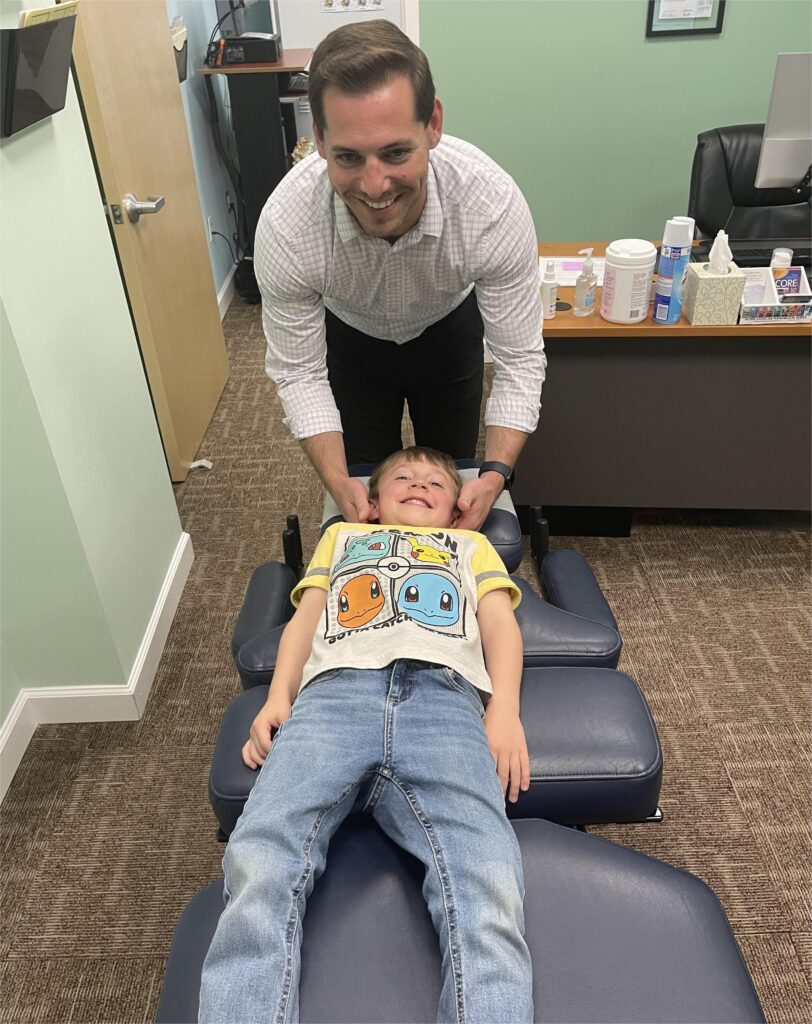
As a local chiropractor, I understand how disruptive a neck injury can be to your daily life. Many people are unaware that gentle techniques can significantly alleviate your pain and support your recovery process. By integrating mild stretches, heat and cold therapy, and mindful movements into your routine, you can help ease tension in your neck without putting additional strain on your body.
It's crucial to prioritize your neck health, as neglecting it can lead to long-term issues. Allowing me to guide you through specific strategies tailored to your unique situation can greatly enhance your healing journey. Together, we can explore these natural methods and help you regain comfort and mobility in your everyday life. If you're curious about how chiropractic care can support you, let's discuss the best approach for your recovery.
Understanding Neck Injuries
As your local chiropractor, I want to emphasize the importance of understanding neck injuries for effective recovery and prevention. Your neck isn't just a support for your head; it houses vital structures such as nerves and blood vessels. Neck injuries can occur for a variety of reasons, including accidents, falls, or even repetitive strain from daily activities. It's crucial to recognize the signs and types of neck injuries so we can address them appropriately.
Some of the most common neck injuries I see in my practice include whiplash, cervical strains, and herniated discs. Whiplash typically results from car accidents where the head is abruptly jerked forward and then backward. Patients often report symptoms like pain, stiffness, or headaches following such incidents.
Cervical strains can arise from overexertion or poor posture, resulting in muscle tightness or discomfort. Herniated discs occur when the cushioning discs between your vertebrae bulge or rupture, leading to pain that may radiate down into your arms.
Identifying the type of injury is the first step toward effective treatment. If you're experiencing persistent pain or numbness in your arms or hands, it's essential to seek professional help. During your visit, I'll evaluate your symptoms and may recommend diagnostic tests such as X-rays or MRIs to assess the severity of your injury.
By taking these steps, you can gain a better understanding of your neck injury, which empowers you to make informed decisions about your recovery. Remember, being proactive about your neck health not only helps prevent further complications but also promotes a quicker return to your daily activities.
Chiropractic care focuses on natural healing methods that can support your recovery journey, so don't hesitate to reach out for help!
Importance of Gentle Techniques
As a local chiropractor, I want to emphasize the importance of gentle techniques when it comes to addressing neck injuries. Many people may not realize that using these gentle methods can significantly reduce pain and tension in your neck.
Not only do they aid in the healing and recovery process, but they also help improve your overall mobility and flexibility.
By focusing on gentleness in our approach, we create a more effective pathway to relief from discomfort. This approach is rooted in the principles of chiropractic care and natural healing, which prioritize the body's ability to heal itself.
If you're unfamiliar with these techniques, I encourage you to explore how they can benefit your health and well-being. Your journey to feeling better can begin with the power of gentle care.
Reducing Pain and Tension
As a local chiropractor, I want to emphasize the importance of gentle techniques in reducing pain and tension in the neck. These methods promote healing without adding strain, which is especially crucial when you're experiencing discomfort in this area. Incorporating gentle stretches or soft tissue work into your routine can significantly improve your well-being.
These techniques help to release tight muscles and enhance blood circulation, enabling your body to initiate the recovery process. Rather than turning to aggressive treatments, I encourage you to explore slow, mindful movements. Simple neck rotations or gentle tilts can be incredibly effective.
Pay attention to your breath and allow your body to guide you through these movements. If you encounter any sharp pain, it's important to ease off. Our goal here is to alleviate discomfort, not to make it worse.
Additionally, using heat or cold therapy can be beneficial in managing tension. A warm compress can help soothe tight muscles, while cold packs can assist in reducing inflammation. Always listen to your body and avoid pushing through pain.
Incorporating these gentle techniques into your daily routine not only provides immediate relief but also promotes long-term comfort and well-being. By prioritizing these natural approaches, you're respecting your body's limits and choosing a safer path to recovery.
Ultimately, reducing pain and tension will enhance your overall quality of life, allowing you to move with greater ease and confidence. If you have any questions or would like to learn more about how chiropractic care can support your healing journey, feel free to reach out!
Promoting Healing and Recovery
As a local chiropractor, I want to help you understand the importance of a gentle approach when healing from a neck injury. Recovery doesn't have to mean enduring pain; instead, it can involve gentle techniques that are crucial for your healing journey. These methods not only help to ease discomfort but also promote the natural healing process of your neck.
It's essential to listen to your body during this time. By engaging in gentle stretches, soft tissue work, and mindful movements, you can better understand what feels comfortable and what might exacerbate your symptoms. This awareness is key to preventing setbacks in your recovery.
Techniques such as gentle massage or heat therapy can significantly enhance blood circulation to the injured area, which helps reduce inflammation and promote comfort. This nurturing approach not only alleviates pain but also fosters an optimal environment for healing.
In addition to physical techniques, incorporating relaxation practices like deep breathing or meditation can be immensely beneficial. Stress often leads to muscle tension, and by calming your mind, you can help release that tension, further aiding in your recovery. Remember, healing is a process that takes time, and it's important to be patient with yourself.
By focusing on gentle techniques, you're building a strong foundation for a complete recovery. This prepares your body for the next steps in regaining strength and flexibility. Each small, mindful step you take is an investment in a healthier and more resilient neck.
As your chiropractor, I'm here to guide you on this journey to healing and recovery.
Enhancing Mobility and Flexibility
As a local chiropractor, I want to share some effective and gentle techniques to enhance mobility and flexibility in your neck. These methods aren't just about promoting healing; they can also help you prevent stiffness and discomfort in the long run. By focusing on slow, controlled movements, you can improve your range of motion without putting unnecessary strain on your neck.
Let's start with some gentle neck stretches. A simple yet effective exercise is to tilt your head to one side, hold for a few seconds, and then switch to the other side. This basic action can significantly improve your flexibility and relieve built-up tension.
Additionally, incorporating shoulder rolls and chin tucks into your routine can be incredibly beneficial. Rolling your shoulders back and forth helps to loosen tight muscles, while chin tucks work to strengthen your neck muscles and enhance your posture.
I also recommend adding breathing exercises to your routine. Deep, diaphragmatic breaths not only help your body relax but also allow for better movement throughout your neck and shoulders.
It's important to listen to your body during these practices; if you feel any discomfort, please ease off. Consistency is crucial, so I encourage you to incorporate these gentle techniques into your daily routine for the best results.
Gentle Stretching Exercises
Incorporating gentle stretching exercises into your daily routine can be a powerful way to alleviate neck pain and enhance flexibility. As a chiropractor, I often see how these simple movements can target the muscles around the neck, helping to release built-up tension and promote a sense of relaxation. Dedicating just a few minutes each day to stretching can significantly improve how your neck feels, and it's a natural approach to wellness.
Let's start with a neck tilt. Gently lower your right ear towards your right shoulder; you should feel a nice stretch along the left side of your neck. Hold this position for 15 to 30 seconds, then switch to the other side. Repeating this exercise a few times can effectively help release tightness in the neck muscles.
Next, I recommend trying the chin tuck. Whether you're seated or standing, keep your spine straight and slowly draw your chin back toward your neck, ensuring your head remains level. You should experience a gentle stretch in the back of your neck. Hold this position for about 5 seconds before releasing. Aim to repeat this 5 to 10 times; it helps strengthen your neck muscles and improves your posture, which is crucial for spinal health.
Another beneficial stretch is the shoulder roll. While seated or standing, lift your shoulders toward your ears, then roll them back and down in a smooth circular motion. Perform this for about 10 repetitions, concentrating on releasing any tension that may be accumulating in your shoulders and neck.
Lastly, let's talk about the doorway stretch. Stand in a doorway and place your arms on the door frame at shoulder height. Lean gently forward, and you should feel a stretch across your chest and shoulders. Hold this position for 15 to 30 seconds.
These gentle stretches can seamlessly fit into your daily routine, providing much-needed relief from neck discomfort.
Heat Therapy Benefits
As a local chiropractor, I often recommend incorporating heat therapy into your routine, especially after trying gentle stretching exercises for neck relief.
Heat therapy is a straightforward yet powerful method to alleviate discomfort and enhance healing in your neck area. By applying heat, you can increase blood flow and help relax tense muscles, making it easier to manage any pain you might be experiencing.
Here are three key benefits of adding heat therapy to your self-care routine:
- Enhanced Blood Circulation: When you apply heat, it causes blood vessels to expand, which improves circulation. This increased blood flow delivers vital nutrients and oxygen to your muscles, promoting faster healing and recovery.
- Muscle Relaxation: Heat therapy is excellent for soothing tight and tense muscles. By relaxing the muscle fibers, it can significantly reduce stiffness and enhance your overall range of motion. After treatment, you may find your neck feels more flexible and less rigid.
- Pain Relief: One of the most significant benefits of heat therapy is its ability to dull the pain signals that your brain receives. The soothing warmth can distract you from discomfort, providing immediate relief while simultaneously addressing the underlying issues.
To effectively use heat therapy, you can choose options like a warm towel, a heating pad, or even a warm shower.
Just ensure that the heat is comfortable and not too intense, and always test the temperature on your skin first.
By combining heat therapy with your stretching exercises, you're taking proactive steps towards feeling better and enhancing your overall well-being.
Cold Therapy Applications
As your local chiropractor, I want to share with you the benefits of cold therapy for managing neck injuries and reducing inflammation. Many of my patients are surprised by how effective this simple method can be in promoting healing.
Cold therapy can help alleviate pain and swelling, making it an essential part of your recovery routine.
In our sessions, I'll guide you on the best techniques for applying cold, including how to use ice packs or cold compresses safely. It's important to know how long and how often to apply cold therapy for optimal results, and I'll provide personalized recommendations based on your specific condition.
By incorporating cold therapy into your healing process, you can enhance your recovery and support your body's natural healing abilities.
Together, we can explore how to effectively integrate these methods into your routine for improved health and well-being.
Benefits of Cold Therapy
As a local chiropractor, I often see patients grappling with neck injuries, and I want to share the transformative benefits of cold therapy. This natural method can be incredibly effective in managing pain and facilitating the healing process.
Here are three essential advantages of incorporating cold therapy into your recovery plan:
- Reduces Inflammation: When you apply cold therapy to your neck, it constricts blood vessels, which in turn helps to minimize swelling and inflammation in the affected area. This can provide immediate relief and is crucial in preventing further tissue damage, allowing your body to heal more efficiently.
- Numbs Pain: Cold therapy can act as a natural pain reliever. By numbing the area, it makes it easier to handle sharp or throbbing pain. This temporary alleviation is particularly beneficial when you're trying to maintain your daily routine, as it allows you to function more comfortably during your recovery.
- Promotes Recovery: By effectively reducing inflammation and pain, cold therapy enables you to return to your normal activities more quickly. You may find that you can engage in gentle stretches and exercises sooner than you anticipated, which is vital for a full recovery.
Incorporating cold therapy into your treatment plan can significantly enhance your comfort and expedite healing.
As with any therapeutic approach, it's important to use it correctly and in conjunction with other treatments for optimal results.
If you have any questions about how to implement cold therapy or other natural healing methods in your recovery, feel free to reach out. Your journey to wellness is our priority!
Application Techniques Explained
As a local chiropractor, I want to share some valuable insights on how to effectively use cold therapy for your recovery from neck injuries. Understanding this natural healing technique can make a significant difference in your healing process.
First, it's important to choose the right cold source. You can use an ice pack, a bag of frozen vegetables, or a commercial cold pack. Remember to wrap whichever cold source you choose in a thin cloth or towel. This simple step protects your skin from frostbite and ensures a more comfortable experience.
When applying the cold pack, position it gently on the affected area of your neck, allowing it to mold to your body's contours. Depending on where you feel the most discomfort, you can place it on the back or sides of your neck. Aim to keep the cold source in place for about 15 to 20 minutes.
Make sure you're in a comfortable position during this time, and if at any point you start to feel excessive cold, please remove it immediately.
After you've finished your initial application, take some breaks to allow your skin to return to its normal temperature before reapplying the cold source. Regularly using this technique can help reduce swelling and numb pain, which ultimately aids in your recovery.
Always listen to your body; it will guide you on how to adjust the application based on your comfort level. If you have any questions about this or other natural healing techniques, feel free to reach out. Your recovery is important, and I'm here to support you on your journey to wellness!
Duration and Frequency Guidelines
As your local chiropractor, I want to emphasize the importance of following specific guidelines when using cold therapy for recovery from neck injuries. Proper application can significantly enhance your healing process and alleviate discomfort.
Here are some essential points to keep in mind:
- Duration: When applying cold therapy, aim for sessions lasting about 15 to 20 minutes. This duration is ideal as it allows your tissues to cool down effectively, while also preventing any risk of frostbite or skin damage.
- Frequency: During the first 48 hours following your injury, it's beneficial to apply cold therapy every 1 to 2 hours. This regularity is crucial for minimizing swelling and effectively numbing pain, aiding in a smoother recovery process.
- Resting Period: After each application, it's important to allow your skin to return to its normal temperature before reapplying the cold therapy. This resting period plays a vital role in your recovery and helps to prevent any adverse effects on your skin.
By adhering to these guidelines, you can support your healing journey and enhance your overall recovery from neck injuries.
If you have any questions or need further assistance, please feel free to reach out during your visits. Your health and well-being are our top priorities!
Mindfulness and Relaxation
As a chiropractor, I often see patients struggling with neck pain and tension, and I want to share some effective, natural techniques that can greatly aid in your recovery. Incorporating mindfulness and relaxation practices into your daily routine can create a healing environment for your body and mind.
Let's start with simple breathing exercises. I encourage you to take a few moments each day to sit quietly, close your eyes, and focus on your breath. Inhale deeply through your nose, allowing your abdomen to expand, and then gently exhale through your mouth. This practice not only helps to calm your mind but also releases built-up stress that often contributes to discomfort in your neck.
Another powerful technique is progressive muscle relaxation. Begin by focusing on your toes and gradually work your way up through your body. As you consciously tense and then relax each muscle group, visualize the stress and tension melting away from your neck and shoulders. This not only fosters relaxation but also enhances your awareness of how your body feels.
Mindfulness meditation is another beneficial tool. I recommend setting aside just a few minutes each day to center yourself in the present moment. Pay attention to the sensations in your neck and shoulders without judgment. If you notice any discomfort, consciously breathe into those areas to promote relaxation and relief.
Additionally, incorporating gentle stretches during your mindfulness practice can amplify the benefits. While seated or standing, slowly tilt your head from side to side, allowing gravity to assist in easing tightness. Combining mindfulness with these gentle movements helps you connect more deeply with your body, which is essential for recovering from neck pain.
Posture Correction Strategies
As a local chiropractor, I understand the importance of maintaining good posture for preventing and alleviating neck pain. When your body is aligned correctly while sitting, standing, or moving, you significantly reduce the strain on your neck and surrounding muscles.
Here are some effective strategies to help you improve your posture throughout the day:
- Awareness and Alignment: First and foremost, it's crucial to become aware of how you position your body. When seated, ensure that your back is straight, shoulders are relaxed, and your feet are flat on the floor. Aim for your ears to align with your shoulders and keep your chin slightly tucked. This simple awareness can make a world of difference.
- Strengthening Exercises: I recommend incorporating exercises that focus on strengthening your core and upper back muscles. Engaging in activities such as planks, bridges, and shoulder blade squeezes can enhance your stability and support, making it easier to maintain good posture throughout the day.
- Regular Breaks: If you find yourself sitting for extended periods, it's vital to take regular breaks. I suggest standing up, stretching, and moving around every 30 minutes. This practice not only helps reset your posture but also promotes circulation, which can alleviate muscle tension and fatigue.
By following these simple yet effective strategies, you can improve your posture and support your overall health.
If you have any questions or would like personalized advice, feel free to reach out to my office. Your journey to better posture and reduced neck pain starts here!
Ergonomic Adjustments at Work
As a local chiropractor, I want to emphasize the importance of creating an ergonomic workspace to help reduce neck strain and improve your overall comfort while you work. One of the first steps is to adjust your chair so that your feet are flat on the floor and your knees are at a 90-degree angle. This position is vital for maintaining proper alignment of your spine and minimizing pressure on your neck.
Next, let's talk about your computer monitor. It's crucial to position it at eye level, ensuring it's about an arm's length away. The top of the monitor should be at or slightly below your eye level. This prevents you from having to tilt your head either up or down, which can lead to discomfort and tension in your neck over time.
If you're using a laptop, I recommend investing in a laptop stand to bring the screen up to a more ergonomic height.
Additionally, pay attention to the placement of your keyboard and mouse. Keep them close to your body to avoid reaching forward. Your elbows should remain close to your sides, forming a 90-degree angle. Using a wrist support can also help maintain a neutral wrist position while typing, further protecting your neck and back.
Lastly, it's essential to take regular breaks throughout your workday. Stand up, stretch, and move around every hour to prevent stiffness and tension from accumulating.
These small changes can significantly enhance your comfort and help you avoid neck injuries in the long run. By setting up a supportive workspace, you're not only investing in your comfort but also in your overall health and productivity.
Massage Techniques for Relief
As a local Chiropractor, I want to share how effective massage techniques can be for those dealing with neck injuries.
Incorporating gentle pressure and targeted muscle release methods can significantly alleviate discomfort and promote healing. These techniques not only help in reducing pain but also play a vital role in restoring mobility.
Understanding these natural healing methods can empower you to take charge of your recovery and enhance your overall well-being.
Let's delve into how these approaches can provide the relief you're seeking.
Gentle Pressure Application
As a local chiropractor, I'm here to help you understand how gentle pressure application through massage techniques can significantly aid in relieving neck injuries and tension.
Many of my patients find that incorporating these simple methods into their self-care routines can lead to substantial improvements in their comfort and overall well-being.
Here are three techniques that I often recommend:
- Circular Motions: Using your fingertips, create small circular movements at the base of your neck. Start with light pressure, and as you become more comfortable, gradually increase it. This technique can stimulate blood flow and help ease stiffness, making it a great addition to your daily routine.
- Kneading: Think of this technique like kneading dough. Gently knead the muscles along your neck and shoulders to help break up knots and relieve tension. This method not only feels good but also promotes relaxation in the affected areas.
- Static Pressure: If you identify a particularly tight spot, apply steady pressure with your thumb or the heel of your palm for a few seconds. This targeted approach can effectively release built-up tension and provide immediate relief, making it a valuable technique to remember.
As you explore these techniques, it's essential to listen to your body and adjust the pressure to what feels right for you.
Incorporating these gentle massage methods can be a wonderful way to support your healing process and enhance your comfort.
If you have any questions about these practices or their benefits, feel free to reach out during your next visit!
Targeted Muscle Release Techniques
As a local chiropractor, I want to share with you some valuable insights about targeted muscle release techniques that can be incredibly effective for alleviating neck pain and tension.
These methods specifically target muscle groups that may be contributing to your discomfort. By applying direct pressure to these tight areas, we can help release built-up tension and improve blood flow, which promotes quicker healing.
To begin, it's important to identify the areas that feel particularly tight or sore. You can use your fingers or a massage tool to find relief. Start by applying gentle pressure in circular motions, gradually increasing the intensity as you feel more comfortable.
This technique is beneficial for breaking up muscle knots and releasing tension.
Another effective approach is known as static pressure. This involves holding pressure on a tight spot for 20 to 30 seconds. You may notice that the muscle begins to relax as you maintain that pressure.
Afterward, incorporating some gentle stretching can significantly enhance the benefits of the release techniques, so be sure not to skip that step!
I encourage you to integrate these targeted muscle release techniques into your self-care routine. Regular practice can lead to noticeable improvements in your neck flexibility and a reduction in pain, allowing you to engage in your daily activities with greater ease and comfort.
When to Seek Professional Help
If you're experiencing persistent neck pain despite trying self-care measures, it's crucial to seek professional help, especially from a chiropractor. Ignoring neck pain can lead to more serious issues down the road. Here are some signs that indicate it's time to consult a chiropractor:
- Severe Pain: If your neck pain is intense and doesn't improve with rest or over-the-counter pain relief, it's time to get it evaluated. Chronic pain can be a signal of an underlying condition that needs attention, and a chiropractor can provide you with a thorough assessment and effective treatment options.
- Radiating Symptoms: If you experience pain or numbness radiating down your arms or into your hands, don't wait. These sensations may indicate nerve involvement, which requires a professional evaluation. Chiropractors are trained to assess these symptoms and provide the necessary adjustments to relieve pressure on the nerves.
- Loss of Mobility: Difficulty in turning your head or having a limited range of motion can suggest a deeper issue. If you find it hard to perform everyday activities without discomfort, seeking help from a chiropractor is essential. We specialize in restoring mobility and function to your neck and spine.
A professional evaluation from a chiropractor can lead to a proper diagnosis and a personalized treatment plan.
We offer therapies that self-care measures often can't provide, such as spinal adjustments, physical therapy, and natural methods to alleviate inflammation.
Our goal is to restore your neck's health and functionality while ruling out serious conditions like herniated discs or spinal issues.
Conclusion
As a local chiropractor, I want to share some gentle techniques for neck injury relief that can significantly aid in your recovery process. By incorporating simple practices like gentle stretches, heat and cold therapy, and maintaining good posture, you can take important steps toward healing your neck. Mindful movements and massage techniques are also invaluable tools for reducing pain and tension in the neck area.
It's crucial to listen to your body, and if your symptoms persist or worsen, I encourage you to seek professional help. Prioritizing your neck health is essential, and with the right approach, you'll find yourself on the path to feeling better in no time. Remember, natural healing methods can be incredibly effective, and I'm here to guide you through this journey to wellness!