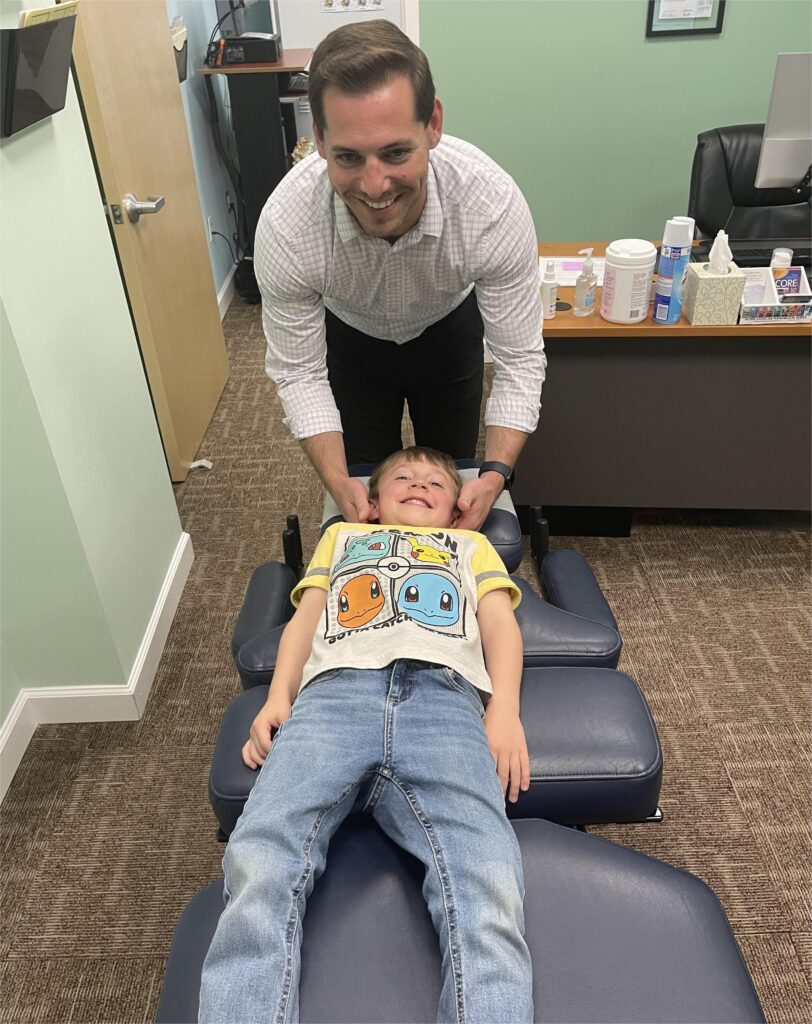
As a local chiropractor, I often see patients struggling with back pain, a common issue that can arise from poor posture and limited mobility. I want to emphasize the importance of incorporating essential stretches into your daily routine, as they can truly make a difference in your overall well-being. These stretches not only improve flexibility but also promote the health of your spine, which is crucial for preventing discomfort and pain.
Just dedicating a few minutes each day to these stretches can lead to significant relief. If you’re curious about which stretches can be most beneficial for you, let’s delve into some effective options together. By understanding and practicing these stretches, you can take proactive steps toward maintaining a healthy back and enhancing your quality of life.
The Importance of Stretching for Back Health
As a local chiropractor, I want to emphasize the crucial role that regular stretching plays in maintaining back health. Many of my patients are surprised to learn that stretching not only enhances flexibility but also significantly contributes to alleviating discomfort and pain associated with muscle tension and tightness.
By making stretching a part of your daily routine, you can promote better blood circulation, which aids in muscle recovery and optimal function.
Moreover, stretching is essential for strengthening your core muscles. A strong core provides better support for your spine, which translates to less strain on your back during everyday activities. This can dramatically reduce your risk of injury.
I often observe that patients who incorporate regular stretching into their lives report improvements in posture, making it easier for them to maintain proper alignment throughout the day.
Whether you’re sitting at a desk for long hours or engaging in physical activities, taking just a few minutes each day to stretch can yield significant benefits for your back health.
I encourage you to listen to your body and prioritize stretching as part of your wellness routine. By doing so, you’re investing in a healthier, pain-free future, and your body will certainly thank you for it!
Cat-Cow Stretch
As a local chiropractor dedicated to helping you achieve optimal health, I want to introduce you to the Cat-Cow Stretch—a wonderful technique to alleviate back pain and enhance your overall flexibility.
It’s important to understand the proper form to fully benefit from this stretch, so let’s break it down together.
Additionally, I’ll guide you on how frequently and how long you should incorporate this stretch into your routine for the best results.
Benefits of Cat-Cow
As a local chiropractor, I want to share with you the benefits of a simple yet powerful stretch known as the Cat-Cow. While many stretches can help ease back pain, the Cat-Cow stands out because it not only enhances flexibility but also strengthens your spine.
This dynamic movement encourages mobility in your vertebrae, which can lead to better alignment and a reduction in tension throughout your back. When you practice the Cat-Cow stretch, you transition between arching and rounding your back, which stimulates circulation in your back muscles.
This can help alleviate stiffness and improve your overall posture. Additionally, the stretch engages your core muscles, promoting stability throughout your entire torso, which is essential for a healthy back.
Incorporating the Cat-Cow stretch into your daily routine can be incredibly beneficial. It not only helps relieve discomfort but also fosters a greater mind-body connection.
You’ll become more aware of your breathing and movements, which is an important aspect of natural healing. By practicing this stretch regularly, you can work towards a healthier, more resilient back, ultimately reducing your risk of pain and injury.
I encourage you to give it a try and see how it can enhance your overall well-being.
Proper Technique Explained
As a local chiropractor, I want to help you understand the importance of maintaining a healthy spine and the benefits of incorporating stretches like the Cat-Cow into your routine. This stretch is an excellent way to improve flexibility and alleviate tension in your back, which can contribute to overall wellness.
To properly perform the Cat-Cow stretch, begin by positioning yourself on all fours. Make sure your wrists are directly beneath your shoulders and your knees are aligned under your hips. It’s crucial to engage your core and keep a neutral spine as you move through the stretch.
- Start by inhaling deeply. Arch your back while lifting your head and tailbone towards the ceiling to transition into the Cow position. This movement opens up your chest and encourages spinal extension.
- Then, exhale and round your back, tucking your chin and pelvis towards your chest to shift into the Cat position. This action allows for spinal flexion and helps release tension in your back.
- Flow smoothly between these two positions, ensuring your breath is synchronized with your movements. Inhale as you arch, and exhale as you round your back.
- Remember to keep your shoulders relaxed and drawn away from your ears. This will enhance the stretch and prevent unnecessary strain.
Focusing on the sensations in your spine during this exercise can help promote better spinal health and a deeper connection to your body.
Incorporating the Cat-Cow stretch into your daily routine can be a simple yet effective way to support your overall well-being. If you’re interested in more techniques to improve your health naturally, feel free to reach out for guidance!
Frequency and Duration
As a chiropractor, I often emphasize the importance of incorporating simple stretches like the Cat-Cow into your daily routine for optimal back health.
Even practicing this stretch just a couple of times a week—ideally 2 to 3 sessions—can make a significant difference. Hold each position for about 5 to 10 seconds. This short duration allows you not only to focus on your breathing but also to ensure proper alignment, which enhances the benefits of the stretch.
If you’re experiencing discomfort from sitting for long periods, consider doing the Cat-Cow stretch daily. It’s a great way to relieve tension and is easy to add into your morning routine or take breaks throughout your day.
Remember, consistency is crucial. Regular practice not only helps maintain flexibility and strength in your spine but also reduces the risk of back pain over time.
Make the Cat-Cow stretch a regular part of your self-care regimen, and you may notice a positive impact on your overall well-being!
Child’s Pose
As a chiropractor, I often recommend Child’s Pose to my patients seeking relief from back pain and a way to promote relaxation. This restorative stretch can be incredibly beneficial for your spine and overall well-being.
Here’s how to practice it effectively:
- Begin on your hands and knees, making sure your wrists are directly beneath your shoulders and your knees are aligned with your hips. This alignment is crucial for maintaining proper spinal health.
- As you exhale, gently lower your hips back toward your heels while extending your arms forward. This motion helps to elongate the spine and release any built-up tension.
- Rest your forehead on the mat, and you should feel a soothing stretch along your spine. This position encourages deep breathing, which is essential for reducing stress and promoting relaxation.
- Hold this pose for anywhere from 30 seconds to a minute, focusing on your breath and consciously releasing any tension in your back and shoulders.
- When you’re ready to come out of the pose, slowly lift your head and return to the starting position, taking care to maintain your spinal alignment.
Incorporating Child’s Pose into your routine can be a simple yet effective way to support your chiropractic care and enhance your body’s natural healing processes.
Seated Forward Bend
As a local chiropractor, I want to share with you the benefits of the Seated Forward Bend, a wonderful stretch that can help alleviate back pain and enhance your overall flexibility.
It’s important to approach this pose with the right technique and form to ensure you reap its full benefits. Many of my patients are new to chiropractic care and natural healing, so I’d like to highlight some common mistakes to avoid while practicing this stretch.
By focusing on proper alignment and mindful movement, you can practice safely and effectively, promoting not just flexibility but also a healthier spine.
Benefits of Seated Forward Bend
As a local chiropractor, I want to share with you the incredible benefits of incorporating the Seated Forward Bend into your wellness routine. This simple yet effective stretch can play a significant role in alleviating back pain and enhancing your overall well-being. Here’s why I recommend it to my patients:
- Increases flexibility: This stretch targets key areas such as the hamstrings, lower back, and hips, helping to improve your range of motion.
- Relieves tension: By stretching the spine and surrounding muscles, the Seated Forward Bend can help release built-up tension, promoting a sense of relief.
- Promotes relaxation: This pose not only stretches the body but also calms the mind, reducing stress levels and encouraging relaxation.
- Improves posture: Regular practice of this stretch helps to align the spine correctly, which is crucial for maintaining good posture.
- Stimulates circulation: The Seated Forward Bend encourages blood flow, enhancing nutrient delivery to your muscles and aiding in recovery.
Incorporating the Seated Forward Bend into your daily routine can provide lasting relief and improve your overall physical comfort.
I encourage you to give it a try and experience the positive changes it can bring to your body and mind!
Proper Technique and Form
As a chiropractor, I often emphasize the importance of proper technique and form in various stretches and exercises to promote optimal spinal health and overall well-being. One effective stretch I recommend is the Seated Forward Bend, which can help alleviate tension in the back and hamstrings.
To begin, find a comfortable spot on the floor and sit with your legs extended straight in front of you. It’s crucial to keep your back straight and engage your core muscles. Take a deep inhale, and as you exhale, hinge at your hips to gently reach forward, aiming to grasp your feet or shins.
Remember, maintaining a long spine is key; avoid rounding your back during this movement. If you find it challenging to reach your feet, don’t worry—go as far as you comfortably can. The goal is to feel a gentle stretch, not to force your body.
Hold this position for 15-30 seconds, breathing deeply to promote relaxation and enhance the benefits of the stretch. Focus on how the stretch feels in your back and hamstrings, and be mindful of your body and breath in this moment.
Incorporating stretches like the Seated Forward Bend into your routine can contribute to better posture and overall health, which is something we prioritize in chiropractic care.
Common Mistakes to Avoid
As a chiropractor, I often see individuals making common mistakes during the Seated Forward Bend that can’t only diminish its benefits but also lead to unnecessary strain on the body.
To help you get the most out of this important stretch, I’d like to share some key points to keep in mind:
- Maintain a Straight Back: Avoid rounding your back; instead, focus on keeping it straight to properly align your spine.
- Ease Into the Stretch: Rather than forcing your body downward, gently ease into the stretch to allow your muscles to relax and extend appropriately.
- Keep Your Knees Slightly Bent: Locking your knees can create tension; it’s best to maintain a slight bend to support your joints and prevent strain.
- Breathe Deeply: Holding your breath can create tension. Remember to breathe deeply and evenly throughout the stretch to enhance relaxation and effectiveness.
- Listen to Your Body: It’s crucial to tune into your body’s signals. If you feel pain, it’s important to ease out of the stretch rather than pushing through discomfort.
Spinal Twist
As a chiropractor, I often see patients who are surprised to learn that simple movements like twisting can be incredibly beneficial for relieving back pain. One of the stretches I recommend is the spinal twist, which is a fantastic way to increase flexibility and promote healing in your spine. This stretch aids in mobilizing your spine, enhancing blood circulation, and alleviating muscle tension.
To perform a spinal twist, you can start by sitting on the floor with your legs extended in front of you. Bend your right knee and position your right foot outside your left thigh. Gently rotate your torso to the right, utilizing your left elbow to press against your right knee for added support. Hold this position for about 20-30 seconds, and remember to breathe deeply, allowing your body to relax into the stretch.
After you’ve completed this side, return to the starting position and repeat the stretch on the left side. It’s important to maintain a straight spine during this exercise and to never force the twist beyond your comfort level.
Not only does this stretch help to alleviate tightness in your back, but it also enhances the overall function of your spine, making it a vital practice for anyone looking to prevent back pain and improve their overall health.
Incorporating spinal twists into your routine can be a simple yet effective way to support your body’s natural healing processes.
Standing Forward Bend
As a local chiropractor dedicated to helping you find relief from back pain, I want to introduce you to a beneficial stretch known as the Standing Forward Bend. This straightforward yet effective stretch can help lengthen your spine and alleviate tension in your back, making it a great addition to your wellness routine.
Here’s how to perform it:
- Begin by standing tall with your feet hip-width apart to establish a solid foundation.
- Take a deep breath in, raising your arms overhead to expand your chest.
- As you exhale, gently hinge at your hips and fold forward, allowing your upper body to move toward the ground.
- Let your head hang heavy, and if necessary, soften your knees to avoid straining your lower back.
- Hold this position for 20-30 seconds, and remember to breathe deeply throughout the stretch.
While doing the Standing Forward Bend, concentrate on relaxing your neck and shoulders. You should feel a gentle stretch along your hamstrings and lower back.
This stretch not only helps to relieve discomfort but also encourages better posture. I recommend incorporating it into your daily routine, especially after spending long hours sitting or standing.
Consistency is essential for preventing back pain and enhancing your overall flexibility. By embracing natural healing techniques like this, you can take significant steps toward improving your well-being and maintaining a healthy spine.
Knee-to-Chest Stretch
As a local chiropractor dedicated to helping you understand the benefits of natural healing, I want to introduce you to a simple yet effective technique for relieving lower back tension: the Knee-to-Chest Stretch. This stretch isn’t only easy to perform but can significantly help elongate your lower back and alleviate tightness that many of you may experience.
To do this stretch, begin by lying flat on your back with your knees bent and your feet resting comfortably on the floor. Gently pull one knee toward your chest, using both hands to grasp it. Hold this position for about 20 to 30 seconds, and focus on feeling the gentle stretch in your lower back and hips.
Afterward, switch to the other knee and repeat the process. For those seeking added benefits, consider pulling both knees to your chest simultaneously and holding this position for a similar duration.
It’s important to remember to breathe deeply throughout the stretch; this helps your body relax and enhances the effectiveness of the stretch. You should aim for a gentle pull in your muscles, rather than any pain.
Incorporating the Knee-to-Chest Stretch into your daily routine can be a fantastic way to maintain flexibility and potentially reduce the risk of back pain. As your chiropractor, I encourage you to explore these natural methods of healing and take proactive steps in caring for your spine and overall well-being.
Hip Flexor Stretch
As a local chiropractor, I often see patients suffering from back pain due to tight hip flexors.
It’s crucial to understand that these muscles can significantly impact your overall mobility and comfort. One effective way to alleviate this discomfort and enhance your flexibility is by incorporating hip flexor stretches into your routine.
Here’s how to perform the Hip Flexor Stretch:
- Begin in a lunge position, placing one foot forward while the other knee rests gently on the ground.
- Maintain an upright posture with your torso and engage your core muscles for stability.
- Gradually shift your weight forward, allowing yourself to feel a gentle stretch in the front of your hip.
- Hold this position for 20-30 seconds, ensuring to take deep breaths throughout.
- Switch sides and repeat the stretch.
This simple yet powerful stretch not only targets your hip flexors, but it also helps open up your hips, promoting better overall mobility.
By adding this stretch to your daily routine, you can help prevent back pain and improve your performance in everyday activities.
Conclusion
As your local chiropractor, I want to emphasize the importance of incorporating essential stretches into your daily routine to enhance your back health. Simple movements like the Cat-Cow and Seated Forward Bend can make a significant difference. By dedicating just a few minutes each day to these stretches, you’ll not only improve your flexibility but also relieve tension and support better posture. It’s important to be proactive about your back health—don’t wait for discomfort to set in. Start stretching today, and you’ll be on your way to a more active, pain-free lifestyle. Your back will truly appreciate the care you give it!