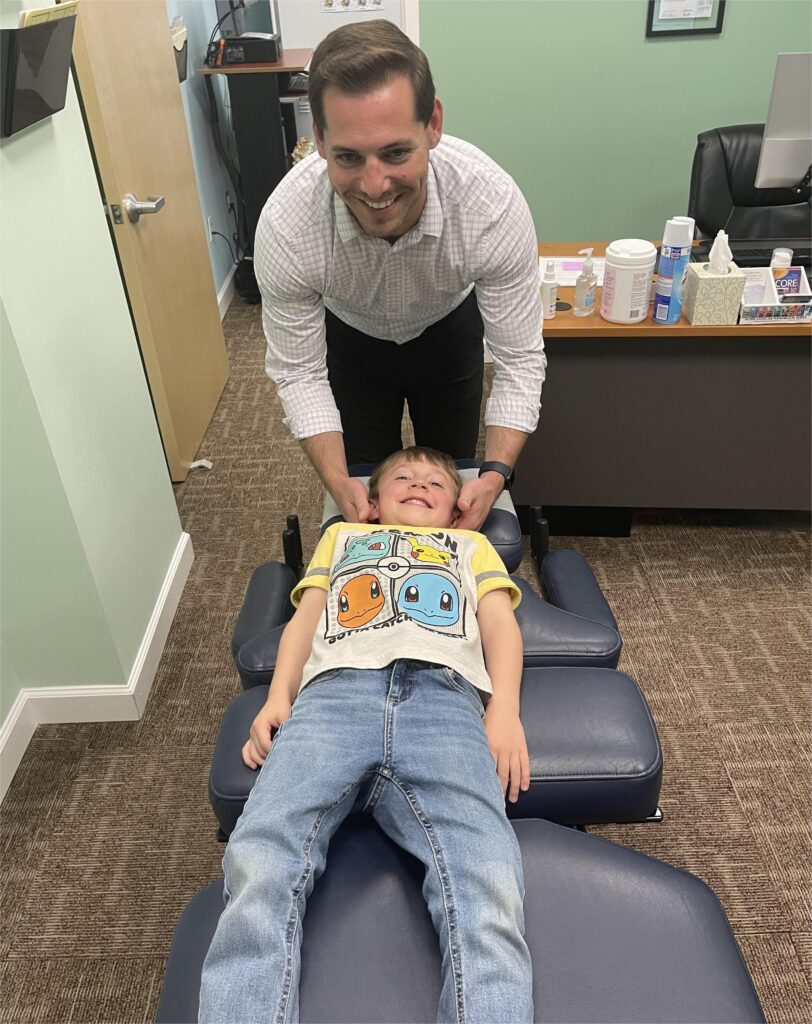
As a local chiropractor, I want to help you understand the vital role chiropractic adjustments can play in your recovery from a sports injury. Many people may not realize that these adjustments can do much more than simply relieve pain; they can also support your body’s natural healing process by restoring proper alignment and improving your mobility.
If you’re navigating the journey of rehabilitation, it’s important to consider a comprehensive approach that includes chiropractic care. By addressing misalignments in your spine and joints, we can enhance your body’s ability to heal itself. In addition to adjustments, there are various complementary elements we can explore together that can optimize your recovery.
I invite you to learn more about how chiropractic care can be a valuable part of your healing journey and help you return to the activities you love with greater ease and confidence.
Understanding the Healing Process
As a local chiropractor, I want to help you understand the healing process following a sports injury, which is crucial for achieving a full recovery. Your body undergoes several important stages during this time, starting with inflammation. This initial phase, lasting a few days, is when you may experience swelling and discomfort as your body begins to mobilize its natural healing resources to repair the affected area.
Following inflammation, we enter the repair phase. This crucial stage can last several weeks and is characterized by the formation of new tissue. During this time, you might notice a decrease in pain, but it’s essential to remain cautious to avoid re-injuring yourself.
This is where chiropractic care can be particularly beneficial, as we can guide you through appropriate movements and therapies to support your healing.
The final stage is the remodeling phase, which can last several months. During this time, your body works to strengthen the new tissue and restore function. It’s vital to listen to your body throughout all these stages.
Adequate rest and proper nutrition play a significant role in your recovery, and as your chiropractor, I can provide advice on how to optimize these aspects.
Remember, healing takes time, and it’s essential not to rush the process. By understanding these phases of recovery, you can set realistic goals and make informed decisions about your rehabilitation journey.
If you have any questions or need guidance, I’m here to help you navigate this path toward natural healing and optimal health.
Tailored Physical Therapy Techniques
As a local chiropractor, I want to share how tailored physical therapy techniques can play a crucial role in your recovery from sports injuries.
Unlike generic approaches, we create personalized rehabilitation programs that focus on your unique needs and goals. Through functional movement assessments, we can monitor your progress and make necessary adjustments along the way.
As you heal, we incorporate progressive strength training to help you regain your strength and confidence, ensuring that you not only recover but also enhance your overall physical performance.
Embracing chiropractic care and natural healing methods can significantly expedite your recovery journey and improve your well-being.
Personalized Rehabilitation Programs
As a local chiropractor, I want to emphasize the importance of personalized rehabilitation programs in your recovery from sports injuries. These programs are specifically designed to meet your unique needs and circumstances, which is essential for effective healing.
By assessing your injury type, fitness level, and personal goals, we can create a tailored plan that not only promotes recovery but also enhances your athletic performance.
Typically, these programs incorporate a combination of strength training, flexibility exercises, and functional movements that are relevant to your specific sport. Throughout your rehabilitation, I’ll closely monitor your progress and make necessary adjustments to your regimen.
This ensures that you’re appropriately challenged without the risk of overexertion.
This individualized approach is beneficial not just for accelerating your recovery, but also for preventing future injuries by addressing any underlying issues that may have contributed to your current condition.
Functional Movement Assessments
As a local chiropractor, I want to emphasize the importance of functional movement assessments in your journey toward recovery from sports injuries. These assessments are crucial for understanding how your body moves and identifying any imbalances or weaknesses that may impede your healing process.
By carefully analyzing your movement patterns, I can uncover specific limitations and create a tailored rehabilitation plan that addresses your individual needs. This personalized approach ensures that we aren’t merely addressing the symptoms of your injury, but instead focusing on the root causes.
Regular assessments not only help in tracking your progress but also allow for necessary adjustments to your treatment as you improve. Ultimately, gaining insight into your functional movement is vital for enhancing your recovery and reducing the risk of future injuries.
With chiropractic care and natural healing methods, we can work together to restore your body’s balance and promote long-term health.
Progressive Strength Training
As you embark on your recovery journey from a sports injury, I want to share how progressive strength training can be a vital part of your rehabilitation process. This approach involves gradually increasing the resistance and intensity of your exercises, which helps your muscles adapt and grow stronger over time.
Initially, it’s important to start with lighter weights or even bodyweight exercises. This allows you to build a solid foundation without putting undue stress on your body. As you become more confident and regain your strength, you can slowly increase the load.
Pay special attention to the key muscle groups related to your injury, ensuring that you develop strength evenly and prevent any further issues.
It’s crucial to listen to your body during this process. If something doesn’t feel right, don’t hesitate to adjust your training.
A personalized strength training plan not only supports your recovery but also prepares you for a safe return to your sport, significantly reducing the risk of future injuries.
The Role of Nutrition in Recovery
As a local chiropractor, I want to emphasize the vital role that nutrition plays in your recovery from a sports injury. While many of you may be focusing on physical therapy and adequate rest, it’s crucial to recognize that what you put into your body can greatly influence your healing process. Proper nutrition can’t only speed up recovery but also help reduce inflammation, which is key to getting back to your favorite activities.
Protein should be at the forefront of your recovery diet. It’s essential for repairing tissues and building muscle, so incorporating sources like lean meats, fish, legumes, and dairy can significantly support your healing journey.
Don’t underestimate the power of healthy fats found in foods like avocados and nuts; they can help combat inflammation as well. Carbohydrates are important too, as they provide the energy necessary for your physical therapy sessions and your daily life.
Hydration is another critical aspect of recovery. Staying well-hydrated ensures that nutrients are effectively transported to your cells, aiding in the healing process.
Additionally, consider the importance of vitamins and minerals—vitamin C is vital for collagen production, while zinc plays a key role in supporting your immune system.
Mental Strategies for Injury Rehabilitation
As your local chiropractor, I want to emphasize the importance of your mindset during your recovery from an injury. Your mental approach can significantly influence your healing process.
By incorporating techniques such as visualization, where you imagine your body healing and regaining strength, you can create a positive impact on your recovery.
Engaging in positive self-talk is also crucial; encouraging yourself and acknowledging your progress can boost your confidence and motivation.
Additionally, setting realistic and achievable goals will help you stay focused and track your improvements along the way.
These mental strategies, combined with chiropractic care, can greatly enhance your rehabilitation journey, allowing you to heal naturally and regain your confidence in your body’s abilities.
Let’s work together to incorporate these techniques into your recovery plan!
Visualization Techniques for Healing
As a local chiropractor, I want to share with you the powerful role that visualization techniques can play in your recovery from sports injuries. These techniques can significantly enhance both your physical healing and mental resilience. By visualizing yourself fully healed and performing at your peak, you activate the brain pathways that support recovery.
Imagine the specific movements you need to regain — picture yourself executing them flawlessly. This mental rehearsal not only boosts your motivation but also strengthens your determination to heal. It’s about fostering a strong mind-body connection, which is integral to chiropractic care.
Take a moment each day to find a quiet space, close your eyes, and immerse yourself in these positive images. Visualize the healing process: picture your body mending and becoming stronger. This practice not only helps to cultivate a sense of control over your recovery but can also accelerate your healing journey.
Incorporating visualization into your recovery plan, alongside chiropractic adjustments and natural healing methods, can provide a holistic approach to overcoming your injuries.
Together, we can work towards your optimal recovery and overall well-being.
Positive Self-Talk Practices
As a local chiropractor, I want to emphasize the importance of cultivating a positive mindset in your recovery from sports injuries. Your mental and emotional resilience plays a crucial role in the healing process, and positive self-talk can be a powerful tool to enhance your recovery journey.
It’s essential to replace any negative thoughts with uplifting affirmations. For example, if you catch yourself thinking, “I’ll never recover,” shift that mindset to something more constructive, like, “I’m making progress every day.” This simple change can significantly impact your confidence and motivation.
During challenging moments, it’s vital to speak kindly to yourself. Acknowledge your feelings but also focus on your strengths and the progress you’re making.
Visualization can help, too; picture yourself successfully recovering, which reinforces your belief in overcoming obstacles.
Surround yourself with supportive individuals who uplift your spirits and promote positive conversations.
Setting Realistic Recovery Goals
As your local chiropractor, I want to emphasize the importance of setting realistic recovery goals as part of your natural healing journey. It’s crucial for maintaining focus and motivation as we work together to restore your health.
To begin, let’s break down your overall recovery into smaller, achievable milestones. This might involve gradually improving your range of motion, building strength, or enhancing your endurance.
When we set these goals, we’ll make sure they’re specific, measurable, attainable, relevant, and time-bound—what we call SMART goals. This structured approach helps us track your progress effectively.
I encourage you to regularly check in on your achievements and be open to adjusting your goals as your body responds to treatment. Celebrating those small victories is vital; they can significantly boost your morale and reinforce your commitment to the healing process.
It’s important to remember that recovery is rarely a straight line. Setbacks can occur, and that’s perfectly normal.
By establishing realistic goals, we can keep your expectations in check and minimize frustration. This approach allows you to maintain a positive mindset, which is essential for effective healing.
Together, we can navigate your recovery journey and work towards achieving lasting wellness through chiropractic care and natural healing practices.
Importance of Rest and Sleep
As a local Chiropractor, I want to emphasize the importance of rest and sleep in your recovery from sports injuries. Many people may not realize how crucial these elements are for healing, so let’s break it down.
Your body is a remarkable machine that needs time to repair itself after an injury. When you skimp on quality sleep, you might be hindering your recovery process. Here are some key reasons why prioritizing rest is essential:
- Cell Repair: During sleep, your body works hard to repair damaged tissues and muscles. This is when the healing magic happens!
- Pain Management: Getting enough rest can significantly reduce pain and inflammation, making your recovery feel more manageable.
- Mental Clarity: Quality sleep enhances your focus and mental resilience, which is crucial when you’re going through rehabilitation. A clear mind helps you stick to your recovery plan.
- Hormonal Balance: Sleep plays a key role in regulating hormones that are vital for healing and muscle growth. Without proper rest, this balance can be disrupted.
- Stress Reduction: Adequate sleep helps lower stress levels, which can have a positive impact on your overall recovery journey.
As you explore natural healing methods, remember that promoting good sleep habits and taking the time to rest can greatly enhance your recovery from sports injuries.
If you have questions about how chiropractic care can support your healing process, feel free to ask!
Incorporating Cross-Training for Strengthening
As a local chiropractor, I want to emphasize the importance of incorporating cross-training into your recovery regimen, especially if you’re healing from a sports injury. This approach can significantly enhance your strength and overall performance. By engaging in a variety of exercises, you can target different muscle groups, which helps to lower the risk of re-injury.
When selecting activities, consider those that complement your primary sport. Options like swimming, cycling, or yoga can be incredibly beneficial, as they build endurance and flexibility while minimizing stress on your injured area. These low-impact exercises allow your body to maintain fitness levels during the healing process.
It’s essential to remember that recovery isn’t just physical; it also involves mental well-being. Staying engaged in training through cross-training can keep your spirits high and motivate you throughout your rehabilitation.
Always listen to your body as you progress. Adjust your cross-training activities according to your comfort level and recovery milestones. Gradually increase the intensity and duration of your workouts to support your recovery journey effectively.
Embracing cross-training can significantly impact your rehabilitation success and boost your future performance in your chosen sport. If you have any questions or need guidance on how to get started, please feel free to reach out. Your health and recovery are our top priority!
Utilizing Technology in Recovery
As your local chiropractor, I want to share how integrating technology into your recovery can significantly enhance your rehabilitation journey. Many patients aren’t familiar with the various ways tech tools can support natural healing, so let’s explore some effective options together:
- Wearable Devices: These gadgets can help you keep track of your activity levels and vital signs in real-time, allowing you to monitor your progress and stay motivated.
- Mobile Apps: There are numerous apps available that provide personalized rehabilitation exercises specifically tailored to your needs, helping you stay on track with your recovery.
- Telehealth: With telehealth services, you can connect with healthcare professionals, including chiropractors, from the comfort of your own home, making it easier to receive guidance and support.
- Virtual Reality: This innovative technology can offer immersive therapy sessions that help improve your mobility and coordination, making your recovery more engaging and effective.
- Cold and Heat Therapy Devices: Utilizing smart devices designed for cold and heat therapy can provide targeted pain relief and reduce inflammation, supporting your healing process.
Setting Realistic Goals and Timelines
As a local chiropractor, I want to help you understand how to gauge whether your recovery is progressing as it should. One of the most important aspects of healing is setting realistic goals and timelines.
To begin, it’s crucial to assess the severity of your injury and recognize how your body heals naturally. Instead of fixating on a quick return to full activity, let’s break down your recovery into smaller, achievable milestones.
For instance, rather than aiming to jump back into your sport within a week, we can focus on regaining your range of motion or gradually rebuilding your strength.
I encourage open communication with me throughout your recovery process. Together, we can create a personalized timeline that takes into account your specific circumstances.
It’s also vital to remain adaptable; healing is often not a straight path. If you experience any setbacks, don’t be disheartened—it’s perfectly normal. We can adjust your goals as needed.
Remember to celebrate the small victories along your healing journey. Each step forward is a testament to your progress and will help you stay motivated.
Building a Support System for Recovery
As you embark on your healing journey, it’s essential to build a robust support system that can significantly enhance your recovery experience. Surrounding yourself with knowledgeable and supportive individuals can provide the encouragement and practical assistance you need. Here are some key elements to consider:
- Family and Friends: Rely on loved ones who can offer emotional support and companionship. Their understanding can be invaluable during your recovery process.
- Chiropractors: As a local chiropractor, I can provide tailored advice and treatment to help alleviate pain and promote healing. Regular adjustments can play a vital role in your recovery, ensuring that your body is aligned and functioning optimally.
- Medical Professionals: It’s important to stay connected with your healthcare team, including your chiropractor, for ongoing guidance on your rehabilitation and progress.
- Support Groups: Consider joining local or online communities where individuals share similar experiences. These groups can provide a sense of camaraderie and understanding, which can be incredibly beneficial.
- Mental Health Support: If you’re experiencing anxiety or frustration throughout your healing process, consulting with a therapist can help you navigate these feelings and maintain a positive mindset.
By building a supportive network and incorporating chiropractic care into your recovery, you’ll find your path to healing smoother and more achievable.
Conclusion
As a local chiropractor, I want to share how chiropractic adjustments can significantly enhance your recovery from sports injuries. Many people aren’t aware that these adjustments help improve spinal alignment, alleviate pain, and boost your overall mobility. By incorporating chiropractic care into your recovery plan, you can facilitate a faster and more effective healing process.
It’s important to remember that chiropractic adjustments work best when combined with a tailored rehabilitation program, nutritious eating, and mental strategies for recovery. This holistic approach not only aids in your healing but also prepares you to return to your sport with renewed strength and resilience.
If you’re new to chiropractic care, I encourage you to explore how it can support your journey to recovery. With the right guidance and a commitment to your healing process, you can overcome your injury and come back even stronger. Let’s work together to ensure you achieve the best possible outcomes for your health and athletic performance.