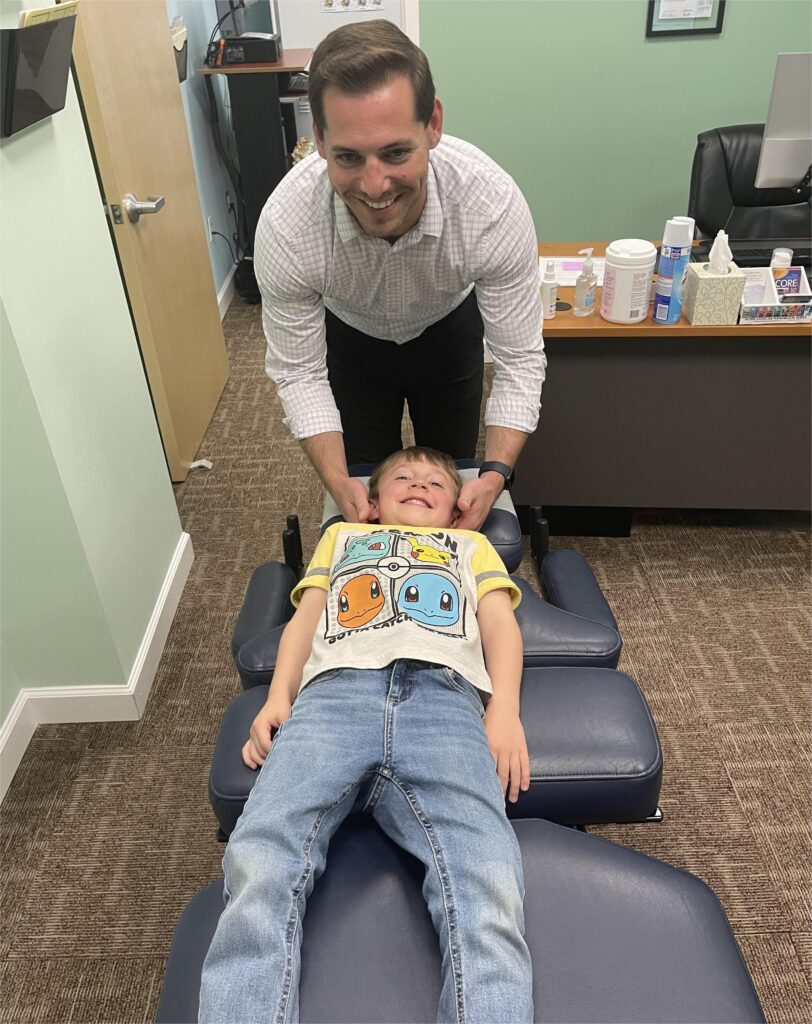
As a local chiropractor, I understand that dealing with chronic pain can often feel overwhelming. It's important to recognize that effective relief may come from a combination of medical treatments, alternative therapies, and lifestyle changes. Here in our practice, we focus on holistic approaches that prioritize your overall well-being.
Chiropractic care, for instance, offers a natural way to manage pain through spinal adjustments and other techniques that aim to restore proper alignment and function to your body. This can work alongside over-the-counter medications and other therapies like acupuncture to provide comprehensive relief.
What's crucial is finding the right combination of solutions that fits your unique situation. As you begin to explore chiropractic care and its benefits, you may uncover new insights that can transform your approach to pain management. What if the lasting relief you've been seeking is closer than you think? I invite you to take the first step towards a healthier, pain-free life by considering the natural healing options available through chiropractic care.
Understanding Chronic Pain
Chronic pain can often feel like an unyielding burden, impacting every facet of your life. As a chiropractor, I see many patients who wake up each day apprehensive about the discomfort that awaits them. This constant pain can sap your energy and diminish your enthusiasm for even the simplest daily tasks.
It's crucial to understand that chronic pain goes beyond mere physical sensations; it can significantly affect your emotional health, relationships, and job performance.
When you're dealing with chronic pain, it's essential to recognize that it isn't just a symptom of an underlying issue; it can evolve into a condition of its own. This type of pain can linger for months or years, often stemming from injuries, illnesses, or nerve damage. Many patients also report that their pain can vary in intensity, sometimes worsening during stressful times or after physical activity.
By acknowledging the complex nature of chronic pain, we can work together to develop effective management strategies. Remember, it's not only about addressing the physical discomfort; there are psychological components at play as well, including anxiety and depression, which can further amplify your pain.
I encourage you to consider how your thoughts and emotions may be intertwined with your physical experience, as this understanding can be a vital part of your healing journey.
As your chiropractor, I'm here to guide you through natural healing methods that can alleviate pain and improve your overall well-being. Together, we can explore holistic approaches to help you reclaim your life from chronic pain.
Medications and Their Benefits
As a chiropractor dedicated to helping you manage chronic pain, I want to emphasize the importance of a holistic approach that encompasses not just medications but also natural healing methods. While medications can provide temporary relief, exploring alternative options is key to achieving long-term well-being.
Over-the-counter (OTC) medications, such as nonsteroidal anti-inflammatory drugs (NSAIDs) like ibuprofen and naproxen, are common choices for many individuals. They can help reduce inflammation and alleviate pain, making them useful for conditions such as arthritis or muscle strain. However, it's important to recognize that relying solely on these medications may not address the underlying issues causing your pain.
For those who find that OTC options fall short, prescription medications may be considered. Stronger pain relievers, including opioids, can be effective for severe discomfort but come with risks, including dependence. It's crucial to have open conversations with your healthcare provider about your pain management plan and to explore all available options, including chiropractic care.
Chiropractic adjustments can play a vital role in relieving pain by addressing misalignments in the spine and promoting optimal function throughout the body. Additionally, certain medications, such as antidepressants and anticonvulsants, may be prescribed for specific types of pain, like nerve pain.
However, I encourage patients to consider natural therapies, such as physical therapy, massage, and acupuncture, which can complement medication and provide lasting relief. Topical treatments, like lidocaine patches or capsaicin cream, can offer localized relief without the systemic side effects often associated with oral medications.
However, I advocate for a comprehensive approach that includes lifestyle changes, exercise, and nutrition, which can all contribute to your overall health and pain management. Before starting any medication regimen, I encourage you to consult with your healthcare provider and consider incorporating chiropractic care into your pain management strategy.
Together, we can create a personalized plan that balances effective treatments with natural healing, helping you achieve a better quality of life and a path toward recovery.
Physical Therapy Techniques
When it comes to achieving effective pain relief, chiropractic care offers a holistic approach that can significantly enhance your recovery journey. Our techniques focus on alleviating discomfort, improving mobility, and promoting overall wellness through natural healing methods.
By collaborating with a qualified chiropractor, you can develop a personalized care plan tailored to your unique needs. Here are four key techniques you may encounter in chiropractic practice:
- Spinal Manipulation: This hands-on technique involves adjusting the spine to restore proper alignment and function. By using precise movements, I can help alleviate pain, reduce tension, and improve your overall range of motion.
- Rehabilitative Exercises: Strengthening the muscles supporting your spine and joints is crucial for stability and pain relief. I'll guide you through specific exercises designed to gradually build strength and enhance your functional abilities, leading to better overall health.
- Stretching Techniques: Flexibility is vital for reducing pain and preventing future injuries. I'll introduce you to targeted stretching routines aimed at improving your range of motion and relieving tightness in your muscles.
- Therapeutic Modalities: In addition to hands-on techniques, we often incorporate various therapeutic modalities, such as heat, cold, or electrical stimulation. These methods can effectively reduce inflammation, relieve pain, and promote healing in the affected areas.
By integrating these chiropractic techniques into your treatment plan, you can experience significant improvements in your pain levels and overall quality of life.
If you're curious about how chiropractic care can benefit you, don't hesitate to reach out for a consultation. Together, we can navigate your path to natural healing and wellness.
Alternative Therapies to Consider
As a local chiropractor dedicated to your well-being, I want to introduce you to a variety of alternative therapies that can complement traditional chiropractic care. These approaches not only aim to alleviate your chronic pain but also empower you to take charge of your health journey.
One effective option to consider is acupuncture. This ancient technique involves the careful placement of thin needles at specific points on your body, which can stimulate natural healing processes and reduce pain. Many of my patients have found acupuncture helpful for conditions such as back pain and migraines.
Another valuable therapy is massage therapy. Regular massages can significantly decrease muscle tension, enhance circulation, and promote deep relaxation. Depending on your preferences, whether you opt for deep tissue, Swedish, or another massage style, a skilled massage therapist can customize the treatment to address your unique needs.
Herbal remedies are also worth exploring. Certain herbs, like turmeric and willow bark, are known for their anti-inflammatory properties and may assist in pain relief. However, it's important to consult with a healthcare professional before adding any new supplements to your regimen to ensure they're safe and effective for you.
I also encourage you to consider mindfulness and meditation practices. These techniques can help you cultivate a healthier relationship with your pain by fostering relaxation and reducing stress. Many individuals report that focusing on their breath or engaging in guided meditations leads to meaningful improvements in their pain experiences.
Lastly, yoga offers a comprehensive approach to pain management. By integrating physical postures, breathing exercises, and meditation, yoga can improve your flexibility, strength, and mental resilience.
I invite you to explore these alternative therapies and discover what resonates with you; they may hold the key to finding the relief you seek. As your chiropractor, I'm here to support you on this journey to better health through both traditional and alternative methods.
Lifestyle Changes for Relief
As a local chiropractor, I want to share how making intentional lifestyle changes can significantly aid your journey toward relieving chronic pain. By embracing healthier habits, you not only enhance your overall health but also create a supportive environment for effective pain management.
Here are four essential changes I recommend to help alleviate chronic pain:
- Regular Exercise: Engaging in low-impact activities like walking, swimming, or yoga is crucial. These activities not only increase your strength and flexibility but also help reduce stiffness. I suggest aiming for at least 30 minutes of moderate exercise most days. Remember, movement is key to maintaining a healthy spine and overall body function.
- Balanced Diet: Your diet plays a vital role in managing pain. Focus on consuming anti-inflammatory foods, including plenty of fruits, vegetables, whole grains, and healthy fats. It's also important to minimize processed foods and sugars, as these can contribute to inflammation and discomfort. A well-nourished body can better cope with pain.
- Adequate Sleep: Quality sleep is essential for recovery and pain management. Poor sleep can worsen pain symptoms, so I encourage you to prioritize getting restful sleep. Establishing a calming bedtime routine, creating a comfortable sleep environment, and aiming for 7-9 hours of uninterrupted sleep each night can make a significant difference.
- Stress Management: Chronic stress can heighten your perception of pain. Incorporating relaxation techniques such as meditation, deep breathing exercises, or mindfulness practices can help lower your stress levels. As your chiropractor, I often emphasize the importance of a holistic approach to health, and managing stress is a key component.
By integrating these lifestyle changes into your routine, you can support not only your chiropractic care but also your overall well-being.
Together, we can work towards a healthier, pain-free life!
Conclusion
As a local chiropractor, I want to emphasize that managing chronic pain is best approached through a holistic lens. It's essential to explore various strategies that can work in harmony with each other. Partnering with healthcare professionals, including chiropractors, allows you to create a personalized plan that may involve spinal adjustments, physical therapy, and even complementary therapies like acupuncture or massage.
Equally important are the lifestyle changes you can make to support your healing journey. Incorporating a balanced diet and engaging in regular exercise can have a significant impact on your overall well-being and pain relief. Remember, discovering the right combination of treatments takes time and patience, but with dedication and the right natural tools, you can enhance your quality of life and find relief from chronic pain. I'm here to guide you every step of the way!