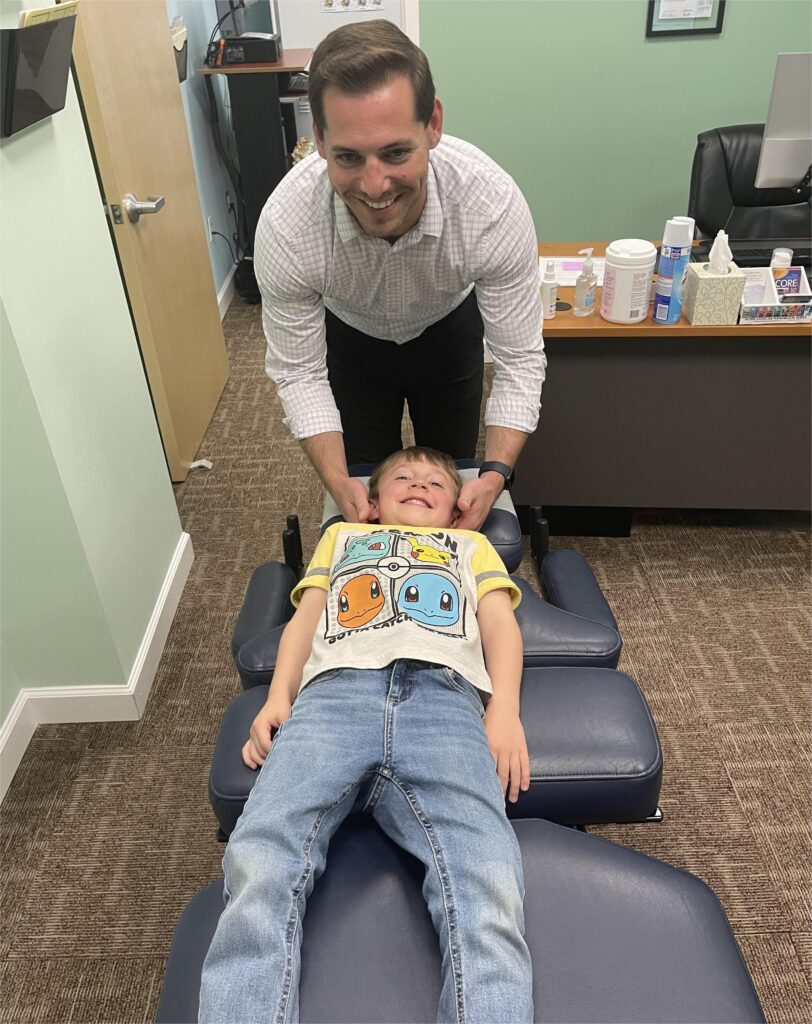
If you've ever dealt with neck pain, you understand how it can interfere with your everyday activities. As a local chiropractor, I want to highlight the importance of finding effective relief, and there are numerous natural methods to consider. Gentle stretching exercises can significantly alleviate tension, and incorporating physical therapy can provide additional support for recovery.
It's also vital to recognize the influence of posture and ergonomic adjustments in your workspace. These changes can make a world of difference in how your neck feels throughout the day. By understanding how these methods align with your specific needs and circumstances, you can discover the most effective solutions for your neck pain. Let's take a closer look at these options together, as they can help you regain both comfort and mobility in your life.
Understanding Neck Injuries
As a local chiropractor, I want to help you understand neck injuries and how we can address them through natural healing methods. Neck injuries can range widely in severity; while some may only cause minor discomfort, others can lead to significant pain and mobility challenges. It's important to recognize the different types of neck injuries to effectively manage and treat them.
Common injuries you might encounter include strains, sprains, and more serious conditions like herniated discs or fractures. Strains occur when the muscles or tendons in your neck stretch or tear, often due to sudden movements or overexertion. Sprains, on the other hand, involve the ligaments that connect bones to one another and can arise from similar causes.
Symptoms of neck injuries can vary, often presenting as stiffness, swelling, or radiating pain that travels down the arms. If you experience tingling or numbness, it's crucial to pay attention, as these signs may indicate nerve involvement. You might also notice a restricted range of motion, which can make daily activities more difficult.
Common causes of neck injuries include whiplash from car accidents, falls, and impacts from sports. Additionally, poor posture—especially from prolonged computer use or excessive mobile device usage—can contribute to chronic neck pain.
As your chiropractor, I emphasize the importance of recognizing the root cause of your neck injury. Understanding what led to your discomfort allows us to take proactive steps in addressing the issue. While some injuries may heal naturally over time, others may benefit from professional evaluation and treatment. If you suspect a serious injury, I encourage you to seek medical attention promptly.
Rest and Recovery Techniques
As a local chiropractor, I want to emphasize the importance of rest when you're recovering from a neck injury. Allowing your body the time it needs to heal is crucial.
In addition to rest, gentle stretching exercises can be incredibly beneficial in alleviating discomfort and improving mobility. I also recommend incorporating alternating heat and cold therapy into your routine; this can help reduce inflammation and promote healing.
Importance of Rest
As a local chiropractor, I want to emphasize just how crucial rest is when it comes to recovering from a neck injury. Many people underestimate this aspect of healing, but it plays a vital role in your recovery journey. When your neck is injured, your body requires time to heal, and resting is essential for your muscles and tissues to recuperate properly. This downtime helps reduce inflammation and protects against any further damage.
It's important to give yourself permission to take breaks from your everyday activities and to avoid any strenuous movements during this time. Pay close attention to your body's signals—if you're experiencing discomfort or pain, that's a clear indication that you need to slow down and take it easy.
A practical approach is to create a schedule that incorporates regular rest periods throughout your day. This might involve taking short breaks or even setting aside entire days dedicated to relaxation.
Furthermore, don't overlook the importance of quality sleep in your healing process. A good night's rest is imperative for recovery, so it's beneficial to cultivate an environment that encourages restorative sleep. Make sure to use pillows that provide proper neck support and choose a mattress that's comfortable for you.
#
Gentle Stretching Exercises
As a local chiropractor, I want to share how incorporating gentle stretching exercises into your recovery routine can be incredibly beneficial for alleviating neck pain and enhancing your overall mobility.
These simple stretches not only help improve blood circulation but also reduce stiffness and promote relaxation in your neck muscles. By dedicating just a few minutes each day to these exercises, you can experience significant relief and regain your full range of motion.
Here are some gentle stretches I recommend:
- Neck Tilts: Take a moment to slowly tilt your head to one side, bringing your ear toward your shoulder. Hold this position for a few seconds, then switch sides. This stretch is excellent for releasing tension and enhancing flexibility in your neck.
- Chin Tucks: Whether you're sitting or standing, gently tuck your chin in, creating a double chin effect. Hold for a few seconds. This exercise is effective for strengthening your neck muscles and improving your posture, which is vital for overall spinal health.
- Shoulder Rolls: Another great way to relieve tension is by rolling your shoulders forward and then backward in a circular motion. This not only relaxes your neck but also alleviates tightness in your upper back.
I encourage you to perform these stretches slowly and mindfully. Pay close attention to how your body feels; if you experience any discomfort, it's important to stop immediately.
With regular practice, these gentle stretches can significantly contribute to your recovery journey and enhance your well-being. Remember, natural healing is a process, and I'm here to support you every step of the way.
Heat and Cold Therapy
As a local chiropractor, I want to share valuable insights on how heat and cold therapy can significantly aid in managing neck injuries and facilitating recovery. These two methods provide distinct advantages that can help ease your discomfort and promote healing.
When you apply heat to your neck, it enhances blood circulation, which helps to relax tight muscles and alleviate stiffness. You might consider using a heating pad, wrapping a warm towel around your neck, or enjoying a warm shower.
Just remember, moderation is key—keeping the heat on for about 15 to 20 minutes is ideal. This duration allows you to enjoy the benefits without the risk of burns.
Conversely, cold therapy is incredibly effective for reducing inflammation and numbing sharp pain. Applying ice packs or cold compresses to the affected area can constrict blood vessels, leading to decreased swelling.
Aim to use cold therapy for about 10 to 15 minutes at a time, and make sure to allow your skin to return to its normal temperature before applying it again.
Incorporating these therapies into your routine can be a simple yet powerful step towards recovery. If you have any questions or need guidance on how to implement these techniques effectively, don't hesitate to reach out.
Your healing journey is important, and I'm here to support you every step of the way.
Ice and Heat Therapy
As a local chiropractor dedicated to your well-being, I want to share some valuable insights about ice and heat therapy, especially when it comes to relieving neck injuries and alleviating pain. Understanding when to use each method is crucial for maximizing their benefits.
Ice therapy is particularly effective during the initial stages of an injury. It works wonders by reducing swelling and numbing sharp pain, providing you with some much-needed relief. I recommend applying an ice pack wrapped in a cloth to the affected area for about 15-20 minutes at a time. Just be sure to give your skin a break between applications to prevent any frostbite.
Once the swelling has subsided, heat therapy becomes your best ally. It promotes blood flow, which helps relax tense muscles and soothe discomfort. A warm towel or a heating pad can be incredibly beneficial for easing that tightness in your neck. Always monitor the temperature to avoid burns—your safety is my priority.
In addition to the physical benefits, using these therapies can also lead to emotional relief. The soothing warmth or cooling sensation can significantly ease stress and anxiety. You'll likely find improved mobility, allowing you to move your neck without wincing in pain.
Ultimately, restoring function means getting back to your daily activities, which can feel incredibly liberating.
As your chiropractor, I encourage you to incorporate these therapies into your recovery routine. Let's work together towards achieving optimal health and wellness!
## Gentle Stretching Exercises
As a local chiropractor, I want to share the benefits of gentle stretching exercises for improving neck flexibility and reducing tension.
These exercises aren't just about movement; they play a crucial role in your overall health and wellness. By incorporating specific muscle release techniques, you can effectively alleviate discomfort while enhancing your range of motion.
Let's take a look at some simple yet powerful stretches that can significantly aid in your recovery and promote better neck health.
Embracing these practices can lead to a more comfortable and active lifestyle, helping you to feel your best every day.
Neck Flexibility Exercises
As your local chiropractor, I understand that when your neck feels tight, it can be tempting to avoid stretching. However, I want to emphasize the importance of incorporating neck flexibility exercises into your daily routine. These gentle stretches aren't only effective in improving your range of motion, but they can also help alleviate discomfort and tension in your neck.
By performing these exercises regularly, you can promote better blood flow to the affected areas, reduce stiffness, and ultimately enhance your overall well-being. In fact, dedicating just a few minutes each day to focused stretching can lead to significant improvements in how you feel.
Here are a few simple neck flexibility exercises that I recommend:
- Neck Tilts: Begin by slowly tilting your head towards one shoulder. Hold this position for 15-30 seconds, allowing the muscles to relax, and then switch to the other side.
- Chin Tucks: This exercise is great for aligning your spine. Gently tuck your chin towards your chest, hold for a few seconds, and then repeat several times. This movement helps to strengthen the muscles that support your neck.
- Side-to-Side Turns: Slowly turn your head to the right and hold for a few seconds. Then, switch to the left side. This exercise can help improve your neck's rotation and flexibility.
Targeted Muscle Release Techniques
As a local chiropractor, I want to share some valuable insights about enhancing your neck health through targeted muscle release techniques. Many of my patients are surprised to learn that in addition to neck flexibility exercises, these techniques can play a crucial role in relieving discomfort and improving mobility.
Let's start by discussing gentle stretching exercises that focus on relieving tension in the muscles that support your neck. For instance, find a comfortable seated position and slowly tilt your head to one side, bringing your ear toward your shoulder. Hold this stretch for 15-30 seconds, and you should feel a gentle pull along the opposite side of your neck. Don't forget to repeat this on the other side.
Another effective exercise is the chin tuck. Sit upright and gently pull your chin back, creating a double chin effect. Hold for a few seconds, and then relax. This simple movement not only helps strengthen your neck muscles but also promotes better alignment, which is essential for overall neck health.
If you encounter tight spots in your neck, you can use your fingers to apply gentle pressure. Identify any tender areas and massage them in small circular motions. This targeted approach helps release tension and improves blood flow to the area, facilitating healing.
I recommend incorporating these techniques into your routine a few times a week. Many of my patients have experienced significant improvements in their neck health and overall well-being.
Physical Therapy Options
As a local chiropractor, I want to share the importance of chiropractic care in addressing neck injuries and enhancing mobility. If you're dealing with neck pain, a customized chiropractic treatment plan can significantly aid your recovery. By concentrating on specific adjustments and therapeutic techniques, we can help strengthen the muscles surrounding your neck, increase flexibility, and alleviate pain.
In our sessions, I'll conduct a thorough assessment of your condition and create a personalized treatment strategy tailored to your unique needs. This may involve spinal adjustments, soft tissue therapy, and rehabilitative exercises designed to ease discomfort and promote healing.
You'll also learn how to perform exercises that target essential muscle groups, which can help prevent future injuries and maintain your well-being.
Here are some emotional benefits of engaging in chiropractic care for neck injuries:
- Regain Your Independence: You'll be able to perform daily tasks with ease, free from pain.
- Boost Your Confidence: As you notice improvements in your condition, you'll feel more empowered and in control of your health.
- Enhance Your Quality of Life: You'll rediscover the joy of participating in hobbies and activities that you love, reducing feelings of frustration and isolation.
My goal as your chiropractor is to help you understand the benefits of natural healing and empower you on your path to recovery.
Posture Correction Strategies
As a local chiropractor, I want to share some essential posture correction strategies that can help alleviate neck pain.
It's important to create an ergonomic workspace that promotes proper alignment, which can significantly reduce strain on your neck.
Additionally, being mindful of your sitting posture throughout the day is crucial; take breaks to stretch and adjust your position regularly.
Strengthening your neck muscles through targeted exercises can also play a vital role in supporting your spine and reducing discomfort.
By implementing these changes into your daily routine, you can foster a healthier neck and overall well-being.
Ergonomic Workspace Setup
As a local chiropractor, I want to emphasize the importance of creating an ergonomic workspace to reduce neck strain and enhance your overall comfort while you work. Many people are unaware that the way they set up their work environment can significantly impact their health and well-being.
To start, make sure your chair is adjusted so that your feet rest flat on the floor, and your knees form a 90-degree angle. This simple adjustment can prevent unnecessary strain on your back. Additionally, your monitor should be positioned at eye level. This prevents you from looking down or craning your neck, which can lead to discomfort over time.
I also recommend using a chair with good lumbar support to maintain proper spinal alignment.
Here are a few key elements to consider:
- Comfort: An ergonomically designed workspace can make long hours feel less tiring and more manageable.
- Productivity: When you're comfortable, your focus and engagement in tasks improve, leading to greater efficiency.
- Health: By investing in your workspace, you can prevent chronic pain and promote long-term wellness, which is a core principle of chiropractic care.
It's also crucial to position your keyboard and mouse close enough so that your wrists remain straight and relaxed during use. Making these adjustments not only helps alleviate current neck pain but also serves as a preventive measure against future injuries.
Remember, small changes today can lead to significant improvements in your daily work experience. Prioritizing your comfort and health by designing a workspace that supports your body is vital.
If you have any questions about ergonomic setups or how chiropractic care can assist you in achieving better health, feel free to reach out to me. Your well-being is my priority!
Mindful Sitting Practices
As a local chiropractor, I want to share some important mindful sitting practices that can greatly enhance your comfort and overall well-being throughout the day. Many people don't realize how much our sitting posture can impact our health, especially our neck and spine.
First and foremost, it's crucial to pay attention to your posture while seated. Keep your back straight and your shoulders relaxed—try to avoid hunching over, as this can lead to discomfort and tension. Make sure your feet are resting flat on the ground and your knees are at about a 90-degree angle. If you find that your chair is too high, a footrest can help you maintain proper alignment.
I recommend taking regular breaks to stand up, stretch, and move around. Setting a timer to remind yourself to shift positions every 30 minutes can be a game-changer. This small adjustment can help prevent stiffness and alleviate neck tension.
When you sit, aim to align your ears with your shoulders; this alignment is essential for distributing your weight evenly and minimizing strain on your neck. Additionally, engaging your core muscles while sitting can provide vital support for your spine and improve your posture.
I also encourage you to incorporate mindfulness techniques into your day. Take a moment to check in with your body and notice any tension or discomfort. If you feel any discomfort, don't hesitate to adjust your position accordingly.
Strengthening Neck Muscles
As a local chiropractor, I want to share the importance of strengthening your neck muscles for better posture and overall comfort. Many people experience neck strain and chronic pain due to poor posture, but with the right exercises, you can create a solid foundation for improved alignment and wellness.
Focusing on the muscles that support your neck is crucial. Strong neck muscles can help alleviate tension and enhance your overall well-being. Here are some effective strategies that I recommend incorporating into your daily routine:
- Neck Tilts: Start by gently tilting your head from side to side. This simple motion not only increases flexibility but also strengthens the neck muscles.
- Shoulder Shrugs: Raise your shoulders toward your ears and then relax them back down. This exercise helps to relieve tension and strengthen the surrounding muscles, contributing to a more relaxed neck.
- Resistance Exercises: You can perform this by placing your hand on your forehead and gently pushing against it while resisting the motion with your neck muscles. This will help build strength and stability in the neck area.
By incorporating these exercises into your routine, you can take an active role in your neck health.
Remember, chiropractic care focuses on natural healing and improving your body's alignment, so strengthening your neck muscles is a vital part of maintaining a healthy spine and reducing discomfort.
If you have any questions or need guidance on these exercises, feel free to reach out. I'm here to help you achieve your wellness goals!
Over-the-Counter Pain Relief
When it comes to recovering from neck injuries, understanding how to manage pain effectively is crucial for your healing journey. As a local chiropractor, I want to educate you on the role of over-the-counter (OTC) pain relief options in your recovery process. These medications are readily available and can provide quick relief without needing a prescription.
Common OTC options include nonsteroidal anti-inflammatory drugs (NSAIDs) such as ibuprofen and naproxen. These medications are often recommended for neck pain because they not only help alleviate pain but also reduce inflammation, which is frequently a significant source of discomfort.
It's important to follow the dosage instructions on the label carefully. If you're ever uncertain about what's best for you, please feel free to reach out to me or another healthcare provider for personalized guidance.
Another effective pain relief option is acetaminophen. This medication is well-known for managing mild to moderate pain and is usually gentler on the stomach compared to NSAIDs. However, keep in mind that acetaminophen doesn't tackle inflammation, so it may be more suitable for certain types of pain.
Always check for any potential interactions with other medications you may be taking.
If you prefer a more localized approach, topical creams or gels containing ingredients like menthol or capsaicin can be beneficial. Applying these products directly to the affected area can provide relief without the systemic side effects associated with oral medications.
Just be sure to do a patch test on a small area of skin first to ensure you don't have an allergic reaction.
Incorporating OTC pain relief into your neck injury recovery plan can be effective, but it's essential to monitor your symptoms closely. If you find that your pain persists or worsens, please don't hesitate to seek professional medical advice.
As your chiropractor, I'm here to support you through natural healing methods and to discuss additional strategies for recovery that may complement your pain relief efforts.
Alternative Treatments Overview
As a local chiropractor, I want to share insights about alternative treatments for neck injuries that can lead to effective relief and recovery. Many patients come to me feeling frustrated with conventional methods that haven't provided the comfort they hoped for.
If you're seeking options beyond over-the-counter pain relief, there are several natural therapies that can make a significant difference in your healing process.
- Chiropractic Care: One of the most effective approaches is chiropractic care, which focuses on realigning the spine and relieving tension in the neck. With personalized treatment plans tailored to your specific needs, chiropractic adjustments can help restore mobility and alleviate pain without the use of medication.
- Acupuncture: Another alternative you might consider is acupuncture. This ancient practice involves inserting fine needles at specific points on your body to promote natural healing and pain relief. While the idea of needles may seem intimidating, many patients report feeling relaxed during the session and experiencing significant relief afterward.
- Massage Therapy: Additionally, massage therapy can be incredibly beneficial for neck injuries. A skilled massage therapist can target the muscles in your neck, easing tension and enhancing circulation. Just think about how soothing it would be to have the discomfort of tight muscles melt away under their expert touch.
These alternative treatments not only help relieve pain but also empower you to take an active role in your recovery.
It's important to approach these options with an open mind; what works for one person may not work for another. However, many of my patients find that incorporating these therapies into their recovery plan significantly enhances their overall well-being.
As you explore these possibilities, remember to listen to your body and choose the methods that resonate with you. Your journey toward relief is filled with various options, and I'm here to help guide you through them.
When to Seek Medical Help
As a local chiropractor, I want to emphasize the importance of recognizing when to seek medical help for a neck injury. Your body has a unique way of signaling that something isn't right, and understanding these signals can be crucial for your healing process.
If you're experiencing severe neck pain that doesn't improve with rest or common over-the-counter pain relievers, it's essential to consult a healthcare professional, like a chiropractor. Persistent discomfort may indicate an underlying issue that requires specialized attention and care.
Keep an eye out for numbness or tingling sensations in your arms or hands. These symptoms can suggest potential nerve involvement, and getting early intervention is key to preventing further complications.
Similarly, if you notice weakness in your arms or have trouble gripping objects, it's important to seek an evaluation promptly.
If your neck injury occurred after a fall, accident, or any significant impact, I urge you to seek immediate medical attention. There could be a fracture or other serious complications that need urgent care.
Additionally, be aware of other warning signs, such as headaches that feel different than usual, dizziness, or changes in your vision. These could indicate a serious condition that requires a thorough assessment.
Lastly, if your neck pain is accompanied by fever, swelling, or redness, don't overlook these signs. They could point to an infection or other systemic issues that need to be addressed quickly.
Always trust your instincts—if something doesn't feel right, it's better to err on the side of caution. Your health is paramount, and timely intervention, whether through chiropractic care or medical assistance, can significantly influence your recovery journey.
Preventing Future Injuries
As a local chiropractor, I want to emphasize the importance of not just addressing any immediate concerns related to your neck injury, but also taking proactive steps to prevent future injuries. It's crucial to avoid the cycle of pain, and being proactive can make a significant difference in your overall health and well-being.
First, let's talk about daily habits. Often, it's the small adjustments we make that can lead to substantial improvements in our posture and spinal health. Maintaining good posture is one of the most effective ways to protect your neck. Whether you're sitting at a desk, using your phone, or engaging in leisure activities, keeping your head aligned with your spine is essential.
Investing in ergonomic furniture can provide the necessary support, and I encourage you to take regular breaks to stretch and move around—this can greatly reduce tension and strain.
Strengthening the muscles around your neck and shoulders is another key component of injury prevention. Incorporating specific exercises into your routine can help build strength and flexibility, which are vital for maintaining a healthy neck. Simple stretches can alleviate tension and enhance your range of motion.
It's also important to be mindful of your activities. If you participate in high-impact sports or lift heavy objects, make sure you're using proper techniques to avoid injury. Always remember to warm up before engaging in physical activities and cool down afterward to protect your neck.
I understand that the journey to recovery and prevention can be daunting, but consider these motivating factors:
- The fear of chronic pain: Living with persistent discomfort is a concern for many, and I want to help you avoid that fate.
- The desire for a full, active life: Everyone deserves to enjoy life without limitations, and taking these preventive measures can help you achieve that.
- The need for peace of mind: Knowing you're actively working to protect your neck and overall health can significantly reduce anxiety and enhance your quality of life.
Let's work together to ensure you stay healthy and pain-free!
Conclusion
As your local chiropractor, I want to emphasize the importance of finding relief from neck injuries through a holistic approach. It's essential to incorporate rest, gentle stretching, and maintaining proper posture into your daily routine. Utilizing ice and heat therapy can effectively soothe discomfort and reduce inflammation, while tailored recovery plans through physical therapy can help you regain strength and mobility.
In addition, there are over-the-counter pain relief options available that can assist in managing your pain effectively. However, it's crucial to remember that preventative measures are just as significant in avoiding future injuries. If you find that your pain persists or worsens, I encourage you to reach out for professional help. Your neck health is paramount, and there are natural healing methods available to support your recovery. Together, we can work towards a healthier, pain-free lifestyle!