If you or someone you love has been diagnosed with scoliosis, you’re probably wondering what can be done about it. The word “scoliosis” can sound intimidating, especially if you’re picturing painful surgeries or bulky back braces. But here’s some good news: for many people with scoliosis, especially those with mild to moderate curves, conservative care like chiropractic treatment can make a meaningful difference in comfort, function, and quality of life. Here in Brick Township, NJ, many patients come to ShoreLife Chiropractic & Wellness asking exactly this question: “What do chiropractors do to treat scoliosis?” In this article, we’ll walk you through what scoliosis actually is, how it affects the body, and the practical, non-invasive ways chiropractors approach this condition. Whether you’re dealing with scoliosis yourself or helping a loved one navigate their options, our goal is to give you clear, factual information so you can make confident decisions about your care.
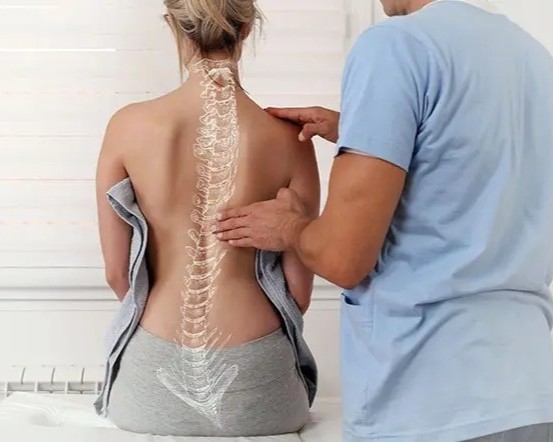
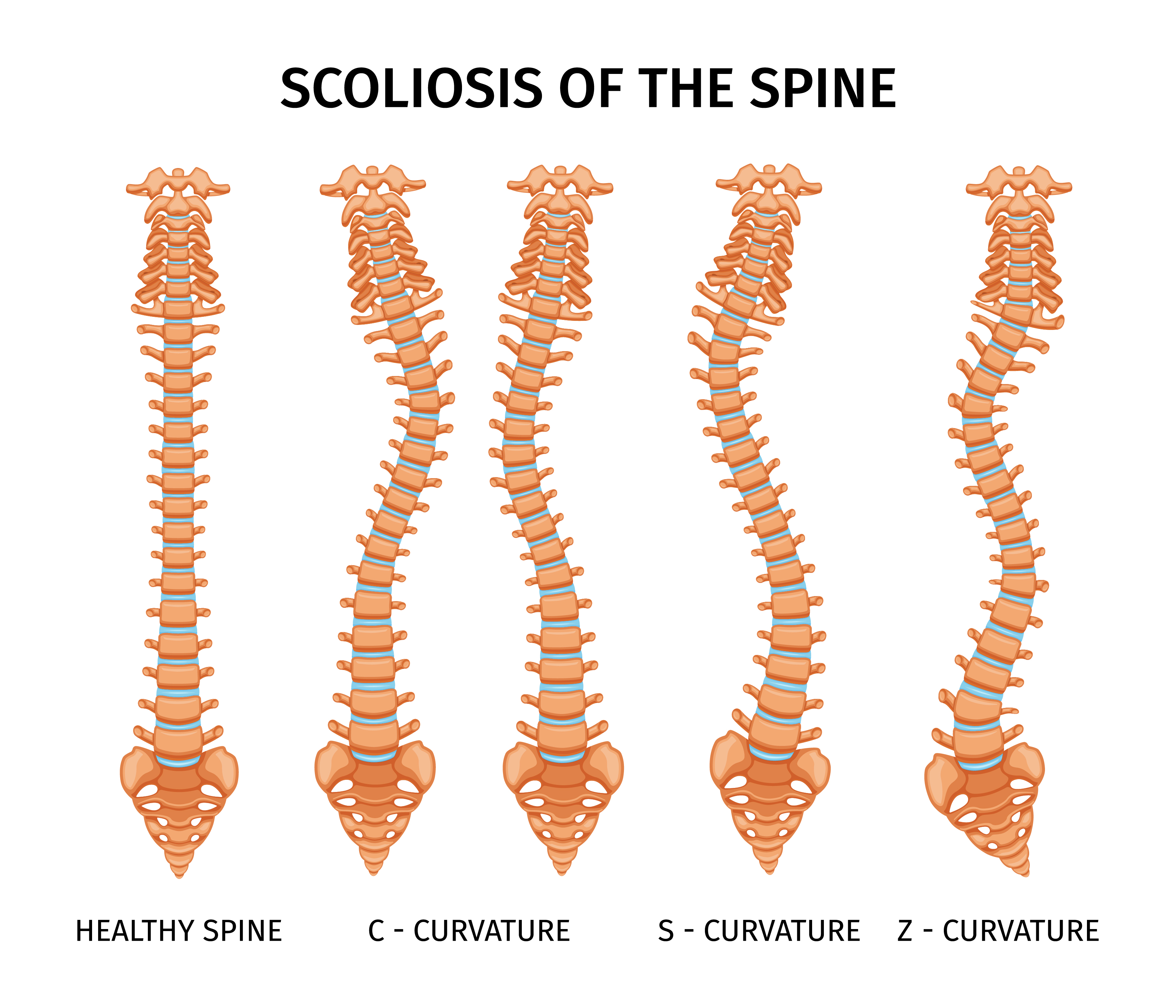
What is scoliosis? Scoliosis is a sideways curvature of the spine that typically develops during growth spurts before puberty, though it can also appear in adults. Instead of running straight down the middle of the back, a scoliotic spine curves to the left or right, often forming a “C” or “S” shape when viewed from behind.
Table of Contents
- Understanding Scoliosis: What It Is and What Causes It
- Types of Scoliosis
- Signs and Symptoms of Scoliosis
- How Chiropractors Approach Scoliosis Care
- What Scoliosis Treatment Looks Like at ShoreLife Chiropractic & Wellness
- Exercises and Lifestyle Modifications That Help
- When to See a Chiropractor for Scoliosis
- Myths vs. Facts About Chiropractic and Scoliosis
- Final Thoughts
Understanding Scoliosis: What It Is and What Causes It
Scoliosis isn’t just poor posture or slouching. It’s an actual structural change in the shape of the spine. The vertebrae may rotate slightly as the curve develops, which is why someone with scoliosis might have one shoulder blade that sticks out more than the other, or hips that appear uneven.
Most cases of scoliosis are labeled “idiopathic,” which simply means the exact cause isn’t known. Idiopathic scoliosis typically shows up during adolescence, between ages 10 and 15. It’s more common in girls than boys, and it tends to run in families.
Other potential causes include congenital factors (present at birth), neuromuscular conditions (like cerebral palsy or muscular dystrophy), degenerative changes in adults, or injuries and trauma. In adults, degenerative scoliosis develops gradually as the discs and joints in the spine wear down over time, causing the spine to shift out of alignment.
Understanding what’s causing the curve helps determine the best approach to care. For adolescents, the focus is often on monitoring growth and preventing progression. For adults, the goal is usually managing discomfort, maintaining mobility, and supporting overall spinal health.
Types of Scoliosis
Not all scoliosis is the same. The type of scoliosis a person has can influence how it’s managed and what outcomes to expect. Here are the main types:
Idiopathic Scoliosis
This is the most common type, accounting for about 80% of cases. It typically appears during adolescence and has no clear underlying cause. The curve may be mild and require only monitoring, or it may progress and need more active intervention.
Congenital Scoliosis
This type is present at birth and results from abnormal spinal development in the womb. These cases are less common and often require medical management early on.
Neuromuscular Scoliosis
This develops as a result of conditions that affect the nerves and muscles, such as cerebral palsy, spina bifida, or muscular dystrophy. These curves tend to be more severe and may progress more rapidly.
Degenerative (Adult) Scoliosis
This type develops later in life as the spine’s discs, joints, and ligaments wear down with age. It’s more common in people over 50 and often comes with other age-related spinal changes like arthritis.
Signs and Symptoms of Scoliosis
Many people with mild scoliosis have no symptoms at all, especially in the early stages. The curve is often discovered during a routine school screening or a checkup. But as the curve progresses or in cases of adult scoliosis, symptoms can develop.
Common signs include uneven shoulders, one shoulder blade that protrudes more than the other, an uneven waist, or one hip that sits higher than the other. When bending forward, one side of the back may appear higher than the other—a sign called a rib hump.
Some people experience back pain or stiffness, especially adults with degenerative scoliosis. Muscle fatigue is common because the body has to work harder to maintain balance and posture. In more severe cases, the curve can affect breathing or organ function, though this is rare.
It’s important to note that scoliosis doesn’t always cause pain, particularly in younger patients. But even without pain, monitoring and appropriate care can help prevent complications down the road.
How Chiropractors Approach Scoliosis Care
So, what do chiropractors actually do to treat scoliosis? The short answer: chiropractors focus on improving spinal alignment, mobility, and function while reducing discomfort and supporting the body’s natural ability to adapt and heal. It’s important to understand that chiropractic care doesn’t “cure” scoliosis or reverse a structural curve, but it can help manage symptoms, improve quality of life, and in some cases, slow progression—especially when combined with other supportive therapies.
Here’s what a chiropractic approach to scoliosis typically involves:
Comprehensive Assessment
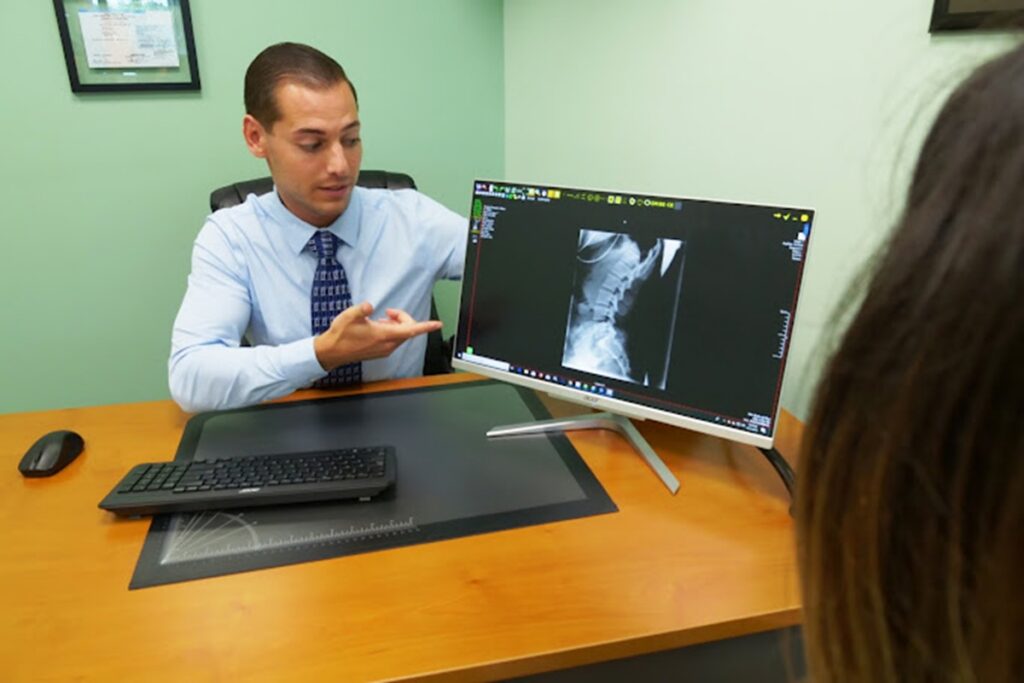
Before beginning care, a thorough evaluation is essential. At ShoreLife Chiropractic & Wellness, Dr. Brett Tave starts by reviewing your health history, discussing your symptoms, and performing a detailed physical exam. This may include postural analysis, range of motion testing, and neurological checks. X-rays are often used to measure the degree of curvature (expressed in degrees using the Cobb angle) and to understand the specific shape and location of the curve.
Spinal Adjustments
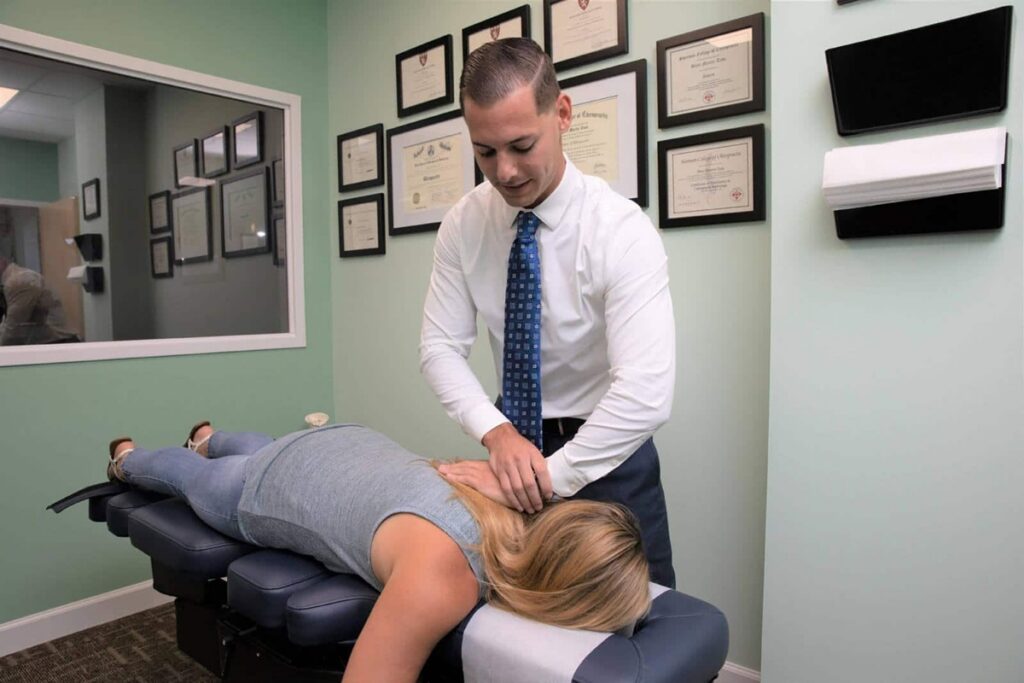
Chiropractic adjustments are gentle, targeted movements designed to improve spinal alignment and restore proper joint function. For scoliosis patients, adjustments focus on areas where the spine is misaligned or restricted. The goal isn’t to forcefully straighten the spine, but to reduce tension, improve mobility, and support better overall alignment. Over time, this can help ease discomfort and improve how the body moves and functions.
Soft Tissue Therapies
Muscle imbalances are common in scoliosis. Some muscles become tight and overworked, while others weaken. Chiropractors may use soft tissue techniques like massage, myofascial release, or trigger point therapy to relax tense muscles and improve circulation. These therapies complement adjustments and help the body respond better to care.
Corrective Exercises and Rehabilitation
Exercise is a cornerstone of scoliosis management. Chiropractors often prescribe specific exercises designed to strengthen weak muscles, stretch tight areas, and improve core stability. These exercises are tailored to each patient’s curve pattern and functional needs. Consistent exercise can help slow curve progression in adolescents and reduce pain in adults.
Postural Training and Ergonomic Advice
How you sit, stand, and move throughout the day matters. Chiropractors provide practical guidance on posture, ergonomics, and body mechanics to reduce strain on the spine. This might include adjusting your workspace, changing how you carry a backpack, or learning better sleeping positions.
Lifestyle and Wellness Counseling
Chiropractic care takes a whole-person approach. That means looking at nutrition, activity levels, stress management, and overall wellness habits. Supporting your body’s health from multiple angles gives it the best chance to function optimally, even with a spinal curve.
What Scoliosis Treatment Looks Like at ShoreLife Chiropractic & Wellness
If you’re considering chiropractic care for scoliosis here in Brick Township, NJ, it helps to know what to expect. At ShoreLife Chiropractic & Wellness, Dr. Brett Tave takes an individualized, patient-centered approach to every case of scoliosis.
Your first visit will involve a comprehensive consultation and exam. Dr. Tave will take time to understand your concerns, your symptoms, and your goals. If imaging is needed, it will be reviewed carefully to assess the curve and rule out any red flags. Based on the findings, a personalized care plan is developed that may include spinal adjustments, therapeutic exercises, soft tissue work, and lifestyle recommendations.
For adolescents, the focus is often on monitoring growth, supporting healthy spinal development, and preventing progression. For adults, the emphasis shifts to pain relief, maintaining mobility, and improving function so you can stay active and comfortable.
Care is typically delivered over a series of visits. Frequency depends on the severity of the curve, your symptoms, and your body’s response to treatment. Some patients see improvement within a few weeks, while others benefit from ongoing supportive care.
What sets chiropractic apart is the emphasis on non-invasive, drug-free care that works with your body’s natural healing abilities. There are no surgeries, no medications, and no one-size-fits-all protocols. Every plan is tailored to you.

Exercises and Lifestyle Modifications That Help
Exercise plays a critical role in managing scoliosis. While chiropractic adjustments help restore mobility and alignment, exercises help strengthen the muscles that support the spine and prevent further imbalance. Here are some practical tips and exercise strategies that can make a real difference:
Core Strengthening
A strong core stabilizes the spine and reduces strain on the back muscles. Exercises like planks, bird dogs, and pelvic tilts can build core endurance without aggravating the curve. Avoid exercises that hyperextend the spine or create excessive twisting.
Stretching Tight Muscles
Scoliosis often causes muscle tightness on one side of the body. Gentle stretching of the hip flexors, hamstrings, and lower back can improve flexibility and reduce discomfort. Yoga and Pilates, when done under proper guidance, can also be helpful.
Postural Awareness
Pay attention to how you sit and stand throughout the day. Avoid slouching or leaning to one side. Use lumbar support when sitting for long periods. Keep your shoulders level and your weight evenly distributed on both feet when standing.
Activity Modifications
Stay active, but choose low-impact activities that don’t jar the spine. Swimming, walking, and cycling are excellent options. Avoid heavy lifting or repetitive twisting motions that could strain the back.
Sleep Positioning
Sleep on your back or side with proper pillow support. A pillow between the knees when side-sleeping can help keep the spine aligned. Avoid sleeping on your stomach, which can twist the neck and lower back.
Backpack Safety for Kids
If you have a child with scoliosis, make sure their backpack isn’t too heavy and that they wear it on both shoulders. Uneven weight distribution can worsen muscle imbalances and increase discomfort.
| Helpful Habits | Habits to Avoid |
|---|---|
| Strengthening your core regularly | Slouching for long periods |
| Stretching tight muscles daily | Carrying heavy bags on one shoulder |
| Sleeping with proper spinal support | Sleeping on your stomach |
| Using ergonomic furniture and setups | Ignoring pain or discomfort |
| Staying active with low-impact exercise | Avoiding movement altogether |
When to See a Chiropractor for Scoliosis
Not everyone with scoliosis needs immediate treatment, but certain signs suggest it’s time to seek professional care. If you or your child has been diagnosed with scoliosis, even a mild curve, it’s worth having a chiropractic evaluation to establish a baseline and discuss monitoring or care options.
You should definitely consider seeing a chiropractor if you’re experiencing back pain, stiffness, or muscle fatigue related to your curve. If you notice that the curve seems to be getting worse, or if one shoulder or hip appears more uneven than before, it’s time to check in.
For adolescents, early intervention during growth spurts can be especially valuable. Curves have a greater chance of progressing during periods of rapid growth, so regular monitoring and proactive care can help prevent more serious complications later.
Adults with degenerative scoliosis should seek care if they’re dealing with chronic pain, difficulty standing or walking for long periods, or a noticeable decline in mobility or quality of life.
It’s also important to recognize red flags that may require medical referral. Severe or rapidly worsening pain, numbness or tingling in the legs, difficulty breathing, or loss of bowel or bladder control are signs that warrant immediate medical attention. These symptoms are rare but serious, and your chiropractor will know when to refer you to the appropriate specialist.
Myths vs. Facts About Chiropractic and Scoliosis
Myth: Chiropractors Can Cure Scoliosis
Fact: Chiropractic care cannot cure or completely reverse a structural scoliotic curve. However, it can help manage symptoms, improve function, support better alignment, and in some cases, slow progression—especially when combined with exercises and lifestyle changes.
Myth: Chiropractic Adjustments Are Dangerous for People with Scoliosis
Fact: When performed by a trained, licensed chiropractor, adjustments are safe for people with scoliosis. Care is tailored to each patient’s specific curve pattern and tolerance. Gentle, targeted techniques are used to avoid unnecessary stress on the spine.
Myth: You Have to Get Adjusted Forever
Fact: The length and frequency of care depend on your individual needs and goals. Some patients benefit from a short course of treatment focused on symptom relief, while others choose ongoing wellness care to maintain mobility and comfort. There’s no one-size-fits-all timeline.
Myth: Scoliosis Always Gets Worse Over Time
Fact: Not all scoliosis curves progress. Many mild curves remain stable throughout life. Factors like age, curve severity, and skeletal maturity influence whether a curve will worsen. Proactive care and monitoring can help manage progression risk.
Myth: Chiropractic Care Is Only for Adults
Fact: Chiropractors treat patients of all ages, including children and adolescents with scoliosis. Pediatric adjustments are gentle and age-appropriate. Early intervention during growth years can be particularly beneficial for managing scoliosis in young patients.
Final Thoughts
Living with scoliosis doesn’t mean you’re stuck with pain, limited mobility, or a declining quality of life. While scoliosis is a structural condition that requires ongoing attention, conservative care like chiropractic treatment offers a safe, effective way to manage symptoms, improve function, and support your spine’s health over the long term. Whether you’re dealing with adolescent idiopathic scoliosis or adult degenerative curves, the focus is always on helping your body move better, feel better, and adapt to the changes in your spine.
Here in Brick Township, NJ, Dr. Brett Tave and the team at ShoreLife Chiropractic & Wellness are committed to providing compassionate, evidence-based care for patients with scoliosis. Every case is unique, and every care plan is tailored to meet your specific needs and goals. If you have questions about scoliosis or want to explore your care options, we’re here to help. You don’t have to navigate this alone—reaching out is the first step toward feeling more in control of your health and your future.
Frequently Asked Questions
Can chiropractic care prevent scoliosis from getting worse?
While chiropractic care cannot guarantee that a curve will not progress, research suggests that a combination of adjustments, corrective exercises, and lifestyle modifications may help slow progression in some cases, particularly in adolescents. Regular monitoring and proactive care are key.
How often do I need to see a chiropractor for scoliosis?
The frequency of visits depends on the severity of your curve, your symptoms, and your body’s response to care. Initially, you may need visits one to three times per week. As you improve, visits typically become less frequent. Dr. Brett Tave will develop a personalized schedule based on your needs.
Is chiropractic care safe for children with scoliosis?
Yes. Chiropractic care for children is gentle, age-appropriate, and safe when performed by a qualified chiropractor. Pediatric adjustments use very light pressure and are tailored to the child’s size, comfort level, and specific condition.
Will I still need to wear a brace if I see a chiropractor?
Bracing decisions are typically made by an orthopedic specialist based on the severity and progression risk of the curve. Chiropractic care can complement brace treatment by improving comfort, mobility, and muscle balance. If bracing is recommended, your chiropractor will work alongside your medical team.
Can adults with scoliosis benefit from chiropractic care?
Absolutely. Many adults with degenerative scoliosis experience significant relief from pain, improved mobility, and better quality of life with chiropractic care. The focus is on managing symptoms, maintaining function, and supporting overall spinal health as you age.
What’s the difference between chiropractic care and physical therapy for scoliosis?
Both approaches can be beneficial and often overlap. Chiropractic care emphasizes spinal alignment, joint function, and nervous system health through adjustments and holistic wellness strategies. Physical therapy focuses more on exercise, movement patterns, and functional rehabilitation. Many patients benefit from a combination of both.
TL;DR: Key Takeaways
- Scoliosis is a sideways curvature of the spine that can cause uneven shoulders, hips, and back discomfort, though many cases are mild and cause no symptoms.
- Chiropractors treat scoliosis with spinal adjustments, corrective exercises, soft tissue therapy, postural training, and lifestyle modifications to improve function and reduce discomfort.
- Chiropractic care doesn’t cure scoliosis, but it can help manage symptoms, support alignment, and in some cases slow progression—especially in growing adolescents.
- Early intervention and regular monitoring are important, particularly during growth spurts, to catch changes early and provide proactive care.
- At ShoreLife Chiropractic & Wellness in Brick Township, NJ, Dr. Brett Tave provides individualized, safe, and effective care for patients of all ages with scoliosis.