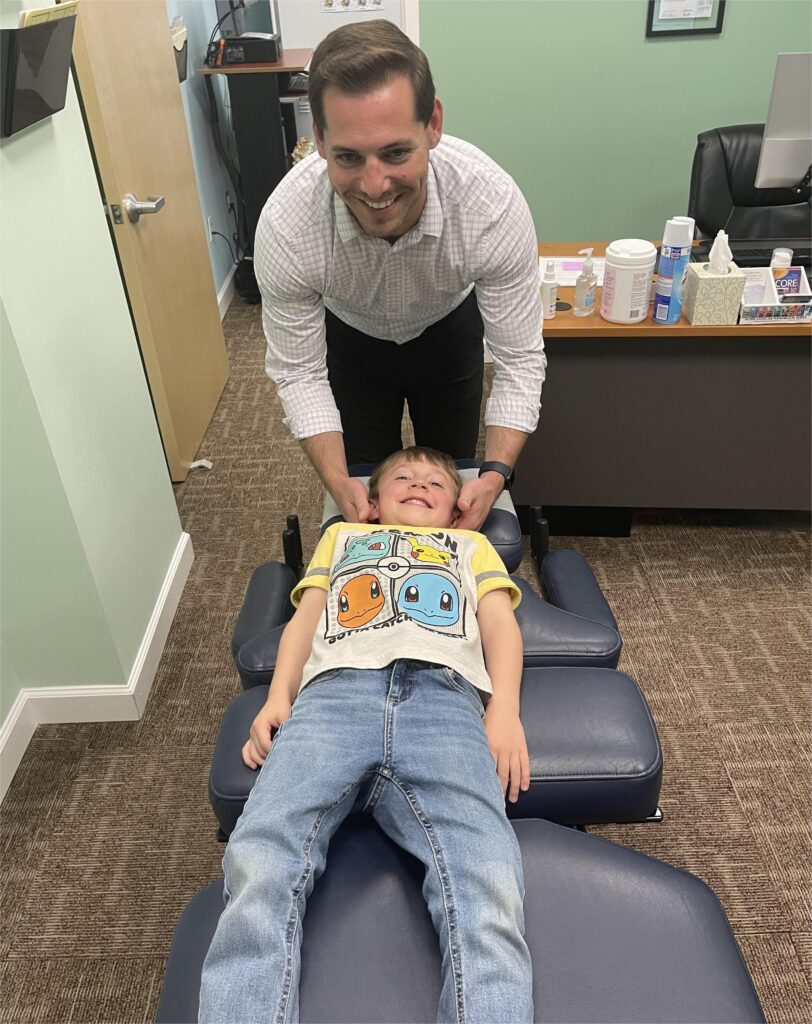
As a local chiropractor, I understand how disruptive neck pain can be to your daily life. Many of my patients come in seeking relief, and I'm here to share some effective techniques that can help alleviate that discomfort. From applying cold therapy to performing gentle neck stretches, these methods are designed to provide significant relief and support your healing process.
You might be surprised to learn that simple changes, such as improving your posture, can have a profound impact on your neck health. It's important to recognize that the best approach often involves a combination of multiple strategies tailored to your individual needs.
If you're curious about which techniques could work best for you, let's take a closer look at the options available. Together, we can explore natural healing methods that can transform your neck health and enhance your overall well-being.
Gentle Neck Stretches
As a chiropractor dedicated to your well-being, I often see patients struggling with neck tension. One of the most effective and natural ways to alleviate this discomfort is through gentle neck stretches. These stretches not only enhance flexibility but also promote better circulation, helping to relieve tightness in the muscles that support your neck.
To begin, find a comfortable seated or standing position, ensuring that your back is straight. Let's start with a simple side tilt. Slowly tilt your head to the right, bringing your ear toward your shoulder. Hold this position for about 15-30 seconds, and you should feel a pleasant stretch along the left side of your neck.
Afterward, return to the center and repeat the stretch on the left side. This exercise helps to loosen tight muscles and enhances your range of motion.
Next, let's focus on a forward stretch. Gently lower your chin toward your chest, which will create a stretch along the back of your neck. Hold this position for another 15-30 seconds before slowly lifting your head back to a neutral position.
For those who want a deeper stretch, interlace your fingers and place them behind your head. Gently pull down, allowing your head to bow forward. This action not only stretches your neck but also promotes relaxation throughout the upper body.
Hold this position for 15-30 seconds while taking deep, soothing breaths.
Lastly, I recommend incorporating gentle neck rotations into your routine. Slowly turn your head to the right, and then to the left, taking your time with each movement. This will help improve mobility and decrease stiffness in your neck.
Always listen to your body, and if you experience any pain, stop the exercise immediately.
Heat Therapy
As a chiropractor, I often recommend heat therapy as an effective method for alleviating neck pain and tension. When you apply heat to the affected area, it enhances blood circulation, which is essential for delivering vital nutrients and oxygen to your tissues. This increased blood flow not only promotes healing but also helps to relax tight muscles, reducing stiffness and discomfort.
There are several ways to incorporate heat therapy into your routine. You can use a heating pad, hot water bottle, or even a warm towel. If you choose a heating pad, ensure it's set to a comfortable temperature to avoid burns; it's always wise to check the heat level before applying it to your neck.
For those who prefer a hot water bottle, fill it with warm (not boiling) water and wrap it in a towel to protect your skin from direct heat. Additionally, taking a warm shower or bath can be beneficial; the steam and warmth enveloping your neck and shoulders can provide soothing relief and help you relax further.
There are also heat wraps available that are designed to conform to the shape of your neck, offering both comfort and convenience. For optimal results, I recommend applying heat therapy for about 15 to 20 minutes at a time. This can be repeated several times a day, especially during periods of increased discomfort.
Consistency is crucial. While heat therapy may not serve as a complete solution, it can significantly reduce your pain and enhance your neck's mobility. Incorporating this natural healing method into your routine can be a valuable part of your overall neck injury recovery strategy.
Cold Therapy
As your local chiropractor, I want to take a moment to discuss the incredible benefits of cold therapy, especially when it comes to relieving neck injuries.
Many of my patients find that using cold therapy can significantly reduce swelling, numb pain, and promote healing when applied correctly.
Let's delve into the advantages of cold therapy, the best techniques for application, and the recommended duration and frequency for optimal results.
By understanding how to use this natural method effectively, you can enhance your recovery and support your body's healing process.
If you're unfamiliar with chiropractic care and natural healing, I encourage you to consider how cold therapy can be a valuable tool in your journey toward wellness.
Benefits of Cold Therapy
As a local chiropractor, I want to share with you an effective method for alleviating neck pain: cold therapy. This natural approach offers numerous benefits that can significantly enhance your recovery process.
When you apply cold to an injured area, it helps to reduce inflammation and swelling, which is especially important during the early stages of a neck injury. By constricting blood vessels, cold therapy minimizes blood flow to the affected area, effectively managing any swelling you might experience.
In addition to helping with swelling, cold therapy provides immediate relief from pain by numbing the area. This numbing effect can make a big difference, allowing you to move around and engage in your daily activities without being constantly distracted by discomfort.
You'll also find that cold therapy can help reduce muscle spasms, promoting relaxation in your neck and supporting a more effective recovery.
Moreover, using cold therapy can enhance your overall sense of well-being. As you experience less pain and stiffness, you may notice an improvement in your mood, making it easier for you to participate in rehabilitation exercises.
Cold therapy is a simple yet powerful tool in your neck injury relief toolkit, promoting faster healing and helping you regain normal function sooner.
I encourage you to consider incorporating cold therapy into your recovery plan and to discuss its benefits further during your visits. Together, we can work towards a healthier, pain-free life through natural healing methods.
Application Techniques
As a local chiropractor, I want to help you understand how to effectively use cold therapy for neck pain relief. It's a natural and accessible method that can significantly alleviate discomfort when done correctly.
First, choose a suitable cold source for your therapy. Options like an ice pack, a bag of frozen peas, or a cold compress work well. Be sure to wrap your chosen cold source in a thin cloth to prevent frostbite and protect your skin.
Position the cold pack directly on the area of your neck that's causing you pain. This targeted application can help reduce swelling and numb the discomfort. I recommend applying the cold source for about 10 to 20 minutes. If you experience any discomfort, please remove it immediately and allow your skin to warm up before trying again.
It's also important to pay attention to your posture while using cold therapy. Find a comfortable position, whether sitting or lying down, and support your neck in a relaxed manner. Gentle movements of your head from side to side can enhance the benefits of the cold application.
Lastly, always listen to your body. If you find that the cold therapy isn't providing relief, or if you experience any negative reactions, please stop using it and consult with a healthcare professional.
Duration and Frequency
As your local chiropractor, I want to help you understand how to effectively use cold therapy for neck pain relief. Incorporating cold therapy into your routine can significantly impact your healing process.
Here are some essential guidelines to ensure you get the most out of this natural approach:
- Duration: When using a cold pack, aim to apply it for about 15 to 20 minutes. This timeframe is optimal for reducing inflammation and numbing pain without risking damage to your skin.
- Frequency: You can repeat this cold therapy every 2 to 3 hours as needed. Regular application throughout the day can be beneficial for managing acute pain and swelling, helping you feel more comfortable as you recover.
- Breaks: It's also crucial to give your skin a break between applications. Make sure to wait at least 40 minutes before reapplying the cold pack to prevent frostbite or irritation.
By following these guidelines, you can enhance the effectiveness of cold therapy in your neck pain management strategy.
Massage Techniques
As a local chiropractor, I want to share some valuable insights on how massage techniques can play a significant role in relieving neck injuries.
Many of my patients are often unaware of the benefits that can come from incorporating therapies like trigger point therapy, myofascial release, and the Shiatsu massage method into their recovery process.
Each of these approaches is designed to target specific areas of tension and pain in the neck, promoting healing and restoring mobility.
Trigger point therapy focuses on releasing tight knots in the muscles, while myofascial release works on the connective tissues to alleviate discomfort.
Shiatsu, a traditional Japanese technique, uses finger pressure to enhance circulation and relieve stress.
By understanding and exploring these massage techniques, you can enhance your recovery journey and find greater comfort in your daily life.
If you're curious about how these treatments can complement your chiropractic care, feel free to reach out for more information!
Trigger Point Therapy
As a local chiropractor, I'm here to educate you about a natural healing technique called trigger point therapy, which can be particularly beneficial for those dealing with neck injuries. This method takes a focused approach to relieve tension and pain by targeting specific points in your muscles, known as trigger points. These points can often refer pain to other areas, making it crucial to address them directly.
Here's how you can effectively use trigger point therapy to ease your discomfort:
- Identify Trigger Points: Begin by locating areas of tightness or discomfort in your neck. Common trigger points can typically be found in the upper trapezius or levator scapulae muscles. These are areas where muscle tension tends to accumulate.
- Apply Pressure: Utilize your fingers, a massage ball, or a foam roller to apply steady pressure to these trigger points. It's important to hold the pressure for about 20-30 seconds or until you sense a release of tension. This focused pressure helps to break up muscle tightness and facilitates healing.
- Incorporate Gentle Movement: After relieving the tension, I encourage you to gently stretch your neck muscles. This not only maintains flexibility but also enhances the overall benefits of the therapy, promoting better range of motion.
By incorporating trigger point therapy into your self-care routine, you can support your body's natural healing processes and improve your neck health.
If you have any questions or would like personalized guidance, feel free to reach out!
Myofascial Release Techniques
As a local chiropractor, I want to introduce you to myofascial release techniques, which can be incredibly beneficial for alleviating neck pain and tension. These techniques focus on the fascia, the connective tissue that surrounds our muscles. By applying gentle, sustained pressure, we can help release tightness, restore movement, and significantly reduce discomfort.
To begin practicing myofascial release at home, start by identifying areas of tightness in your neck. Using your fingers, apply gentle pressure to these spots and hold it for about 30 seconds to a minute. It's important to breathe deeply and allow your muscles to relax during this process. You may feel a slight discomfort, but it should never escalate to pain.
Additionally, there are tools such as foam rollers or massage balls that can enhance your myofascial release practice. Place the tool under your neck or upper back and gently roll over it to target specific areas more effectively. Remember to move slowly and with control, allowing your body to adjust to the pressure.
Incorporating myofascial release into your self-care routine can greatly improve your neck's flexibility and help alleviate pain. Consistency is essential, so I encourage you to make these techniques a regular part of your wellness regimen for long-lasting relief.
If you're interested, I'd be more than happy to guide you through these techniques during your next visit!
Shiatsu Massage Method
As a local chiropractor, I want to introduce you to the benefits of Shiatsu massage techniques, which can be a great complement to our chiropractic care, especially for relieving neck pain and tension.
This unique method utilizes finger pressure on specific points along the body's energy pathways, helping to restore balance and promote relaxation—ideal for easing neck discomfort.
If you're considering incorporating Shiatsu into your routine, here are some steps to enhance your experience:
- Seek a Certified Practitioner: It's essential to find a qualified Shiatsu therapist who's well-versed in this technique. A knowledgeable practitioner can customize the session to address your specific issues, ensuring you receive the most effective care.
- Communicate Openly About Your Discomfort: Before your session begins, share your neck pain concerns with the therapist. Clearly indicating where you feel discomfort will help them focus on those areas, maximizing the benefits of the treatment.
- Engage in Deep Breathing: During your Shiatsu massage, practice deep, calming breaths. This not only aids in relaxation but also enhances the effectiveness of the treatment, allowing your body to respond more positively to the pressure applied.
By integrating Shiatsu into your neck pain relief strategy, you can experience significant improvements in mobility and tension relief.
Posture Correction
As a local chiropractor, I want to emphasize the importance of correcting your posture for alleviating neck pain and preventing further injuries. Many people are unaware that poor posture can lead to muscle strain and tension in the neck, worsening any existing discomfort you may already have.
To start improving your posture, it's essential to focus on your alignment throughout the day. When you're sitting, ensure that your feet are flat on the ground and that your back is straight against the chair. Your shoulders should feel relaxed, and your head should be aligned with your spine—avoid letting it jut forward.
If you spend a lot of time on a computer or mobile device, it's crucial to make some adjustments to your workstation. Position your screen at eye level to minimize the temptation to lean forward or look down. If you frequently talk on the phone, consider using a headset to keep your neck in a neutral position.
Regularly reminding yourself to check your posture is vital, especially during long periods of sitting. Incorporating posture checks into your daily routine can significantly impact your well-being. You might find it helpful to set reminders on your phone or place sticky notes around your workspace to prompt you.
Remember, developing new habits takes time, but consistency is essential. When standing, be mindful of distributing your weight evenly on both feet. Engage your core muscles to support your spine, and keep your shoulders back and relaxed.
Making these simple adjustments can greatly reduce neck strain and enhance your overall posture. If you have any questions or need personalized advice, don't hesitate to reach out. Together, we can work towards achieving better posture and improved health!
Strengthening Exercises
As a local chiropractor, I often see patients struggling with neck pain and discomfort. One effective way to alleviate this pain is through strengthening exercises. By building the muscles around your neck and upper back, you can enhance stability and reduce the strain on your cervical spine. Stronger muscles provide better support for your head, which not only helps prevent discomfort but also promotes better posture.
Incorporating specific strengthening exercises into your daily routine can lead to significant improvements in your neck health. Here are three exercises that I highly recommend:
- Neck Isometrics: Find a comfortable position, either sitting or standing with your back straight. Place your palm against your forehead and push your head into your hand without allowing any movement. Hold this position for about 5 seconds, then relax. Repeat this 5-10 times. This exercise is excellent for building strength in your neck muscles.
- Shoulder Shrugs: Whether you're sitting or standing, lift your shoulders towards your ears, hold them for a moment, and then let them drop back down. Aim for 10-15 repetitions. This exercise targets the upper trapezius muscles, which are crucial for supporting neck movement.
- Chin Tucks: While seated, gently pull your chin toward your chest while keeping your head level. Hold this position for 5 seconds and then relax. Repeat this 10-15 times. This exercise is particularly beneficial as it strengthens the deep neck flexors, which are essential for maintaining proper head alignment.
By integrating these exercises into your routine, you can take proactive steps toward managing and reducing your neck pain.
Professional Treatments
As a local chiropractor, I want to take a moment to emphasize the importance of professional treatments in managing neck pain, especially when home remedies don't provide the relief you need.
If you've been struggling with neck discomfort, seeking the guidance of a healthcare professional can be a game changer. We're here to assess your condition thoroughly and develop a treatment plan tailored specifically to you.
Chiropractic care is a fantastic option for addressing neck pain. Our approach focuses on spinal manipulation, which involves realigning the spine to relieve pressure on nerves and surrounding tissues. Many of my patients experience immediate relief after just one session, and while some may need ongoing care for long-term benefits, the goal is always to help you feel your best.
Another effective avenue to consider is physical therapy. Collaborating with a skilled physical therapist can help you learn targeted exercises and manual therapies that strengthen your neck and enhance flexibility. They'll work closely with you to create a personalized plan, ensuring you regain mobility and minimize discomfort.
Massage therapy is another valuable resource. A qualified massage therapist can focus on tight muscles and tension in your neck and surrounding areas, providing not just immediate relief but also promoting relaxation and improved circulation. This can significantly aid in your healing journey.
In certain situations, if conservative treatments aren't yielding the desired results, I may recommend discussing medical interventions with your doctor, such as corticosteroid injections or, in more severe cases, surgery.
However, I firmly believe that professional treatments, like chiropractic care, should complement your self-care routine.
Don't hesitate to reach out for help; your neck is worth it! Together, we can work towards achieving lasting relief from neck pain and improving your overall quality of life.
Conclusion
As a local chiropractor, I want to share with you seven effective techniques to help relieve neck injuries and support your recovery. First, consider incorporating cold and heat therapy into your routine. These methods can reduce inflammation and promote blood flow to the affected area. Gentle stretching is also essential; it helps maintain flexibility and eases tension in the neck muscles.
Strengthening exercises play a vital role as well. By focusing on building the muscles around your neck, you can enhance stability and prevent future issues. Additionally, never underestimate the importance of good posture. Maintaining proper alignment not only alleviates discomfort but also supports overall neck health.
Massage techniques can be incredibly beneficial too, as they help to release tightness and improve circulation. Lastly, seeking professional treatments, like chiropractic adjustments, can provide personalized support tailored to your specific needs. With regular self-care and commitment to these practices, you'll be on your way to better neck health and reducing the risk of future injuries. Remember, taking charge of your recovery is key to a healthier, pain-free life!