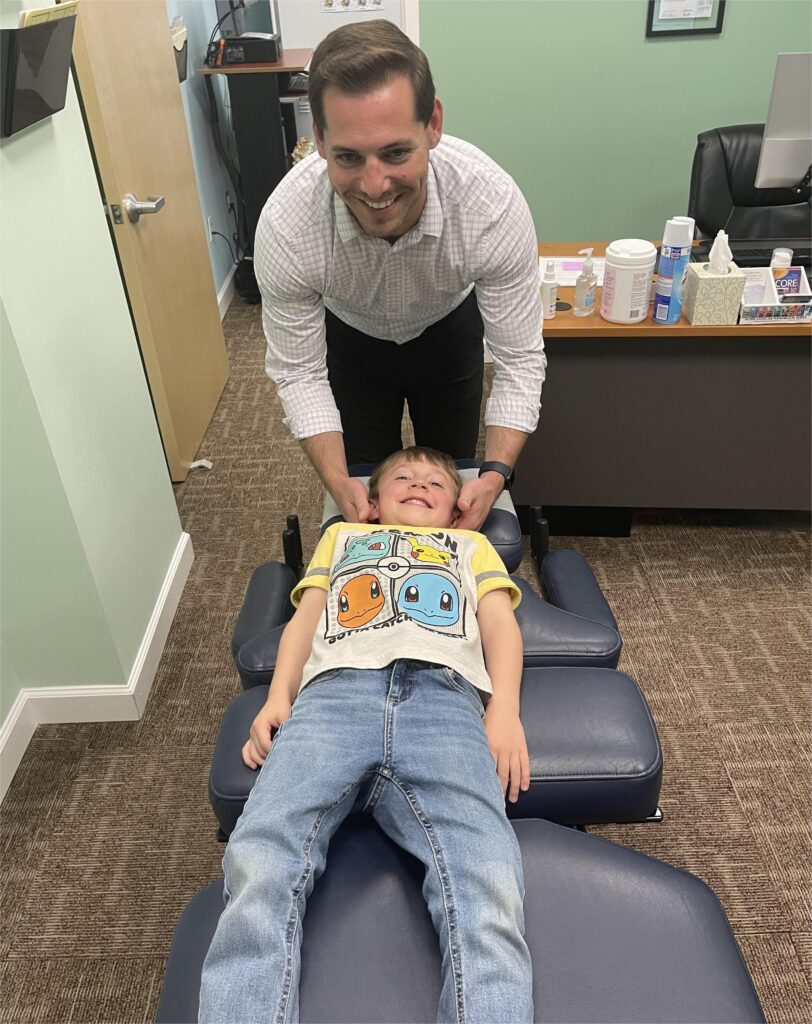
As a local chiropractor, I understand that managing the challenges of ADHD in children can be daunting for many families. It's essential to explore effective strategies that promote relief and overall well-being. One powerful approach is to establish a structured routine, which can help improve focus and organization in your child's daily life. Additionally, incorporating visual aids can be beneficial for clarity and engagement.
Breaking tasks into smaller, manageable steps is another technique that can significantly enhance motivation and reduce overwhelm. But our approach doesn't stop there. I encourage you to consider the benefits of mindfulness practices, which can help your child develop better self-regulation and awareness.
Open communication is also vital—it creates a supportive environment where your child feels understood and empowered. If you're curious about how these holistic tips, along with chiropractic care, can transform daily life for your child, I'm here to guide you on this journey toward natural healing and wellness.
Establish a Structured Routine
As a local Chiropractor, I want to highlight the importance of establishing a structured routine for your family, especially for children who may be navigating challenges like ADHD. A consistent schedule provides a sense of stability and predictability that can greatly enhance their daily functioning. When children have a clear understanding of what to expect throughout the day, it can lead to reduced anxiety and improved focus.
I recommend starting by outlining a daily schedule that balances schoolwork, playtime, meals, and relaxation. Incorporating visual aids such as charts or calendars can make this routine engaging and easy to follow. Consider using color-coding for different activities, which can capture your child's interest and help them stay organized.
It's essential to involve your child in crafting this routine. Talk with them about their preferences for when they'd like to tackle homework or playtime, and integrate their choices into the schedule. This not only empowers them but also fosters a sense of ownership over their daily activities.
Be sure to include breaks and downtime within the routine. Children, particularly those with ADHD, often require moments to recharge and refocus. Short breaks between tasks can be beneficial, and using a timer can help maintain a smooth flow throughout the day.
Lastly, flexibility is key. While a structured routine is beneficial, life can present unforeseen challenges. If disruptions occur, adapt the schedule without stress. This approach teaches resilience and demonstrates to your child that it's perfectly okay to adjust plans when necessary.
Break Tasks Into Smaller Steps
As a chiropractor, I understand the importance of establishing a structured routine for your overall health and well-being. However, just like in daily tasks, breaking down your health goals into smaller, manageable steps can significantly enhance your ability to maintain and improve your wellness. When faced with a daunting health challenge, such as chronic pain or stiffness, it can feel overwhelming. That's where smaller steps become crucial.
Instead of setting a broad goal like "improve my posture," we can break it down into specific actions. For instance, you might start with "perform daily stretches," "schedule regular chiropractic adjustments," or "practice mindful sitting techniques." This approach makes your health journey feel more manageable and less intimidating.
Begin by discussing your health concerns with me during your chiropractic consultation. Together, we can identify the small steps necessary to address your issues. I recommend writing these steps down and keeping them visible as a constant reminder. This not only provides a clear roadmap to follow but also offers a sense of accomplishment as you check off each completed step.
I also encourage you to focus on one step at a time. Remember, it's perfectly okay to take breaks in between steps if you need to. Additionally, using timers can create a sense of urgency that helps keep you focused and motivated. Celebrate your small victories along the way—whether it's feeling less pain after a few adjustments or completing a week of daily stretches. Each small win builds your confidence and encourages you to keep moving forward.
Use Visual Aids for Organization
As a local chiropractor, I want to emphasize how incorporating visual aids into your wellness routine can greatly enhance organization and clarity in your health journey.
Tools like color-coded charts for tracking your progress, visual schedules for your treatment plans, and graphic organizers to understand your body's needs can help you feel more in control and less overwhelmed by the healing process.
These aids can simplify complex information about chiropractic care and natural healing, making it easier for you to stay focused on your goals.
Let's explore how these visual tools can support your path to better health and well-being.
Color-Coded Charts
As a chiropractor, I want to share how effective visual tools, like color-coded charts, can play a role in your overall wellness journey, especially if you or your child is navigating challenges like ADHD. These charts can help you stay organized and focused on your healing process.
By assigning different colors to various aspects of your health routines—such as exercises, stretches, or daily wellness tasks—you can simplify the information you need to remember. For instance, you might use red for specific chiropractic exercises, blue for dietary reminders, and green for relaxation techniques. This visual association can make it easier to grasp what you need to do each day, reducing feelings of overwhelm and increasing your commitment to your health.
It's beneficial to keep these charts in places where you can see them frequently, like your home office or wellness space. You can easily refer to them as you go about your day, helping to keep your health goals top of mind.
Creating these charts can also be a fun and engaging activity for you and your family. You might decorate them with stickers or drawings that resonate with you, making the process feel more personal and inviting. Involving your family members can provide additional support and accountability on your path to wellness.
Regularly updating your charts is key to keeping your healing journey interesting and relevant. This ensures that they reflect your current health responsibilities and goals.
Visual Schedules
Visual schedules can be an invaluable tool for children with ADHD, offering them the structure they need to thrive throughout their day. As a chiropractor, I often see the benefits of holistic approaches, and visual schedules fit right into this philosophy by providing clarity and organization in daily routines.
These schedules utilize pictures or icons to represent various tasks, making it easier for your child to grasp what they need to accomplish. Instead of depending solely on verbal cues, a visual schedule provides a straightforward and organized framework that your child can follow, enhancing their overall well-being.
To create an effective visual schedule, begin by identifying daily activities such as getting dressed, completing homework, and preparing for bedtime. Use simple illustrations or drawings to represent each task, helping your child visualize their day ahead. Display the schedule in a prominent location, such as on the refrigerator or their bedroom wall, ensuring it's within easy reach.
Encourage your child to check off each task as they complete it, which fosters a sense of achievement. You might also explore the idea of color coding for different categories of activities, making it even easier for them to differentiate between schoolwork, chores, and playtime.
Graphic Organizers
Graphic organizers are exceptional tools that can help individuals manage their thoughts and ideas more effectively, much like how chiropractic care helps align the body for optimal function.
Just as we break down the intricacies of the spine and nervous system, graphic organizers can simplify complex information into digestible parts, making it easier to grasp and retain.
When you're faced with a health concern or trying to understand your body's needs, start by identifying the main issue. You can use a graphic organizer to outline key symptoms, potential causes, and treatment options.
This approach not only keeps your thoughts organized but also alleviates the confusion that often accompanies health-related topics. Additionally, it can spark creativity in finding holistic solutions for your well-being.
Feel free to personalize your graphic organizers. Incorporate colors or symbols that resonate with you, as this can make the process more enjoyable and relatable.
Visualizing your health journey can enhance your understanding and retention of important information regarding your body and chiropractic care.
Integrating graphic organizers into your health education routine can revolutionize how you perceive and manage your wellness.
Give them a try and see how they can improve your organization skills and overall understanding of chiropractic care and natural healing!
Incorporate Mindfulness and Relaxation
As a local chiropractor, I believe that incorporating mindfulness and relaxation techniques into your child's daily routine can significantly enhance their overall well-being, especially for those managing ADHD. One of the simplest yet most effective ways to achieve this is through breathing exercises. Encourage your child to practice taking a few deep breaths: inhale for a count of four, hold for four, and then exhale for four. This breathing method can help ground them, reducing anxiety and promoting a sense of calm.
Additionally, setting aside a few minutes each day for mindfulness activities can be greatly beneficial. Consider guiding your child through a brief meditation or a mindful stroll in nature. During these moments, invite them to focus on their surroundings; encourage them to notice the sounds, smells, and textures around them. This practice not only helps to keep their mind centered and present but also complements the physical benefits of chiropractic care by fostering body awareness.
You might also explore mindfulness apps or videos tailored for children. These resources often present relaxation techniques in a fun and engaging way. Participating in yoga or gentle stretching exercises together can be particularly effective. These activities not only promote relaxation but also enhance flexibility and help maintain a healthy posture, which is crucial for optimal spinal health.
Creating a cozy, designated relaxation area in your home can also make a significant difference. Fill this space with soft cushions, calming colors, and perhaps some soothing music or nature sounds. This area can serve as a sanctuary for your child whenever they need a moment to decompress.
Finally, encourage your child to express their emotions through art or journaling. This creative outlet allows them to process their thoughts and feelings in a constructive manner, further enriching their mindfulness journey.
Promote Physical Activity
As a local chiropractor, I want to emphasize the importance of regular physical activity, particularly for children with ADHD. Engaging in movement not only helps channel their energy but also enhances their focus and overall well-being.
Here are three significant benefits of physical activity for kids facing these challenges:
- Enhanced Mood: Physical activity stimulates the release of endorphins, which can uplift your child's mood and alleviate feelings of anxiety and frustration. This natural boost can be particularly beneficial for children with ADHD, helping them feel more balanced and happy.
- Improved Sleep Quality: Regular exercise plays a vital role in regulating sleep patterns. When children are active, they're more likely to fall asleep with ease and enjoy deeper, more restorative sleep—essential for their growth and development.
- Development of Social Skills: Participating in group activities, such as team sports or dance classes, offers children a chance to interact with their peers. These social settings are crucial for developing essential social skills and building lasting friendships.
To encourage physical activity, it's important to identify activities your child enjoys. This could range from biking and swimming to martial arts or simply playing tag. Making the experience enjoyable is key, so they look forward to being active.
You might also consider planning regular family outings that integrate physical activity, like hiking or visiting a local park.
Setting achievable goals can further inspire your child. Celebrate their milestones, whether they've mastered a new skill or completed a workout. By nurturing a positive attitude toward physical activity, you can empower your child to see movement as a natural and enjoyable part of their life.
As a chiropractor, I see firsthand how physical activity can support not just physical health but also emotional and mental well-being.
Let's work together to create a healthy, active lifestyle for your child!
Limit Screen Time
As a local Chiropractor, I understand the challenges that kids with ADHD face, and I want to emphasize the importance of limiting screen time for their overall well-being.
Establishing clear rules around device usage is crucial in promoting a healthier lifestyle. Instead of allowing excessive screen time, I encourage parents to explore outdoor activities and creative hobbies that can engage their children's interest.
Not only does this shift help improve focus, but it also supports a more balanced routine, which is vital for natural healing and overall health.
Establish Screen Time Rules
As the day winds down, it's important to consider the impact of screen time on both physical and mental well-being, especially for children with ADHD.
As a local chiropractor, I want to share some insights on how to create a balanced approach to screen time that supports overall health. Here are three essential tips to keep in mind:
1. Set Time Limits: Establishing daily screen time limits can help ensure that your child engages in a variety of activities, promoting physical movement and social interaction.
This balance is crucial for maintaining a healthy spine and posture, which can be negatively affected by prolonged screen use.
2. Create a Schedule: Incorporating screen time into a structured daily routine allows your child to anticipate when they can engage with devices.
This predictability can result in fewer arguments and helps to manage their focus and attention, making it easier for them to transition to other activities, including exercise and outdoor play, which are vital for their physical health.
3. Encourage Quality Content: Selecting educational and age-appropriate content not only stimulates your child's mind but also aligns with their interests in a constructive way.
Engaging with high-quality programs can enhance cognitive development, while also reducing the risks associated with excessive screen time, such as poor posture and musculoskeletal issues.
Encourage Outdoor Activities
As a local chiropractor, I want to highlight the vital role that outdoor activities play in enhancing your child's physical and mental well-being, particularly for those dealing with ADHD. Engaging with nature offers a rejuvenating environment that can significantly reduce stress and improve focus.
When your child spends time outside, they can participate in activities that not only promote physical health but also stimulate their senses in a natural way. I encourage you to set aside specific times each week for outdoor adventures.
Whether it's visiting a local park, hiking through the woods, or enjoying some games in your backyard, making these outdoor excursions a regular part of your family routine is essential. Varying activities—such as biking, swimming, or playing sports—will keep your child engaged and excited about being active.
Additionally, consider limiting screen time to help your child connect more with the outdoors. Encourage them to explore their surroundings, climb trees, or play tag with friends. Such activities aren't only great forms of exercise but also help improve social skills and emotional regulation, which can be beneficial for their overall health.
Don't forget to participate in these outdoor experiences with your child! Your involvement can boost their motivation and strengthen your bond.
Promote Creative Hobbies
As a local chiropractor, I understand the importance of holistic approaches to health and well-being. One effective way to support your child's overall development—especially for those who may have ADHD—is through creative hobbies.
These activities not only serve as a wonderful outlet for energy and imagination but also contribute positively to their physical and mental wellness. Here are three creative pursuits I recommend:
- Art and Craft: Engaging in painting, drawing, or crafting can significantly enhance your child's fine motor skills and hand-eye coordination. These activities promote relaxation and self-expression, which are vital for emotional health.
- Music: Learning to play an instrument or simply enjoying music can be a powerful therapeutic tool. Music has been shown to improve concentration and can serve as a great way for your child to unwind after a busy day.
- Writing: Encouraging your child to write stories or maintain a journal can greatly enhance their communication skills. It can also be a fantastic way for them to process their thoughts and feelings, contributing to their emotional stability.
Incorporating these creative hobbies into your child's routine not only fosters their personal growth but can also complement chiropractic care, supporting a well-rounded approach to health and healing.
Encourage Healthy Eating Habits
As a local chiropractor, I want to emphasize the important connection between nutrition and overall health, especially for kids with ADHD. By adopting healthy eating habits, you can provide your child with the right fuel not just for their bodies, but also for their brains. A well-balanced diet plays a crucial role in enhancing focus, reducing impulsivity, and improving mood.
Start by introducing a variety of fruits and vegetables into your child's meals. These nutrient-dense foods are packed with vitamins and minerals essential for optimal brain function. Whole grains, such as brown rice and whole wheat bread, offer sustained energy, which is vital for maintaining concentration throughout the day.
Additionally, lean proteins like chicken, fish, and beans are key players in producing neurotransmitters that help regulate mood and behavior.
It's also important to limit processed foods and sugar. While occasional treats are fine, excessive sugar consumption can lead to energy spikes followed by crashes, making it challenging for children to stay focused. Instead, opt for healthier snacks like yogurt, nuts, or fresh fruit.
Don't forget about hydration—encourage your children to drink plenty of water rather than sugary beverages.
Involving your child in meal planning and preparation can be a fun and educational experience. It helps them learn about nutrition and fosters a sense of ownership over their food choices. You can make mealtime enjoyable by experimenting with new recipes or organizing themed dinners together.
By promoting healthy eating habits, you're not only supporting your child's physical health but also setting the stage for improved focus and emotional well-being, which can be incredibly beneficial in their daily activities.
As a chiropractor, I believe that a holistic approach to health, including nutrition, is key to helping your child thrive.
Foster Open Communication
Building a strong connection with your child can greatly enhance their overall well-being, especially when managing challenges such as ADHD. Open communication plays a crucial role in fostering that connection. When children feel comfortable expressing themselves, they're more likely to share their thoughts, feelings, and any challenges they might be facing.
Here are three effective ways to promote open communication that can also complement the benefits of chiropractic care and natural healing:
- Listen Actively: As a chiropractor, I understand the importance of being present. Show genuine interest in what your child has to say. Put down distractions, make eye contact, and respond thoughtfully. This not only signals that their words matter but also helps create a nurturing environment, which is essential for overall health and well-being.
- Encourage Expression: It's vital for your child to know that it's okay to express their feelings—whether they're happy, frustrated, or overwhelmed. By creating a safe space for them to share without fear of judgment, you can help them articulate their experiences and emotions, which can be particularly beneficial when addressing physical and emotional symptoms related to ADHD.
- Ask Open-Ended Questions: Instead of limiting your child's responses with yes or no questions, try engaging them with open-ended ones. For instance, ask, "What was the best part of your day?" or "How did you feel during that activity?" This encourages them to share more and gives you a deeper understanding of their perspective, which can be valuable when considering their overall health and the role of chiropractic care in their lives.
Create a Distraction-Free Environment
As a local chiropractor, I understand the importance of creating a distraction-free environment, especially for children with ADHD. When kids are trying to focus on their studies, it's crucial to have a well-organized space that minimizes distractions.
By decluttering their study area and removing unnecessary items, we can help them channel their energy into learning.
Additionally, incorporating tools like noise-canceling headphones can be beneficial. These headphones can help block out background noises, allowing children to concentrate better on their tasks.
A calm and focused environment not only supports their educational journey but also promotes overall well-being, which aligns with the principles of natural healing that we embrace in chiropractic care.
Organize the Study Space
Creating a study space that promotes optimal focus and productivity isn't just about the physical environment; it can also have a significant impact on your overall well-being, including your spinal health.
As a chiropractor, I want to share how a well-organized study area can enhance your posture and reduce stress, which in turn supports your body's natural healing processes.
Here are three essential tips to help you set up an effective study space:
1. Select a Calm Environment: Choose a location in your home that minimizes noise and disruptions. A quiet room or corner allows you to focus better, which can reduce tension in your neck and shoulders, areas often affected by stress and poor posture.
2. Maintain a Clutter-Free Desk: Keeping your workspace organized by only having necessary items on your desk can do wonders for your mental clarity. A tidy area not only promotes focus but also encourages you to maintain a healthier posture.
When your space is clear, you're less likely to hunch over or strain your back as you reach for items.
3. Incorporate Smart Storage Solutions: Utilize bins, folders, or desk organizers to keep your supplies in check. An organized space not only saves you time but also allows you to maintain an ergonomic setup.
When everything has its place, you can arrange your materials in a way that supports proper alignment and reduces the risk of discomfort during long study sessions.
By following these tips to create a well-organized study space, you can enhance your productivity while also supporting your spinal health and overall well-being.
Limit Visual Distractions
As a chiropractor, I often see how a child's ability to concentrate can be affected by their environment, particularly by visual distractions.
It's essential to create a space that fosters focus, not just for their physical well-being but also for their mental clarity.
Begin by decluttering their study area. Removing unnecessary items such as toys, loose papers, or anything that could divert their attention is crucial. A clean and organized space can significantly enhance their ability to engage with their tasks.
When it comes to the walls and decor, I recommend using calming colors and keeping decorations to a minimum. A chaotic environment can overwhelm a child, making it difficult for them to immerse themselves in their studies.
Also, consider the location of their study area. Positioning it away from windows or busy household areas can minimize distractions. If possible, select a quiet room where movement and noise are kept to a minimum, allowing your child to focus better.
Cover any bright signs or posters that might pull their attention away. Using simple organization tools like folders or baskets can help keep essential items neatly stored and out of sight, promoting a more focused environment.
Lastly, encourage your child to maintain an organized workspace after each study session.
By implementing these strategies, we can create a distraction-free environment that not only supports their concentration but also contributes to their overall well-being.
As a chiropractor, I believe that a calm mind and body are vital for effective learning and natural healing.
Use Noise-Canceling Headphones
Visual distractions aren't the only barriers to maintaining a healthy lifestyle; auditory interruptions can be just as disruptive. Noise from conversations, music, or even background sounds can affect your ability to focus and manage stress.
This is where noise-canceling headphones can play a crucial role in your daily routine. By creating a distraction-free environment, you can enhance your overall well-being. Here are three reasons to consider incorporating them into your life:
- Enhanced Focus: Noise-canceling headphones block out unwanted sounds, allowing you to concentrate better on tasks that require mental clarity, whether it's work, studying, or simply relaxing.
- Reduced Stress: A quieter environment can lower anxiety levels, making it easier for you to manage emotions and stress while going about your day. This aligns with the principles of chiropractic care, which emphasizes the importance of a balanced mind and body.
- Customizable Sound: Many headphones offer personalized audio settings, so you can listen to calming music or white noise that aids concentration and relaxation—both of which are beneficial for spinal health and overall wellness.
When you put on noise-canceling headphones, you enter a focused zone. This helps you tune out distractions and engage more effectively with your tasks, ultimately supporting a healthier lifestyle.
Investing in a good pair can significantly improve your ability to concentrate and achieve your wellness goals. So, consider making noise-canceling headphones a part of your holistic approach to health and well-being!
Seek Professional Support
Seeking professional support through chiropractic care is essential for children with ADHD, as it can significantly enhance their overall well-being and ability to thrive in various aspects of life. When you consult with a chiropractor, you're not just receiving treatment; you're gaining valuable insights into your child's unique needs and health.
Chiropractors specialize in the relationship between the spine and nervous system, and they can help identify any misalignments that may be affecting your child's ability to focus and self-regulate. By using gentle adjustments, we can promote better nervous system function, which may help improve attention, reduce impulsivity, and create a calmer state for your child.
In addition to spinal adjustments, we may recommend complementary therapies, such as exercises and lifestyle adjustments, to equip your child with coping strategies that further support their development. These natural approaches can empower your child to manage challenges more effectively in school and social situations.
Collaboration with teachers and school counselors is also vital. As a chiropractor, I encourage you to communicate with these professionals about your child's holistic care. They can offer tailored support in the classroom, ensuring your child has the resources they need to succeed academically.
Regular follow-ups and open lines of communication with your chiropractic care team can help track your child's progress and adjust strategies as necessary.
Lastly, consider connecting with other parents who are navigating similar journeys. Support groups can provide emotional relief and practical advice, fostering a sense of community and shared understanding.
Conclusion
As a local Chiropractor, I believe that incorporating holistic approaches can significantly benefit children with ADHD. Establishing consistent routines and breaking tasks into smaller, manageable steps can help them find balance in their daily lives. Promoting healthy habits, such as proper nutrition and regular physical activity, is also essential for their overall well-being.
Creating an environment that minimizes distractions is key to enhancing focus and concentration. Open communication with your child about their feelings and experiences can foster a supportive atmosphere. Remember, every child is unique, and their needs may vary; don't hesitate to seek professional guidance when necessary.
Chiropractic care can play a valuable role in supporting children with ADHD. By addressing physical misalignments and promoting proper nervous system function, we can help improve their overall health and well-being. With the right strategies and natural healing methods, you can empower your child to navigate challenges and reach their fullest potential.