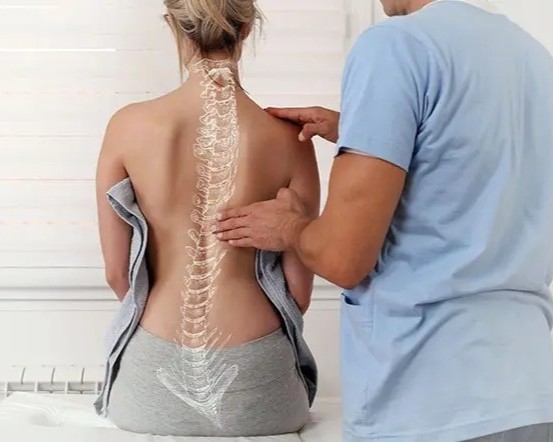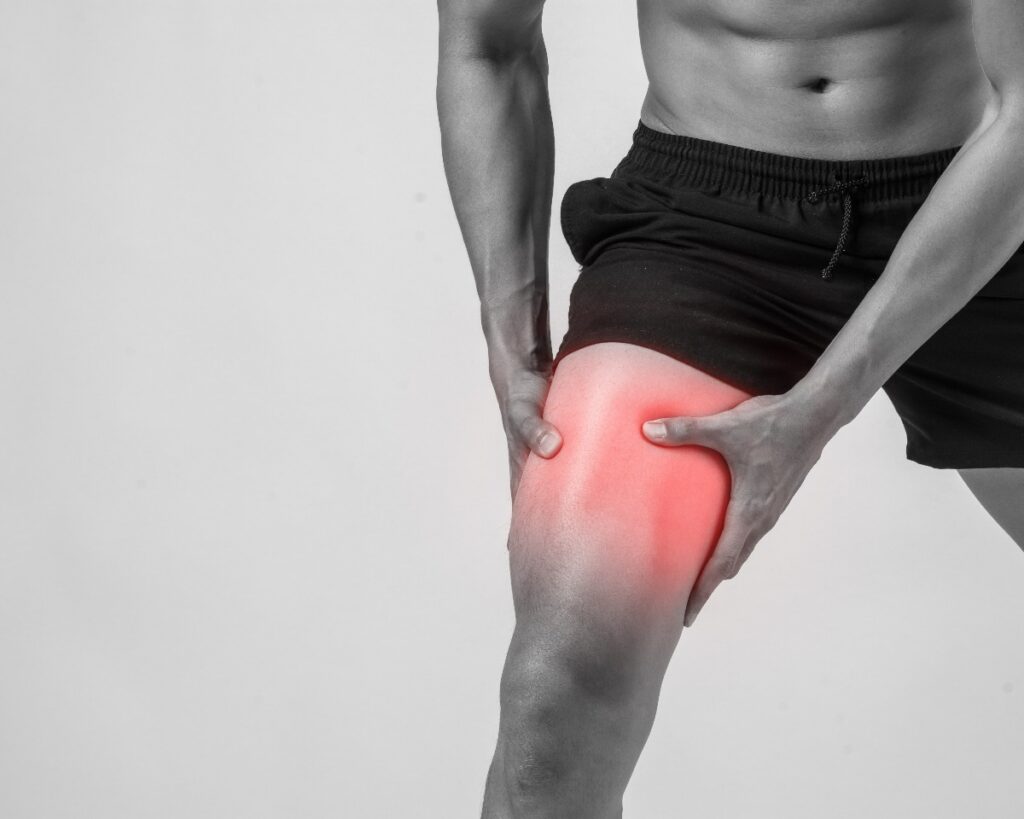
When recovering from a sports injury, it's important to understand that making adjustments to your recovery plan can significantly impact your healing process. As a local chiropractor, I want to emphasize that tailoring your approach to fit your unique needs is essential for a successful comeback. By gaining insight into the mechanics of your injury and implementing the right changes to your training and nutrition, you can promote faster healing and minimize the risk of re-injury.
Chiropractic care plays a vital role in this journey. We focus on ensuring that your body is properly aligned and functioning optimally, which can enhance your recovery. Additionally, we can guide you on specific exercises and stretches that not only aid in healing but also improve your overall performance once you're back in action.
So, what adjustments should you consider? It's about more than just rest; it's about a holistic approach that includes chiropractic adjustments, rehabilitation exercises, and proper nutrition. Together, we can create a comprehensive recovery plan that not only heals your injury but also sets you up for greater success in your sport.
Importance of Adjustments
As a local chiropractor, I want to emphasize the crucial role adjustments play in your recovery from sports injuries. Understanding how to adapt your training and rehabilitation approach is essential for a successful healing journey. When you sustain an injury, making these necessary adjustments can expedite your recovery and significantly lower the chances of re-injury.
First and foremost, it's important to listen to your body. If you're experiencing pain or discomfort, it's a clear indication that something needs to change. Ignoring these signals can lead to longer recovery times or worse injuries. This is where chiropractic care comes into play. We can help assess your condition and guide you in modifying your exercises to better suit your needs. This might involve shifting to low-impact activities or focusing on strengthening and improving flexibility in areas that aren't directly affected by your injury.
Next, let's discuss the importance of nutrition and hydration in your recovery process. Recovery extends beyond physical adjustments; it's about nourishing your body as well. Consuming well-balanced meals that are rich in essential nutrients supports tissue repair and overall healing. Staying hydrated is equally vital, as it helps your body function optimally during this recovery phase.
Lastly, I want to highlight the emotional aspect of healing. It's common to feel frustrated or anxious about your progress, and adjusting your mindset can make a big difference. Instead of fixating on long-term goals, focus on small, achievable milestones. This shift can provide you with motivation and a sense of accomplishment. Surrounding yourself with a supportive network—be it friends, family, or teammates—can also enhance your emotional well-being during this time.
At our chiropractic practice, we're here to help you navigate these adjustments and support you on your path to recovery through natural healing methods.
Understanding Injury Mechanics
As a local chiropractor, I want to help you understand how injuries happen and what steps you can take to prevent them. It's crucial for anyone involved in physical activities to grasp the concept of injury mechanics. Often, injuries are the result of several factors, including improper technique, overuse, and environmental conditions.
When you engage in sports or physical exercise, your body experiences various stresses and strains. When the forces on your muscles, tendons, or joints exceed what they can handle, that's when injuries can occur.
For example, think about the impact your body absorbs when you jump or sprint. If your landing isn't executed properly or if your muscles are fatigued, you might be at risk of spraining an ankle or straining a ligament. Repetitive actions, such as those found in swimming or throwing, can also lead to overuse injuries like tendinitis. By understanding these mechanics, you can learn how to minimize your risk of injury.
There are proactive measures you can take to safeguard your body. First, focus on using proper form during your physical activities. This includes ensuring you warm up and cool down effectively to prepare your muscles and aid in recovery.
Second, always listen to your body. If you experience pain or discomfort, it's important not to ignore it. Instead, take a break and evaluate how you're feeling. Additionally, incorporating strength and flexibility training into your routine can be incredibly beneficial. Building muscle support around your joints enhances stability, which significantly reduces your risk of injury.
At my practice, we emphasize natural healing techniques that support your body's innate ability to heal itself. If you're ever in doubt about your physical health or are dealing with pain, don't hesitate to reach out. Together, we can work towards keeping you healthy and active.
Tailoring Training Techniques
As a local chiropractor, I want to emphasize the importance of tailoring your training techniques to fit your unique needs and goals, especially when it comes to optimizing your health and minimizing the risk of injury. Each individual has their own set of strengths, weaknesses, and injury histories that necessitate a personalized approach to physical activity.
Start by assessing your current fitness level and pinpointing specific areas that may need improvement, such as flexibility, strength, or endurance. This evaluation is essential for creating a training plan that not only enhances your performance but also addresses any potential injury risks.
For instance, if you're currently recovering from a knee injury, incorporating low-impact activities like swimming or cycling can be beneficial. These exercises help build strength without placing excessive stress on your joints, aligning with our chiropractic principles of natural healing and maintaining body balance.
Cross-training is another effective strategy you can integrate into your routine. Engaging in a variety of exercises not only keeps your workouts interesting but also helps prevent overuse injuries.
I encourage you to consider working with professionals, such as a coach or physical therapist, who can provide tailored guidance and adjust your training regimen based on your progress and any limitations you may have.
Listening to your body is crucial. If you experience pain or discomfort during any exercise, it's important to modify or change that movement.
Remember, recovery isn't a straight path; it's essential to remain adaptable in your approach to training. By customizing your techniques, you enhance not just your performance but also ensure a safer journey towards recovery and long-term athletic success.
Embracing chiropractic care can further support your healing process and promote overall wellness as you pursue your fitness goals.
Nutrition's Role in Recovery
As a local chiropractor, I want to emphasize the vital role nutrition plays in your recovery process, especially when healing from injuries. Understanding how to nourish your body can significantly impact how quickly and effectively you recover. When faced with an injury, your body requires specific nutrients to repair tissues, reduce inflammation, and rebuild strength. By prioritizing a balanced diet, you can enhance your healing journey.
First and foremost, let's talk about protein. This nutrient is crucial for muscle repair and regeneration. I recommend incorporating lean protein sources into your meals, such as chicken, fish, eggs, and legumes. If you find it challenging to meet your protein needs through food alone, protein shakes can be a convenient option.
Carbohydrates also play a significant role in your recovery. They provide the energy your body needs to heal effectively. Choose whole grains, fruits, and vegetables, which not only fuel your recovery but also supply essential vitamins and minerals that support your overall health.
Don't forget about healthy fats! Omega-3 fatty acids, found in foods like fish, walnuts, and flaxseeds, can help reduce inflammation, which is crucial for a smooth recovery process. Staying hydrated is equally important; water facilitates nutrient transport and supports all bodily functions.
Lastly, I want to highlight the importance of specific vitamins and minerals in your diet. For instance, Vitamin C is vital for collagen formation, which is essential for healing connective tissues. Zinc is another key player that aids in immune function and wound healing, so including sources like nuts and seeds in your diet can be beneficial.
Psychological Aspects of Healing
Healing from a sports injury encompasses much more than just the physical aspect; it deeply involves your mental resilience and overall mindset. As a local chiropractor, I often see patients who are sidelined by injuries and experiencing feelings of frustration, anxiety, or even depression. It's important to acknowledge these emotions, as recognizing them is the first step toward a comprehensive recovery. Emotional well-being is integral to how quickly and effectively you heal.
Maintaining mental strength can significantly ease the ups and downs of your recovery journey. Engaging in practices like mindfulness and visualization can greatly enhance your focus and motivation. For instance, imagine yourself back in the game, thriving and performing at your highest level. This mental imagery isn't just a motivational tool; it can substantially influence your recovery process and reinforce your determination to overcome any obstacles.
Creating a robust support system is also vital. Surround yourself with friends, family, and teammates who can lend their encouragement. Sharing your thoughts and feelings with them can reduce stress and cultivate a sense of belonging during this challenging time.
Additionally, many athletes find value in collaborating with a sports psychologist, who can offer tailored strategies to help you build coping skills and maintain a positive outlook.
Setting realistic and achievable goals throughout your recovery is another effective way to stay motivated. Break your progress into smaller milestones and celebrate each accomplishment along the way. This method not only helps you stay focused but also strengthens your mental resilience, ultimately paving the path for a successful return to your sport.
Conclusion
Injuries can be incredibly frustrating, but as your local chiropractor, I want to emphasize the importance of making adjustments during your recovery process. Understanding the mechanics of your injury is crucial, and here at our clinic, we focus on tailoring specific training techniques to help you heal safely and effectively.
It's also essential to pay attention to your nutrition and the psychological aspects of healing, as these factors significantly influence your recovery journey. By embracing these holistic adjustments, you're not only aiding in your healing but also preparing yourself for enhanced performance in the future.
Remember, your body has the innate ability to heal itself, and we're here to support you every step of the way. Let's work together to ensure you recover fully and come back stronger!