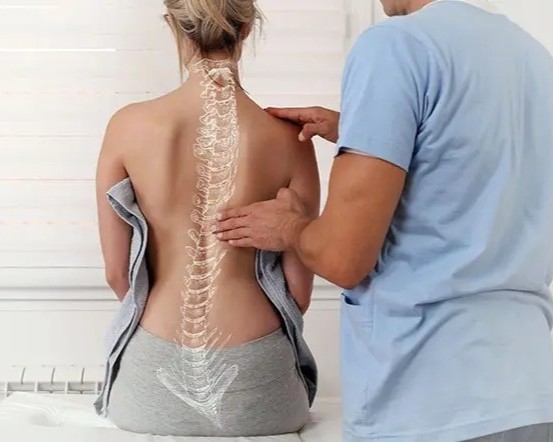
If you're experiencing lower back pain, you're certainly not alone. Many people struggle with this issue, and as a local chiropractor, I want to help you understand the best solutions for finding relief. Chiropractic care offers a natural approach to managing pain, focusing on the alignment of your spine and overall body wellness.
There are various strategies to consider, ranging from simple lifestyle adjustments to specific exercises and chiropractic treatments. It's essential to identify which methods may be most effective for you, as each person's experience with back pain is unique.
Chiropractic adjustments can help alleviate discomfort by correcting misalignments in the spine, which can contribute to pain and tension. Additionally, incorporating targeted exercises can strengthen the muscles supporting your back, promoting better posture and reducing the risk of future injuries.
Understanding these options can lead to significant improvements in your daily life. However, I realize that figuring out where to start can be overwhelming. That's why I'm here to guide you through the process and help you find the relief you deserve. Let's work together to explore the best solutions tailored to your needs.
Understanding Lower Back Pain
Lower back pain is a prevalent issue many individuals face at some point in their lives, and it can profoundly affect your daily activities. As a local chiropractor, I want to help you understand the causes and types of lower back pain so you can seek effective relief through natural healing methods.
Lower back pain can arise from various sources, such as muscle strains, ligament sprains, or even underlying medical conditions. I often see patients whose discomfort is exacerbated by poor posture while sitting or standing.
It's also important to recognize that age is a factor; as we age, the risk of developing lower back pain tends to increase due to degenerative changes in the spine.
There are primarily two types of lower back pain: acute and chronic. Acute pain typically lasts from a few days to weeks and often results from a specific injury or activity. Fortunately, this type of pain usually resolves with rest and appropriate care, which may include chiropractic adjustments to promote healing.
Conversely, chronic pain persists for three months or longer and can be more complex to manage. It's often associated with ongoing issues like herniated discs or arthritis, which might require a more comprehensive treatment approach.
As you reflect on your pain, consider how it feels. Is it sharp, dull, or achy? Does it radiate down your legs?
These sensations are crucial for me to understand as your chiropractor, as they can inform the best course of action for your treatment. By gaining insight into the nature and source of your lower back pain, you can take the essential first steps towards achieving relief and improving your overall well-being through chiropractic care and natural healing.
Lifestyle Changes for Relief
As a local chiropractor dedicated to your well-being, I want to share how simple lifestyle changes can significantly relieve lower back pain and enhance your overall quality of life.
First, let's take a closer look at your daily habits. If you find yourself sitting for extended periods, it may be beneficial to invest in an ergonomic chair that provides proper support for your lower back. Additionally, adjusting your workstation to encourage good posture is crucial; make sure your feet are flat on the floor and your knees form a right angle.
Incorporating regular physical activity into your daily routine is essential for maintaining spinal health. Aim for at least 30 minutes of moderate exercise most days of the week. Activities such as walking, swimming, or cycling are excellent choices that can strengthen your back muscles and improve flexibility without placing excessive strain on your spine.
Don't overlook the importance of quality sleep. Ensure that your mattress and pillow are supportive and align your spine correctly. When you sleep, try to maintain a neutral posture; lying on your side with a pillow between your knees can be particularly helpful.
Be mindful of how you move during everyday tasks. When lifting heavy objects, remember to bend at your knees and keep the item close to your body to minimize strain on your back.
Nutrition is another vital component in managing pain. A balanced diet rich in anti-inflammatory foods—such as fruits, vegetables, and whole grains—can help reduce inflammation and support your overall health.
Finally, don't forget to manage stress effectively. Techniques such as mindfulness and relaxation can help reduce muscle tension, which may otherwise exacerbate your back pain.
Effective Stretching Exercises
As a chiropractor dedicated to your well-being, I want to share how effective stretching exercises can play a crucial role in alleviating lower back pain and enhancing your overall flexibility. By integrating these stretches into your daily routine, you can reduce tension, improve mobility, and foster better posture—key elements for maintaining a healthy back.
Let's begin with a simple yet powerful stretch called "Child's Pose." Start by kneeling on the floor, sitting back on your heels, and leaning forward with your arms extended in front of you. Hold this position for 30 seconds to a minute. This gentle stretch is excellent for elongating your spine and relieving stress in your lower back.
Next, I recommend the "Knee-to-Chest Stretch." Lie on your back and gently bring one knee toward your chest, holding it there for 15-30 seconds. Afterward, switch legs and repeat. This stretch is beneficial for relaxing your lower back muscles and enhancing flexibility.
Another great option is the "Piriformis Stretch." While lying on your back, cross one leg over the other and gently pull the lower knee toward your chest. Hold this stretch for 15-30 seconds before switching sides. This exercise can help ease tension in your hips and lower back, which is often a source of discomfort.
Finally, consider incorporating the "Cat-Cow Stretch" into your routine for improved spinal mobility. Begin on your hands and knees, arch your back upwards as you inhale (this is the Cat position), and then drop your belly while lifting your head and tailbone as you exhale (this is the Cow position). Repeat this flowing sequence for about 30 seconds.
By adopting these stretches into your daily life, you might experience a significant reduction in lower back pain and a notable increase in overall flexibility.
Strengthening Core Muscles
As a local chiropractor, I want to emphasize the importance of strengthening your core muscles for optimal spinal health and overall well-being.
A robust core provides essential support for your spine, reducing the risk of lower back pain and enhancing your ability to perform everyday activities comfortably.
Let's dive into some effective core exercises that can significantly improve your back health and help you live a more active, pain-free life.
Importance of Core Stability
As a chiropractor, I want to emphasize that building a strong core is more than just about looking fit; it's crucial for preventing and alleviating lower back pain. Your core muscles are responsible for stabilizing and supporting your spine, which is essential for maintaining good posture during your daily activities.
When your core is weak, your lower back has to work harder, leading to strain and discomfort. Core stability plays a vital role in your overall body function. Whether you're lifting, bending, or simply sitting, a stable core helps distribute forces evenly across your body, which reduces stress on your lower back.
Think of your core as the foundation of a house; without a sturdy foundation, the entire structure is at risk of collapse. Similarly, without a strong core, your body becomes more susceptible to injury and pain.
Additionally, enhancing your core stability can significantly improve your balance and coordination. This is particularly important in preventing falls and other injuries. By focusing on strengthening your core, you're not just protecting your back; you're also enhancing your overall physical performance.
You'll notice that everyday tasks become simpler, and you can enjoy your favorite activities with renewed confidence. Incorporating exercises that promote core stability into your routine is essential.
Effective Core Exercises
As a chiropractor, I want to emphasize the importance of a strong core for overall health and wellness. Strengthening your core muscles can alleviate lower back pain and enhance your stability and posture, which are crucial for maintaining a healthy spine.
Let's start with an effective exercise: the plank. To perform a plank, position yourself on your forearms and toes, ensuring your body forms a straight line from your head to your heels. Aim to hold this position for 20-30 seconds, and as you get stronger, gradually increase the time. This exercise is excellent for building endurance in your core muscles.
Next, I recommend trying bridges. Lie on your back with your knees bent and feet flat on the floor. Lift your hips toward the ceiling while squeezing your glutes at the top, then lower back down. Aim for 10-15 repetitions. This movement not only strengthens your core but also engages the muscles in your lower back and glutes, promoting overall stability.
Another fantastic exercise is the Russian twist. Sit on the floor and lean back slightly while lifting your feet off the ground. Engage your core and twist your torso to one side, then to the other. Perform 10-15 twists per side. This exercise helps improve rotational strength, which is essential for many daily activities.
Lastly, I encourage you to incorporate bird-dogs into your routine. Start on all fours, and extend one arm forward while simultaneously extending the opposite leg back. Hold for a second, then switch sides. This exercise enhances stability and coordination, which are vital for protecting your spine.
By integrating these core exercises into your routine, you can support your chiropractic care and promote a healthier, more resilient body.
Medical Treatments Available
When it comes to finding relief from lower back pain, chiropractic care offers a natural and holistic approach that many patients find beneficial. As a local chiropractor, I want to help you understand the various options available to relieve your discomfort, tailored specifically to your unique needs.
First, it's essential to recognize that pain relievers, whether over-the-counter like ibuprofen or stronger prescriptions, can provide temporary relief. However, they often don't address the underlying causes of pain. Chiropractic care, on the other hand, focuses on treating the root of the problem through adjustments and manipulations to realign the spine and improve overall function.
In addition to spinal adjustments, I often recommend complementary therapies such as physical therapy exercises. A personalized exercise program designed to strengthen your core and enhance flexibility is crucial. This not only alleviates pressure on your spine but also promotes long-term healing and prevention of future issues.
For some patients, we may explore other natural modalities like massage therapy or acupuncture to relieve muscle tension and improve circulation. These therapies can work in conjunction with chiropractic adjustments to enhance your recovery.
If conservative treatments aren't enough, I encourage open communication with your healthcare provider about alternative options. In certain cases, they may suggest injections or other medical interventions, but I believe it's essential to exhaust natural healing methods first, as they can lead to significant improvement in your quality of life.
Ultimately, my goal as your chiropractor is to empower you with the knowledge and tools necessary for your healing journey. Together, we can create a treatment plan that aligns with your lifestyle and health goals, ensuring that you not only find relief but also maintain a healthy, active lifestyle.
Always feel free to reach out with any questions, as I'm here to support you every step of the way!
Alternative Therapies to Consider
As a local chiropractor, I often see individuals struggling with lower back pain, and I want to share some valuable insights on how alternative therapies can enhance your chiropractic treatment and help you find relief. These therapies don't just mask the symptoms; they work to address the root causes of your discomfort.
One effective option is acupuncture. This ancient practice involves inserting thin needles into specific points on your body, which can significantly reduce pain and inflammation. Many of my patients have experienced remarkable relief after just a few sessions, making it a worthy addition to your pain management plan.
Another fantastic alternative is massage therapy. Regular massage can alleviate muscle tension, enhance circulation, and promote relaxation, all of which can contribute to better chiropractic outcomes. When combined with your chiropractic adjustments, massage can lead to improved long-term results and a greater sense of well-being.
I also recommend exploring yoga as a way to strengthen your core and increase flexibility. Many yoga poses are designed to target the lower back, helping to relieve pain and prevent future issues. Additionally, the mindfulness aspect of yoga can be incredibly beneficial for managing stress, which often makes pain worse.
Herbal remedies like turmeric and ginger can offer anti-inflammatory benefits as well. However, it's essential to consult with a healthcare professional before introducing any new supplements to ensure they're appropriate for you.
Lastly, don't underestimate the power of mindfulness techniques such as meditation and deep-breathing exercises. These practices can help you develop effective coping strategies for managing pain and reducing stress levels.
By incorporating these alternative therapies into your routine, you can enhance your overall well-being and potentially find the relief you've been searching for.
Always remember to discuss any new treatment options with your healthcare provider to ensure they align with your chiropractic care plan. Your journey to better health is a holistic one, and I'm here to support you every step of the way.
Importance of Proper Posture
As your local chiropractor, I want to emphasize the importance of maintaining proper posture in managing and preventing lower back pain. When you sit, stand, or move with good posture, you help distribute your body weight evenly across your spine. This balance significantly reduces strain on your lower back, minimizing discomfort and the risk of injuries that can stem from poor alignment.
Many people are unaware that habits like slouching or leaning forward can lead to tight muscles and imbalances in your body. Over time, these patterns can contribute to chronic pain. I encourage you to practice sitting all the way back in your chair, ensuring that your feet are flat on the floor and your knees are at a right angle.
When standing, make sure to distribute your weight evenly on both feet and engage your core muscles to support your spine effectively. When lifting heavy objects, it's essential to bend at your knees rather than your waist and keep the load close to your body. This technique protects your back from unnecessary strain.
Additionally, I recommend assessing your workspace: adjust your chair, desk, and computer screen to promote a neutral spine position. This simple adjustment can greatly reduce your risk of developing lower back pain.
It's crucial to be mindful of your posture throughout the day. Taking regular breaks to stretch and realign your body can help prevent stiffness and discomfort. By consciously improving your posture, not only can you alleviate existing pain, but you can also establish a healthier foundation for your back.
These small adjustments can lead to significant improvements in your overall well-being and quality of life. Remember, your posture is a key component of your health, and as your chiropractor, I'm here to help guide you on this journey to natural healing.
When to Seek Professional Help
As a local chiropractor, I want to emphasize the importance of knowing when to seek professional help for lower back pain. Many people are unfamiliar with how chiropractic care can aid in managing and recovering from back pain, and it's crucial to address these issues before they escalate.
If you find that your lower back pain lingers for more than a few days without improvement from rest or over-the-counter remedies, it's a clear signal that you should consult a healthcare professional, like a chiropractor. Ignoring persistent pain can lead to more complicated problems in the future.
Particularly concerning symptoms to watch for include pain that radiates down your legs, especially when accompanied by numbness or tingling. These signs may indicate nerve involvement, and it's important to have them assessed promptly.
Furthermore, if you experience weakness in your legs or have difficulty walking, don't hesitate to reach out for help.
Be aware of other red flags as well—pain that follows an injury, sudden weight loss, or a fever can all signal underlying conditions that require immediate attention. If you're struggling with daily activities or if your sleep is disrupted due to pain, it's crucial to seek guidance from a chiropractor.
Remember, early intervention is key to preventing complications and accelerating your recovery. As a chiropractor, I can provide a comprehensive assessment, recommend necessary imaging, and discuss treatment options that are tailored to your needs.
My goal is to identify the root causes of your pain and develop a holistic plan to manage it effectively.
Don't let lower back pain limit your quality of life. Trust your instincts—if something feels off, it's wise to get evaluated sooner rather than later. Your health and well-being are of utmost importance, and chiropractic care can be an integral part of your journey to recovery.
Conclusion
As a local chiropractor, I want to share with you some effective ways to find relief from lower back pain. Many people are unaware that a combination of lifestyle changes, targeted exercises, and natural treatments can make a significant difference in your well-being.
First and foremost, consider investing in ergonomic furniture that supports your spine and encourages good posture. This simple adjustment can prevent strain on your back. Additionally, engaging in core-strengthening exercises is vital; a strong core helps stabilize your spine and enhances flexibility, reducing the risk of pain.
I also encourage you to explore alternative therapies such as yoga and acupuncture. These natural healing methods can complement traditional chiropractic care and provide added relief. They focus on promoting relaxation and improving overall body function.
If you find that your pain persists despite these efforts, please don't hesitate to reach out for professional help. Chiropractic care is designed to address the root causes of pain and can guide you on the path to a healthier, pain-free life. Together, we can create a personalized plan that works for you.