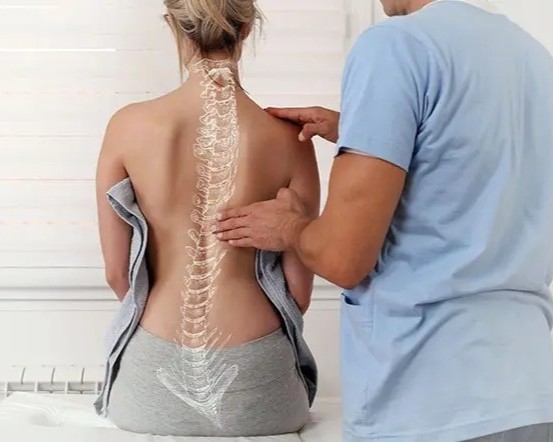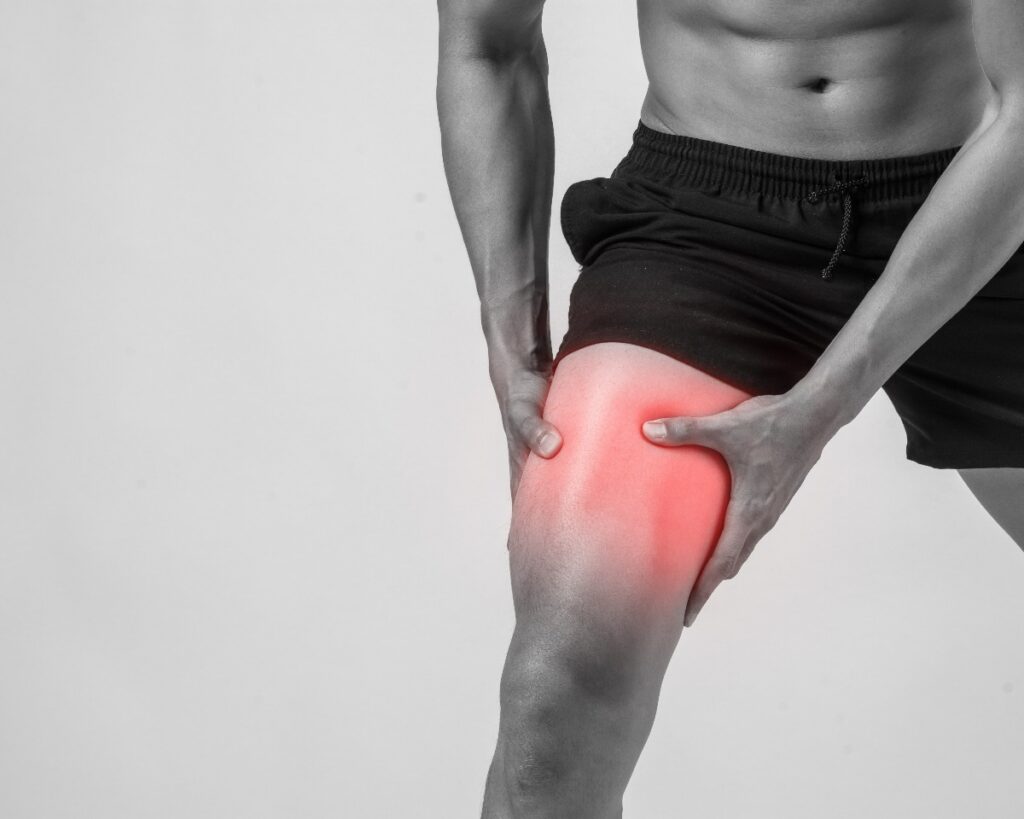
As a local chiropractor, I want to emphasize that if you’re experiencing sports-related back pain, you’re not alone, and there are natural ways to find relief. Understanding the importance of proper posture, engaging in specific exercises, and making thoughtful lifestyle adjustments can greatly alleviate your discomfort. You might be wondering where to begin. By learning about effective practices tailored to your individual needs, you can take significant steps toward improving your back health. Let’s delve into some reliable tips that can help you regain control over your well-being and enhance your overall quality of life.
Maintain Proper Posture During Activity
As a local chiropractor, I want to emphasize the importance of maintaining proper posture during any physical activity to help prevent sports-related back pain. When you’re active, it’s crucial to focus on aligning your spine, shoulders, and hips. Keeping your head up and your back straight helps distribute weight evenly across your body, which significantly reduces strain on your back muscles and ligaments.
It’s also essential to pay attention to your body mechanics, especially when lifting or twisting. Always remember to bend your knees and use your legs to lift rather than relying on your back. If you’re participating in sports, ensure that your stance is balanced and your movements are fluid to avoid injury.
Additionally, engaging your core muscles is vital. A strong core not only supports your spine but also enhances your overall stability during activities.
Lastly, don’t hesitate to take breaks when necessary. If you start to feel any discomfort, it’s a good idea to reassess your posture and make any necessary adjustments.
Incorporate Strengthening Exercises
As a local chiropractor, I want to share some valuable insights on how to effectively manage and prevent sports-related back pain through natural healing methods. One of the most important aspects of this is incorporating strengthening exercises into your routine.
These exercises not only build core stability but also improve posture and significantly reduce the risk of injury. Let’s explore four key exercises that can make a difference in your overall back health:
- Planks: This exercise targets your core muscles, which are crucial for supporting your spine. Start by holding the plank position for 30 seconds to a minute, ensuring your body forms a straight line from head to heels.
- Bird-Dogs: To enhance your stability and coordination, get into a tabletop position on all fours. Extend one arm forward while simultaneously extending the opposite leg behind you. Hold this position for a few seconds before switching sides.
- Bridges: This exercise is excellent for strengthening your lower back and glutes. Lie on your back with your knees bent and feet flat on the floor. Gently lift your hips towards the ceiling, squeezing your glutes at the top, and hold for a moment before lowering back down.
- Supermans: Target your lower back muscles effectively with this exercise. Lie face down on the floor, then lift both your arms and legs simultaneously. Hold this position for a few seconds before gently releasing back to the floor.
By consistently incorporating these exercises into your routine, you can support your back, enhance your athletic performance, and enjoy your favorite sports without pain.
If you have any questions or need personalized advice, please feel free to reach out during your next visit. Your back health is important, and I’m here to help you every step of the way!
Stretch Regularly to Improve Flexibility
As a local chiropractor, I want to emphasize the crucial role that stretching plays in your overall health and well-being. While many of you may focus primarily on strengthening exercises, it’s important not to overlook the benefits of regular stretching to enhance your flexibility. Stretching is essential for maintaining your range of motion, alleviating muscle tension, and even reducing back pain.
When you take the time to stretch, you’re promoting blood flow to your muscles, which not only aids in recovery but also enhances your performance in daily activities and workouts. I recommend incorporating dynamic stretches before your workouts to warm up your muscles and static stretches afterward to cool down effectively.
Pay special attention to areas that often hold tension, such as your hamstrings, hip flexors, and lower back. These regions can contribute to discomfort if not adequately stretched. Aim to hold each stretch for at least 15-30 seconds, and remember to breathe deeply to help relax your muscles.
I encourage you to make stretching a regular part of your routine, aiming for at least three times a week. Over time, you’ll likely notice a significant improvement in your flexibility, which can lead to better athletic performance and a reduced risk of injury.
Prioritizing stretching not only complements the chiropractic care I provide but also supports your body’s natural healing processes. Your back will truly thank you for it!
Use Supportive Equipment and Gear
As a local chiropractor, I want to emphasize the importance of using supportive equipment and gear to enhance your performance and prevent sports-related back pain. Many people may not realize how the right tools can provide the stability and comfort you need while engaging in physical activities.
Here are four essential items I recommend considering:
- Back Support Belts: These belts can offer crucial stability to your lower back during high-intensity activities, helping to stabilize your spine and prevent injury.
- Proper Footwear: Investing in shoes that have good arch support and cushioning can significantly reduce the stress on your back, promoting better alignment and comfort as you move.
- Knee Braces: These can be beneficial for maintaining proper alignment of your knees, which also supports your overall posture and reduces strain on your back during sports.
- Ergonomic Backpacks: Opt for backpacks designed to distribute weight evenly across your back. This can help minimize strain on your spine, especially if you carry heavy loads regularly.
By integrating these supportive items into your routine, you’ll not only feel more comfortable but also promote better alignment, enhancing your overall performance while minimizing the risk of back pain.
Remember, prioritizing your gear is an essential step toward taking care of your body, and you may notice a significant improvement in both your athletic performance and overall well-being.
If you have any questions about your back health or how to choose the right equipment, feel free to reach out for guidance!
Stay Hydrated and Maintain Good Nutrition
As a local chiropractor, I want to emphasize the importance of staying hydrated and maintaining good nutrition for your overall health, especially when it comes to enhancing your performance and aiding in recovery.
Proper hydration and nutrient-rich foods not only fuel your body but also support its ability to manage stress and alleviate discomfort.
It’s crucial to pay attention to when you eat, as meal timing can significantly impact how you feel during and after physical activities.
By making smart choices about hydration and nutrition, you’re not just taking care of your body; you’re also helping it function at its best, which is vital in my practice of promoting natural healing and wellness.
Importance of Water Intake
As a local chiropractor, I want to emphasize the critical role hydration plays in both your overall health and your recovery, particularly in preventing sports-related back pain.
When you keep your body well-hydrated, your muscles and joints operate more efficiently, which helps reduce the risk of strain and injury.
Here are four important reasons to prioritize your water intake:
- Improved Flexibility: Adequate hydration helps maintain the elasticity of your muscles. This can prevent stiffness and discomfort, allowing for better movement and function.
- Enhanced Nutrient Transport: Water is vital for delivering essential nutrients to your muscles. This not only supports recovery but also helps reduce soreness after physical activity.
- Reduced Inflammation: Staying properly hydrated can help combat inflammation in your body. Inflammation is a common contributor to back pain, so drinking enough water can alleviate some of that discomfort.
- Temperature Regulation: Keeping cool during exercise is crucial. When you’re well-hydrated, you can regulate your body temperature more effectively, which minimizes stress on your body and lowers the risk of injury.
Prioritizing hydration not only supports your back health but also enhances your overall athletic performance.
Make it a key part of your wellness routine!
Nutrient-Dense Food Choices
As a local chiropractor, I want to share with you how you can fuel your body for optimal performance and recovery, especially if you’re experiencing discomfort or seeking to enhance your overall health. One of the best ways to support your body is by choosing nutrient-dense foods that are abundant in vitamins, minerals, and antioxidants.
Start by incorporating a variety of fruits and vegetables into your meals—they are essential for reducing inflammation and promoting healing. These colorful foods help your body recover from stress and injury, which is particularly important when dealing with back pain or other musculoskeletal issues.
Lean proteins, such as chicken, fish, and legumes, are crucial for muscle repair and growth. They provide the building blocks your body needs to recover and strengthen.
Whole grains should also be a staple in your diet; they offer sustained energy and fiber, which is important for healthy digestion.
Don’t overlook the importance of healthy fats, found in foods like avocados, nuts, and olive oil. These fats are vital for brain function and hormone balance, both of which play a role in your body’s overall well-being.
Lastly, hydration is key. Drinking plenty of water helps transport nutrients throughout your body and flush out toxins, ensuring your systems function optimally.
By making these mindful food choices, you can enhance your physical performance and support your recovery process.
Timing of Meals
As a local chiropractor, I want to emphasize the importance of meal timing in supporting your overall health and enhancing your body’s ability to heal, particularly if you’re dealing with back pain. Proper nutrition and hydration can significantly aid your recovery and well-being.
Here are four essential tips to keep in mind:
- Pre-Workout Nutrition: It’s crucial to eat a balanced meal 1-3 hours before engaging in any physical activity. This will help fuel your energy levels and prepare your body for movement.
- Post-Workout Recovery: After your workout, aim to consume a combination of protein and carbohydrates within 30 minutes. This helps to repair and rebuild your muscles, which is vital for anyone experiencing discomfort or pain.
- Stay Hydrated: Hydration is key! Make sure to drink water consistently throughout the day, particularly before, during, and after any exercise. Staying hydrated can help alleviate tension and support your body’s functions.
- Regular Meal Schedule: Try to eat smaller, more frequent meals throughout the day. This not only keeps your energy levels stable but can also help reduce the strain on your back.
By incorporating these strategies into your daily routine, you can enhance your performance and experience greater comfort in your body.
Apply Ice or Heat for Pain Relief
As a local chiropractor, I want to help you understand how to effectively manage sports-related back pain using ice and heat.
Applying ice can be incredibly beneficial as it helps to reduce inflammation, which is often a significant contributor to pain. On the other hand, heat can work wonders by relaxing tight muscles, promoting better blood flow, and easing tension.
It’s important to know when to use each treatment. Generally, ice is most effective when you first experience pain or swelling, usually within the first 48 hours.
After this initial phase, applying heat can help soothe discomfort and improve mobility. By alternating between ice and heat, you can enhance your overall recovery and support your body’s natural healing process.
If you’re ever uncertain about which method to use or how to properly apply them, please feel free to reach out. I’m here to guide you on your journey to better health and wellness through natural healing practices.
Ice for Inflammation Control
As a local chiropractor, I’m here to help you understand the benefits of using ice for inflammation control, especially if you’re dealing with back pain after engaging in sports activities.
Cold therapy can be a game-changer when it comes to reducing swelling and numbing discomfort, which can significantly aid in your recovery process. Here are some essential tips for effectively using ice to manage inflammation:
- Apply ice promptly within the first 48 hours following an injury to achieve optimal results.
- Always wrap the ice pack in a cloth or towel before applying it to your skin to prevent frostbite and ensure safety.
- Limit your icing sessions to 15-20 minutes at a time, and be sure to allow your skin to return to a normal temperature between applications.
- Repeat the process every few hours as necessary, particularly after engaging in physical activity, to keep inflammation at bay.
By incorporating these ice application techniques into your recovery routine, you can enhance your healing and get back to your regular activities more comfortably.
If you have any questions or need further assistance, feel free to reach out during your next visit!
Heat for Muscle Relaxation
As a local chiropractor, I want to share with you how effective heat therapy can be for muscle relaxation, particularly after engaging in sports or physical activities.
When you apply heat to your muscles, it enhances blood circulation, which helps alleviate stiffness and promotes the healing process. You have several options for heat application, such as using a heating pad, hot water bottle, or indulging in a warm bath to ease tension in your back muscles.
Just be cautious to ensure the heat is comfortable and not too intense, as we want to avoid any risk of burns.
I recommend applying heat for about 15-20 minutes, as this can provide immediate relief and help soothe those tight muscles. You may even find that gentle stretching becomes more manageable following heat application.
It’s crucial to listen to your body during this process; if you notice that your pain persists or worsens, it’s wise to seek professional help.
Remember that caring for your muscles with the right techniques can significantly enhance your overall well-being. Enjoy the soothing warmth, and give your muscles the attention they need!
When to Alternate Treatments
As your local chiropractor, I want to help you understand the benefits of using heat and ice therapy for managing pain and promoting healing. Knowing when to switch between these treatments can significantly enhance your recovery process. Here are some important guidelines to keep in mind:
- Apply ice if you’ve recently sustained a back injury. Ice is effective in reducing swelling and numbing the pain, giving your body some much-needed relief.
- Transition to heat after 48 hours post-injury. Heat therapy helps increase blood flow to the affected area, which promotes healing and relaxes tight muscles.
- Alternate between ice and heat during flare-ups. This can help you manage discomfort more effectively and provide a balance of relief and healing benefits.
- Pay attention to your body’s signals. If one method feels more effective for you, continue using that treatment until you observe improvements in your condition.
Remember, your comfort and recovery are our top priorities, and understanding these simple principles can make a big difference in your healing journey.
If you have any questions or need personalized advice, don’t hesitate to reach out!
Consult a Professional for Persistent Pain
If you’re experiencing persistent back pain and home remedies haven’t provided relief, it’s crucial to seek the guidance of a professional like a chiropractor. Ignoring ongoing discomfort can lead to more serious complications over time.
As a chiropractor, my role is to thoroughly assess your condition and identify any underlying issues that may be contributing to your pain. Chiropractic care focuses on natural healing and restoring proper function to your spine and nervous system.
I’ll create a personalized treatment plan tailored to your specific needs, which may include spinal adjustments, exercises, and other holistic therapies designed to promote healing and alleviate pain.
In some cases, imaging tests might be necessary to help identify structural problems within your spine. I encourage you to ask questions about your diagnosis and the treatment options available to you.
Being informed about your health empowers you to make better decisions and take an active role in your healing journey. Remember, you don’t have to live with pain; together, we can work towards restoring your well-being naturally.
Conclusion
As a local chiropractor, I want to share some valuable insights on how to manage and alleviate sports-related back pain. By following these seven reliable tips, you can take significant steps toward a healthier back. First and foremost, it’s essential to maintain proper posture—this can make a huge difference in how your back feels during and after physical activity.
Additionally, strengthening your core is vital; a strong core supports your spine and helps prevent injuries. Regular stretching is equally important, as it keeps your back flexible and can reduce tension. Don’t underestimate the power of hydration and proper nutrition, as they play a crucial role in your overall health and recovery.
When it comes to immediate relief, using ice or heat can be very effective depending on the nature of your pain. If your discomfort persists, I encourage you to seek professional advice. As a chiropractor, I can provide tailored guidance and natural healing techniques that can address the root cause of your pain. Empower yourself with this knowledge and take proactive steps toward achieving a pain-free, active lifestyle. Remember, your back health is vital to your overall well-being!