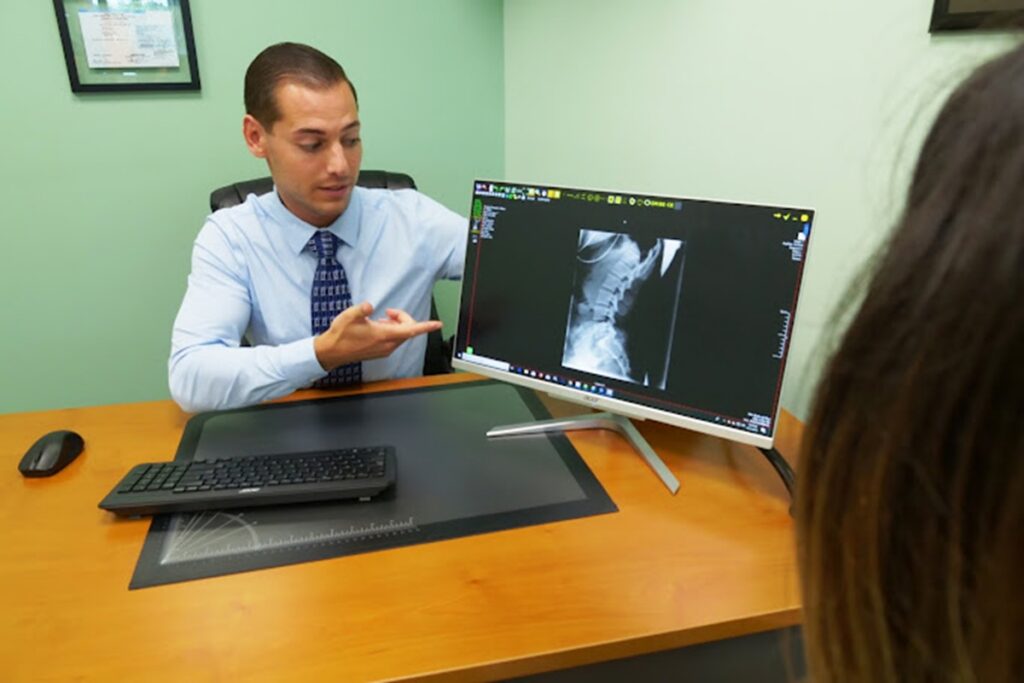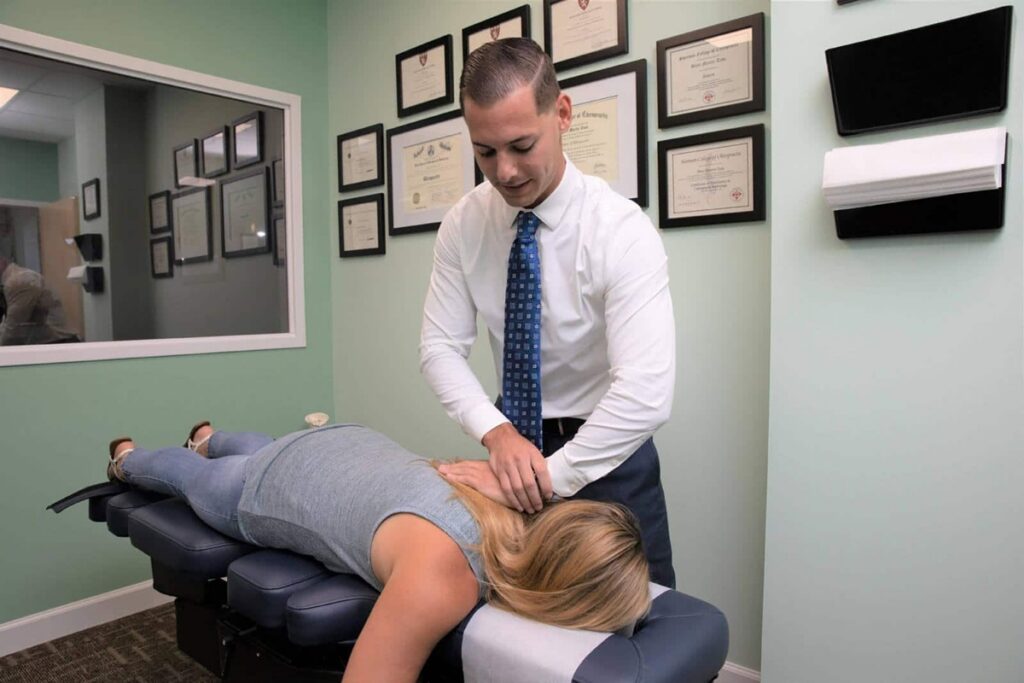
As a local chiropractor, I want to emphasize how crucial it is to improve your posture for relieving back pain and enhancing your overall health. Many individuals aren’t aware of how significantly poor posture can affect their daily lives, leading to discomfort and potential long-term issues. By identifying the root causes of your posture problems and making some straightforward adjustments, you can experience remarkable improvements in your well-being.
So, what specific steps can you take to ensure your posture contributes to a healthier back? Let’s delve into effective strategies that I often share with my patients. Together, we can work toward achieving a posture that not only reduces pain but also promotes a more active and fulfilling lifestyle.
Understanding the Importance of Posture
As your local chiropractor, I want to emphasize the crucial role that posture plays in your overall health and well-being. Many of us spend a significant portion of our day sitting, standing, or moving, and maintaining good posture is essential to keep your body aligned and functioning optimally.
When your posture is correct, it reduces strain on your muscles, ligaments, and joints, which can prevent discomfort and promote better breathing, digestion, and concentration.
By focusing on maintaining proper posture, you actively support your spine, leading to improved blood circulation. This can help you feel more energized and combat fatigue during your daily activities. Additionally, good posture not only benefits your physical health but also enhances your confidence, which can positively influence your interactions with others.
On the other hand, neglecting your posture can result in a range of issues, including back pain and muscle tension. As a chiropractor, I encourage you to prioritize your posture as a proactive measure for long-term health benefits.
Remember, even small adjustments to your body’s alignment can lead to significant improvements in how you feel. I invite you to become more aware of your posture throughout the day—your back will thank you for it!
If you have any questions or need guidance, I’m here to help you on your journey to better health through natural healing.
Common Causes of Poor Posture
As a local chiropractor, I often see patients who may not be aware of how their daily habits can lead to poor posture.
Many of us lead sedentary lifestyles, spend long hours at desks with inadequate ergonomic setups, and unfortunately, experience muscle weakness—all of which can significantly affect how we hold our bodies.
By recognizing these common causes, you can take proactive steps to improve your posture and alleviate back pain.
Chiropractic care can be a vital part of this process, helping to realign your spine and strengthen the muscles that support good posture.
Let’s work together to enhance your overall well-being!
Sedentary Lifestyle Impact
As a local chiropractor, I want to share some important insights about the impact of a sedentary lifestyle on your posture and overall well-being. Many people don’t realize that sitting for extended periods can lead to significant muscle imbalances and weakened core strength.
When you spend too much time sitting, your hip flexors can become tight, while your glutes and abdominal muscles may weaken. This imbalance often results in your pelvis tilting in a way that puts your spine in an unnatural position.
You may notice yourself slouching or leaning forward, which can cause additional strain on your back and neck. Furthermore, the time spent in front of screens can lead to hunching your shoulders and craning your neck, making poor posture even worse.
To address these issues, I encourage you to incorporate regular movement into your daily routine. Simple actions like standing up to stretch or taking short walks can make a significant difference in your posture and help reduce back pain.
Inadequate Ergonomic Setup
As a local chiropractor, I often see patients who are unaware of how an inadequate ergonomic setup can lead to poor posture and chronic back pain.
Whether you’re working from home or in an office, it’s crucial to evaluate your workspace for potential issues. Here are some common pitfalls that could be affecting your spine health:
- Chair Height: An improperly adjusted chair can place undue strain on your back. Make sure your chair is set at the right height to support your spine’s natural alignment.
- Monitor Position: Your computer screen should be positioned at eye level. If it’s too high or low, you may find yourself slouching or leaning forward, which can lead to discomfort over time.
- Keyboard and Mouse Placement: If your keyboard and mouse are positioned too far away, you might stretch your arms uncomfortably, creating tension in your shoulders and wrists. Keep them close enough to maintain a relaxed posture.
- Foot Position: Your feet should be flat on the floor or on a footrest. If your legs are dangling, it can lead to poor circulation and discomfort.
By optimizing your workspace, you can significantly improve your posture and reduce the risk of pain.
Muscle Weakness Factors
As a local chiropractor, I want to emphasize the importance of a well-rounded approach to your health, particularly when it comes to posture and muscle strength.
While having an ergonomic setup at your workstation is crucial, it’s important to recognize that muscle weakness can significantly contribute to poor posture. When your core, back, and hip muscles are weak, they struggle to support your spine properly, often leading to slouching or leaning. This poor alignment puts additional strain on your back, which can result in discomfort or pain over time.
If you find yourself sitting for long periods or not engaging in regular strength training, your muscles may weaken, making it increasingly difficult to maintain good posture.
To address this issue, I recommend focusing on exercises designed to strengthen your core and back muscles. Incorporating resistance training and flexibility routines into your weekly regimen can help build the strength necessary to support proper alignment.
This not only helps improve your posture but also reduces the risk of developing back pain. Remember, taking proactive steps towards strengthening your muscles can lead to better overall health and well-being.
If you have any questions or need guidance on specific exercises, feel free to reach out to me!
Daily Habits That Contribute to Back Pain
As a local chiropractor, I want to shed light on how certain daily habits can significantly impact your back health. Many people are unaware that small changes in their routines can lead to relief from discomfort.
Here are four common habits that may be contributing to your back pain:
1. Poor Posture: Many of us tend to slouch or hunch over while sitting or standing. This can put undue strain on your back muscles, leading to pain over time.
It’s essential to be mindful of your posture throughout the day.
2. Inactivity: Sitting for long stretches without taking breaks can weaken your back and result in stiffness.
Incorporating regular movement into your day can help strengthen your back and improve your overall well-being.
3. Improper Lifting Techniques: If you bend at the waist rather than using your legs to lift, you may be putting excessive pressure on your back.
Learning proper lifting techniques can help prevent injury and pain.
4. Sleeping Positions: The way you sleep can greatly affect your spine’s alignment.
If you’re using an unsupportive mattress or adopting unfavorable sleep positions, you may be setting yourself up for discomfort.
By recognizing and adjusting these habits, you can take proactive steps toward alleviating back pain and enhancing your overall health.
If you’re experiencing persistent discomfort, consider visiting a chiropractor for personalized guidance and support.
Exercises to Strengthen Postural Muscles
As your local chiropractor, I want to emphasize the importance of strengthening your postural muscles to improve your overall posture and alleviate back pain.
It’s crucial to focus on exercises that target your core, back, and shoulder muscles, as these areas play a significant role in maintaining proper alignment and stability.
One effective exercise is the plank. This move engages your entire core and helps to enhance stability. I recommend starting with holds of 30 seconds to a minute, gradually increasing your time as you build strength.
Another great exercise is the wall angel. This helps improve shoulder mobility and posture. To perform this exercise, stand with your back against a wall and slide your arms up and down while keeping your elbows and wrists in contact with the wall.
This simple movement can make a significant difference in how your shoulders function.
Don’t forget about the bird-dog exercise, which promotes balance and engages your lower back. Begin on all fours, extend one arm forward while simultaneously extending the opposite leg back, then switch sides. Aim for 10-15 repetitions on each side.
Remember, consistency is key. Incorporating these exercises into your routine several times a week can lead to noticeable improvements in your posture and a reduction in back pain.
As always, if you have any questions or need personalized guidance, feel free to reach out during your next visit. Your journey to better posture and pain relief is important to me!
Ergonomic Adjustments for Your Workspace
As a local chiropractor dedicated to promoting better back health, I want to share with you some important steps you can take to improve your posture and reduce discomfort while working.
Strengthening your postural muscles is just one aspect of your wellness journey, but making ergonomic adjustments in your workspace is equally vital. Here are four essential changes to consider:
- Chair Height: Start by adjusting your chair so that your feet are flat on the floor. Your knees should be positioned at a 90-degree angle. This simple adjustment can significantly relieve pressure on your lower back.
- Desk Setup: It’s crucial to position your monitor at eye level. This helps prevent unnecessary strain on your neck. Additionally, keep your keyboard and mouse close enough to avoid reaching, which can lead to tension in your shoulders and arms.
- Supportive Backrest: It’s important to use a chair that offers proper lumbar support. This helps maintain the natural curve of your spine, promoting better posture and reducing the risk of discomfort during long hours of sitting.
- Foot Support: If your feet don’t reach the ground, consider using a footrest. This will help keep your legs at a comfortable angle and reduce strain on your lower back.
By implementing these ergonomic adjustments, you can greatly improve your seating posture, leading to a more comfortable and pain-free workday.
Techniques for Maintaining Good Posture
As your local chiropractor, I want to emphasize the importance of maintaining good posture for your overall health. One of the key steps in achieving this is to set up your workstation in an ergonomic way. This means arranging your chair, desk, and computer in a manner that keeps your body properly aligned, which can significantly reduce strain on your back.
In addition to an ergonomic setup, it’s crucial to strengthen your core muscles. A strong core acts as a natural support system for your spine, making it easier to sit or stand tall throughout the day.
By focusing on these two aspects—ergonomics and core strength—you can enhance your posture and promote better spinal health. Remember, good posture not only improves how you feel physically, but it also contributes to your overall well-being.
If you have any questions about how to create a more supportive environment or exercises to strengthen your core, feel free to ask during your next visit!
Ergonomic Workstation Setup
As a chiropractor dedicated to helping my patients achieve optimal health, I want to emphasize the importance of creating an ergonomic workstation. Proper setup can significantly improve your posture and alleviate back pain, which many of you may be experiencing.
Here are four essential techniques to consider:
- Adjust Your Chair: It’s crucial that your chair provides adequate support for your lower back. Ensure it allows your feet to rest flat on the floor, which helps maintain proper spinal alignment.
- Position Your Monitor: Your monitor should be positioned at eye level, roughly an arm’s length away. This setup can help prevent neck strain, which is a common issue among those who spend long hours at a desk.
- Use a Keyboard Tray: A keyboard tray can be beneficial for keeping your keyboard at elbow height. This arrangement allows your arms to remain relaxed and can reduce the risk of developing tension in your shoulders and wrists.
- Take Breaks: I encourage you to stand up and stretch every 30 minutes. This practice keeps your muscles engaged and helps prevent stiffness, which can contribute to discomfort and poor posture over time.
By implementing these ergonomic adjustments, you can experience lasting improvements in your posture and overall comfort.
Strengthening Core Muscles
As your local chiropractor, I want to emphasize the importance of not just having an ergonomic workstation, but also strengthening your core muscles for optimal spinal support.
Good posture is essential, and it starts with a strong foundation. Engaging in core-strengthening exercises, such as planks, bridges, and leg raises, can significantly benefit your abdominal and lower back areas. I recommend incorporating these exercises into your routine several times a week to achieve the best results.
In addition to core strengthening, it’s crucial to include balance exercises in your regimen. Activities like standing on one leg or using a stability ball can greatly enhance your core stability.
As your core strength improves, you’ll likely notice an easier time maintaining good posture throughout your day-to-day activities.
Remember, a strong core isn’t just about posture; it plays a vital role in reducing the risk of back pain and improving your overall performance in daily tasks.
The Role of Stretching in Posture Improvement
As a local chiropractor, I often see patients who underestimate the significant role that stretching plays in improving posture and overall health.
Incorporating regular flexibility exercises into your routine can greatly enhance your body’s alignment and help alleviate back pain. Stretching is essential because it lengthens tight muscles that can pull your body out of balance.
Here are four important ways that stretching can benefit your posture:
- Increased Flexibility: By improving the range of motion in your joints, stretching promotes better movement patterns, which can enhance your overall physical function.
- Improved Muscle Balance: Stretching works to correct muscle imbalances, helping your body move more symmetrically and efficiently, which is crucial for proper posture.
- Reduced Muscle Tension: Keeping your muscles loose through stretching reduces strain on your back, leading to less discomfort and a greater sense of well-being.
- Enhanced Body Awareness: Regular stretching fosters greater mindfulness of your posture, encouraging you to maintain better alignment throughout your daily activities.
Incorporating these stretching practices into your life is a natural and effective way to support your chiropractic care and improve your posture.
Monitoring Your Progress and Staying Motivated
Tracking your progress and staying motivated are essential elements in your journey towards improved posture and alleviated back pain. As a local chiropractor, I encourage you to start by keeping a journal to document your daily improvements, setbacks, and any noticeable changes in your pain levels. This record not only helps you identify patterns but also strengthens your commitment to achieving better posture and overall well-being.
It’s important to set realistic goals and celebrate your achievements, no matter how small they may seem. Whether it’s standing a bit taller or feeling less discomfort, recognizing these milestones can significantly boost your motivation. You might find it helpful to use apps or set reminders to keep your focus on maintaining good posture throughout your day.
I also recommend surrounding yourself with supportive friends or even joining a community with similar health goals. Sharing your journey with others can inspire you and provide a sense of accountability.
Remember, improvement takes time, and consistency is key in chiropractic care and natural healing. When you feel discouraged, take a moment to revisit your progress journal; it can serve as a powerful reminder of how far you’ve come and help reignite your motivation.
Stay focused on your goals, and together, we’ll work towards achieving the results you desire!
Conclusion
As a local chiropractor, I want to share how improving your posture can bring you significant relief from back pain and enhance your overall well-being. Many people underestimate the impact of posture on their health, but understanding its importance is the first step toward feeling better.
Often, our daily habits contribute to discomfort without us even realizing it. By recognizing these habits, we can start to make mindful changes. Incorporating specific exercises, making ergonomic adjustments in your workspace, and engaging in regular stretching can be incredibly beneficial.
As a chiropractor, I encourage you to stay consistent with these practices and monitor your progress. It’s essential to embrace these changes not only to alleviate back pain but also to lead a healthier, more active lifestyle. Remember, natural healing is a journey, and I’m here to support you every step of the way. Together, we can work towards your wellness goals.