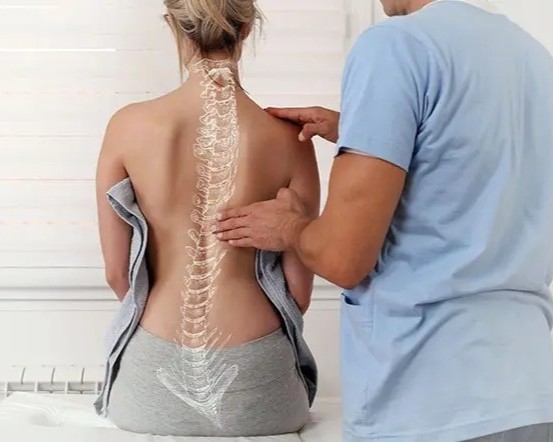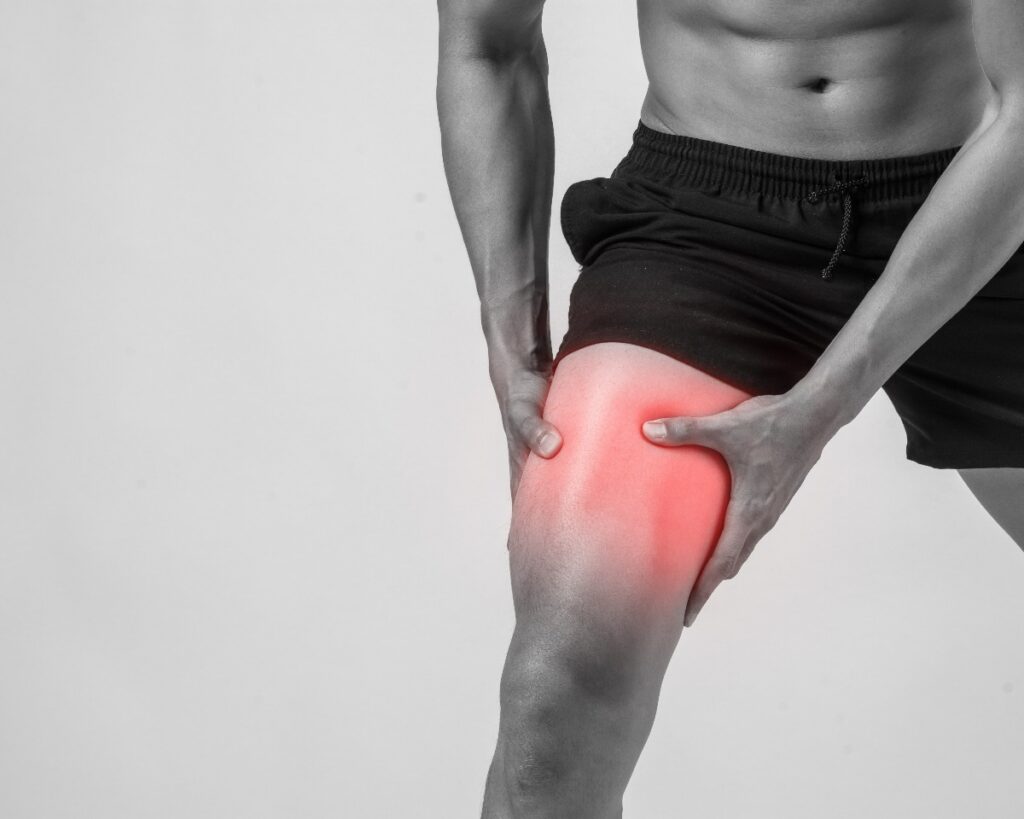
As a local chiropractor, I want to share how a natural approach to recovering from sports injuries can truly enhance your healing journey. By focusing on nutrition, gentle movement, and mindfulness, you can support not only your body but also your mind during the recovery process. These elements work harmoniously to promote healing and resilience.
So, what specific practices can you incorporate into your routine to optimize your recovery? Let’s delve into some key factors that can help you bounce back more effectively and get back to your game sooner.
Nutrition plays a vital role in healing. Eating a balanced diet rich in anti-inflammatory foods can aid in tissue repair and overall wellness. Incorporating lean proteins, healthy fats, and plenty of fruits and vegetables can provide your body with the essential nutrients it needs to recover.
Gentle movement is also important. Engaging in light exercises, stretching, or even yoga can keep your body limber and help prevent stiffness without putting too much strain on your injured area. As a chiropractor, I can recommend specific movements tailored to your injury that will promote healing without exacerbating the issue.
Mindfulness practices, such as meditation or deep breathing exercises, can help manage pain and reduce stress. These techniques can foster a positive mindset, which is crucial for recovery.
By integrating these natural methods into your healing journey, you can experience a smoother recovery process. As your chiropractor, I’m here to guide you through these practices and help you get back to the activities you love with confidence and ease.
Understanding Sports Injuries and Their Impact
As a local chiropractor, I want to help you understand the nature of sports injuries and how they can impact your body. Whether you’re dealing with a minor sprain or a more serious fracture, each injury can significantly affect your performance and overall well-being.
It’s crucial to recognize the early signs of injury, such as pain, swelling, or limited movement, as these are your body’s way of signaling that something isn’t right. Injuries can lead to more than just physical discomfort; they can disrupt your training routine and even take a toll on your mental health.
As a chiropractor, I believe that understanding the specifics of your injury is essential for effective communication with healthcare providers and for crafting a personalized recovery plan. By learning about how injuries work and how chiropractic care can support your healing process, you can make informed decisions that promote recovery and help you return to your favorite activities more quickly.
Chiropractic care focuses on natural healing and restoring balance to your body, which can greatly enhance your recovery. Together, we can work on strategies to not only address your current injury but also strengthen your body to prevent future issues.
The Role of Nutrition in Recovery
As a local chiropractor, I want to emphasize that recovering from a sports injury involves more than just physical therapy and adjustments; nutrition is a vital component of the healing process. To support your recovery, it’s important to fuel your body with the right nutrients.
Lean proteins, such as chicken, fish, and legumes, are crucial as they assist in repairing damaged tissues. Additionally, integrating a variety of fruits and vegetables into your diet will provide essential vitamins and minerals that strengthen your immune system and help reduce inflammation.
Carbohydrates also play a key role in your recovery by providing the energy necessary for rehabilitation exercises. Whole grains, sweet potatoes, and quinoa are excellent sources of these important nutrients.
Don’t overlook the significance of staying hydrated; water is essential for transporting nutrients throughout your body and aiding in the removal of toxins.
Furthermore, I encourage you to pay attention to the timing of your meals. Consuming a balanced meal or snack within 30 minutes after your workouts can significantly enhance your recovery process.
Herbal Remedies for Healing
As a chiropractor, I want to emphasize the importance of a holistic approach to your recovery from sports injuries, which includes not only physical therapy and nutrition but also the use of herbal remedies. Integrating these natural options can significantly enhance your healing process.
Take arnica, for example. It’s a fantastic herb known for its anti-inflammatory properties. When applied topically, it can help reduce swelling and alleviate pain, making it a great complement to your chiropractic adjustments.
Another powerful ally is turmeric, particularly its active compound curcumin, which is renowned for its strong anti-inflammatory effects. You can easily incorporate turmeric into your diet or consider it as a supplement to help manage inflammation.
Ginger is also a wonderful addition to your recovery regimen. It promotes better circulation and can help ease pain. You can enjoy ginger as a tea or include it in your meals for added benefits.
Additionally, boswellia, a herb often found in traditional medicine, is known to assist in reducing joint inflammation, making it a valuable option for those dealing with sports injuries.
However, it’s crucial to consult with a healthcare professional before starting any herbal remedies. This ensures they’re safe for you and won’t interfere with any other medications you may be taking.
Incorporating Mindfulness and Meditation
As a local chiropractor, I want to emphasize the importance of incorporating mindfulness and meditation into your recovery journey. These practices can significantly enhance your healing process and complement the chiropractic care you receive. By focusing on the present moment, mindfulness can help alleviate the stress and anxiety that often accompany injuries, creating a more conducive environment for healing.
Setting aside just a few minutes each day for mindfulness can be transformative. It creates a mental space that promotes relaxation and improves your overall well-being. When you meditate, you can tune into your body more effectively, which fosters a deeper awareness of both your physical sensations and emotional state. This connection empowers you to listen to your body’s needs, guiding your recovery and helping to prevent overexertion.
To begin this practice, find a quiet space where you can sit comfortably. Close your eyes and take a few deep breaths, allowing yourself to relax. Visualize your injury healing and consciously let go of any negative thoughts that may arise.
As you develop a consistent practice of mindfulness and meditation, you may notice increased patience and resilience—qualities that are essential for a successful recovery.
I encourage you to embrace these valuable tools alongside your chiropractic care. Together, they can help you achieve a more holistic approach to healing, supporting your body’s natural ability to recover.
The Benefits of Gentle Movement and Stretching
As a local chiropractor, I want to emphasize the importance of gentle movement and stretching in your recovery journey.
These practices can significantly enhance your overall well-being. By promoting blood circulation, they help reduce muscle stiffness and improve your range of motion.
Incorporating gentle movements and stretches into your daily routine can greatly assist in your healing process, allowing you to recover from injuries more effectively.
It’s essential to understand that these natural methods are vital components of chiropractic care and can lead to a healthier, more active lifestyle.
Promotes Blood Circulation
As a local chiropractor, I want to share with you the incredible benefits of gentle movement and stretching, especially in the context of recovering from a sports injury.
When you incorporate these practices into your recovery routine, you significantly enhance blood circulation, which is vital for healing. Improved circulation means that oxygen and essential nutrients are delivered more effectively to the injured area, accelerating the healing process and helping to reduce inflammation.
When you move, your muscles naturally contract and relax, acting like a pump that promotes better blood flow. This process is essential for flushing out toxins and waste products that can slow your recovery.
Moreover, staying active not only aids in physical healing but can also uplift your mood and motivation, making the rehabilitation journey much more enjoyable. I encourage you to include light stretches and gentle movements in your daily routine.
You’ll be amazed at how much of a difference it can make in your recovery time. Remember, consistency is crucial. Making gentle movement a regular part of your recovery plan can lead to quicker results and a more effective rehabilitation experience.
If you have any questions or need guidance on how to get started, feel free to reach out!
Reduces Muscle Stiffness
As a local chiropractor, I want to emphasize the importance of gentle movement and stretching during your recovery process. Many people may not realize that incorporating these practices can significantly reduce muscle stiffness. Engaging in light activities, such as walking or yoga, allows your muscles to warm up and enhances flexibility, which is crucial for your overall well-being.
It’s vital to listen to your body while you go through this journey. Avoid pushing yourself too hard; instead, aim for consistent, low-intensity movements that promote recovery without causing additional strain. Stretching plays a key role in maintaining healthy blood flow to your muscles, which helps alleviate tightness and discomfort.
Simple stretches targeting the areas that feel affected can create a noticeable improvement in how you feel. The goal here is to gently encourage your muscles to relax, relieving tension and supporting the healing process.
By prioritizing these gentle movements, not only will you experience physical relief, but you’ll also be fostering a more effective recovery. Embrace this approach to your healing, and you’ll likely notice a positive change in how you feel.
Enhances Range of Motion
As a local chiropractor, I want to emphasize the importance of incorporating gentle movement and stretching into your recovery process. Many people are unaware that these simple activities can significantly reduce muscle stiffness and enhance your range of motion.
By engaging in gentle movements, you’re not only promoting blood flow, but you’re also nourishing your muscles and joints, which is essential for healing. Activities such as yoga and light stretching can help alleviate tightness and boost your overall mobility.
You may notice that your body feels more agile, making daily tasks easier and less painful. As you gradually improve your range of motion, you’re also lowering your risk of re-injury.
It’s important to remember that gentle movement plays a vital role in your recovery journey. It’s not just about pain relief; it’s about restoring your body’s function and improving your quality of life.
Utilizing Cold and Heat Therapy
As a local chiropractor, I want to share some valuable insights on how cold and heat therapy can significantly aid your recovery from sports injuries. These natural healing methods are effective in targeting pain and inflammation, which are common after an injury.
When you use cold therapy, such as ice packs, it works wonders by numbing the affected area, which helps reduce swelling and slows down blood flow. This approach is particularly beneficial immediately following an injury.
I recommend applying cold therapy for about 15-20 minutes every hour during the first 48 hours to maximize its effectiveness.
Once the initial swelling starts to subside, you can transition to heat therapy. This method is excellent for soothing stiff muscles and improving blood circulation.
Using heat packs or warm towels can help relax tight muscles and increase flexibility, making it easier for you to move. Apply heat for 15-20 minutes at a time to reap the benefits.
Combining cold and heat therapy can optimize your healing process. However, it’s essential to listen to your body throughout this journey.
If you notice that something doesn’t feel right or if your symptoms worsen, don’t hesitate to stop and consult with a healthcare professional.
By incorporating these therapies into your recovery plan, you’ll be taking proactive steps towards healing and getting back to your activities sooner.
The Importance of Sleep in Recovery
As a local chiropractor, I want to emphasize the critical role sleep plays in your recovery from sports injuries. When you sleep, your body enters a powerful healing phase. It’s during this time that growth hormones are released, which are vital for tissue growth and muscle repair. Insufficient rest can hinder your healing process and prolong your recovery time, which is something we certainly want to avoid.
I recommend aiming for 7-9 hours of quality sleep each night. Establishing a consistent sleep schedule is important; try to go to bed and wake up at the same time every day.
Creating a calming bedtime routine can signal to your body that it’s time to relax and prepare for sleep. Additionally, be mindful of your screen time before bed. The blue light emitted from devices can interfere with melatonin production, making it more difficult to fall asleep.
By prioritizing your sleep, you’re giving your body the best chance to heal naturally and effectively, supporting the chiropractic care you receive in my office.
Creating a Supportive Recovery Environment
As a local chiropractor, I want to emphasize the importance of creating a supportive environment to enhance your recovery from sports injuries. Understanding how your surroundings can influence your healing process is crucial. Here are four key elements to consider:
- Comfortable Space: It’s vital to have a recovery area that feels inviting and free from distractions. Soft lighting and comfortable seating can significantly help you relax, ultimately aiding in your healing.
- Positive Relationships: Surround yourself with supportive friends and family who uplift you. Their encouragement can play a crucial role in boosting your morale and motivation throughout your recovery journey.
- Access to Resources: Having essential items readily available, such as ice packs, bandages, and rehabilitation tools, is important. Keeping these within reach will make it easier for you to adhere to your recovery plan, which I can help guide you through.
- Healthy Nutrition: Your diet plays a significant role in your recovery. Stock your kitchen with nutritious foods rich in vitamins and minerals that can aid in healing. I can provide recommendations on what foods can best support your recovery process.
By focusing on these elements, you can create an environment that promotes natural healing and enhances the effectiveness of the chiropractic care you receive.
Conclusion
As a local chiropractor, I want to share with you some natural recovery strategies that can significantly enhance your healing process from sports injuries. It’s not just about treating the injury itself; it’s also about nurturing your overall well-being. By prioritizing nutrition, engaging in gentle movements, and practicing mindfulness, you can create a supportive environment for your body to heal.
Rest is crucial, but so is maintaining a positive mindset during your recovery journey. These elements are just as important as any physical treatment you might receive. I encourage you to embrace holistic practices like these, as they can help you bounce back stronger and more resilient than ever.
Understanding how your body heals can empower you to make mindful choices that support your recovery. Together, we can work towards not just recovering from your injury, but also enhancing your overall health and wellness. Your path to recovery starts with these informed decisions!