When you experience an athletic injury, the path to recovery may seem daunting. As a chiropractor, I want to emphasize how crucial it is to understand the healing process. However, recovery goes beyond just knowing what to expect. It’s important to delve into advanced rehabilitation techniques, proper nutrition, and mental strategies that can aid your healing. Each of these factors plays a vital role in getting you back to peak performance.
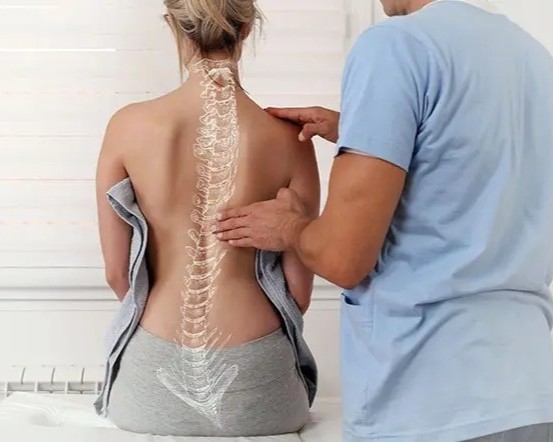
But how can you effectively bring these elements together to enhance your recovery and reduce the risk of future injuries? That’s where chiropractic care comes into play. By addressing misalignments in your spine and improving overall body function, we can support your body’s natural healing abilities. Let’s work together to develop a comprehensive plan that incorporates all these aspects for a safer, more effective recovery.
Understanding the Healing Process
As a local chiropractor, I want to help you understand the healing process following an athletic injury. It’s essential to know that your body moves through three crucial stages: inflammation, repair, and remodeling.
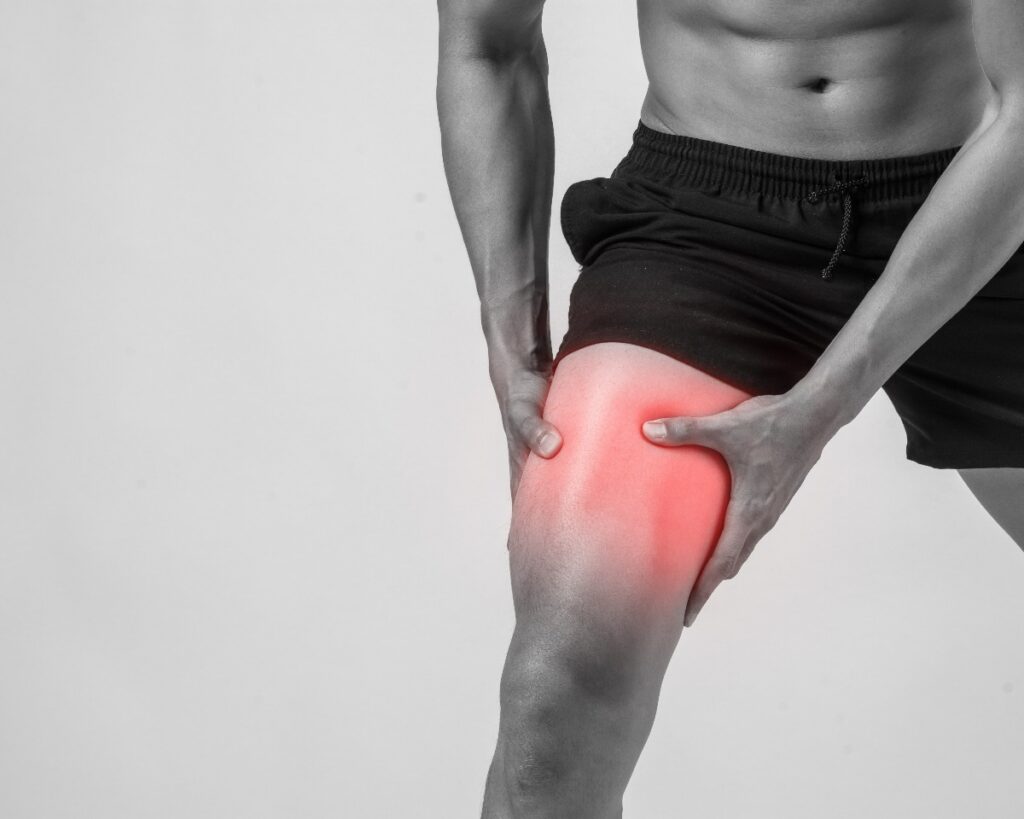
In the inflammation phase, you may notice swelling and pain—this is your body’s natural reaction to injury. During this time, it’s important to rest and consider using ice to reduce swelling. As a chiropractor, I often recommend gentle adjustments and techniques to alleviate discomfort, helping your body begin its healing journey.
Next is the repair phase, where your body starts to rebuild tissue. This is a vital time for you to gently introduce movement and stretching. However, it’s crucial to listen to your body; overexerting yourself can extend your recovery time. Chiropractic care can play a significant role here, as we can guide you through safe exercises and provide manual therapies to support tissue healing.
Finally, we reach the remodeling phase, which is all about strengthening the injured area. You’ll begin to regain both your range of motion and strength during this stage. It’s vital to practice patience; rushing back into your sport too soon can lead to re-injury.
Advanced Rehabilitation Techniques
As you embark on your recovery journey, exploring advanced rehabilitation techniques can significantly boost your healing process. Here at our chiropractic practice, we emphasize methods like neuromuscular re-education, which helps restore muscle function and coordination. This approach allows you to regain strength more effectively and naturally.
We also utilize innovative tools such as electrical stimulation, which can encourage muscle contractions. This not only improves circulation but also helps alleviate pain, providing you with a more comfortable recovery experience.
Incorporating resistance bands and balance training into your routine is another effective strategy. These exercises not only build strength but also enhance stability and flexibility, which are crucial for a full recovery.
Additionally, don’t overlook the importance of targeted stretching routines; they can play a vital role in restoring your range of motion.
I also recommend working with a physical therapist who specializes in sports injuries. They can create a personalized rehabilitation program tailored to your specific needs, ensuring that your progress is both safe and effective.
The Role of Nutrition in Recovery
As a local chiropractor, I want to emphasize the vital role that nutrition plays in your recovery process. The way you nourish your body has a direct impact on muscle repair, energy levels, and overall well-being. By fueling yourself with the right nutrients, you can significantly enhance your healing journey.
Here are some essential nutritional components that I recommend focusing on:
- Protein: This macronutrient is crucial for repairing and building muscle. I encourage you to include lean protein sources in your diet to support your recovery.
- Carbohydrates: These are your body’s primary energy source, providing the stamina needed for recovery and daily activities. Incorporate healthy carbs into your meals to keep your energy levels up.
- Healthy Fats: Good fats are important for cell function and can help reduce inflammation, which is key in the healing process. Look for sources like avocados, nuts, and olive oil.
- Vitamins and Minerals: These micronutrients are essential for your overall health and play a significant role in recovery. Focus on consuming a variety of fruits and vegetables to ensure you’re getting a broad spectrum of vitamins and minerals.
- Hydration: Staying well-hydrated is critical for transporting nutrients throughout your body and maintaining proper bodily functions. Make sure to drink plenty of water, especially during your recovery.
By incorporating these nutritional elements into your diet, you can help your body recover more effectively from injuries.
Remember, the food you eat can either support or hinder your healing process, so it’s important to prioritize balanced meals and be mindful of your nutritional choices.
As your chiropractor, I’m here to support your holistic healing journey, and nutrition is a key part of that.
Mental Strategies for Effective Healing
While physical recovery is crucial, it’s important to recognize that your mental well-being plays a significant role in your healing journey. As a chiropractor, I encourage you to cultivate a positive mindset as part of your recovery process. Visualizing your healing and imagining yourself back to your best self can be a powerful motivator and help build resilience.
Incorporating mindfulness techniques, like deep breathing exercises or meditation, can greatly reduce anxiety and improve your focus. These practices allow you to stay present and better manage any setbacks you may encounter along the way.
Setting achievable goals, both short and long-term, can help maintain your motivation throughout your recovery. Celebrate those small victories, as they serve as reminders of the progress you’re making.
Surrounding yourself with a supportive network of friends, family, or even fellow patients can provide encouragement and understanding during your healing journey.
Lastly, if you ever feel overwhelmed by your situation, don’t hesitate to seek professional support. A sports psychologist or mental health professional can offer valuable tools and strategies tailored to your needs.
Preventing Future Injuries Through Recovery Practices
As your local chiropractor, I want to emphasize the importance of integrating effective recovery practices into your daily routine to prevent future injuries.
By prioritizing recovery, not only will you heal more quickly, but you’ll also fortify your body against potential injuries. Here are some essential practices I recommend:
- Stay Hydrated: Adequate hydration is crucial for maintaining joint lubrication and ensuring your muscles function optimally.
- Incorporate Stretching: Regular stretching is vital for enhancing flexibility and alleviating muscle tension, which can lead to injuries if neglected.
- Get Enough Sleep: Quality sleep is fundamental for muscle repair and overall recovery, allowing your body to heal and rejuvenate.
- Use Foam Rollers: Foam rolling is an excellent technique to relieve muscle tightness and promote better blood circulation, which aids in recovery.
- Listen to Your Body: It’s crucial to pay attention to any pain or discomfort. If you experience these sensations, consider adjusting your training regimen to prevent further issues.
By embracing these recovery methods, you can support your body’s natural healing processes and maintain optimal health.
If you have any questions or need personalized advice, don’t hesitate to reach out!
Conclusion
As your local chiropractor, I want to share some key insights on how to enhance your recovery from athletic injuries. It’s important to adopt a holistic approach to healing. Understanding the healing process is crucial; your body has a remarkable ability to recover, and I can guide you through that journey with chiropractic care.
By utilizing advanced rehabilitation techniques, we can target specific areas of concern and promote optimal healing. Proper nutrition plays a vital role as well—fueling your body with the right nutrients can significantly aid your recovery. Additionally, mental strategies are essential; staying positive and motivated can make a world of difference in your healing journey.
Don’t forget that prevention is just as important. By incorporating these practices into your routine, you can help avoid future injuries. Embrace the process, stay engaged, and remember that every step we take together is a step closer to getting you back to your peak performance. I’m here to support you every step of the way!