When it comes to recovering from a sports injury, it's essential to explore various techniques that can aid in your healing process. As a local chiropractor, I often see patients who are curious about the best options available for their specific needs. While traditional methods like rest and ice have been reliable over the years, there are also innovative approaches like cryotherapy and electrical stimulation that are becoming increasingly popular.
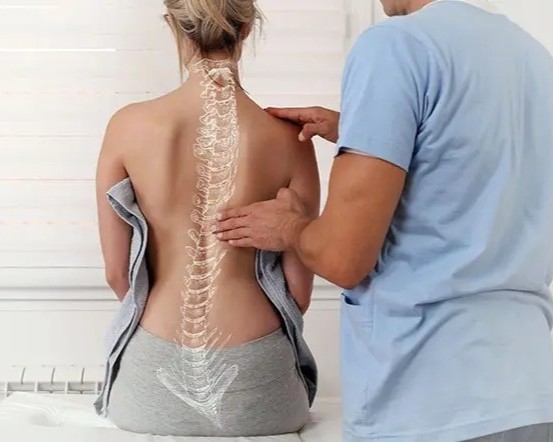
In addition to these techniques, chiropractic care can play a vital role in your recovery journey. By focusing on the alignment of your spine and joints, chiropractic adjustments can help restore function, reduce pain, and enhance your overall healing process.
To determine the most effective combination of recovery methods for your situation, it's important to consider not just the physical aspects but also how your body responds to different treatments. This holistic view is key to achieving optimal recovery. I encourage you to discuss your options with a healthcare professional who can guide you in creating a personalized recovery plan that incorporates chiropractic care and other natural healing techniques.
Overview of Sports Injuries
As a local chiropractor, I want to shed light on sports injuries and how they can affect everyone, whether you're an occasional player or a dedicated athlete. These injuries can occur during physical activities and range from minor sprains to more serious fractures. Understanding these injuries is crucial for a successful recovery and to maintain your active lifestyle.
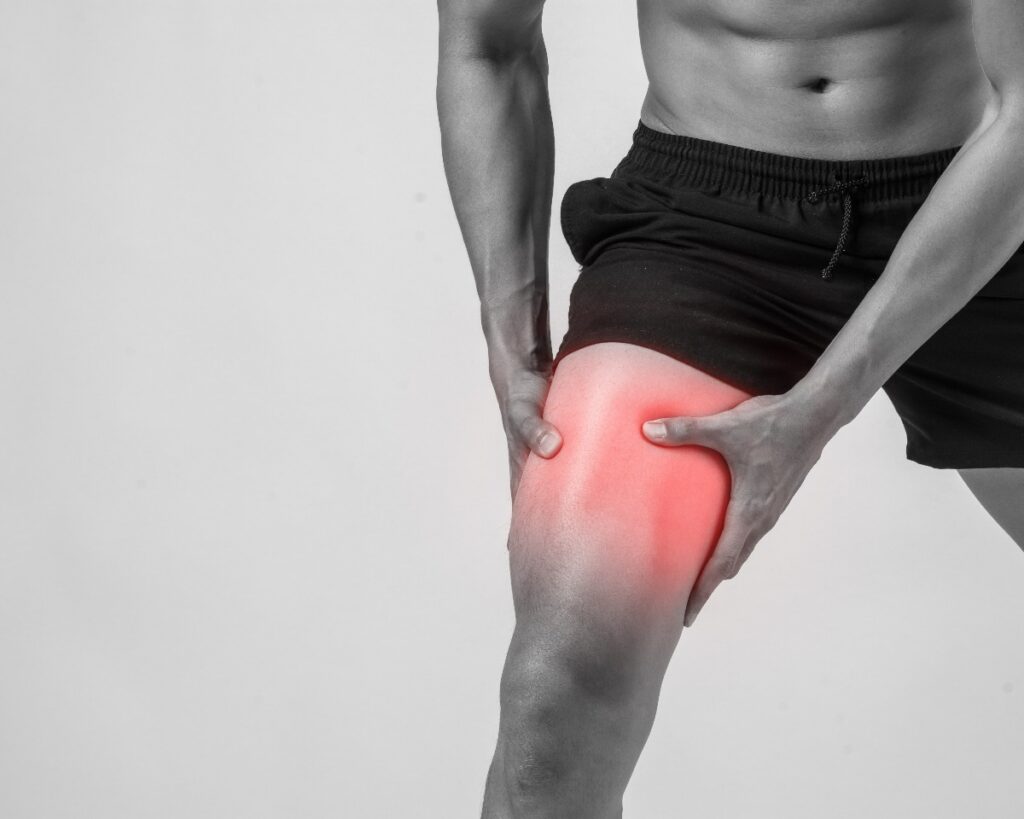
Some common injuries you might encounter include sprains, strains, fractures, and tendonitis. A sprain involves the stretching or tearing of ligaments, which are the connective bands between bones. Strains, conversely, occur when muscles or tendons become overstretched or torn. Fractures indicate a break in the bone, while tendonitis is the inflammation of a tendon, often resulting from overuse.
Engaging in sports comes with risks, especially if certain factors are overlooked, such as improper technique, insufficient warm-ups, or lack of physical conditioning. Even with caution, accidents can happen, so it's essential to be aware of your body's limits.
Injuries also vary in severity. Acute injuries arise suddenly, usually due to a specific incident, while chronic injuries develop gradually over time, often from repetitive stress. Recognizing the distinction between these types can help you address the issue more effectively.
Listening to your body is vital. Be alert to early signs of injury, such as ongoing pain or swelling. Ignoring these symptoms can lead to more serious complications down the line. Taking a proactive approach to your health is crucial; this includes proper training, warming up, and using the right gear to prevent injuries.
As a chiropractor, I emphasize the importance of understanding sports injuries and their implications for your overall well-being. By being informed and taking preventive measures, you can stay active and minimize downtime.
Traditional Recovery Methods
As a local chiropractor, I want to share some foundational recovery methods that are essential for healing from sports injuries. While chiropractic care and other modern techniques can greatly enhance your recovery, it's important to understand the traditional approaches that have been effective for many years.
1. Rest: Allowing your body the necessary time to heal is crucial. Resting the injured area helps reduce inflammation and prevents further harm.
However, this doesn't mean you should remain completely inactive. Engaging in gentle movements can stimulate blood flow and support your recovery process.
2. Ice: Applying ice to the injured area is a simple yet effective way to minimize swelling and alleviate pain. For the first 48 hours after your injury, try to ice the affected area for about 15-20 minutes at a time, several times a day.
Just remember to wrap the ice pack in a cloth to protect your skin from frostbite.
3. Compression: Utilizing a compression bandage can offer support and help control swelling. It's crucial to apply the bandage snugly but ensure it's not too tight to constrict blood flow.
Regularly check your skin for any signs of excessive tightness, as comfort is key in your recovery.
By integrating these traditional methods with chiropractic care, we can work together to promote a more efficient and holistic healing process.
Your journey to recovery is important, and understanding these basics can make a significant difference!
Physical Therapy Techniques
As a local chiropractor, I want to share how physical therapy techniques can significantly aid in your recovery from a sports injury. Many people may not realize that chiropractic care encompasses various methods that not only alleviate pain but also enhance your overall mobility.
One key aspect includes manual therapy approaches, which involve hands-on techniques that help relieve discomfort and improve your range of motion.
Additionally, we focus on exercise rehabilitation strategies tailored to strengthen your body and prevent future injuries.
Manual Therapy Approaches
As a local chiropractor, I want to share how manual therapy approaches can significantly aid your recovery from sports injuries.
These hands-on techniques focus on gently manipulating your body's soft tissues and joints to help relieve pain, improve your range of motion, and encourage natural healing.
Whether you're experiencing a sprain, strain, or persistent discomfort, manual therapy can play a vital role in your rehabilitation journey.
Here are three essential manual therapy techniques I often recommend:
1. Soft Tissue Mobilization: This technique involves applying targeted pressure to your muscles and fascia to ease tension, alleviate pain, and enhance blood flow.
It's especially effective for those tight or knotted muscles that can hinder your performance.
2. Joint Mobilization: This technique focuses on specific joints to restore normal movement patterns.
By gently guiding the joint through its full range of motion, we can reduce stiffness and boost flexibility, which is crucial for regaining proper function.
3. Myofascial Release: This method emphasizes the fascia, the connective tissue that wraps around your muscles.
By applying sustained pressure, we can help release restrictions, reduce pain, and improve your overall mobility.
By incorporating these manual therapy approaches into your recovery plan, we can accelerate your healing process and help you get back to doing what you love sooner.
If you have any questions or would like to learn more about how chiropractic care can benefit you, don't hesitate to reach out!
Exercise Rehabilitation Strategies
As a local chiropractor, I want to emphasize the importance of incorporating exercise rehabilitation strategies into your recovery plan after experiencing a sports injury. These strategies are essential for regaining strength and mobility. They involve specific exercises that are tailored to your unique injury, aiding in muscle rebuilding, enhancing flexibility, and restoring overall functionality.
To start your journey towards recovery, I recommend beginning with gentle range-of-motion exercises. These will help get your joints moving without causing pain. As you progress, we can introduce strength training that focuses on rebuilding the muscles surrounding the injured area. Utilizing resistance bands and bodyweight exercises can be particularly beneficial in this phase.
Additionally, we can't overlook the significance of balance and proprioception exercises; these are crucial for regaining stability and preventing future injuries.
Cardiovascular conditioning is another key component of your rehabilitation. Low-impact activities such as swimming or cycling can significantly improve your overall fitness without putting excessive strain on the injured area. It's essential to listen to your body during this process; if you experience any pain, we can modify or reduce the intensity of your exercises accordingly.
Working closely with a chiropractor like myself can help ensure that you're using the right techniques and progressing at a safe and effective pace. I can provide you with valuable feedback and support, keeping you motivated and accountable throughout your recovery.
Cryotherapy Benefits
As a local chiropractor, I want to share with you the incredible benefits of cryotherapy, particularly if you're navigating recovery from a sports injury. This natural healing technique involves exposing your body to very cold temperatures, which can significantly aid in your recovery process.
Here are three essential benefits you may experience:
- Reduced Inflammation: One of the primary advantages of cryotherapy is its ability to constrict blood vessels. This leads to decreased swelling and inflammation in the affected area. By minimizing inflammation, we can facilitate a quicker recovery and alleviate discomfort, allowing you to feel more comfortable as you heal.
- Pain Relief: Cold therapy naturally numbs nerve endings, providing effective pain relief. If you're dealing with soreness or acute pain due to an injury, cryotherapy can be a transformative experience. This relief can help you get back to your daily activities and sports sooner than you might expect.
- Improved Recovery: After undergoing cryotherapy, your body gradually warms up again, which enhances blood circulation. This increased blood flow is vital, as it brings essential nutrients to the damaged tissues, promoting faster healing and recovery.
Beyond these physical benefits, many of my patients find that cryotherapy sessions are invigorating and revitalizing.
It's not just about physical recovery; it can also enhance your mental clarity and focus, which is crucial for any athlete. If you're serious about returning to your sport and want to incorporate a holistic approach to recovery, consider adding cryotherapy to your routine.
Always remember to consult with a healthcare professional, like myself, to ensure that cryotherapy is the right fit for your specific injury. Embrace the cold and witness the acceleration of your recovery journey!
Hydrotherapy Applications
As a local chiropractor, I want to help you understand the various recovery techniques that can complement your healing journey, particularly one that might be new to you: hydrotherapy. This powerful method utilizes the natural properties of water to promote healing and recovery, which can be especially beneficial if you're experiencing muscle strains, joint pain, or are recovering from surgery.
One of the key advantages of exercising in water is the reduction of impact on your joints. The buoyancy of water supports your body, allowing you to engage in low-impact exercises that can strengthen your muscles and improve your flexibility without the discomfort that often comes with traditional workouts. Activities such as swimming, aquatic therapy, or even a gentle walk in the water can significantly enhance circulation, an essential factor in speeding up your recovery.
Another important aspect of hydrotherapy is the use of temperature variations. Alternating between hot and cold water can stimulate blood flow and help reduce inflammation, making it an effective way to manage pain. Warm water can relax your muscles and ease tension, while cold water can numb pain and reduce swelling.
Hydrotherapy isn't just about physical recovery; it also supports your mental well-being. Being in water has a naturally calming effect, which can help alleviate the stress and anxiety that often accompany injuries. This holistic approach to healing not only aids your physical recovery but also nurtures your mental health during the rehabilitation process.
Incorporating hydrotherapy into your recovery plan can provide a fresh perspective on healing. By leveraging the unique properties of water, you can enhance your overall recovery experience and potentially expedite your return to your favorite activities.
As your chiropractor, I'm here to guide you through these options and help you find the best path to recovery.
Massage Therapy Effects
As a local chiropractor, I want to share with you how massage therapy can significantly enhance your recovery process, especially if you're navigating the challenges of sports injuries. This hands-on technique isn't just about relaxation—it can be a vital component in speeding up your healing journey, alleviating discomfort, and revitalizing your muscles.
You may be amazed at how beneficial it can be in helping you regain your strength and mobility.
Here are three essential effects of massage therapy that I encourage you to consider:
- Enhanced Circulation: One of the primary benefits of massage is its ability to increase blood flow to the areas that need it most. This improved circulation brings vital nutrients and oxygen to your tissues, which can help reduce inflammation and accelerate the healing process.
- Muscle Release and Relaxation: If you've recently experienced an intense workout or a sports injury, your muscles might feel tight and tense. Massage therapy is effective in releasing muscle knots and tension, which not only improves your range of motion but also reduces pain and discomfort.
- Natural Pain Management: Massage stimulates the nervous system and promotes the release of endorphins, which are your body's natural pain relievers. This means that massage can help alleviate pain without the need for excessive reliance on medications, offering a holistic approach to pain management.
Integrating massage therapy into your recovery plan can yield both physical and mental advantages.
You'll find that it not only promotes relaxation but also boosts your motivation to participate in your rehabilitation exercises. Consistent sessions can lead to cumulative benefits, so I encourage you to consider making it a regular part of your recovery strategy.
With a focused approach, massage therapy can be an invaluable tool in overcoming your sports injuries and returning to your activities stronger than ever.
Innovative Recovery Technologies
As your local chiropractor, I want to introduce you to some effective recovery methods that can complement traditional therapies, such as chiropractic adjustments and massage.
Innovative technologies are emerging that can enhance your recovery experience and speed up the healing process, helping you get back to your daily activities more effectively.
One of the notable methods is cryotherapy, which involves exposing your body to extremely cold temperatures for a brief period. This technique can significantly reduce inflammation and alleviate pain by constricting blood vessels, which promotes quicker recovery.
If you're dealing with muscle soreness or an injury, cryotherapy might be a beneficial option for you.
Another remarkable advancement is electrical stimulation devices. These tools deliver electrical impulses to stimulate muscle contractions, which improves blood flow and promotes healing.
The convenience of using these devices at home makes it easier to integrate them into your daily routine, allowing you to take charge of your recovery.
Hydrotherapy is another effective method that utilizes water to aid in your recovery. Through options like underwater treadmills or therapeutic pools, hydrotherapy reduces the impact on your joints while enabling you to perform exercises that strengthen your muscles and enhance mobility.
Additionally, wearable technology can be an invaluable asset in your recovery journey. Devices that monitor your heart rate, sleep quality, and activity levels provide insights into your progress, allowing you to make informed adjustments to your training and recovery strategies.
By incorporating these innovative recovery technologies into your rehabilitation plan, you can enhance your overall healing journey and increase your chances of a successful comeback.
I encourage you to explore these advancements and consider how they might complement your chiropractic care and natural healing process.
Together, we can optimize your recovery strategy for the best results.
Choosing the Right Technique
Choosing the Right Recovery Technique: A Chiropractor's Perspective
As a local chiropractor, I understand that navigating through the myriad of recovery techniques can be overwhelming, especially if you're new to chiropractic care and natural healing.
Whether you're dealing with a sprain, strain, or a more complex injury, selecting the right recovery method is crucial for a swift return to your activities. Here are three key factors to consider when deciding on your recovery approach:
1. Type of Injury: Each injury is unique and may require a specific recovery strategy. For example, if you're experiencing a muscle strain, chiropractic care combined with targeted exercises can promote healing and restore function.
On the other hand, a joint injury might benefit from a combination of adjustments and rest. Understanding the specifics of your injury allows us to tailor your treatment plan effectively.
2. Personal Preferences: It's important to reflect on what recovery methods resonate with you. Chiropractic care involves hands-on techniques, such as spinal adjustments and soft tissue therapy, which many patients find comforting and effective.
If you prefer a more holistic approach, we can incorporate natural healing strategies, such as stretching and nutrition advice. Choosing a method that fits your comfort level and lifestyle will enhance your recovery experience.
3. Professional Guidance: Seeking advice from a healthcare professional like a chiropractor can provide you with tailored insights.
We assess your condition comprehensively and recommend effective recovery techniques that suit your individual needs. Don't hesitate to reach out; our expertise can help you navigate your recovery journey efficiently and minimize the risk of setbacks.
Remember, your recovery is a personal journey, and I'm here to support you every step of the way.
Let's work together to find the best solution for your healing process!
Conclusion
As a local chiropractor, I want to emphasize the importance of exploring various techniques for sports injury recovery to enhance your healing process. By integrating traditional chiropractic methods with innovative natural therapies, we can create a personalized approach tailored to your unique needs. Whether it involves rest, targeted adjustments, physical therapy, or advanced treatments like cryotherapy, finding the right combination is crucial for supporting both your physical and emotional well-being. I encourage you to reach out and discuss these options with me so we can determine the best strategies to aid in your recovery journey. Your health is my priority, and together we can work towards restoring your body's balance and function.