If you’re experiencing neck pain, you might assume that whiplash is the only possible cause. However, the truth is that there are many factors that can lead to neck discomfort. Issues like poor posture, repetitive strain from daily activities, and even certain underlying medical conditions can all play a role. Understanding these causes is crucial for finding relief and achieving better neck health.
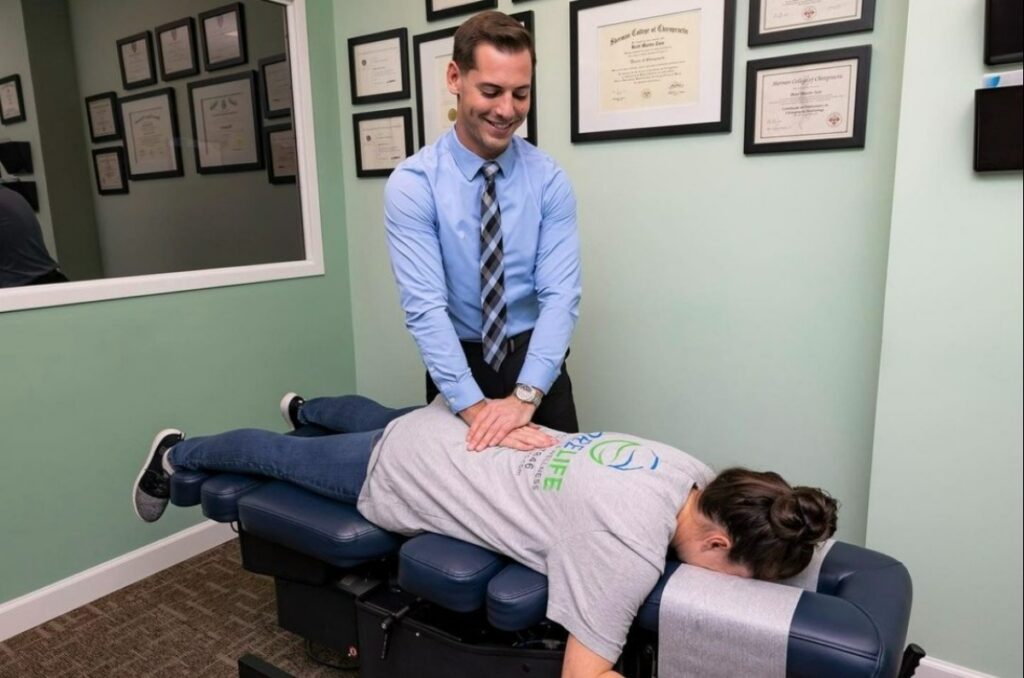
As a chiropractor, I want to emphasize that chiropractic care is an effective and natural way to address neck pain. By focusing on spinal alignment and overall wellness, chiropractic adjustments can help alleviate discomfort and promote healing without the need for medications or invasive procedures.
Here are some tips to help manage your neck pain and support your spinal health:
- Mind Your Posture: Make a conscious effort to maintain good posture, especially if you spend long hours sitting at a desk or looking at your phone. Keep your shoulders back and your head aligned over your spine.
- Take Frequent Breaks: If your work involves repetitive movements or long periods of sitting, make sure to take regular breaks. Stretch your neck and shoulders, and change your position to relieve tension.
- Stay Active: Engaging in regular physical activity can strengthen the muscles that support your neck, improving your overall spinal health. Consider low-impact exercises like walking, swimming, or yoga.
- Use Supportive Pillows: When sleeping, choose a pillow that supports your neck’s natural curve. This can help prevent strain and discomfort while you rest.
- Consult with a Chiropractor: If you’re struggling with neck pain, visiting a chiropractor can provide you with personalized care. Through gentle adjustments and targeted therapies, we can help restore balance to your spine and relieve your pain.
Remember, understanding the various factors contributing to your neck pain is the first step toward finding relief. By focusing on natural healing methods like chiropractic care, you can take control of your health and work towards a pain-free life.
Key Takeaways
Neck pain can often be a mystery, and it’s important to know that it doesn’t just arise from whiplash injuries. As a chiropractor, I want to share some insights on common causes of neck pain and how chiropractic care can help you find relief and maintain optimal health.
- Muscle Strain from Poor Posture: Many people experience neck pain due to muscle strain, especially from poor posture or spending too much time on their phones. Simple adjustments to your sitting habits and taking frequent breaks to stretch can make a big difference. Here at our clinic, we emphasize the importance of good posture and can teach you exercises to strengthen your neck and back muscles.
- Herniated Discs: Sometimes, herniated discs can cause nerve compression, leading to pain that is not related to whiplash. Chiropractic adjustments can help alleviate this pressure, promoting better spinal alignment and reducing discomfort without the need for medications or invasive procedures.
- Arthritis: Arthritis can also play a role in neck discomfort, leading to stiffness and pain that may feel different from typical whiplash symptoms. Regular chiropractic care can help improve mobility and reduce inflammation, allowing you to move more freely and with less pain.
- Cervical Radiculopathy: This condition involves nerve issues that can lead to neck pain. Chiropractic adjustments can help restore proper function to the spine, easing nerve irritation and enhancing overall wellness.
- Stress and Tension: Stress can cause muscle tightness and tension headaches, which often exacerbate neck pain. We focus on holistic approaches that include chiropractic adjustments, relaxation techniques, and lifestyle changes to help you manage stress and promote relaxation.
Incorporating chiropractic care into your wellness routine can be a powerful way to address neck pain naturally. Remember to maintain good posture, take regular breaks from screens, and consider gentle stretches to keep your neck healthy. If you’re experiencing neck pain, don’t hesitate to reach out for a consultation. Together, we can create a personalized plan to help you achieve relief and enhance your overall well-being!
Understanding Whiplash: A Brief Overview
Whiplash is a common injury that occurs when your neck is suddenly jolted back and forth, often as a result of a car accident or a sports-related incident. This rapid movement can put a strain on the muscles and ligaments in your neck, leading to pain and discomfort. You may notice symptoms such as stiffness, headaches, or even dizziness soon after the event.
Understanding whiplash is crucial because the severity of symptoms can range from mild to intense. While some individuals recover in a few weeks, others may experience discomfort for months or even years. This is where chiropractic care comes into play. Early diagnosis and treatment from a chiropractor can help manage your symptoms naturally and effectively.
Chiropractic care focuses on restoring alignment and mobility to your spine and neck. Techniques such as gentle adjustments can help alleviate pain, reduce stiffness, and improve overall function. Additionally, your chiropractor can provide you with personalized exercises and stretches to promote healing and strengthen the muscles around your neck.
If you think you might have whiplash, don’t wait to seek help. Consulting with a chiropractor can be a game-changer in your recovery journey, helping you achieve optimal health and wellness. Remember, taking action early can enhance your recovery and reduce the chances of developing long-term neck pain.
In the meantime, here are some general tips to help you manage whiplash symptoms:
- Ice Packs: Applying ice to the affected area can help reduce inflammation and alleviate pain.
- Gentle Movement: While rest is important, gentle movements and stretches can help maintain mobility and prevent stiffness.
- Good Posture: Be mindful of your posture, especially when sitting or using your phone, to avoid putting additional strain on your neck.
- Stay Hydrated: Drinking plenty of water supports overall health and helps keep your muscles hydrated.
- Rest and Relaxation: Make sure to prioritize rest, and consider relaxation techniques like deep breathing or meditation to help manage stress.
Common Causes of Neck Pain Beyond Whiplash
Neck pain can arise from various sources beyond just whiplash, and it’s a common issue that many people face in their daily routines. Understanding these causes can empower you to tackle your discomfort more effectively, and chiropractic care can play a vital role in your recovery and overall wellness. Here are three common sources of neck pain:
- Muscle Strain: Activities such as prolonged phone use or poor posture while working can lead to muscle strain in your neck. To alleviate this, take regular breaks to stretch and adjust your posture. Gentle neck stretches and strengthening exercises can also help maintain flexibility and strength in the area.
- Herniated Discs: Sometimes, the discs in your spine can bulge or rupture, putting pressure on nearby nerves. This can lead to pain that radiates down your arms or back. Chiropractic adjustments can help alleviate this pressure and restore proper alignment, promoting healing and relief from pain.
- Arthritis: Conditions like osteoarthritis can wear down the cartilage in your neck joints, causing stiffness and discomfort. Chiropractic care focuses on improving joint function and mobility, which can significantly decrease pain and increase your quality of life.
Recognizing these issues is the first step toward finding relief. Chiropractic care offers a natural and effective approach to managing neck pain without the need for medications or invasive procedures. By maintaining regular chiropractic appointments, practicing good posture, and incorporating simple stretches into your daily routine, you can support your neck health and overall well-being. Don’t let pain hold you back—embrace a path to natural healing and a healthier lifestyle!
The Role of Poor Posture in Neck Discomfort
When you spend long hours hunched over a computer or peering down at your phone, the result can be significant neck discomfort. Poor posture places additional strain on your neck muscles and ligaments, forcing them to work harder than necessary. This ongoing tension can lead to stiffness and pain that may radiate down to your shoulders or even into your upper back.
You may not realize it, but your sitting position plays a crucial role in your neck health. Slouching or leaning forward throws your head out of alignment, increasing the load on your neck. To help alleviate this strain, aim to maintain a neutral spine with your ears aligned over your shoulders. Here are a few simple tips to improve your posture and reduce discomfort:
- Take Regular Breaks: Stand up, stretch, and move around every 30 to 60 minutes. This helps relieve tension and reset your posture.
- Adjust Your Workspace: Ensure your computer screen is at eye level and your chair supports your lower back. Keep your feet flat on the ground for better alignment.
- Practice Mindfulness: Pay attention to how you hold your body throughout the day. Check in with your posture and make adjustments as needed.
- Incorporate Neck Exercises: Gentle stretches and strengthening exercises can help improve flexibility and support your neck.
- Consider Chiropractic Care: Regular chiropractic adjustments can help realign your spine, relieve tension, and improve overall posture. A chiropractor can provide personalized care and guidance to help you achieve optimal neck health.
Repetitive Strain Injuries: A Hidden Culprit
Repetitive strain injuries (RSIs) may be a hidden contributor to neck pain, and many people don’t realize how significant their impact can be over time. These injuries arise from repetitive motions or poor ergonomics, leading to discomfort that often goes unnoticed until it escalates into something more severe. If you find yourself spending long hours at a desk or using your smartphone frequently, it’s crucial to be aware of the potential risks. Here are three common activities that might lead to RSIs and how chiropractic care can help:
- Typing on a computer: If your keyboard isn’t positioned correctly, it can lead to unnecessary strain on your neck and shoulders. A chiropractor can guide you in setting up an ergonomic workspace that promotes better posture and reduces tension.
- Smartphone usage: Constantly looking down at your phone can contribute to a condition known as “tech neck.” This forward head posture puts a strain on your neck muscles. Incorporating regular chiropractic adjustments can help realign your spine and alleviate discomfort caused by these habits.
- Performing repetitive tasks: Whether it’s lifting, twisting, or other repetitive movements, doing them over and over can create tension in your neck. Chiropractic care not only addresses the pain but also helps improve your overall movement patterns, reducing the risk of future injuries.
Being aware of these activities is the first step toward prevention and better health. Make some simple adjustments to your workspace and remember to take regular breaks to stretch and relieve tension. Chiropractic care can play a vital role in your journey toward optimal health, offering natural relief and promoting a balanced spine. Prioritize your well-being—your neck will thank you!
Medical Conditions That May Cause Neck Pain
Chronic neck pain can often be linked to underlying medical conditions that may not be immediately apparent. Conditions such as arthritis, herniated discs, and cervical radiculopathy can significantly contribute to your discomfort. It’s important to identify these issues to find effective relief, and chiropractic care can play a vital role in your healing journey.
Here’s a quick overview of some common medical conditions that might cause neck pain and how chiropractic care can help:
| Condition | Description |
|---|---|
| Arthritis | Inflammation in the joints can lead to pain, but gentle chiropractic adjustments can help improve mobility and reduce discomfort. |
| Herniated Disc | A bulging disc can press on nearby nerves, but chiropractic care focuses on spinal alignment to relieve pressure and promote healing. |
| Cervical Radiculopathy | Nerve compression can cause pain to radiate, and chiropractic techniques can help alleviate this pressure, reducing pain and restoring function. |
If you’re dealing with persistent neck pain, consider visiting a chiropractor who can assess your condition and provide personalized treatment options. Understanding the root cause of your pain can empower you to take control of your health and find natural relief.
Here are some general tips to help manage neck pain at home:
- Practice Good Posture: Ensure your workspace is ergonomically set up to support your neck and spine.
- Stay Active: Gentle stretches and exercises can strengthen neck muscles and improve flexibility.
- Use Heat Therapy: Applying a warm compress can relax muscles and alleviate tension.
- Stay Hydrated: Drinking plenty of water helps maintain spinal health and reduce stiffness.
Chiropractic care focuses on natural healing and overall wellness, making it a fantastic choice for those seeking relief from neck pain. Remember, taking steps towards optimal health is a journey, and you don’t have to navigate it alone.
The Impact of Stress and Tension on the Neck
Stress and tension can have a profound effect on your neck, often resulting in discomfort and stiffness that can hinder your daily activities. When you experience stress, your muscles tighten up, which can lead to strain not only in your neck but also throughout your entire upper body. Additionally, poor posture and extended periods of sitting can worsen this tension, so it’s crucial to understand how your mental state affects your physical health.
Here are three ways stress can impact your neck, along with tips on how chiropractic care can help:
- Muscle Tightness: Stress causes your neck muscles to contract, leading to soreness and reduced flexibility. Regular chiropractic adjustments can help relieve this tension by restoring proper alignment and function to your spine, promoting relaxation in your neck muscles.
- Poor Posture: Anxiety and tension can lead to slouching or hunching, which puts extra strain on your neck. A chiropractor can assess your posture and provide tailored exercises and adjustments that encourage healthy positioning, helping you avoid unnecessary strain.
- Headaches: Tension headaches often arise from neck muscle tension. Chiropractic care not only addresses the root cause of these headaches but can also provide relief through spinal adjustments and other holistic techniques that promote overall wellness.
Incorporating regular chiropractic visits into your health routine can be a game changer for managing stress-related neck issues. Additionally, consider these tips for maintaining neck health:
- Practice Good Posture: Be mindful of your posture throughout the day, especially when sitting at a desk. Keep your back straight and shoulders relaxed.
- Take Breaks: If you work at a computer, take frequent breaks to stretch your neck and shoulders. Simple neck rolls or gentle stretches can help alleviate tension.
- Stay Hydrated: Drinking plenty of water can help keep your muscles hydrated and functioning properly.
The Importance of a Comprehensive Diagnosis
When it comes to tackling neck pain, understanding what’s going on beneath the surface is crucial for effective relief. A comprehensive diagnosis is more than just pinpointing whiplash or a simple strain; it dives deeper into possible issues like muscle imbalances, nerve compression, or even past injuries. It’s important to consider factors such as your posture, daily habits, and stress levels—these can all play a significant role in your discomfort.
Visiting a local chiropractor for a thorough evaluation can help uncover the root causes of your pain. This may involve physical examinations, discussions about your medical history, and sometimes imaging studies. By accurately diagnosing your condition, we can create a tailored treatment plan that specifically addresses your unique needs, rather than relying on a one-size-fits-all approach.
Chiropractic care focuses on the spine and its relationship to your overall health, making it a powerful tool in alleviating neck pain. Through gentle adjustments and holistic techniques, we aim to restore proper alignment and function to your spine, which can lead to significant improvements in your well-being.
Here are some general tips to help you manage neck pain at home:
- Posture Check: Be mindful of your posture, especially if you spend long hours at a desk. Ensure your workstation is ergonomically set up to support a healthy spine.
- Stretch Regularly: Gentle neck stretches can help relieve tension. Try tilting your head side to side and forward and backward to promote flexibility.
- Stay Hydrated: Drinking plenty of water helps keep your muscles hydrated and can reduce stiffness.
- Manage Stress: Stress can lead to muscle tension. Practices like deep breathing, yoga, or meditation can help you unwind.
- Sleep Smart: Ensure your pillow supports your neck properly. A good pillow can help maintain spinal alignment while you sleep.
Effective Treatment Options for Neck Pain
When you’re facing neck pain, it’s vital to consider effective treatment options that prioritize natural healing and overall wellness. Chiropractic care is one of the best choices for relieving neck pain and promoting optimal health. Through gentle adjustments, chiropractors can realign your spine, helping to restore function and alleviate discomfort.
Physical therapy can complement chiropractic treatment by strengthening your neck muscles and improving mobility, but chiropractic care is often the cornerstone of recovery. Additionally, there are various natural pain management techniques, such as heat therapy, gentle stretching, and proper posture practices, that can provide immediate relief and support your healing journey.
Physical Therapy Benefits
Neck pain can arise from various sources, but chiropractic care provides effective, natural solutions to alleviate discomfort and enhance mobility. By participating in a personalized chiropractic program, you can regain strength and flexibility in your neck. Here are three key benefits you can expect from choosing chiropractic care:
- Tailored Adjustments: A chiropractor will assess your individual needs and perform specific adjustments to align your spine and relieve tension in your neck, ensuring you receive the most effective care.
- Holistic Techniques: In addition to spinal adjustments, chiropractors utilize various hands-on methods to reduce tension and improve circulation, which can accelerate your body’s natural healing process.
- Lifestyle Education: Through chiropractic care, you’ll gain valuable insights into proper posture, ergonomic practices, and stretches that can help prevent future neck pain. This empowers you to take charge of your health and well-being.
Chiropractic Adjustments Explained
Chiropractic adjustments play a vital role in effectively treating neck pain, providing targeted relief while promoting proper spinal alignment. When you visit our clinic, I will take the time to assess your spine and identify any misalignments or restrictions that may be contributing to your discomfort. By applying gentle, controlled force to specific joints, I can help restore mobility and alleviate tension. This hands-on approach not only helps relieve pain but also enhances your overall function.
Many patients experience immediate relief after an adjustment, as it can reduce inflammation and improve blood flow to the affected areas. Regular chiropractic care can lead to long-lasting benefits, including better posture and an increased range of motion. It’s essential to communicate openly with me about your symptoms and any concerns you may have. This way, I can tailor the adjustments to meet your unique needs, ensuring you achieve optimal results.
In addition to adjustments, there are simple tips you can incorporate into your daily routine to support your neck health. For instance, make sure to maintain good posture, especially if you spend long hours sitting at a desk. Take breaks to stretch and move around, and be mindful of how you hold your phone or tablet. These small changes can make a big difference in your overall well-being.
Chiropractic care is a natural and effective way to achieve pain relief and promote wellness without relying on medications or invasive procedures. By prioritizing your spinal health, you’re taking a significant step toward living a healthier, more active life.
Pain Management Techniques
Effective pain management for neck pain can greatly enhance your daily life and overall well-being. As a chiropractor, I believe that natural healing through chiropractic care is one of the best choices for achieving pain relief and optimal health. Here are three effective approaches to consider:
- Chiropractic Adjustments: Regular adjustments can help realign the spine and relieve tension in the neck. This holistic approach not only alleviates pain but also promotes better overall spinal health. By addressing the root cause of discomfort, you can experience lasting relief and improved mobility.
- Exercise and Stretching: Incorporating gentle exercises and stretches into your daily routine can strengthen neck muscles, improve flexibility, and enhance posture. Simple neck stretches, like tilting your head side to side or gently rolling your shoulders, can help relieve tension and prevent stiffness.
- Posture Awareness: Being mindful of your posture throughout the day can make a significant difference in managing neck pain. Whether you’re sitting at a desk or using your phone, try to maintain a neutral spine position. Investing in ergonomic furniture or taking breaks to stretch can help reduce strain on your neck.
Preventive Measures to Avoid Neck Pain
To prevent neck pain and promote overall wellness, it’s vital to integrate healthy habits into your daily life. First and foremost, maintaining good posture is key, whether you’re sitting at your desk or standing. Ensure your computer screen is at eye level, and choose a chair that provides solid back support. Remember to take regular breaks to stretch and move around, especially if you find yourself working long hours—this can help alleviate tension and keep your spine healthy.
Investing in a supportive pillow is also essential for a good night’s sleep. A proper pillow helps keep your neck aligned with your spine, reducing the risk of waking up with discomfort. When lifting heavy objects, always use your legs to do the work, rather than straining your neck or back.
Incorporating regular exercises that strengthen your neck and upper back can make a significant difference. Activities like yoga or Pilates not only enhance flexibility but also support spinal alignment. Additionally, be mindful of how you use your phone; holding it at eye level can help avoid unnecessary strain on your neck.
Chiropractic care is an excellent resource for those looking to maintain optimal health and alleviate pain naturally. Regular chiropractic adjustments can improve spinal function, promote healing, and help you achieve a pain-free lifestyle. By adopting these simple habits and considering chiropractic care, you can greatly reduce your risk of developing neck pain and lead a healthier, more active life.
Conclusion
In summary, your neck pain likely isn’t just from whiplash. It can stem from various factors such as poor posture, repetitive strain, and stress. As a local chiropractor, I want to emphasize the importance of understanding these causes so you can take proactive steps toward relief and prevention. Seeking a thorough diagnosis is crucial to pinpoint the underlying issues affecting your neck health.
Chiropractic care can provide an excellent pathway to alleviate neck pain naturally. By addressing spinal misalignments and muscle tension, we can help restore proper function and promote healing. In addition to regular chiropractic adjustments, here are some simple tips to support your neck health:
- Maintain Good Posture: Be mindful of your posture while sitting, standing, and using devices. Keeping your head aligned over your shoulders can significantly reduce strain on your neck.
- Take Frequent Breaks: If you spend long hours at a desk or on your phone, make sure to take regular breaks to stretch and move around. This can help prevent stiffness and discomfort.
- Practice Relaxation Techniques: Stress can contribute to muscle tension in your neck. Incorporate relaxation techniques such as deep breathing, meditation, or gentle yoga to help ease stress.
- Stay Active: Regular physical activity is essential for overall health, including neck health. Engage in exercises that strengthen your neck and upper back muscles.
- Apply Heat or Cold: Using a warm compress or ice pack on your neck can provide temporary relief from pain or stiffness.
Don’t let neck pain hold you back—take charge of your health today! With the right chiropractic care and lifestyle adjustments, you can find comfort and improve your overall well-being naturally. Remember, I’m here to help you on your journey to optimal health!