If you're dealing with lower back pain, I want you to know that you're not alone, and finding effective relief is crucial for your daily activities. As a local chiropractor, I often see patients who are unaware of the natural healing options available to them. One of the most effective treatments for lower back pain is chiropractic care, which focuses on aligning the spine and improving overall body function.
In addition to chiropractic adjustments, physical therapy can also play a vital role in your recovery. It offers personalized exercises and stretches that can strengthen your back and improve flexibility. While over-the-counter medications may provide temporary relief, they often don't address the root cause of your pain. That's where alternative therapies come into play; they can promote longer-lasting healing and better overall health.
By understanding these options, you can take an active role in managing your pain and enhancing your quality of life. So, what are the top five treatments that could help you regain comfort and mobility? Let's take a closer look at each one so you can make informed decisions about your care.
Physical Therapy
When it comes to managing lower back pain, chiropractic care can be a transformative approach to your recovery. It's not solely about relieving discomfort; it's about identifying the root cause of your pain and enhancing your body's overall function. When you visit a chiropractor, they'll conduct a thorough assessment to understand your unique condition and develop a personalized treatment plan tailored just for you. This individualized approach ensures that we target the specific areas contributing to your pain, promoting faster healing and improved mobility.
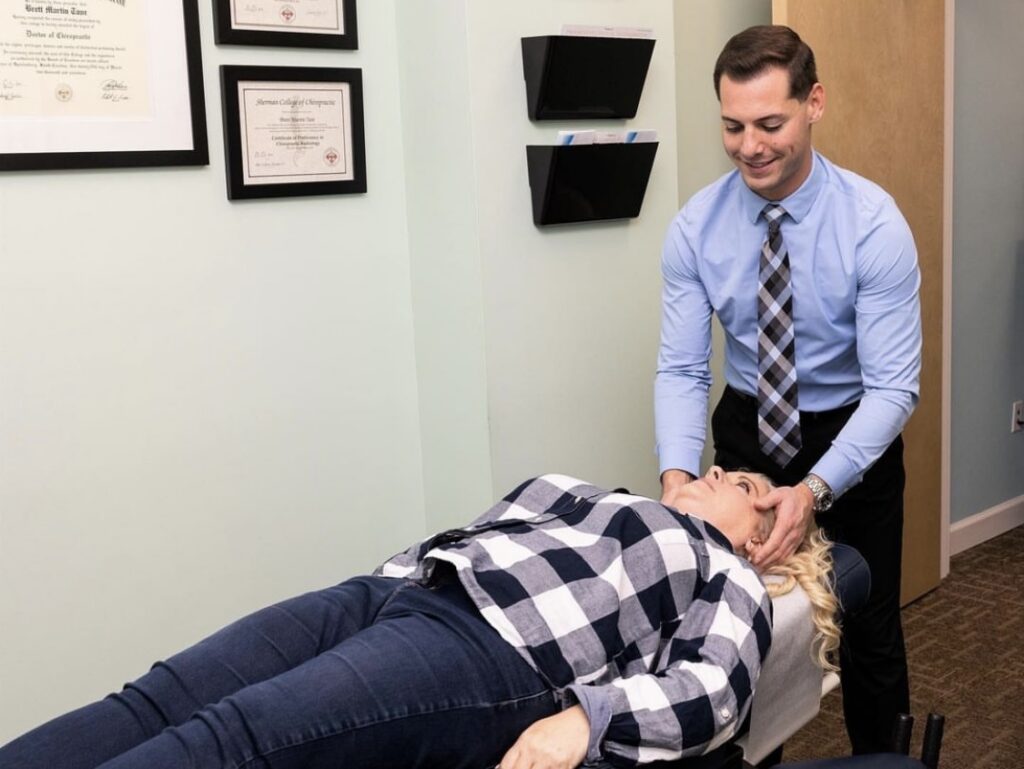
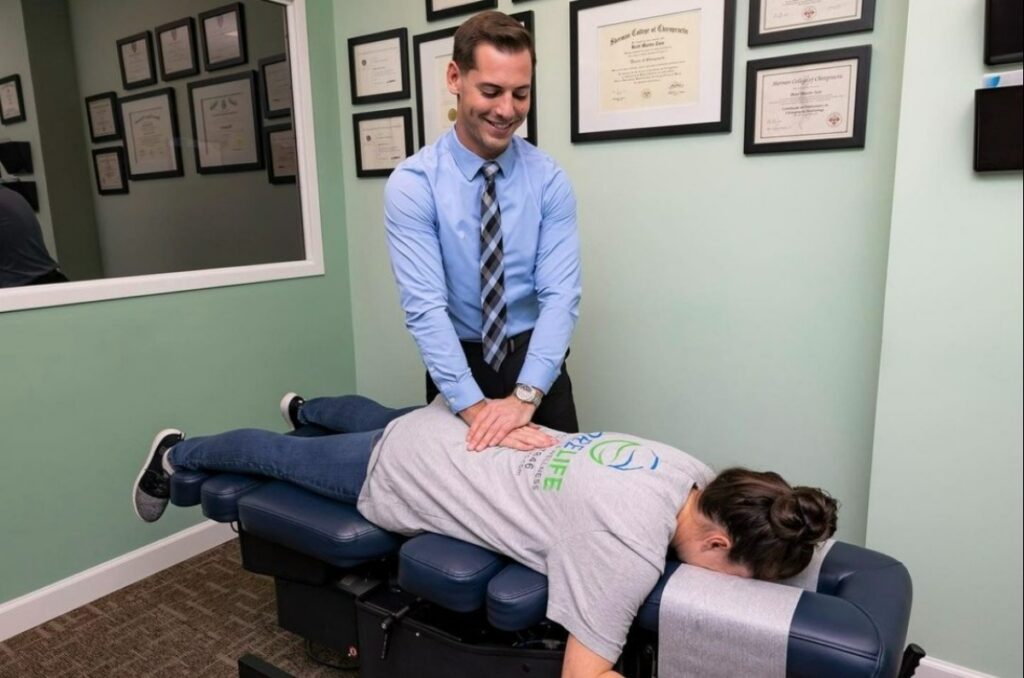
During your chiropractic sessions, you can expect to engage in a variety of techniques designed to restore balance to your spine and strengthen the surrounding muscles. For instance, spinal adjustments can help realign your vertebrae, which plays a crucial role in reducing pain and improving your body's function.
Your chiropractor might also include stretches and exercises to alleviate tension in tight areas, making daily movements easier and more comfortable. In addition to adjustments, your chiropractor may utilize complementary therapies such as heat, ice, or ultrasound to manage pain and inflammation effectively.
Furthermore, they'll educate you on proper body mechanics to ensure that you lift, bend, and move correctly, reducing the risk of future injuries. It's all about establishing a solid foundation for your back health.
As you continue with your chiropractic care, you'll likely notice significant changes, such as improved range of motion and decreased pain levels. Commitment to your chiropractic plan is essential. By actively participating in your recovery journey, you're not merely addressing the symptoms; you're tackling the underlying issues, setting the stage for a healthier, pain-free back in the future.
Embrace the power of natural healing with chiropractic care for lasting relief and wellness.
Medications
When it comes to relieving lower back pain, many people often think of medications first. While they can provide temporary relief, it's important to consider the holistic approach that chiropractic care offers. As a chiropractor, I want to educate you about the various options you have for managing your pain naturally.
Over-the-counter (OTC) pain relievers like ibuprofen or acetaminophen are commonly used to address mild to moderate pain. However, they only mask the symptoms and don't tackle the underlying issues that may be causing your discomfort. Instead, chiropractic adjustments can help realign the spine and improve function, which often leads to significant pain relief.
If OTC medications aren't enough, some may turn to prescription medications. While nonsteroidal anti-inflammatory drugs (NSAIDs) can help, they come with side effects that may not be ideal for everyone. In contrast, chiropractic care focuses on treating the root cause of your pain without the risks associated with medication.
Muscle relaxants may be prescribed for muscle spasms, but they can cause drowsiness, impacting your daily activities. Chiropractic adjustments, on the other hand, can relieve tension in the muscles and restore balance without the grogginess that comes from medication.
In cases of nerve-related symptoms like tingling or numbness, some doctors may suggest nerve pain medications. However, chiropractic care can also effectively address these issues by improving nerve function and reducing inflammation in the spine.
For severe pain, opioids may be considered, but they carry a risk of dependence and should be used cautiously. Instead, many of my patients find that chiropractic care provides a safe, drug-free alternative that not only alleviates pain but also promotes overall health and wellness.
Ultimately, I encourage you to explore chiropractic care as a viable option for managing your lower back pain. By focusing on natural healing and addressing the underlying causes of your discomfort, we can work together to develop a personalized plan that helps you achieve long-term relief and a better quality of life.
Always consult with your healthcare provider to discuss the best approach for your specific situation.
Chiropractic Care
As a local chiropractor dedicated to educating my patients about the benefits of chiropractic care, I'm excited to share how this powerful treatment can provide relief from lower back pain. Chiropractic care is a hands-on approach that focuses on diagnosing and correcting spinal misalignments, which often contribute to discomfort and pain.
When you come into my office for your first visit, I'll conduct a thorough evaluation. This includes a physical examination and, if necessary, diagnostic imaging to get a clear understanding of the root cause of your pain. It's essential for me to identify the underlying issues so we can develop an effective treatment plan tailored just for you.
One of the primary techniques I use in my practice is spinal adjustments. These adjustments involve applying controlled force to specific joints in your spine. By restoring proper alignment and mobility, many of my patients report experiencing immediate relief. This is because adjustments can alleviate pressure on nerves and reduce inflammation in the affected areas.
In addition to spinal manipulation, I also emphasize the importance of exercises and stretches customized for your specific condition. These targeted exercises help strengthen the muscles that support your spine, leading to improved stability and a lower risk of future issues.
I also provide guidance on posture and ergonomics, which can help you avoid positions that may worsen your pain. Chiropractic care is generally safe and can complement other treatments, such as medications or physical therapy.
What I love most about this approach is that it empowers you to take an active role in your recovery. By committing to regular visits and following my recommendations, you can achieve significant improvements in your lower back pain and enhance your overall quality of life.
If you're seeking a non-invasive, drug-free solution to your pain, I encourage you to consider chiropractic care. It may be just the answer you've been looking for to help you feel better and live a healthier life.
Alternative Therapies
As a local chiropractor, I want to share some valuable insights for those of you seeking relief from lower back pain, especially if you're not familiar with chiropractic care and the benefits of natural healing.
Alternative therapies can provide a holistic approach that complements your overall wellness journey by addressing the root cause of your pain rather than just masking the symptoms.
One effective alternative therapy is acupuncture. This ancient practice involves the insertion of thin needles at specific points on the body, which many find helps reduce pain and enhance mobility.
Acupuncture stimulates your body's natural healing processes, and you may be pleasantly surprised by its effectiveness.
Massage therapy is another beneficial option that I often recommend. It can alleviate muscle tension, improve circulation, and promote relaxation.
Regular massages can enhance your overall well-being and provide temporary relief from discomfort. When seeking a massage therapist, look for someone who specializes in back pain for optimal results.
Yoga is also a fantastic practice that I encourage my patients to explore. It combines gentle movement, stretching, and breathing exercises, which can help strengthen your core and improve flexibility.
Beyond physical benefits, yoga promotes mindfulness and reduces stress and anxiety, which can significantly impact your pain levels.
Additionally, you might want to consider herbal remedies or supplements, such as turmeric or willow bark, which are known for their anti-inflammatory properties.
However, always consult with a healthcare provider before starting any new treatment to ensure it's safe for your individual situation.
By integrating these alternative therapies into your routine, you can experience significant improvements in your lower back pain and enhance your overall quality of life.
As your chiropractor, I'm here to support you on this journey toward natural healing and wellness.
Lifestyle Modifications
As a local chiropractor, I want to share how integrating alternative therapies and making lifestyle modifications can significantly improve your lower back pain and overall well-being. Many patients are surprised to learn that simple changes in their daily routines can have a profound impact. Here are some key modifications to consider:
– Regular Exercise: One of the most effective ways to support your back health is through regular, low-impact exercise. Activities like walking, swimming, or yoga can help strengthen your core muscles, enhance flexibility, and reduce stiffness.
I recommend aiming for at least 30 minutes of moderate exercise most days of the week to keep your back and body in good shape.
– Ergonomic Adjustments: Your workspace and home environment play a crucial role in your posture and comfort. It's essential to ensure that your chair, desk, and other furniture promote good posture.
For those who sit for extended periods, using a lumbar roll can help maintain the natural curve of your spine, reducing strain on your back.
– Healthy Weight Management: Carrying excess weight can put additional stress on your lower back. By adopting a balanced diet and focusing on maintaining a healthy weight, you can alleviate some of that pressure, resulting in less pain and discomfort.
Incorporating these lifestyle changes can enhance the effectiveness of the chiropractic treatments you may be receiving. It's all about creating a supportive environment for your back.
Remember, consistency is vital. Start with small, manageable steps towards these modifications, and you'll likely notice improvements in your overall health, along with a decrease in lower back pain.
Embrace these changes, and you'll be well on your way to a more active and pain-free life. If you have any questions or need guidance on how to implement these changes, feel free to reach out during your next visit!
Conclusion
As a local chiropractor, I want to emphasize that managing lower back pain effectively often involves a holistic approach. Many individuals may not be familiar with the benefits of chiropractic care, so let me explain how it can play a crucial role in your recovery.
Engaging in physical therapy alongside chiropractic adjustments can help strengthen your back and improve mobility. Additionally, we can discuss the appropriate medications that may assist in relieving pain and inflammation.
Chiropractic care focuses on aligning the spine and optimizing nervous system function, which can lead to significant improvements in your overall well-being. Furthermore, I encourage exploring alternative therapies, such as acupuncture or massage, which can complement your treatment plan.
Lifestyle modifications, such as incorporating regular exercise and maintaining proper posture, are also vital in achieving long-term relief. I invite you to consult with me to create a personalized plan that caters to your unique needs. By taking proactive steps now, you can pave the way for a healthier, pain-free future and enhance your overall quality of life.