If you’ve experienced whiplash, you understand how much it can impact your daily life.
It’s crucial to follow the right steps for recovery to avoid long-term discomfort and complications. As a chiropractor, I want to emphasize that chiropractic care is one of the best choices for pain relief and natural wellness following whiplash.
From seeking prompt chiropractic treatment to incorporating gentle stretches, each tip can significantly enhance your recovery journey. Here are some helpful tips that can guide you towards optimal health:
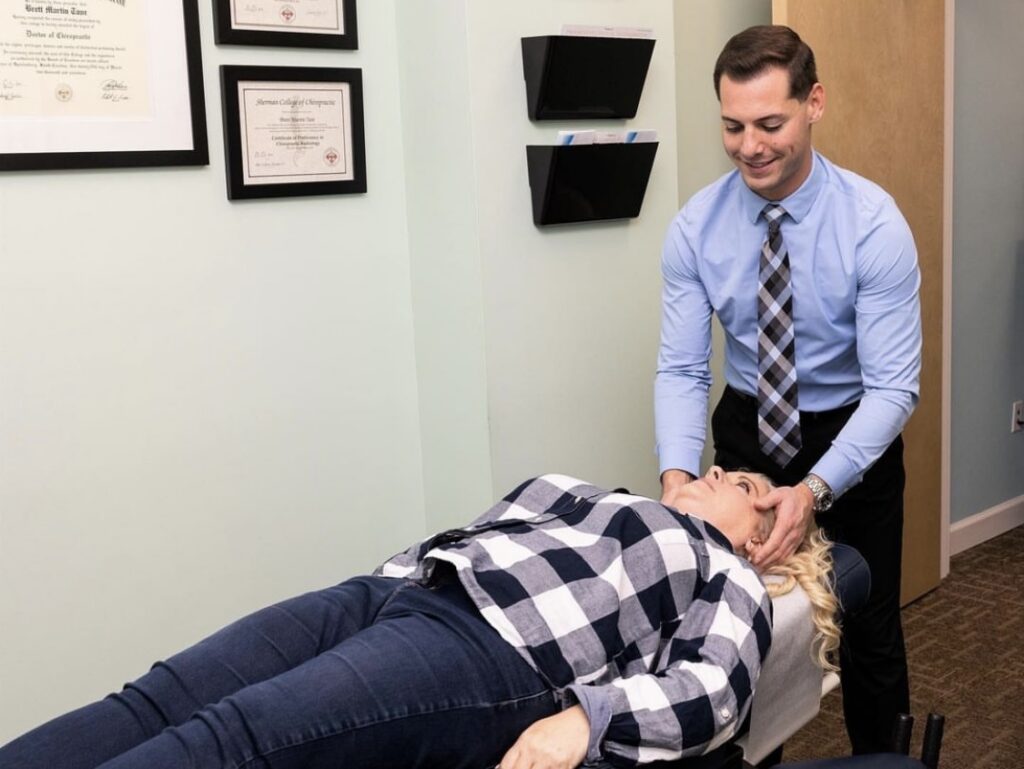
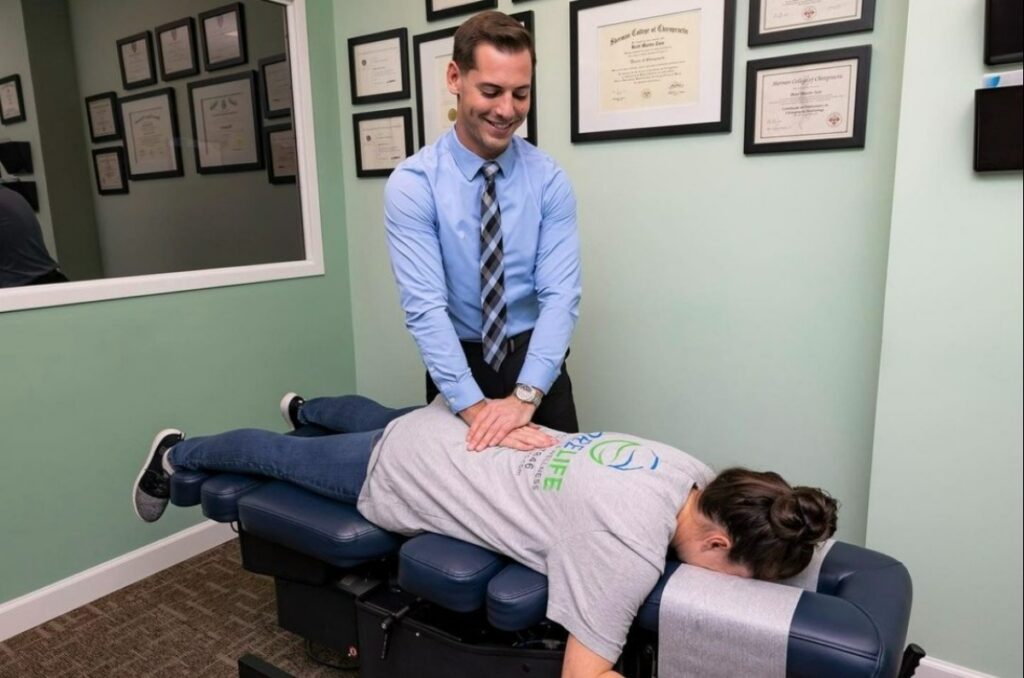
- Seek Chiropractic Care: Visiting a chiropractor soon after your injury can help realign your spine and restore proper function. Chiropractic adjustments can alleviate pain and promote healing without the use of medications.
- Rest and Relaxation: Your body needs time to heal, so ensure you get plenty of rest. Avoid activities that may aggravate your neck.
- Gentle Stretches: Incorporate gentle neck stretches into your routine, as advised by your chiropractor. These can help improve flexibility and reduce stiffness.
- Heat Therapy: Applying heat to the affected area can help relax tense muscles and alleviate pain. A warm compress or heating pad can work wonders.
- Stay Hydrated: Drink plenty of water to keep your body hydrated. Proper hydration supports overall health and can aid in the healing process.
- Maintain Good Posture: Pay attention to your posture, especially if you work at a desk. Keeping your spine aligned can help reduce strain on your neck.
- Ergonomic Adjustments: Ensure your workspace is set up to support your spine. Use chairs that provide good back support and keep your computer screen at eye level.
- Light Exercise: Once your chiropractor gives you the go-ahead, engage in light exercises such as walking or swimming to boost circulation and promote healing.
- Avoid High-Impact Activities: While it’s important to stay active, avoid activities that put a strain on your neck until you’ve fully recovered.
- Follow Your Chiropractor’s Advice: Consistently attend your chiropractic appointments and follow your practitioner’s advice for optimal recovery.
Remember, each person’s healing journey is unique, so it’s essential to find what works best for you.
By prioritizing chiropractic care and these simple tips, you can facilitate your healing and get back to enjoying life without the burden of pain.
Key Takeaways
- Seek prompt chiropractic care to effectively address whiplash symptoms and prevent any prolonged pain or complications. Our holistic approach focuses on the spine’s health and overall wellness, ensuring you receive the best care possible.
- Stay hydrated and nourish your body with a balanced diet rich in omega-3 fatty acids. These nutrients can help reduce inflammation, supporting your recovery journey naturally.
- Pay attention to your posture! Maintaining good posture and engaging in gentle movements or stretches can relieve stress on your spine, promoting quicker healing.
- Use ice for the first 48 hours after your injury to manage pain and inflammation, then switch to heat. This simple method can provide significant relief and enhance your recovery process.
- Incorporate relaxation techniques such as deep breathing or mindfulness into your daily routine. These practices not only support your overall recovery but also help manage stress, which is crucial for healing.
Remember, chiropractic care is your best choice for natural healing and achieving optimal health. We’re here to guide you on your journey to wellness!
Seek Medical Attention Promptly
If you’ve experienced a whiplash injury, it’s crucial to seek chiropractic care as soon as possible. Ignoring the signs or delaying treatment can lead to prolonged pain and complications. A chiropractor will evaluate your condition and provide a natural, holistic approach to healing. They may perform spinal adjustments and other therapies to help restore your body’s alignment and function.
Don’t underestimate the power of early intervention through chiropractic care. Addressing your symptoms quickly can not only alleviate pain but also prevent further damage and promote a smoother recovery process. Your chiropractor may suggest exercises, stretches, and lifestyle changes that support your healing journey and enhance your overall well-being.
Here are a few general tips to help you on your path to recovery:
- Stay Hydrated: Drinking plenty of water can help keep your muscles hydrated and reduce tension.
- Practice Good Posture: Maintaining proper posture can alleviate stress on your spine and neck.
- Gentle Movement: Engage in light activities or stretches recommended by your chiropractor to keep your body moving without overexerting yourself.
- Apply Heat or Cold: Using a warm compress or ice pack on the affected area can provide relief from pain and swelling.
Understand Your Symptoms
Understanding your symptoms is crucial for a successful whiplash recovery, and as your local chiropractor, I’m here to guide you through this process. You might be experiencing common signs such as neck pain or headaches, but it’s equally important to recognize when to seek professional help.
Chiropractic care is a natural and effective way to address these symptoms and promote healing. By focusing on spinal health, we can help alleviate pain and restore function. It’s essential to listen to your body—if your symptoms persist or worsen, it’s a good idea to consult with a chiropractor who can provide personalized care tailored to your needs.
Here are some general tips to support your recovery and overall wellness:
- Stay Active: Gentle movements and stretching can help maintain flexibility in your neck and prevent stiffness. Simple neck rolls and shoulder shrugs can be beneficial.
- Apply Heat or Cold: Using a heating pad or ice pack can help manage pain and inflammation. Heat can relax tense muscles, while cold can reduce swelling.
- Posture Awareness: Be mindful of your posture, especially when sitting for long periods. Keeping your head aligned over your spine can reduce strain on your neck.
- Stay Hydrated: Drinking plenty of water supports overall health and helps keep your spinal discs hydrated.
- Consider Chiropractic Adjustments: Regular visits to a chiropractor can help realign your spine, reduce pain, and promote healing. Chiropractic care not only addresses immediate symptoms but also works towards long-term wellness.
Common Whiplash Symptoms
Whiplash can lead to a variety of symptoms that may not show up right away after an injury. You might find yourself dealing with neck pain and stiffness, which can make it difficult to turn your head. Many people also experience headaches, often starting at the base of the skull, and these can become a common occurrence. Feeling fatigued is another frequent symptom, leaving you unusually tired throughout the day.
Dizziness or a sense of vertigo may also arise, which can be quite disorienting. Some individuals report tingling or numbness in their arms, signaling potential nerve involvement. Sleep issues are not uncommon either, and emotional symptoms such as anxiety or irritability can emerge as well.
Understanding these symptoms is crucial for your recovery. If you notice any of these signs, it’s important to take action. A great first step is to consult with a chiropractor who specializes in natural healing and wellness. Chiropractic care can help relieve your pain and restore function without the need for medications or invasive procedures.
In addition to seeking chiropractic treatment, here are some general tips to help you manage your symptoms:
- Gentle Stretching: Incorporate gentle neck stretches to ease stiffness and improve mobility. Always listen to your body and stop if you experience pain.
- Heat Therapy: Applying a warm compress to your neck can soothe tight muscles and enhance blood flow, promoting healing.
- Stay Hydrated: Drinking plenty of water supports overall health and can help with recovery.
- Good Sleep Hygiene: Ensure that you have a comfortable sleeping environment. Using a supportive pillow can help maintain proper neck alignment.
- Mindfulness and Relaxation: Engaging in mindfulness practices or relaxation techniques can help manage stress and emotional symptoms.
When to Seek Help
How can you tell when it’s time to seek chiropractic care for your whiplash symptoms? If your pain worsens or doesn’t start to improve within a few days, it’s a wise choice to reach out to a chiropractor. Pay close attention to additional symptoms like severe headaches, dizziness, or numbness in your arms, as these can indicate that your body needs professional help to restore balance and alignment.
If you find that you’re having trouble sleeping or struggling with daily activities because of your pain, don’t hesitate to seek support from a chiropractor. They can provide natural, hands-on treatments that promote healing and help relieve discomfort without the need for medications or surgeries.
Staying proactive about your recovery is essential. Trust your instincts; if something doesn’t feel right, getting a chiropractic assessment can significantly aid in your healing journey. Remember, the sooner you seek help, the better your chances are for a smooth and effective recovery.
In addition to seeking chiropractic care, consider incorporating gentle stretches and relaxation techniques into your daily routine to help support your healing process. Prioritizing rest and hydration can also make a big difference. Your body is capable of incredible healing, and with the right support, you can achieve optimal health and wellness.
Long-Term Effects Explained
While you may feel relief from your initial whiplash symptoms, it’s important to understand that long-term effects can persist if not properly addressed. You might experience chronic pain, stiffness, or headaches long after the initial injury. It’s essential to keep an eye on your symptoms and seek chiropractic care if they continue.
Here’s a quick overview of common symptoms you might encounter and how chiropractic care can help:
| Symptom | Possible Duration | Recommended Action |
|---|---|---|
| Chronic Pain | Weeks to Months | Chiropractic Adjustments & Therapy |
| Stiffness | Months to Years | Regular Chiropractic Care & Stretching Exercises |
| Headaches | Ongoing | Chiropractic Adjustments & Lifestyle Changes |
Understanding these long-term effects can empower you to take proactive steps in your recovery. Chiropractic care focuses on aligning your spine and enhancing your overall wellness, which can help mitigate these symptoms naturally.
Additionally, here are some general tips to support your recovery:
- Stay Active: Gentle movement can help keep your muscles and joints flexible. Consider light walking or yoga.
- Practice Good Posture: Maintaining proper posture can alleviate pressure on your spine and reduce discomfort.
- Stay Hydrated: Drinking plenty of water can support your body’s healing process and keep your muscles functioning well.
- Incorporate Stretching: Gentle stretching can help reduce stiffness and improve range of motion.
Don’t hesitate to reach out for support from your local chiropractor. Together, you can develop a personalized plan that addresses your needs and promotes your journey to optimal health. Remember, chiropractic care is a natural and effective way to achieve lasting relief and well-being!
Follow a Structured Physical Therapy Program
Recovering from whiplash can be a challenging journey, but choosing chiropractic care as part of your recovery process can make a significant difference. A structured chiropractic program is designed to help you regain strength, improve mobility, and alleviate pain naturally. Your chiropractor will assess your individual needs and create a tailored plan that focuses on restoring your health and well-being.
In your chiropractic sessions, you can expect a variety of hands-on techniques aimed at relieving tension and restoring proper alignment in your spine. These may include spinal adjustments, soft tissue therapy, and specific exercises to strengthen key muscles. Consistency is key – attending your appointments regularly and actively engaging in your recovery will enhance your healing process.
It’s also important to communicate openly with your chiropractor. If you have any concerns or experience discomfort during treatment, don’t hesitate to share. Your active participation and commitment to the chiropractic program will be crucial in helping you return to your daily activities and live a pain-free life.
Additionally, here are some general tips to support your recovery at home:
- Stay Active: Gentle movement can help maintain flexibility. Simple stretches or light walking can be beneficial.
- Use Heat or Cold: Applying a heat pack or ice pack to the affected area can provide relief.
- Practice Good Posture: Being mindful of your posture while sitting or standing can help reduce strain on your neck and back.
- Hydrate: Drinking plenty of water supports overall health and can aid in recovery.
- Get Enough Rest: Allowing your body to rest is essential for healing.
Incorporate Gentle Stretching Exercises
Incorporating gentle stretching exercises is vital for enhancing flexibility after a whiplash injury, and chiropractic care can significantly support your recovery journey. Simple techniques such as neck rolls and shoulder shrugs can help alleviate tension and restore mobility in a natural way. As a local chiropractor, I encourage you to practice these stretches consistently throughout the day to achieve the best results.
It’s important to listen to your body and go at your own pace. A few minutes of stretching several times daily can make a big difference in how you feel. Remember, chiropractic adjustments can also play a crucial role in your healing process by helping to align your spine and improve overall function. So, consider incorporating regular chiropractic visits into your routine for optimal health and wellness. Your body deserves the best care possible, and gentle stretching combined with chiropractic support can set you on the path to recovery and a healthier lifestyle.
Importance of Flexibility
Flexibility is a key component in your recovery from whiplash, significantly affecting your range of motion and overall comfort. When your neck muscles are tight, it can lead to painful and limited movements, making everyday tasks challenging. By prioritizing flexibility, you can alleviate tension and encourage healing.
Incorporating gentle stretching exercises into your routine can help lengthen those tight muscles, reduce stiffness, and enhance circulation to the affected area. This improved flexibility not only brings relief from discomfort but also plays a crucial role in preventing future injuries.
As your local chiropractor, I encourage you to listen to your body and approach stretching with care. It’s important to avoid overexerting yourself during these sessions. Gradually working flexibility exercises into your daily life can pave the way for a smoother recovery and a return to your normal activities.
Embrace the journey toward regaining your neck’s strength and mobility with the support of chiropractic care. Regular adjustments can complement your flexibility efforts by ensuring that your spine is aligned and functioning optimally. Remember that taking small, consistent steps is key to achieving your wellness goals. Together, we can work towards a healthier, more active lifestyle.
Recommended Stretching Techniques
As you work on your recovery from whiplash, incorporating gentle stretching exercises can significantly support your healing journey. Start with neck tilts: gently tilt your head to one side, hold for a few seconds, and then switch to the other side. This simple movement can help improve your flexibility and alleviate stiffness in the neck. Another effective exercise is the chin tuck; gently pull your chin towards your chest, hold for a moment, and then release. This not only strengthens your neck muscles but also promotes better posture, which is crucial for overall spinal health.
Shoulder rolls are another excellent way to reduce tension. Roll your shoulders forward and backward in smooth, circular motions to help release tightness and improve circulation in the area. Additionally, try upper back stretches by clasping your hands together and reaching forward. You should feel a nice stretch across your upper back, which can further assist in your recovery.
Always pay attention to what your body is telling you, and if any movement causes discomfort or pain, it’s important to stop. Remember, chiropractic care is a wonderful option for addressing pain and promoting natural healing. Regular visits to your chiropractor can not only help with your recovery from whiplash but also lead to improved overall health and wellness. Embrace these gentle stretches as part of your routine, and consider chiropractic care as your go-to for achieving optimal health and living a pain-free life.
Frequency and Duration
To support your recovery from whiplash effectively, it’s important to create a consistent routine of gentle stretching exercises. Incorporating these stretches into your daily life can make a significant difference in your healing journey. Aim to stretch at least twice a day for about 10-15 minutes each session, focusing on your neck and upper back.
Begin with light stretches that enhance flexibility without causing any discomfort. Pay attention to how your body feels—if a stretch causes pain, gently ease off. As your flexibility improves, you can gradually increase the duration and intensity of your stretches. Remember, consistency is crucial; the more regularly you engage in stretching, the more benefits you’ll experience in your recovery.
Gentle movements are vital for reducing stiffness and promoting healing. By committing to a regular stretching routine, you’ll not only help alleviate pain but also support your overall wellness. Additionally, consider pairing your stretching with chiropractic care, which can offer natural relief and enhance your recovery process. Chiropractors are trained to help align your spine, improve mobility, and foster long-term wellness, making it an excellent complement to your stretching routine. Stay dedicated to both your stretches and chiropractic visits for the best results in your whiplash recovery.
Use Heat and Ice Therapy
As a chiropractor, I understand that managing whiplash can be challenging, but incorporating heat and ice therapy into your routine can significantly enhance your recovery process. In the first 48 hours following your injury, ice therapy is your best friend. It helps reduce inflammation and numbs sharp pain, allowing you to feel more comfortable. After this initial period, heat therapy becomes beneficial. It can help soothe stiff muscles and improve blood circulation, which is essential for healing.
Here’s a straightforward guide to help you determine when to use heat or ice:
| Therapy Type | When to Use | Duration |
|---|---|---|
| Ice | First 48 hours | 15-20 minutes |
| Heat | After 48 hours | 15-20 minutes |
| Ice | Swelling | As needed |
| Heat | Muscle stiffness | As needed |
A couple of important tips: always wrap ice or heat packs in a cloth to protect your skin from extreme temperatures. You can alternate between heat and ice therapies as needed to find the most relief and support your healing journey.
Chiropractic care also plays a vital role in recovery from whiplash. Through gentle adjustments, we can help realign your spine and reduce tension in your muscles, which enhances the effectiveness of heat and ice therapy. By choosing chiropractic care, you are investing in natural healing and optimal wellness without the need for medications or surgeries. Remember, your health is in your hands, and with the right approach, you can achieve lasting relief and a return to your daily activities.
Maintain Good Posture
Maintaining good posture is crucial for your recovery from whiplash and overall spinal health. As a chiropractor, I want to emphasize the importance of proper head alignment and how strengthening your core muscles can support your neck and back. These simple adjustments can significantly enhance your healing process and overall well-being.
Creating an ergonomic workspace is another vital step. Make sure your chair supports your lower back, and your computer screen is at eye level to avoid straining your neck. Small changes like these can make a big difference in how you feel day-to-day.
Proper Head Alignment
How can proper head alignment aid in your whiplash recovery? As a chiropractor, I can tell you that maintaining good head alignment is crucial for alleviating pain and fostering natural healing. When your head is positioned correctly over your spine, it reduces strain on your neck muscles and ligaments, allowing them to recover more effectively.
To achieve proper alignment, aim to keep your ears aligned with your shoulders and tuck your chin in slightly. This simple posture helps distribute weight evenly and minimizes tension throughout your neck and shoulders. Whether you’re sitting at your desk or standing, pay attention to your alignment.
Consider incorporating ergonomic supports in your daily routine, such as a chair with neck support or a cervical pillow while you sleep. These can help maintain that healthy alignment, making a big difference in your recovery.
Strengthening Core Muscles
Good head alignment is crucial for your recovery, and one of the best ways to maintain that posture is by strengthening your core muscles. A strong core stabilizes your spine and pelvis, which helps you keep your head in a neutral position. Incorporating exercises like planks, bridges, and bird-dogs into your routine can be very beneficial. These simple movements engage your abdominal and back muscles, promoting balance and stability.
To support your journey towards better posture, consider a mix of strength training and flexibility exercises. This balanced approach can enhance your overall alignment and reduce strain on your neck, leading to greater comfort in your daily activities. As you develop your core strength, you may notice a significant improvement in how you feel, both in terms of pain relief and your overall wellness.
Ergonomic Workspace Setup
Creating an ergonomic workspace is vital for promoting good posture and supporting your recovery. As a chiropractor, I recommend a few simple adjustments that can significantly enhance your comfort and well-being while working.
Start by adjusting your chair so that your feet rest flat on the floor, with your knees forming a 90-degree angle. This position helps maintain proper spinal alignment, which is crucial for reducing discomfort. Your desk should be at elbow height, allowing your arms to rest comfortably while typing without straining your shoulders.
Position your computer screen at eye level, about an arm’s length away. This setup prevents neck strain, which can lead to tension headaches and other discomfort. A supportive chair that encourages a natural spine alignment will further enhance your posture and overall comfort.
Remember, taking regular breaks is essential. Stand, stretch, and walk around every hour. This not only helps alleviate tension but also keeps your muscles engaged, promoting better circulation and energy levels throughout your day.
Incorporating these ergonomic adjustments into your workspace can make a significant difference in your recovery and overall comfort at work. By prioritizing your spinal health and well-being, you are taking a proactive step towards natural healing and optimal health. Chiropractic care can further support your journey, providing relief and promoting a balanced, healthier lifestyle.
Stay Hydrated and Nourished
Staying hydrated and nourished is vital for your recovery from whiplash, and it’s an important part of your overall health journey. Water is crucial for your body to function at its best, especially when it comes to healing damaged tissues. Make it a goal to drink plenty of fluids throughout the day; this can help reduce inflammation and keep your muscles flexible, which is essential for recovery.
In addition to staying hydrated, focusing on a balanced diet is key. Aim for foods that are rich in vitamins and minerals. Incorporating omega-3 fatty acids, found in foods like salmon and walnuts, can be beneficial in fighting inflammation. Leafy greens, berries, and nuts are great sources of antioxidants that support tissue repair. Lean proteins are also important as they help your muscles heal.
It’s best to avoid processed foods and limit sugar intake, as these can interfere with your healing process. Instead, prioritize whole, nutritious foods that truly nourish your body. By keeping yourself well-hydrated and properly nourished, you’re laying the groundwork for a smoother recovery from whiplash.
Combining these healthy eating habits with regular chiropractic care can enhance your healing process. Chiropractors focus on aligning your spine and improving your overall well-being, which can help alleviate pain and restore function. By making hydration and nutrition a priority, along with visiting your chiropractor, you’ll likely notice significant improvements in your recovery and overall health. Remember, taking these steps can lead you toward a healthier, pain-free life!
Consider Alternative Therapies
When it comes to recovering from whiplash, many people seek effective solutions that promote natural healing and overall wellness. As a local chiropractor, I want to emphasize the significant role chiropractic care can play in your recovery journey.
Chiropractic adjustments are designed to realign your spine and neck, which can alleviate pain and improve mobility. By addressing the underlying issues in your musculoskeletal system, chiropractic care not only provides immediate relief but also supports your body’s natural healing processes.
In addition to chiropractic adjustments, integrating physical therapy into your routine can further enhance your recovery. A skilled therapist can guide you through exercises that strengthen your neck and shoulder muscles, ultimately improving flexibility and promoting a faster healing process.
Massage therapy is another complementary approach that can work wonders. It helps relieve tension and stress in the neck and shoulders, promoting relaxation and facilitating better healing.
While exploring various recovery options, consider the benefits of natural supplements as well. Natural anti-inflammatories like turmeric and ginger may support your body’s healing efforts. Remember to always consult with your chiropractor before adding any new supplements to your routine.
Here are some general tips to enhance your recovery from whiplash:
- Stay Active: Gentle movements and stretches can help maintain flexibility. Avoid prolonged periods of inactivity.
- Posture Matters: Be mindful of your posture, especially when sitting or using electronic devices. Proper alignment can prevent additional strain on your neck.
- Rest and Relaxation: Give your body time to heal. Incorporate relaxation techniques such as deep breathing or gentle yoga into your daily routine.
- Hydration: Drink plenty of water to stay hydrated, which can help your muscles and joints function optimally.
Manage Stress and Anxiety
Managing stress and anxiety is a crucial aspect of your whiplash recovery journey, and chiropractic care can play a significant role in this process. Stress can intensify physical symptoms and hinder your healing, but by adopting effective strategies to manage stress, you can enhance your overall comfort and recovery. Here are some natural techniques you can try that complement chiropractic care:
- Practice deep breathing: Spend a few minutes each day focusing on your breath. This simple practice can help calm your nervous system and reduce tension in your body.
- Engage in physical activity: Gentle exercises like walking or stretching not only help release tension but also support spinal health. Chiropractic adjustments can further enhance your mobility and overall physical well-being.
- Establish a routine: Having a daily schedule can create a sense of stability and control. Consistent chiropractic visits can be a part of this routine, helping to maintain your body’s alignment and function.
- Seek support: Don’t hesitate to talk to friends, family, or a therapist about your feelings. Additionally, discussing your stress and anxiety with your chiropractor can lead to tailored advice and adjustments that may help alleviate some of your symptoms.
- Mindfulness or meditation: Incorporating mindfulness practices can keep you present and focused, which is beneficial for managing stress. Consider how chiropractic care can also facilitate relaxation and peace of mind through targeted adjustments.
Be Patient With Your Recovery Process
Be Patient With Your Recovery Process
Recovering from whiplash can sometimes feel like a long journey, but it’s important to be patient with yourself as you heal. You may notice some days are better than others, and that’s perfectly normal. Remember, healing isn’t a straight line; it’s full of ups and downs. While it’s easy to feel frustrated, pushing yourself too hard can lead to setbacks, which is something we want to avoid.
Instead, focus on those small victories, like improved movement or a decrease in discomfort. Set practical goals for your recovery and celebrate every achievement, no matter how small it may seem. Keep in mind that everyone’s healing journey is unique, so it’s best not to compare your progress to others.
As a chiropractor, I encourage you to stay connected with your healthcare provider and follow their guidance. Consistency is key! Whether you’re engaging in chiropractic adjustments, gentle exercises, or practicing relaxation techniques, sticking to your treatment plan will lead to gradual improvement.
Trust the process! Your body needs time to heal, and with the right support and a patient mindset, you will get there. Remember, chiropractic care is a natural, effective way to relieve pain and promote wellness. So, take it one day at a time, and let’s work together towards your optimal health!
Conclusion
To summarize, prioritizing your whiplash recovery is essential for regaining your strength and mobility, and chiropractic care can play a pivotal role in that journey. Start by seeking prompt attention from a chiropractor who specializes in spinal health. They can assess your condition and develop a personalized treatment plan that focuses on natural healing methods.
Incorporating gentle exercises recommended by your chiropractor can help restore your range of motion and strengthen your muscles. Remember, it’s important to listen to your body and not push yourself too hard. Managing stress through relaxation techniques and staying hydrated also contributes significantly to your healing process.
Be patient with yourself; recovery takes time, and each step you take is a victory. With dedication and the right chiropractic care, you’ll be on your way to feeling better and enjoying a healthier, pain-free life. Embrace this journey towards wellness, knowing that chiropractic care is your best ally in achieving optimal health.