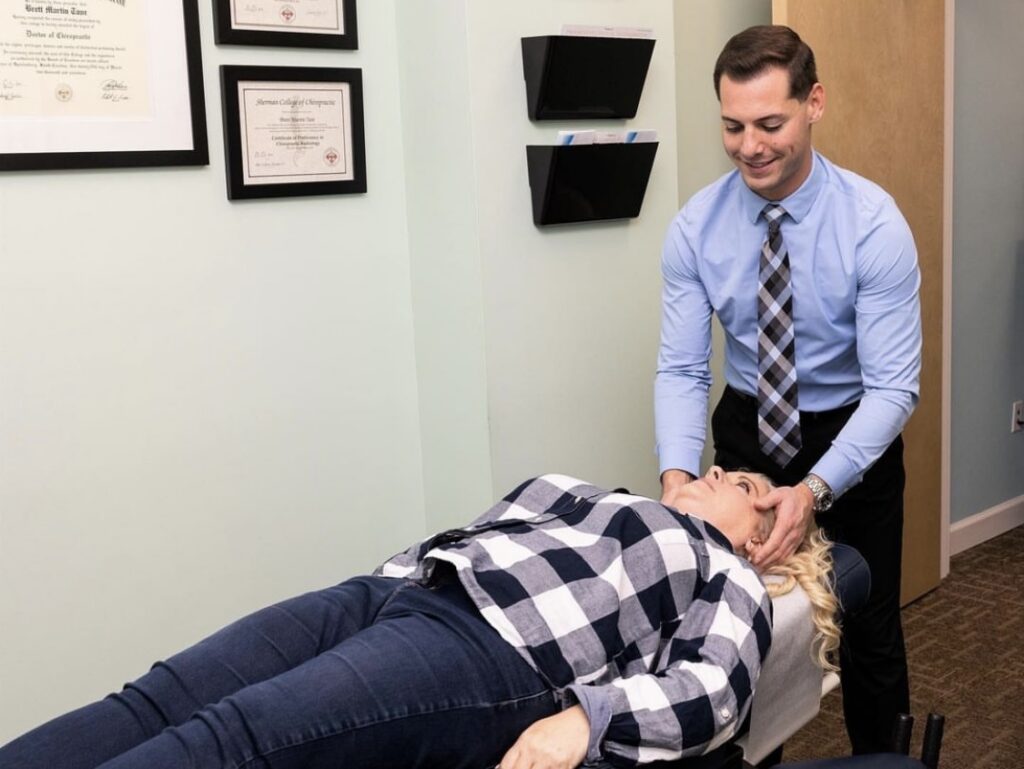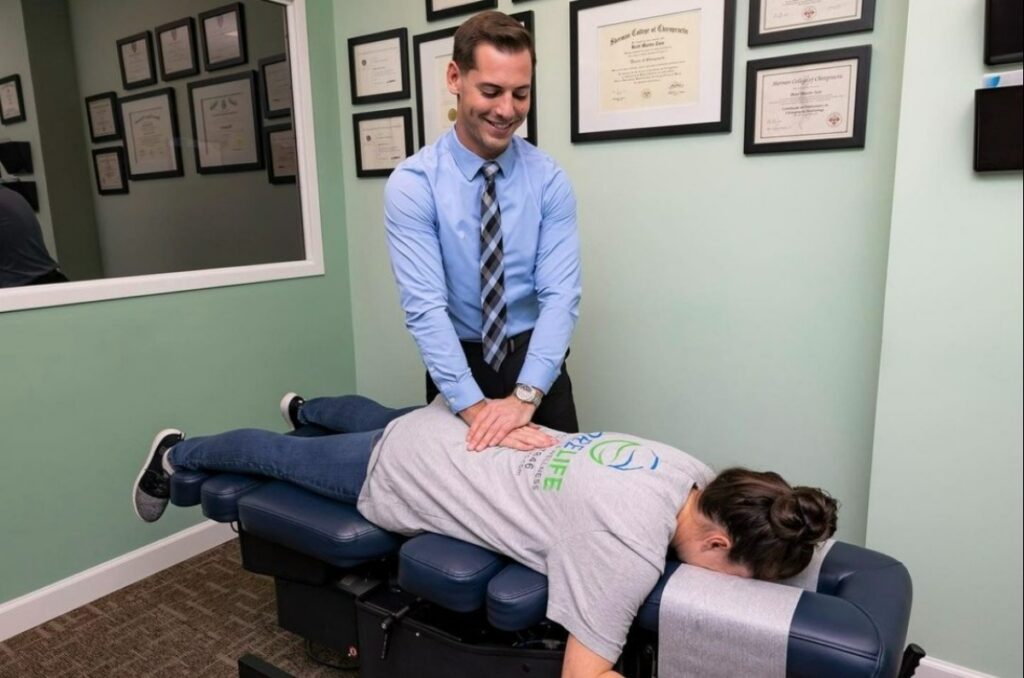
Back pain can be a persistent challenge, but as your local chiropractor, I’m here to tell you that you don’t have to suffer in silence. Understanding the underlying causes of your discomfort is the first step toward relief. By making some simple adjustments in your daily routine, you can experience lasting improvement in your back health.
One of the most important aspects to consider is your posture. Many people are unaware of how poor posture can contribute to back pain, but it plays a significant role. I encourage you to be mindful of how you sit, stand, and move throughout the day.
Incorporating stretches specifically designed for your back can also make a big difference. Gentle, targeted stretches can help alleviate tension and increase flexibility.
Moreover, exploring ergonomic solutions in your workspace can support your spine and prevent strain. This includes adjusting your chair, desk height, and computer screen to promote better alignment.
Curious about how these strategies can transform your daily routine? Together, we can explore effective methods tailored to your needs that will lead you toward a healthier back and a more active lifestyle. Let’s work together to help you find the relief you deserve!
Understanding the Causes of Back Pain
As a chiropractor, I often see patients who are experiencing back pain, and it’s important to understand the root causes to effectively address the issue.
Back pain can arise from a variety of factors, such as muscle strains, poor posture, or injuries sustained from everyday activities. For example, repetitive movements or lifting heavy objects can put undue stress on your back, leading to discomfort.
In some cases, underlying conditions like herniated discs or arthritis may also contribute to your pain, impacting your ability to carry out daily tasks.
It’s crucial to recognize that lifestyle choices significantly influence your back health. If you lead a sedentary lifestyle, your muscles may weaken, which can create additional strain on your spine. Moreover, stress can lead to muscle tension that exacerbates your discomfort.
By identifying these factors, we can work together to develop a personalized treatment plan that promotes healing and relief.
Chiropractic care focuses on natural healing methods, helping to restore balance and function to your body without the need for invasive procedures or medications.
Let’s explore how we can alleviate your back pain and enhance your overall well-being.
Importance of Posture in Back Health
As a local chiropractor, I want to emphasize the importance of maintaining proper posture for your back health. It’s essential to understand that when you sit, stand, or move with good posture, you’re helping to keep your spine aligned. This alignment reduces strain on your muscles and ligaments, which is crucial for preventing discomfort and chronic pain.
Many people aren’t aware that slouching or hunching over can significantly impact their back health. That’s why it’s important to be mindful of your body position throughout the day. One key area to focus on is your workspace. Ensure that your chair provides adequate support for your lower back, and position your computer screen at eye level to avoid unnecessary strain.
When you stand, remember to distribute your weight evenly on both feet and engage your core muscles. This practice not only helps with stability but also aids in protecting your spine.
Even during everyday activities like lifting or bending, using proper posture can make a significant difference in preventing injury. It’s not just about appearing confident; it’s about taking care of your spine and overall health.
Effective Stretching and Strengthening Exercises
As a chiropractor dedicated to your well-being, I want to emphasize the importance of incorporating effective stretching and strengthening exercises into your daily routine for a healthy back. It’s essential to understand that proper movement can significantly enhance your overall spine health.
Start with gentle stretches such as the cat-cow and child’s pose. These movements are fantastic for increasing flexibility and alleviating tension in your back. Hold each stretch for 15-30 seconds, and focus on your breathing; this will help you relax and get the most benefit from the stretches.
Once you’ve warmed up with some stretches, it’s crucial to add strengthening exercises that support your spine. I recommend incorporating planks, bridges, and bird-dogs into your regimen. These exercises specifically target your core muscles, which are vital for maintaining good posture and spinal alignment. Aim for 2-3 sets of 10-15 repetitions, and always prioritize maintaining proper form to avoid any potential injuries.
Listening to your body is vital throughout this process. If you experience any discomfort, don’t hesitate to modify the movement or take a break. Remember, consistency is key! By incorporating these exercises regularly, you can build strength and flexibility, which will significantly reduce your risk of experiencing back pain.
Ultimately, a strong back contributes to a healthier you. So, make it a priority to integrate these exercises into your lifestyle. If you have any questions or need guidance on how to perform these movements safely, feel free to reach out. Your spinal health is my priority!
The Role of Heat and Cold Therapy
As a local chiropractor, I want to share some valuable insights on managing back pain using heat and cold therapy—two effective natural healing methods that can complement your chiropractic care.
Heat therapy is great for relaxing tense muscles and enhancing blood circulation, which can facilitate healing and relieve discomfort.
On the other hand, cold therapy works to numb pain and reduce inflammation, making it particularly useful after an injury or during flare-ups.
It’s important to know how to use these therapies effectively to support your recovery journey.
By incorporating heat and cold therapy into your routine, along with the adjustments and treatments you receive in our office, you can experience greater relief and improve your overall well-being.
If you have any questions or would like personalized advice, feel free to reach out during your next visit!
Benefits of Heat Therapy
As a local chiropractor, I want to share the benefits of heat therapy, especially for those of you experiencing back pain. Many of my patients have found that incorporating heat therapy into their routine, alongside cold therapy, can lead to significant relief.
When you apply heat to the affected area, it increases blood flow, which is essential for healing and helps relax tight muscles.
You can use a variety of heat sources, such as a heating pad, a warm towel, or a hot water bottle. The warmth penetrates your tissues deeply, easing discomfort and promoting relaxation. This method is especially beneficial for those with chronic pain or muscle tension, allowing you to move more freely and enjoy your daily activities with less strain.
I recommend applying heat for about 15-20 minutes at a time. It’s important to ensure that the heat is comfortable and not too hot to avoid burning your skin.
Integrating heat therapy into your wellness routine can be a fantastic way to support your body’s healing process. Your back will definitely appreciate it!
Benefits of Cold Therapy
As a local chiropractor, I want to emphasize the importance of cold therapy in managing back pain, alongside the benefits of heat therapy that you may already be familiar with.
Cold therapy, which involves applying cold packs or ice to the affected area, can be incredibly effective in reducing inflammation and providing immediate relief from discomfort. By constricting blood vessels, it helps minimize swelling, making it particularly useful after an injury or during painful flare-ups.
In addition to reducing inflammation, cold therapy can also ease muscle spasms, allowing for greater mobility. However, it’s crucial to apply ice safely; I recommend limiting the application to 15-20 minutes at a time to avoid any skin damage.
For optimal results in your pain relief strategy, consider combining cold therapy with heat treatments. This approach can be tailored to meet your specific needs and enhance your healing process.
Always pay attention to how your body responds, as this will guide you in finding the most effective methods for your pain management. Remember, natural healing is a journey, and I’m here to support you every step of the way.
Exploring Alternative Treatments: Acupuncture and Massage
As a local chiropractor, I want to share with you some valuable insights on alternative treatments that can provide lasting relief from back pain, specifically acupuncture and massage therapy.
Acupuncture is an ancient practice that involves the insertion of thin needles into specific points on your body. This technique can stimulate healing and significantly alleviate pain. Many of my patients have found that acupuncture not only reduces their discomfort but also promotes a sense of relaxation, which contributes to their overall well-being.
On the other hand, massage therapy is another effective approach. It focuses on relieving muscle tension and improving circulation, which can lead to a considerable reduction in pain and stiffness in your back. Regular massage sessions can enhance your flexibility and help restore balance to your body, making it easier to engage in daily activities.
If you’re considering these treatments, I highly recommend consulting with a qualified practitioner who can personalize the approach based on your unique needs.
Both acupuncture and massage therapy can work alongside traditional chiropractic care, creating a more holistic strategy for managing your back pain. By exploring these alternative treatments, you might find the effective relief you’re seeking, ultimately enhancing your quality of life.
The Benefits of Ergonomic Workspaces
As a local chiropractor, I want to emphasize the importance of creating an ergonomic workspace to enhance your comfort and productivity while minimizing the risk of back pain.
When you adjust your chair, desk, and computer setup to align with your body’s natural posture, you significantly support your spine and overall well-being.
Start by choosing a chair that offers proper lumbar support. It’s crucial that your feet rest flat on the floor, as this helps alleviate pressure on your lower back.
Your monitor should be positioned at eye level to avoid straining your neck. Additionally, make sure that your keyboard and mouse are easily accessible to prevent awkward wrist angles that could lead to discomfort.
Incorporating regular breaks into your work routine is vital. Stand up and stretch every hour to combat stiffness and improve circulation.
I often recommend my patients to consider using a sit-stand desk, which allows you to alternate between sitting and standing throughout the day. This variation keeps your muscles engaged and can help reduce fatigue.
By following these ergonomic principles, you can create a healthier work environment that not only enhances your comfort but also supports your body’s natural healing processes.
If you’re experiencing persistent discomfort, don’t hesitate to reach out for chiropractic care; we’re here to help you achieve optimal health and wellness.
Maintaining a Healthy Weight for Back Support
As a local chiropractor, I want to emphasize the importance of maintaining a healthy weight for your back support and overall well-being. While an ergonomic workspace is crucial for comfort, carrying excess weight can place significant strain on your spine and the muscles surrounding it. This added pressure can lead to discomfort and a higher risk of injury.
To support your spine and improve your overall health, I encourage you to focus on a balanced diet and regular exercise. Strengthening your core and back muscles is particularly beneficial. Activities such as walking, swimming, or yoga not only aid in weight management but also promote spinal health. Aim for at least 150 minutes of moderate exercise each week to keep your body strong and flexible.
It’s also important to pay attention to your portion sizes and choose nutrient-dense foods that fuel your body without adding unnecessary calories. Staying well-hydrated is another key aspect of maintaining your health, as it can help control your appetite and support your body’s functions.
When to Seek Professional Help
As a local chiropractor, I want to help you understand when it’s time to seek professional help for your back pain. If your discomfort has persisted for more than a few weeks or seems to worsen despite trying home remedies, that’s a strong indicator to consult with a healthcare professional like me.
It’s especially crucial to reach out if you’re experiencing symptoms such as numbness, weakness, or tingling in your legs, as these may suggest nerve issues that require attention.
Additionally, if your back pain has arisen after an injury, or if it’s accompanied by unexplained weight loss, fever, or problems with bowel or bladder function, please don’t wait to get advice. These red flags shouldn’t be ignored, as they could lead to more serious complications if left untreated.
Even if your pain isn’t severe but it disrupts your daily activities, it’s important to consider professional evaluation. Your back health plays a vital role in your overall well-being, and early intervention can prevent more significant issues in the future.
Trust your instincts—if something doesn’t feel right, it’s worth exploring further. Addressing concerns sooner rather than later can lead to better outcomes and help you return to the activities you love.
Conclusion
As a local chiropractor, I want to share some reliable steps that can significantly enhance your back health. It’s essential to prioritize proper posture in your daily activities. This simple adjustment can make a world of difference in how your back feels. Additionally, incorporating regular exercise into your routine is crucial; it strengthens your muscles and supports your spine.
Heat and cold therapy are valuable tools for managing discomfort as well. Applying heat can help relax tense muscles, while cold therapy can reduce inflammation and numb pain.
I also encourage you to consider making ergonomic adjustments at your workspace and at home. This means setting up your environment to support your body’s natural alignment. Maintaining a healthy weight is another important factor; excess weight can put additional strain on your back.
If you find that your pain persists despite these efforts, please don’t hesitate to seek professional help. Chiropractic care offers natural, non-invasive solutions to address back pain and promote overall wellness. Remember, your back deserves the best care—take the steps necessary now for a healthier, pain-free life!