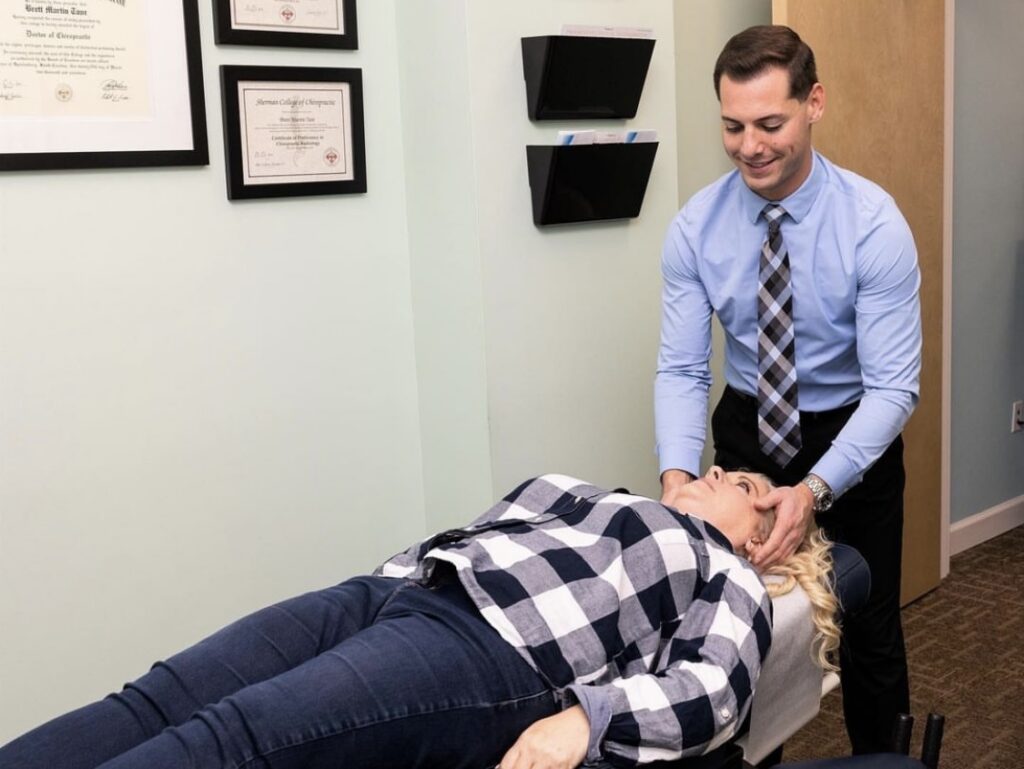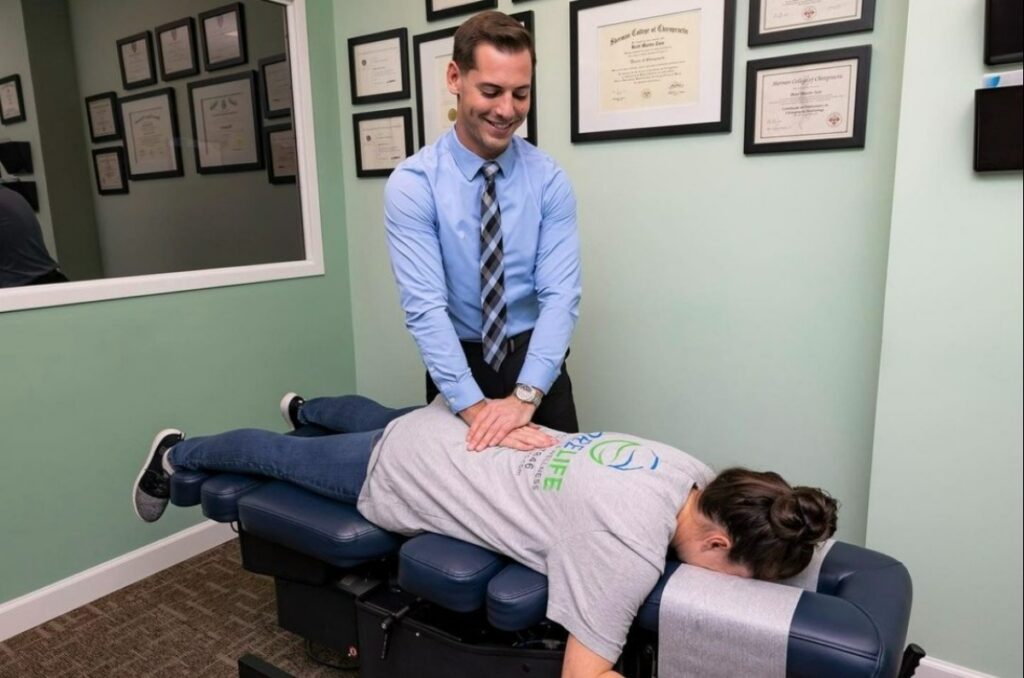
If you’ve experienced whiplash, you understand how challenging it can be to regain your comfort and mobility. The good news is that there are effective recovery techniques that can help you heal naturally.
As a chiropractor, I believe that chiropractic care is one of the best options for alleviating pain and promoting overall wellness. Chiropractic adjustments can restore proper alignment to your spine, helping to relieve tension and pressure that may be contributing to your discomfort. This hands-on approach not only aids in pain relief but also supports your body’s natural healing processes.
In addition to chiropractic care, there are several simple exercises you can incorporate into your routine. Gentle neck stretches and strengthening exercises can help improve flexibility and support the muscles around your spine. Remember to start slowly and avoid any movements that cause pain.
Here are a few general tips to support your whiplash recovery:
- Stay Hydrated: Drinking plenty of water helps keep your muscles hydrated and may reduce stiffness.
- Ice and Heat Therapy: Applying ice packs in the initial days after your injury can help reduce inflammation. After a few days, you can switch to heat therapy to soothe tight muscles.
- Posture Awareness: Be mindful of your posture, especially when sitting or using electronic devices. Proper alignment can prevent additional strain on your neck and spine.
- Rest and Recovery: Allow yourself time to rest and recuperate. Listen to your body and avoid activities that exacerbate your symptoms.
- Regular Chiropractic Visits: Regular adjustments can help ensure that your spine remains aligned and functioning properly, facilitating a smoother recovery.
By focusing on these natural techniques and prioritizing chiropractic care, you can support your healing journey and work towards optimal health.
Remember, you don’t have to go through this alone—your chiropractor is here to guide you every step of the way!
Key Takeaways
- As your local chiropractor, I encourage you to consult with me for a personalized treatment plan tailored to address your unique needs. Together, we will focus on spinal alignment and soft tissue health to promote your body’s natural healing processes.
- Incorporating gentle neck stretches and mobility exercises into your daily routine can help maintain flexibility and reduce stiffness. I can guide you through these exercises to ensure they’re done safely and effectively during your recovery.
- To alleviate pain and inflammation right after an injury, applying ice packs to the neck for 15-20 minutes can be beneficial. This simple technique can provide immediate relief and is an excellent complement to chiropractic care.
- Maintaining good posture is essential in your daily activities. I can assist you in setting up an ergonomic workspace that minimizes strain on your neck, helping to prevent future discomfort.
- Staying hydrated and practicing mindful breathing are key components in supporting overall tissue health. I will provide you with tips on how to incorporate these practices into your daily life to enhance your recovery process.
Remember, chiropractic care is a natural and effective way to achieve optimal health, and I’m here to support you every step of the way on your journey to wellness!
Understanding Whiplash: Causes and Symptoms
When you experience a sudden jolt, such as in a car accident, whiplash can occur, leading to neck strain and discomfort. This injury happens when your head is rapidly thrown backward and then forward, stretching the soft tissues in your neck. You may notice symptoms like neck pain, stiffness, headaches, or even fatigue. Some individuals also report dizziness, blurred vision, or difficulty concentrating.
The severity of whiplash can vary; while some may experience mild discomfort, others might find themselves dealing with chronic pain. It’s crucial to listen to your body after any incident, as symptoms might not show up right away. Recognizing whiplash early is key to effective recovery.
As a chiropractor, I believe that chiropractic care is one of the best ways to address whiplash and promote natural healing. By focusing on spinal alignment and soft tissue health, we can help alleviate pain and improve function without the need for surgeries or medications. Gentle adjustments and targeted therapies can reduce tension in the neck and restore mobility, allowing your body to heal naturally.
Here are some general tips you can use if you suspect whiplash:
- Stay Active: Gentle movement can help keep your neck flexible. Avoid long periods of inactivity.
- Ice Therapy: Applying ice packs to the affected area can reduce inflammation and numb pain.
- Hydration: Drink plenty of water to keep your body hydrated and help maintain healthy tissue.
- Posture Awareness: Be mindful of your posture, especially when sitting or using screens, as this can affect neck strain.
- Consult a Chiropractor: Seek chiropractic care for a personalized treatment plan focused on restoring your neck’s health and preventing long-term issues.
Empowering yourself with knowledge about whiplash and exploring chiropractic care can help you take charge of your recovery and achieve optimal health. If you notice any signs of whiplash, don’t hesitate to reach out to a chiropractor for guidance and support.
The Role of Physical Therapy in Recovery
Physical therapy can indeed assist in recovery from whiplash, but as a local chiropractor, I believe that chiropractic care is the best approach for achieving optimal health and wellness. Chiropractic adjustments focus on realigning the spine, which can help alleviate pain and restore function more effectively than other methods.
When you visit a chiropractor, you receive personalized care that targets the root causes of your discomfort, rather than just addressing the symptoms. Chiropractic adjustments help improve mobility, reduce inflammation, and promote natural healing.
In addition to chiropractic adjustments, here are some general tips to support your recovery from whiplash:
- Stay Active: Engage in gentle movements and stretches to maintain flexibility and strength, but always consult with your chiropractor for appropriate exercises tailored to your condition.
- Posture Awareness: Pay attention to your posture throughout the day, especially when sitting or using electronic devices. Maintaining good posture can help prevent further strain on your neck and spine.
- Heat and Ice Therapy: Applying heat can relax tight muscles, while ice can reduce inflammation. Alternate between the two for the best results.
- Stay Hydrated: Drinking plenty of water supports overall health and can help keep your muscles and joints functioning optimally.
- Mindfulness and Relaxation: Stress can contribute to muscle tension. Practices like deep breathing, meditation, or yoga can promote relaxation and aid in your recovery.
Benefits of Physical Therapy
Whiplash can leave you feeling stiff and in pain, but there’s good news! Chiropractic care can significantly help you in your recovery journey. Unlike other treatments, chiropractic focuses on natural healing by addressing the root cause of your discomfort. Through gentle adjustments and specific exercises tailored to your needs, chiropractic care can help improve your range of motion and reduce inflammation, allowing you to regain strength and flexibility.
One of the great benefits of chiropractic is that it teaches you about proper posture and body mechanics, which are crucial for preventing future injuries. By understanding how to maintain good posture, you can alleviate strain on your spine and muscles, leading to a healthier, pain-free life.
In addition, chiropractic care offers a supportive environment where you can share your concerns and track your progress. You’re not just another patient; you’re part of a wellness journey designed specifically for you. The hands-on techniques used in chiropractic care promote natural healing and enhance your overall well-being.
Remember, taking care of your spine is essential for overall health. Here are a few tips to keep in mind:
- Practice Good Posture: Whether sitting or standing, always be mindful of your posture to reduce strain on your spine.
- Stay Active: Engage in regular physical activity to keep your body strong and flexible.
- Listen to Your Body: Pay attention to any discomfort and seek chiropractic care early to prevent further issues.
- Stay Hydrated: Drinking plenty of water can help keep your muscles hydrated and reduce stiffness.
Chiropractic care is a natural and effective way to achieve pain relief and promote wellness. If you’re experiencing whiplash or any discomfort, don’t hesitate to reach out for a chiropractic consultation. Your journey to optimal health starts here!
Therapeutic Exercises for Recovery
Chiropractic care serves as a powerful foundation for your recovery journey, promoting natural healing and optimal wellness. By incorporating therapeutic exercises into your routine, you can significantly enhance your healing process. These exercises are designed to improve flexibility, strength, and range of motion—key components in alleviating pain and restoring function to your body.
Working alongside a physical therapist can help you create a personalized exercise program that aligns with your specific needs, ensuring you get the most out of your recovery. Here are some beneficial therapeutic exercises to consider:
| Exercise | Purpose |
|---|---|
| Neck Stretches | Improve flexibility in the neck |
| Shoulder Shrugs | Strengthen shoulder muscles |
| Chin Tucks | Enhance neck stability |
Incorporating these exercises into your daily routine can accelerate your recovery and help you regain confidence in your movements. Remember, chiropractic care not only addresses the symptoms but also targets the root causes of pain, promoting long-term wellness.
Before starting any new exercise, it’s always a good idea to consult your chiropractor or physical therapist. They can guide you on the right exercises for your condition and ensure you’re performing them safely and effectively.
Here are a few general tips to keep in mind as you focus on your health and wellness:
- Listen to Your Body: Pay attention to how your body responds to exercises. If something doesn’t feel right, stop and consult your chiropractor.
- Stay Consistent: Regularly practicing your exercises can lead to better results. Set a schedule that works for you!
- Combine with Chiropractic Care: Pair your exercise routine with regular chiropractic adjustments for comprehensive care that can enhance your recovery.
- Stay Hydrated: Drinking plenty of water aids muscle recovery and overall health.
- Focus on Good Posture: Practicing good posture can help prevent pain and promote alignment, making your recovery journey smoother.
Chiropractic Care: Aligning Your Path to Healing
When you’re recovering from a whiplash injury, turning to chiropractic care can be one of the best choices you make for your healing journey. Chiropractors are experts in understanding how your body works, especially when it comes to your spine and joints. By correcting misalignments, chiropractic care helps to relieve pain, improve mobility, and promote natural healing throughout your body.
During your visits, I will take the time to assess your unique situation and create a personalized treatment plan just for you. This plan may include gentle spinal adjustments, soft tissue therapy, and other techniques designed to ease tension in your neck and shoulders. Regular chiropractic sessions can also improve blood circulation, which can help reduce inflammation and speed up your recovery.
One of the great things about chiropractic care is that it empowers you to take an active role in your healing. I will provide you with valuable tips on maintaining good posture and ergonomic practices to prevent future injuries. By choosing chiropractic care, you not only work toward immediate relief but also build a strong foundation for long-term wellness and health.
As you embark on this path to healing, remember that small changes can make a big difference. Here are a few simple tips you can incorporate into your daily life:
- Maintain good posture while sitting and standing to reduce strain on your neck and spine.
- Take regular breaks from screens to stretch and move around, which can help alleviate tension.
- Stay hydrated, as proper hydration is essential for healthy muscles and joints.
With chiropractic care, you’re on a clearer path to recovery, ready to reclaim your quality of life and embrace a healthier future.
Effective Home Exercises for Whiplash Relief
Incorporating effective home exercises into your recovery routine can significantly enhance your whiplash relief, especially when combined with regular chiropractic care. As a chiropractor, I emphasize the importance of gentle movements to support your healing process naturally.
Start with gentle neck stretches to improve flexibility and reduce tension. Slowly tilt your head side to side, holding each position for 15-30 seconds. This simple exercise can help relieve tightness in your neck and promote better mobility.
Next, consider adding chin tucks to your routine. While sitting or standing, draw your chin back, keeping your head level, and hold for five seconds. This exercise strengthens the muscles that support your neck and helps maintain proper alignment, which is critical for long-term relief.
Strengthening exercises can also provide support as you recover. Use a light towel as resistance and gently push against your forehead, sides, and back of your head, holding each press for five seconds. These movements engage the muscles around your neck, promoting stability and reducing pain.
Additionally, maintaining good posture is essential. Keep your shoulders back and down while sitting or standing. This simple adjustment can alleviate strain on your neck and is a fundamental principle of chiropractic care.
Always listen to your body; if an exercise causes pain, it’s crucial to stop and consult with a chiropractor. They can provide personalized guidance and ensure your recovery is on the right track.
With consistency and the right chiropractic support, these exercises can significantly aid in your recovery journey. Remember, natural healing is possible, and chiropractic care is your best ally in achieving optimal health and wellness.
Lifestyle Modifications to Support Your Recovery
To support your recovery from whiplash, making a few lifestyle modifications can be essential. As a local chiropractor, I want to emphasize how these changes can complement your chiropractic care and promote natural healing.
First, consider setting up an ergonomic workspace. This means adjusting your chair, desk, and computer screen to ensure you maintain a comfortable and supportive posture. Proper alignment can help reduce strain on your neck and spine, which is crucial for recovery.
Next, incorporate gentle stretching exercises into your daily routine. These movements can improve flexibility, relieve tension, and enhance blood flow to the affected areas. Simple neck stretches, shoulder rolls, and light yoga poses can be beneficial. Always remember to listen to your body and avoid any movements that cause pain.
Additionally, pay attention to your sleep posture. Aim to sleep on your back or side with a supportive pillow that keeps your neck aligned with your spine. This can help prevent further discomfort and promote healing during rest.
Ergonomic Workspace Setup
As you focus on recovering from whiplash, creating an ergonomic workspace is essential for reducing strain on your neck and back. A well-set-up workspace not only aids in your recovery but also promotes overall wellness. Start by adjusting your chair height so that your feet rest flat on the floor and your knees form a right angle. This simple adjustment can help maintain proper posture, which is crucial for spinal health.
Your desk should be at elbow height when seated, allowing your arms to rest comfortably without straining your shoulders. Position your computer monitor at eye level, about an arm’s length away, to avoid craning your neck, which can exacerbate discomfort. Consider investing in a chair that offers excellent lumbar support to encourage a healthy spine alignment.
If you find yourself on the phone frequently, using a headset can be a game-changer. This prevents you from twisting your neck, further safeguarding your spine. Remember, chiropractic care is a fantastic way to promote healing and alleviate neck pain, so coupling these ergonomic tips with regular chiropractic adjustments can enhance your recovery.
Lastly, don’t forget the importance of taking breaks. Stand up, stretch, and walk around regularly. These small actions can relieve tension and enhance circulation, supporting your body’s natural healing process. By prioritizing an ergonomic workspace and chiropractic care, you’re taking significant steps toward optimal health and wellness.
Gentle Stretching Exercises
Gentle stretching exercises are a vital part of your recovery from whiplash, helping to improve flexibility and reduce muscle tension naturally. By incorporating these simple stretches into your daily routine, you can alleviate pain and enhance your range of motion, making it easier to get back to your everyday activities.
Start with easy neck rolls: gently tilt your head side to side and forward to backward. Hold each position for about 15 seconds while taking deep breaths. This not only helps to relax your muscles but also promotes circulation in the area. Another beneficial exercise is shoulder shrugs—lift your shoulders towards your ears, hold for a moment, and then release. This simple movement can help relieve tension in your upper back and neck.
Aim to perform these stretches several times throughout the day, particularly after long periods of sitting. Consistency is key! Make it a habit to incorporate these exercises into your routine, as they can significantly contribute to your recovery and overall mobility.
Remember to always listen to your body; if any stretch feels uncomfortable, ease off. It’s important to practice these movements gently and mindfully. Additionally, consider visiting your local chiropractor for personalized guidance and support during your recovery journey. Chiropractic care is an excellent choice for addressing pain naturally and fostering optimal health. By prioritizing your spinal health and wellness, you can achieve a more balanced and pain-free life!
Proper Sleep Posture
As you work on your recovery from whiplash, paying attention to your sleep posture can significantly support your healing journey. Proper sleep posture not only helps in aligning your neck and spine but also minimizes strain, which is essential for recovery. Here are some simple, effective tips to consider when you sleep:
| Sleep Position | Recommended Tips |
|---|---|
| On your back | Use a supportive pillow that keeps your neck in alignment with your spine. This can help reduce discomfort and promote healing. |
| On your side | Place a pillow between your knees to maintain a straight spine. This will help in alleviating pressure on your back and neck. |
| On your stomach | It’s best to avoid this position if possible, as it can put unnecessary strain on your neck. Instead, try to rest on your back or side. |
| Pillow choice | Select a medium-firm pillow that provides adequate support for your head and neck. This will help maintain the natural curve of your spine. |
| Mattress type | A medium-firm mattress is ideal for providing the right support for your body while you sleep. It can help keep your spine aligned throughout the night. |
When to Seek Professional Help for Whiplash
How can you determine when it’s time to seek professional help for whiplash? If you’re experiencing ongoing pain, stiffness, or headaches that persist beyond a few days, it’s important to consult a chiropractor. These professionals specialize in spinal health and can offer natural healing solutions to alleviate your discomfort.
Look out for additional signs, such as numbness or tingling in your arms, difficulty turning your head, or symptoms that seem to get worse. If you find that your daily activities—like sleeping or concentrating—are affected, it’s time to reach out for a chiropractic evaluation.
Also, pay attention to any unusual symptoms, such as dizziness, blurred vision, or extreme fatigue. These could be indicators that your body needs extra care. A chiropractor can assess these symptoms and guide you toward effective treatment options that promote healing.
Remember, early intervention is key to achieving better outcomes. Trust your instincts about your health, and don’t hesitate to seek chiropractic assistance when you feel it’s necessary. By choosing chiropractic care, you’re opting for a natural approach to pain relief and overall wellness.
In the meantime, here are a few tips to help manage your symptoms at home:
- Apply ice to the affected area to reduce inflammation.
- Stay hydrated, as proper hydration supports healing.
- Practice gentle neck stretches to maintain mobility.
- Ensure your sleep environment is supportive for your neck.
Your health is a priority, and chiropractic care can be a valuable ally in your journey to recovery and optimal wellness.
Conclusion
As you embark on your journey to recovery from whiplash, chiropractic care stands out as a vital component for achieving optimal health and wellness. By working with a skilled chiropractor, you can address the underlying issues caused by whiplash, promoting natural healing and pain relief without the need for medications or invasive procedures.
In addition to chiropractic adjustments, incorporating therapeutic exercises into your routine can significantly enhance your recovery. Focus on gentle stretches that improve flexibility and strengthen the muscles surrounding your spine. Simple movements like neck rotations and shoulder rolls can be very beneficial.
Don’t overlook the importance of good posture throughout your day. Maintaining proper alignment while sitting, standing, and moving can alleviate strain on your neck and back, allowing for a smoother healing process.
Staying hydrated is another crucial aspect of recovery. Drinking plenty of water helps keep your muscles and joints functioning optimally, supporting your overall wellness.
Remember to listen to your body! If something doesn’t feel right, don’t hesitate to reach out to your chiropractor for guidance. They can provide personalized advice and adjustments tailored to your specific needs.
With a proactive approach that includes chiropractic care, gentle exercises, and mindful lifestyle choices, you’ll be well on your way to reclaiming your mobility and comfort. Your commitment to these practices truly makes all the difference in your healing journey!