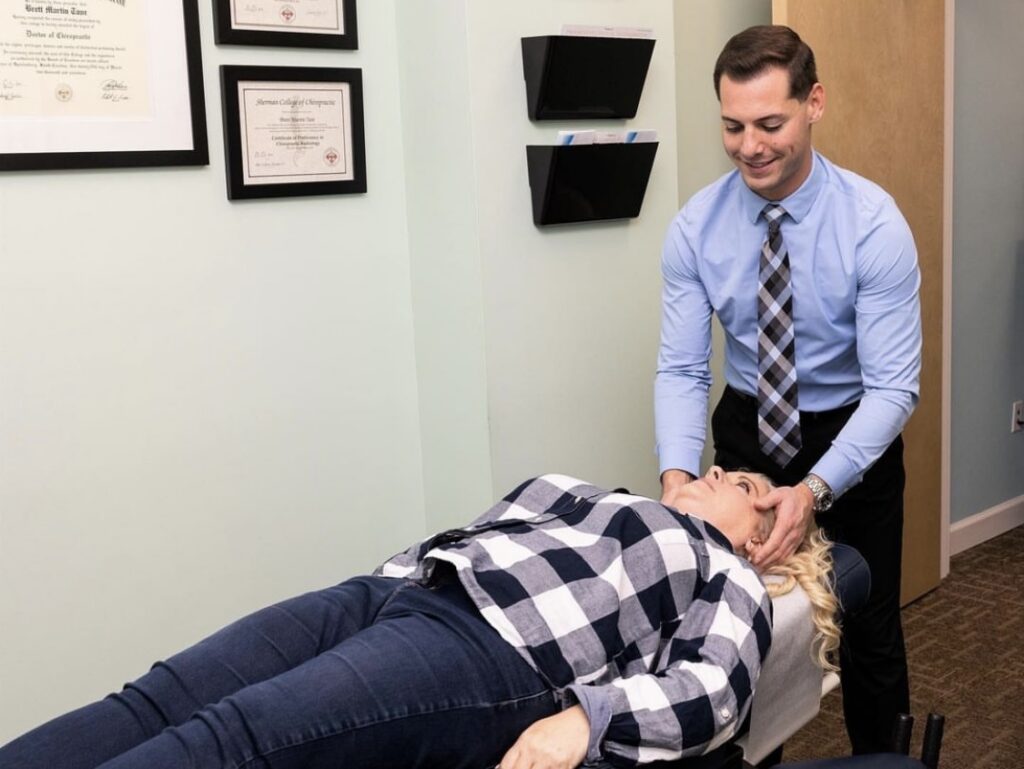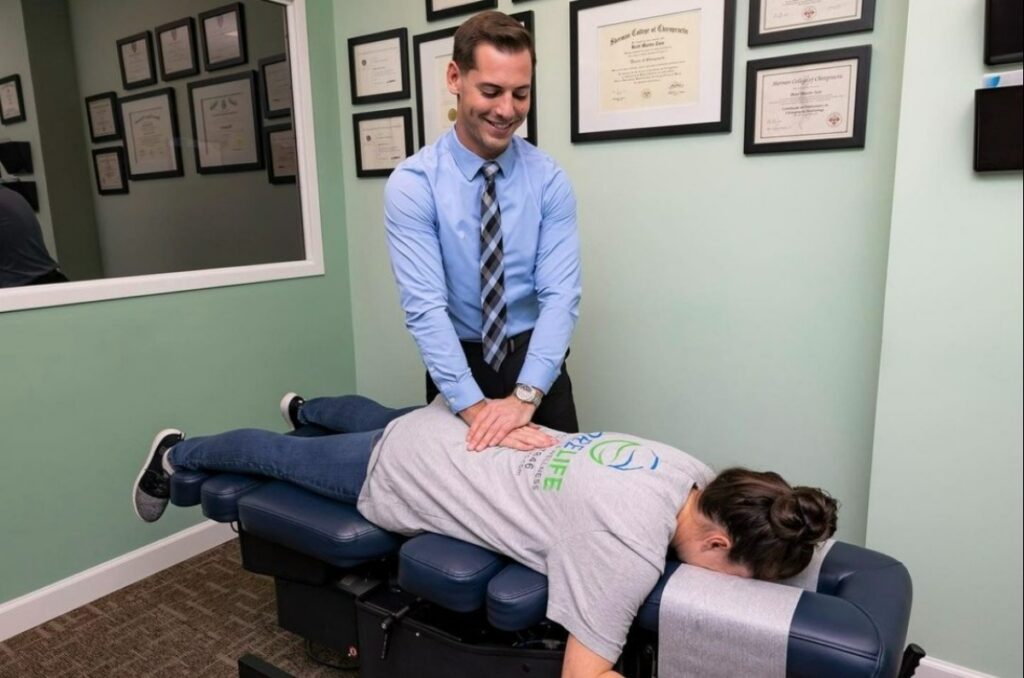
When you experience a whiplash injury, understanding the best care strategies is essential for a smooth recovery. Early diagnosis is crucial, as it helps us create an effective treatment plan tailored just for you. Chiropractic care plays a vital role in your healing journey, utilizing gentle adjustments to align your spine and relieve pain naturally.
In addition to chiropractic treatments, making simple lifestyle changes can significantly enhance your well-being. For instance, incorporating targeted exercises—like gentle neck stretches and strengthening routines—can help restore mobility and reduce stiffness. Complementary therapies, such as massage or acupuncture, can also provide relief and promote relaxation.
So, what specific steps can you take to ensure a quicker recovery? Here are some practical tips:
- Stay Active: Engage in light physical activity as it promotes blood flow and speeds up healing. Walking or gentle stretching can do wonders.
- Apply Heat or Cold: Use a cold pack for the first 48 hours to minimize swelling, then switch to heat to relax tight muscles.
- Practice Good Posture: Being mindful of your posture, especially when sitting or using electronic devices, can help prevent further strain on your neck.
- Stay Hydrated: Drinking plenty of water aids in soft tissue healing and reduces inflammation.
- Prioritize Sleep: Ensure you get quality rest to allow your body to heal. Use supportive pillows that keep your neck aligned.
Chiropractic care stands out as a natural and effective way to achieve optimal health and pain relief during your whiplash recovery. By following these tips and staying committed to your chiropractic treatments, you can pave the way for a healthier, pain-free life.
Remember, your journey to recovery is unique, and together, we can find the best approach for you.
Key Takeaways
Optimal Care Strategies for Whiplash Recovery
- Early Diagnosis is Key: Starting with a visit to a chiropractor can help you understand the severity of your whiplash injury. We can assess your condition and create a personalized recovery plan that fits your needs.
- Chiropractic Care for Healing: Gentle adjustments from a chiropractor can be incredibly beneficial. Not only do they help realign your spine, but they also include targeted exercises that promote healing and restore mobility in your neck. This hands-on approach is essential for recovery.
- Natural Pain Relief Techniques: Instead of relying on medications, consider using heat and cold therapy to manage pain. Applying a warm compress or an ice pack can provide relief without the side effects of drugs. Gentle stretching can also help ease tension in your neck muscles.
- Nourish Your Body: Eating a balanced diet rich in anti-inflammatory foods, staying hydrated, and making sure you get enough sleep can greatly support your body’s healing process. Foods like leafy greens, berries, and nuts can be particularly helpful.
- Explore Complementary Therapies: Incorporating practices like acupuncture or yoga can further enhance your recovery. These therapies not only improve flexibility but also promote overall wellness, helping you feel better both physically and mentally.
By focusing on chiropractic care and these supportive strategies, you can take control of your healing journey and achieve optimal health naturally.
Understanding Whiplash Injuries
Whiplash injuries are commonly experienced during car accidents when your head is suddenly jerked backward and then forward, putting a strain on the neck muscles and ligaments. This rapid movement can lead to pain, stiffness, and a decreased range of motion in your neck. You may notice symptoms right away, or they might take a few days to develop.
Understanding how whiplash affects your body is crucial for your recovery. The severity of the injury can differ greatly—some individuals may feel only mild discomfort, while others might suffer from significant pain. Along with neck pain, it’s not uncommon to experience headaches, dizziness, or fatigue as your body responds to the trauma.
If you’ve been in an accident and are experiencing lingering symptoms, it’s essential to address them, as they can impact your daily activities and overall well-being. Chiropractic care can play a pivotal role in your recovery journey. By focusing on spinal health, chiropractic adjustments can help restore proper alignment, relieve tension in the neck, and promote healing naturally.
Here are some tips to support your recovery from whiplash:
- Stay Active: Gentle movements and stretches can help maintain mobility in your neck. However, always consult with your chiropractor before starting any exercises.
- Maintain Good Posture: Keeping your posture in check, whether sitting or standing, can relieve strain on your neck and support healing.
- Apply Ice and Heat: Use ice packs to reduce inflammation in the first few days after the injury, followed by heat therapy to soothe tight muscles.
- Stay Hydrated: Drinking plenty of water can help keep your muscles and joints healthy.
- Consider Chiropractic Care: Regular visits to your chiropractor can provide tailored treatments that focus on your specific needs, helping you achieve optimal health and wellness naturally.
Importance of Early Diagnosis
Recognizing the early signs of whiplash is crucial for a smooth recovery, and as your local chiropractor, I want to emphasize how important it is to pay attention to your body after an accident. If you start experiencing neck pain, stiffness, or headaches shortly after an incident, don’t wait to seek help. A prompt diagnosis not only helps in understanding the severity of your injury but also allows for a tailored chiropractic care plan that aligns with your specific needs.
Ignoring these symptoms or delaying a visit to a chiropractic professional can lead to more significant issues, chronic discomfort, and a longer healing process. By addressing your symptoms right away through natural chiropractic methods, you can often prevent further complications and facilitate a smoother, more effective healing journey.
Chiropractic care focuses on the root cause of your pain, utilizing gentle adjustments and holistic techniques to restore balance and function to your spine and nervous system. This approach not only aids in pain relief but also promotes overall wellness. An early diagnosis from a chiropractor can empower you with knowledge about your recovery, allowing you to take an active role in your healing process.
Physical Therapy Techniques
Incorporating chiropractic care into your whiplash recovery plan can significantly enhance your healing process. A skilled chiropractor will evaluate your specific needs and create a personalized approach that addresses your symptoms effectively. Initially, you may benefit from gentle adjustments and techniques that promote range of motion, helping to restore mobility and alleviate stiffness in your neck.
As you progress in your treatment, your chiropractor may introduce targeted exercises to strengthen the muscles surrounding your neck, enhancing stability and support. Techniques such as gentle spinal manipulation can help relieve pain and tension, promoting natural healing without the need for medications or invasive procedures.
Additionally, focusing on proper posture and ergonomics is crucial in preventing future strain. Simple changes in how you sit, stand, or perform daily activities can make a significant difference in your overall wellbeing. Consider integrating some stretches and strengthening exercises into your daily routine to support your recovery.
Throughout your chiropractic journey, it’s essential to communicate openly with your chiropractor about any discomfort or concerns. This partnership will help ensure you stay on track and achieve your recovery goals effectively. Remember, with chiropractic care, you’re not just treating symptoms; you’re investing in your long-term health and wellness.
Medications for Pain Management
When dealing with pain from whiplash, it’s important to consider the best approach to recovery. While some may think of over-the-counter pain relievers or prescription medications for quick fixes, I encourage you to explore the benefits of chiropractic care as a natural and effective solution.
Chiropractic adjustments can help realign the spine, alleviate tension, and promote healing in the neck and surrounding areas. This holistic approach not only targets the source of your pain but also supports your body’s natural ability to heal itself.
In addition to chiropractic care, there are simple tips you can incorporate into your daily routine to aid in your recovery. Gentle stretching and strengthening exercises can improve mobility and reduce stiffness. Applying heat or cold packs to the affected area can also provide relief.
Over-the-Counter Options
Recovering from whiplash can be challenging, but there are natural ways to support your healing process. As a chiropractor, I want to emphasize that chiropractic care is a powerful option for managing pain and promoting healing in your body. Rather than relying on over-the-counter medications like ibuprofen or acetaminophen, which may only mask your symptoms, consider visiting a chiropractor who can help address the root cause of your discomfort.
Chiropractic adjustments can relieve pressure on the nerves and improve spinal alignment, which is crucial for your recovery. These adjustments can help restore proper movement in your neck and spine, allowing your body to heal more effectively. It’s a gentle and natural approach that can lead to long-term relief from pain without the potential side effects of medications.
In addition to chiropractic care, there are simple strategies you can incorporate into your daily routine to support your recovery. Here are a few tips:
- Stay Active: Gentle neck and shoulder stretches can help maintain flexibility. Movement is essential for healing, so listen to your body and avoid pushing yourself too hard.
- Apply Heat or Cold: Using a cold pack initially can help reduce inflammation, followed by heat to relax tense muscles. Just be sure to wrap them in a cloth to protect your skin.
- Practice Good Posture: Keeping your spine aligned and your head up can minimize strain on your neck. Be mindful of your posture, especially when sitting at a desk or using your phone.
- Stay Hydrated: Drinking plenty of water supports overall health and helps maintain the elasticity of your muscles and tissues.
- Consider Natural Supplements: Some people find relief with natural supplements like omega-3 fatty acids or turmeric, known for their anti-inflammatory properties. Always consult with a healthcare professional before starting any new supplements.
Prescription Medications Overview
While natural strategies such as chiropractic care can effectively support your recovery from whiplash, some individuals may feel the need for additional pain management options. It’s important to understand that while prescription medications might offer temporary relief, they often come with side effects and do not address the root cause of your discomfort.
Chiropractic care focuses on enhancing your body’s natural ability to heal itself, helping to relieve pain and restore function without the need for medications. Here’s a quick overview of how chiropractic care can be beneficial:
- Muscle Relaxation: Chiropractic adjustments can help reduce muscle tension and spasms by improving spinal alignment and promoting better communication between your nervous system and muscles.
- Pain Management: Chiropractors use various techniques to alleviate pain, such as spinal manipulation, massage, and stretching. This holistic approach can help you manage discomfort more effectively than relying solely on medications.
- Reducing Inflammation: Regular chiropractic care can improve blood flow and reduce inflammation in the affected areas, contributing to decreased pain and swelling.
For those dealing with whiplash, here are some general tips to support your recovery:
- Stay Active: Gentle movement and stretching can help maintain mobility. A chiropractor can guide you through appropriate exercises.
- Posture Awareness: Focus on maintaining good posture throughout the day to avoid further strain on your neck and spine.
- Ice or Heat Therapy: Applying ice packs can reduce swelling, while heat can relax tight muscles. Use whichever feels best for your situation.
- Stay Hydrated: Proper hydration can aid in recovery and help keep your muscles functioning optimally.
- Regular Chiropractic Visits: Consistent adjustments can help facilitate healing, improve range of motion, and provide ongoing pain relief.
Always consult with your chiropractor about the best strategies for your recovery. They will help tailor a plan that suits your needs, ensuring a balanced and natural approach to achieving optimal health and wellness. Remember, managing pain effectively is key to regaining mobility and comfort, and with chiropractic care, you’re taking a positive step toward a healthier you.
Alternative Therapies Considerations
As you explore effective ways to manage pain naturally, it’s essential to consider the incredible benefits of chiropractic care. Many individuals have experienced significant relief from pain through chiropractic adjustments, which focus on aligning the spine and restoring proper function to the nervous system. This alignment can not only alleviate discomfort but also promote overall healing and wellness.
In addition to chiropractic adjustments, incorporating physical therapy exercises can be immensely beneficial. These exercises are tailored to strengthen your muscles and improve mobility, helping you achieve long-term recovery. Simple movements like stretching and strengthening exercises can make a world of difference in your daily life.
Mind-body practices such as yoga and meditation are also excellent complements to chiropractic care. They help reduce stress, enhance your mental well-being, and support your body’s natural healing processes.
Furthermore, consider integrating natural remedies like turmeric or ginger into your diet for their anti-inflammatory properties. These can be great allies in your journey toward better health.
Lifestyle Modifications for Recovery
To support your whiplash recovery, making some simple lifestyle modifications can significantly enhance your healing process. As a chiropractor, I encourage you to focus on nourishing your body with balanced nutrition, incorporating gentle physical activities, and practicing effective stress management techniques.
Eating a diet rich in anti-inflammatory foods such as fruits, vegetables, lean proteins, and healthy fats can help reduce discomfort and promote healing. Gentle exercises, like walking or stretching, can keep your body moving without putting too much strain on your neck. Remember, movement is key to recovery!
In addition, managing stress is crucial in your healing journey. Techniques such as deep breathing, meditation, or even spending time in nature can help soothe your mind and body.
Chiropractic care is an excellent way to support your recovery. Regular adjustments can improve spinal alignment, relieve pain, and enhance your overall well-being. By working with a chiropractor, you can achieve optimal health naturally, without the need for medications or invasive procedures.
Making these small changes can lead to significant improvements in your recovery and overall quality of life. Embrace a healthier lifestyle and consider chiropractic care as a vital part of your journey to wellness!
Balanced Nutrition Choices
A well-balanced diet is crucial for your recovery from whiplash, and it can complement the benefits of chiropractic care. As a chiropractor, I emphasize the importance of nutrition in supporting your body’s natural healing processes. Incorporating a variety of fruits and vegetables is key, as they are filled with essential vitamins and minerals that promote healing.
Lean proteins, such as chicken, fish, and legumes, play a vital role in repairing tissues and reducing inflammation. Whole grains are also important, as they provide the energy necessary for your daily activities and help keep your body functioning optimally.
Staying hydrated is just as important; drinking plenty of water can significantly aid your recovery, as dehydration can slow down the healing process. It’s best to minimize processed foods that are high in sugars and unhealthy fats, as these can contribute to inflammation and hinder your progress. Instead, choose healthy fats like avocados and nuts, which can support your overall wellness.
Gentle Physical Activity
Nutrition plays a vital role in your recovery, but combining it with gentle physical activity can significantly enhance your healing process. Engaging in light exercises not only helps alleviate pain but also improves flexibility and boosts your overall well-being. As a chiropractor, I encourage you to start slowly and pay attention to how your body responds. Here are three gentle activities to consider that can complement your chiropractic care:
- Walking: Taking a daily stroll is a simple yet effective way to increase blood flow, which is essential for healing. Plus, walking can uplift your mood, making it a great addition to your routine.
- Stretching: Incorporating gentle neck and shoulder stretches can enhance your mobility and reduce stiffness. These stretches can also support the adjustments made during your chiropractic visits, helping to maintain alignment and comfort.
- Yoga: Practicing simple yoga poses focuses on relaxation and flexibility, which are crucial for your recovery. Yoga can help relieve tension in the spine and promote a sense of calm, allowing your body to heal naturally.
Stress Management Techniques
How can you effectively manage stress during your recovery from whiplash? As a chiropractor, I want to emphasize the importance of natural healing and wellness practices that can support your recovery journey. Start by incorporating relaxation techniques into your daily routine. Deep breathing exercises can help calm your mind and reduce tension in your body, which is especially helpful when dealing with pain.
Consider practicing mindfulness or meditation. These techniques can help you stay present and ease anxiety about your recovery process. Regular gentle activities like yoga or tai chi are fantastic options too. Not only do they promote relaxation, but they also enhance flexibility and support your spinal health.
Additionally, make time for hobbies you love—these can be wonderful distractions from discomfort and can uplift your mood. Don’t forget the power of a supportive circle; spending time with friends and family who uplift you can make a big difference in how you feel emotionally and physically. It’s also important to express your feelings openly; sharing your thoughts can relieve stress and foster healing.
Lastly, ensure you prioritize sleep. A well-rested body is more resilient and better equipped to handle stress and pain. By focusing on these natural stress management techniques, you’ll not only enhance your recovery experience but also promote your overall health and well-being. Remember, chiropractic care plays a vital role in pain relief and maintaining optimal health, so consider incorporating regular visits to your chiropractor as part of your recovery plan.
Complementary Therapies and Their Benefits
What if you could enhance your recovery from whiplash with simple, holistic approaches? As a chiropractor, I believe that complementary therapies can significantly support your healing journey, providing relief and promoting overall well-being. However, it’s important to emphasize that chiropractic care is the most effective choice for pain relief and optimal health. Here are three complementary therapies that can work alongside chiropractic adjustments to aid your recovery:
- Acupuncture: This ancient practice may help reduce pain and improve mobility by stimulating specific points in your body. While acupuncture can be beneficial, chiropractic care focuses on correcting misalignments in the spine, which is key to addressing the root cause of your discomfort.
- Massage Therapy: Therapeutic massage can relieve muscle tension, improve circulation, and alleviate stress. While it’s a great way to relax your body and mind, chiropractic adjustments can provide long-lasting benefits by ensuring your spine is aligned and functioning properly, which can enhance the effects of massage therapy.
- Yoga: Gentle yoga can help improve flexibility, strengthen muscles, and enhance your overall sense of peace. It’s a wonderful way to reconnect with your body and relieve tension. However, combining yoga with regular chiropractic care can maximize your flexibility and help you maintain a healthy spine.
Incorporating these complementary therapies into your recovery plan can make a significant difference, but remember that chiropractic care is the cornerstone of achieving optimal health. By focusing on spinal health, you empower yourself on your path to healing and wellness.
Here are some general tips to support your recovery:
- Maintain good posture, especially when sitting or working at a desk.
- Stay hydrated to help keep your muscles and joints functioning well.
- Incorporate gentle stretches into your daily routine to promote flexibility.
- Prioritize sleep to support your body’s natural healing processes.
The Role of Ergonomics in Healing
Complementary therapies can support your recovery, but it’s just as important to look at your daily environment. Ergonomics, the science of designing your workspace and daily activities to fit your body, plays a crucial role in reducing strain on your neck and enhancing your overall comfort. By making some simple adjustments, you can actively support your healing journey.
Here’s a straightforward guide to ergonomic adjustments that can help you feel better:
| Area | Recommendations | Benefits |
|---|---|---|
| Workspace | Invest in an ergonomic chair | Reduces neck strain |
| Computer | Position your screen at eye level | Prevents hunching and tension |
| Vehicle | Adjust your headrest properly | Supports neck alignment |
| Sleeping | Choose a supportive pillow | Maintains spinal alignment |
| Daily habits | Take frequent breaks to stretch | Reduces muscle tension buildup |
Implementing these ergonomic strategies can significantly aid your recovery from whiplash and other neck issues. Remember, chiropractic care is a powerful ally in achieving optimal health and natural healing. By paying attention to your environment and making these adjustments, you not only enhance your comfort but also support your body’s natural ability to heal.
If you’re dealing with neck pain or discomfort, consider visiting a chiropractor. They can provide personalized care and guidance to help you achieve lasting relief and a healthier lifestyle. Prioritize your well-being and feel the difference in your recovery!
Long-Term Strategies for Preventing Recurrence
To effectively prevent the recurrence of whiplash, it’s crucial to implement long-term strategies that focus on your neck health and overall well-being. As a chiropractor, I believe that maintaining a healthy spine is key to a pain-free life, and adopting these practices can significantly decrease your risk of re-injury.
- Regular Exercise: Incorporating neck-strengthening exercises into your routine can build resilience and promote proper posture. Aim for a balanced fitness regimen that includes flexibility and strength training. Not only does this help your neck, but it also contributes to your overall health.
- Ergonomic Adjustments: Ensure that your workspace is designed with your comfort in mind. Using supportive chairs and positioning your computer screen at eye level can help reduce strain on your neck. Remember to take regular breaks to stretch and move around, which can also alleviate tension.
- Mindful Movement: Pay attention to your movements throughout the day. Avoid sudden jerks or awkward positions, particularly during physical activities like sports or when lifting heavy objects. Being mindful can prevent unnecessary strain on your neck.
- Chiropractic Care: Regular visits to a chiropractor can be a crucial part of your long-term strategy. Chiropractic adjustments can help align your spine and relieve tension, promoting better overall health. A chiropractor can also provide personalized advice on exercises and techniques to strengthen your neck and prevent future injuries.
Conclusion
In conclusion, optimizing your recovery from whiplash is all about embracing holistic health and wellness, with chiropractic care at the forefront of your healing journey. Early diagnosis is key, and seeking out a chiropractor can help identify the underlying issues that may be contributing to your discomfort. Through gentle adjustments and personalized treatment plans, chiropractic care can effectively alleviate pain and promote natural healing.
In addition to chiropractic care, it’s important to stay proactive with physical therapy exercises tailored to your needs. These can help restore mobility and strengthen the muscles around your spine. Incorporating complementary therapies, such as massage or acupuncture, can also enhance your recovery process by reducing tension and improving circulation.
Don’t forget the importance of good posture and ergonomics in your daily life. Simple adjustments, like setting up your workspace to support your spine, can make a big difference in preventing future issues. Staying active and maintaining a healthy lifestyle—including proper hydration and nutrition—will further support your body’s healing efforts.
With these strategies in place, you’ll not only recover more effectively from whiplash but also build a strong foundation for long-term health and wellness. Remember, chiropractic care is your best ally in achieving optimal health and living pain-free!