As a local chiropractor, I understand how frustrating it can be to experience that sudden twinge in your muscle. A muscle strain can really impact your daily life, but it’s important to know that there are effective ways to address it quickly and naturally. By taking the right steps, you can minimize discomfort and speed up your recovery process.
First, let’s discuss what you should do immediately after a strain. Applying ice to the affected area can help reduce inflammation and pain. Remember to wrap the ice in a cloth to protect your skin. Resting the muscle is equally important; giving your body time to heal is essential. Gentle stretching and mobility exercises can also aid recovery, but be sure to listen to your body and avoid pushing through pain.
Preventing future injuries is just as important as treating them. Regular chiropractic adjustments can help ensure that your body is aligned properly, reducing the risk of strains. Additionally, incorporating strength training and flexibility exercises into your routine can provide support to your muscles and joints, making them more resilient against injuries.
Understanding these techniques can make a significant difference in your healing journey. If you have any questions or need personalized guidance, don’t hesitate to reach out. Together, we can work on a plan that supports your recovery and fosters overall wellness.
Understanding Muscle Strains
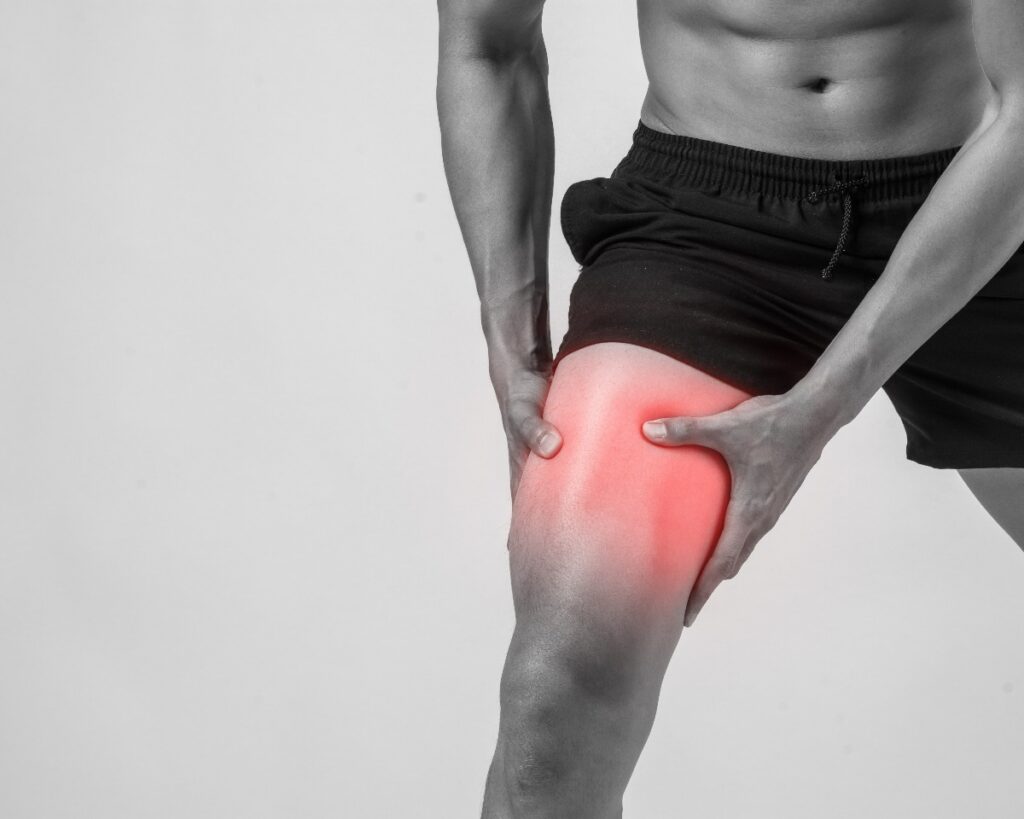
As a chiropractor, I often see patients who experience muscle strains, which can occur when muscle fibers are overstretched or torn. This is especially common when engaging in activities that involve sudden movements, heavy lifting, or even skipping a warm-up.
If you’ve ever felt sharp pain, swelling, or stiffness in a muscle, you might’ve experienced a strain that can hinder your ability to move comfortably.
Muscle strains come in different degrees of severity. Mild strains may cause discomfort but can often be managed with proper care, while severe strains can significantly impact your mobility and daily activities.
It’s crucial to recognize the signs of a strain early on to prevent further complications.
Several factors can contribute to the risk of muscle strains, including poor physical conditioning, fatigue, and improper techniques during physical activities.
To minimize the risk of these injuries, I encourage my patients to focus on adequate warm-ups, strengthen their muscles, and stay hydrated.
Listening to your body is key—if something feels off, it’s important not to push through the pain.
By taking these preventative measures, you can help ensure that your body remains active and injury-free.
At our practice, we also emphasize the importance of natural healing methods, which can support your recovery and overall wellness.
If you have any concerns or questions about muscle strains or chiropractic care, please feel free to reach out. Your health is our priority!
Immediate First Aid for Muscle Strains
As a local chiropractor, I understand that experiencing a muscle strain can be both painful and concerning. It’s essential to respond promptly and effectively to aid your recovery. First and foremost, it’s crucial to stop any activity that caused the strain to prevent further injury.
I recommend following the R.I.C.E. method, which stands for Rest, Ice, Compression, and Elevation.
Rest is important to allow the affected muscle to heal without additional stress. Applying ice to the area for 15-20 minutes every hour can help reduce swelling and numb any pain. Just remember to wrap the ice pack in a cloth to protect your skin from frostbite.
For compression, using an elastic bandage can provide support, but be careful not to wrap it too tightly as this could restrict blood flow. Elevating the injured muscle above heart level helps minimize swelling and aids in the healing process.
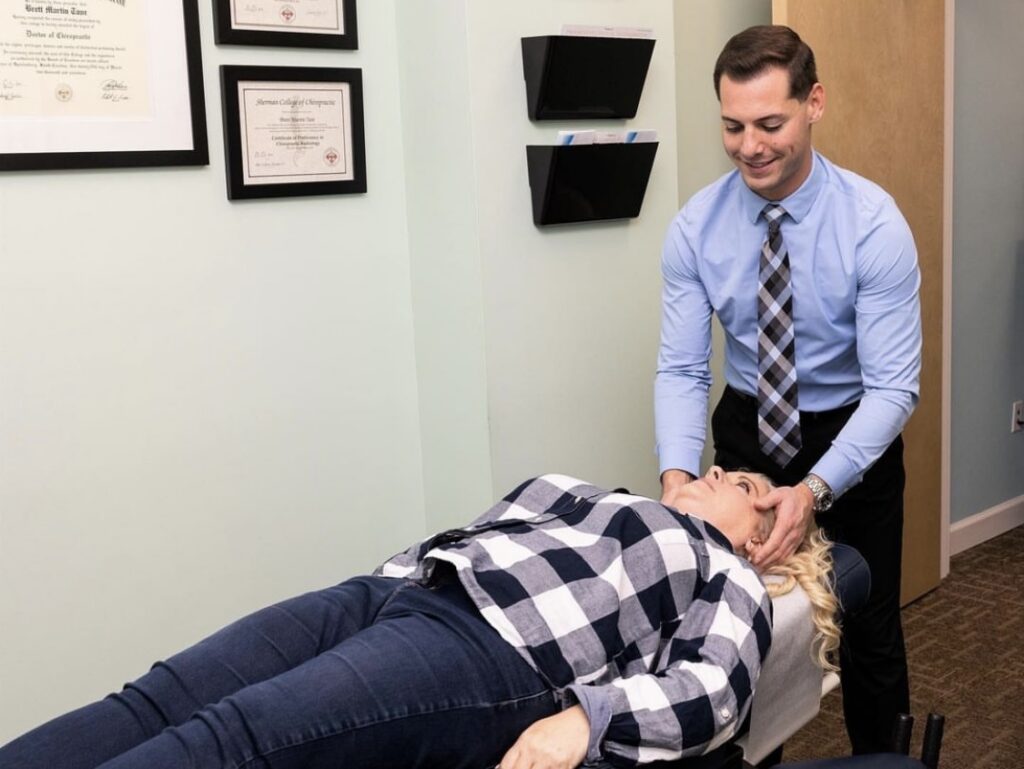
If you find that the pain persists or worsens, please consider seeking professional medical attention. As a chiropractor, I can assist you with natural healing techniques and therapies that complement your recovery.
Acting quickly and applying these methods can make a significant difference in how fast you bounce back and return to your daily activities with less discomfort. Remember, taking care of your body is key to maintaining overall health and wellness!
Effective Home Remedies
As a local chiropractor, I want to share some effective home remedies that can help alleviate muscle strain discomfort and support your healing process. If you’re unfamiliar with chiropractic care and natural healing, these methods can be a great starting point.
Firstly, I recommend applying ice wrapped in a cloth to the affected area for 15-20 minutes every hour. This technique is excellent for reducing swelling and numbing the pain, especially in the initial days after your injury.
After the first couple of days, you can switch to heat therapy. Using a warm towel or heating pad can help increase blood flow and relax those tight muscles.
For pain management, over-the-counter pain relievers like ibuprofen can be effective. However, I also encourage incorporating gentle stretching and light mobility exercises into your routine. These can help maintain your flexibility without putting too much strain on your body.
You might also consider using herbal remedies, such as arnica gel, which can provide localized relief when applied topically. Staying hydrated is essential as well; proper hydration supports your body’s recovery efforts.
Lastly, ensure you’re getting adequate rest—your body needs time to heal, and rest is a crucial part of that process.
Rehabilitation Techniques for Recovery
As a local chiropractor, I want to share some effective rehabilitation techniques that can support your recovery from a muscle strain. It’s important to approach healing holistically, and incorporating targeted methods can significantly enhance your journey back to optimal health.
Start by integrating gentle stretching exercises into your routine. This will help improve flexibility and prevent stiffness in the affected area. As you progress, gradually introduce strength training exercises that specifically target the injured muscle. This process is crucial for rebuilding strength and restoring function.
Consider seeking out physical therapy, where a qualified professional can customize a rehabilitation plan tailored to your individual needs. This personalized approach can greatly accelerate your recovery.
In addition to these exercises, I recommend engaging in low-impact activities such as swimming or cycling. These exercises will help maintain your overall fitness level while minimizing strain on the injured area.
Utilizing ice and heat therapy can also play a significant role in your recovery. Ice can help reduce inflammation, while heat promotes increased blood flow to aid in the healing process.
Most importantly, listen to your body’s signals. If you experience pain during any activity, it’s crucial to ease off and allow yourself the necessary time to heal.
Preventing Future Muscle Strains
As a local chiropractor dedicated to your physical health, I want to share some important strategies to prevent future muscle strains. It’s all about taking a proactive approach to your well-being.
Before engaging in any physical activity, it’s crucial to warm up properly. Spend at least 5-10 minutes doing dynamic stretches or light cardio to prepare your muscles for the demands ahead.
Strength training is another key component of injury prevention. By focusing on building both muscle strength and flexibility, particularly in areas that are more susceptible to strain, you can significantly reduce your risk of injury.
Listening to your body is vital. If you start to feel fatigued or experience any discomfort, don’t push through it—take a break! It’s important to gradually increase the intensity and duration of your workouts to prevent overexertion and allow your body to adapt.
Hydration plays a critical role in maintaining muscle function, so be sure to drink plenty of water throughout the day. Additionally, incorporating regular rest days into your routine is essential for muscle recovery.
Be mindful of your posture during both daily activities and workouts, as poor posture can lead to unnecessary strain on your muscles.
Finally, I encourage you to consider cross-training. This approach helps balance muscle usage and minimizes the risk of overworking specific muscle groups.
Conclusion
As a local chiropractor, I want to share some essential insights on how to effectively manage a muscle strain. It’s important to take prompt action and provide proper care to aid your recovery. One of the best approaches is the R.I.C.E. method—Rest, Ice, Compression, and Elevation. Implementing this strategy right away can make a significant difference in your healing process.
In addition to R.I.C.E., I recommend incorporating gentle stretches and heat therapy as home remedies to alleviate discomfort and promote flexibility. These natural methods not only relieve pain but also encourage healing from within.
Moreover, prevention is key. I encourage you to warm up before engaging in any physical activity and to be mindful of your body’s signals. Listening to your body can help you avoid future strains. With these strategies, you’ll be well on your way to returning to your regular routine, feeling stronger and more resilient than ever. If you have any questions about chiropractic care or need personalized advice, don’t hesitate to reach out. Your journey to recovery is important to us!